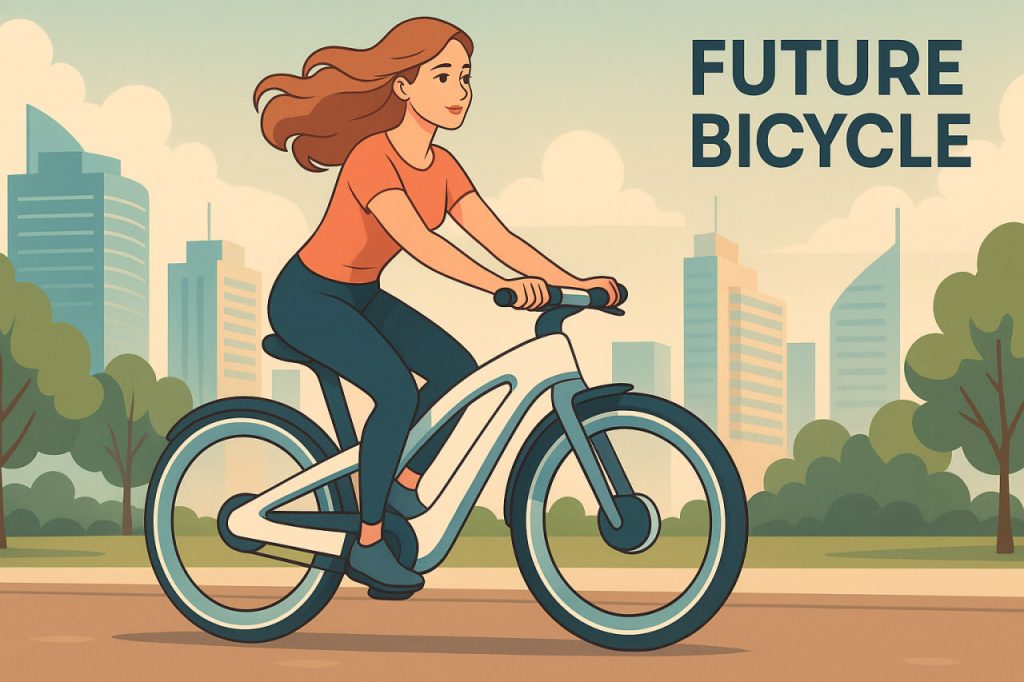
Bicycles of the future are being shaped by technology, sustainability, and changing urban lifestyles. As cities continue to expand and transportation becomes more focused on reducing pollution and improving health, bicycles are evolving into smarter and more adaptable machines. Future bicycles will not only serve as a means of movement but also as tools for fitness, personal expression, and everyday convenience. By blending engineering advancements with eco-friendly materials and digital features, the next generation of bicycles is expected to transform how people travel, exercise, and interact with their environment.
Smart Technology and Digital Integration
One of the most significant developments in future bicycles is the integration of smart systems. Bikes may include GPS navigation, ride analytics, automatic gear shifting, and even collision detection sensors for enhanced safety. Some advanced models already monitor speed, distance, and effort, helping riders improve performance over time. According to cycling technology researcher Dr. Yasmine Clarke, “Smart bicycles are evolving into connected fitness companions that respond to the rider’s needs in real time.” The goal is not to replace the human effort but to enhance it, making cycling more intuitive and enjoyable.
Lightweight and Sustainable Materials
Future bicycles will likely be built from innovative materials that are both strong and sustainable. Carbon fiber, bamboo composites, recycled aluminum, and biodegradable plastics are being tested as environmentally responsible alternatives. These materials reduce the bicycle’s weight, improving aerodynamics and energy efficiency. Lighter bikes require less effort to ride, making cycling accessible to a wider range of people, including beginners and older adults. The shift toward sustainable materials supports global efforts to reduce waste and lower environmental impact.
E-Bikes and Assisted Mobility
Electric bicycles (e-bikes) are expected to play a major role in the future of urban mobility. These bikes use small electric motors to assist pedaling, making long distances and hills easier to manage. E-bikes provide more flexibility and allow riders to travel quickly without needing a car. Urban mobility expert Marco Jensen explains, “E-bikes bridge the gap between bicycles and motor vehicles, offering freedom and accessibility without contributing to traffic congestion or air pollution.” With improved battery efficiency and charging options, e-bikes will likely become a standard transportation choice in many cities.
Personal Customization and Adaptive Design
Future bicycles may be highly customizable, adjusting to each rider’s body, preferences, and environment. Adjustable seating, adaptive suspension, modular accessories, and interoperable components will allow cyclists to tailor their bikes for city commuting, off-road trails, or long-distance touring. Some designs may even include foldable frames that make storage and transportation easier. This ability to personalize encourages long-term use and deeper connection between the rider and their bicycle.
Interesting Facts
- The first concept bicycles with self-balancing technology have already been tested.
- E-bike usage has increased significantly in major cities around the world.
- Some future bicycle designs include solar charging panels integrated into the frame.
- Smart helmets with built-in navigation screens are becoming more common.
- Lightweight bicycles improve energy efficiency, allowing riders to travel farther with less effort.
Glossary
- GPS navigation — A system that uses satellite signals to guide route direction.
- Carbon fiber — A lightweight and strong material used in advanced bicycle frames.
- E-bike — A bicycle equipped with an electric motor to assist with pedaling.
- Aerodynamics — The study of how air moves around objects to reduce resistance.
- Modular components — Parts that can be rearranged or replaced to customize a product.