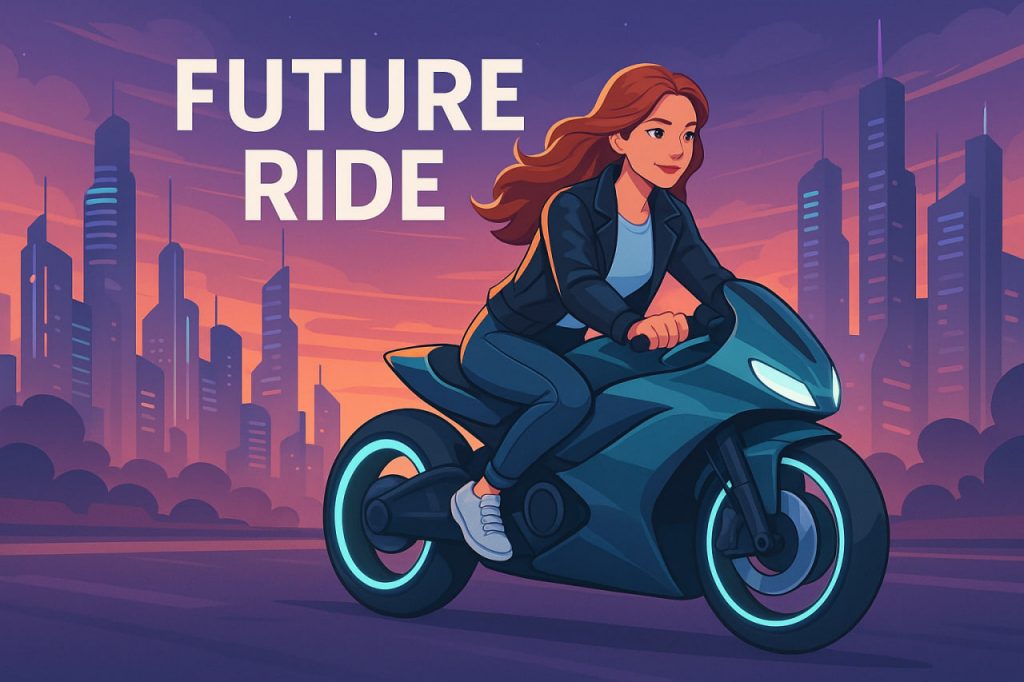
The future of motorcycles is shaped by innovation, sustainability, and a new way of thinking about personal mobility. As cities become more crowded and environmental concerns grow, motorcycles are evolving to be cleaner, smarter, and more connected. Riders continue to value the sense of freedom and direct engagement with the road, but the technology behind motorcycles is changing rapidly. From electric engines to autonomous safety features, the next generation of motorcycles reflects the balance between tradition and progress. Understanding these trends helps us appreciate how motorcycles may continue to be a significant part of transportation culture in the years to come.
Electric Power and Sustainability
Electric motorcycles are becoming central to the future of riding. These models use rechargeable batteries instead of fuel, producing no exhaust emissions and significantly reducing noise. They are also easier to maintain because they have fewer moving parts. However, challenges remain, including battery range and charging infrastructure. According to transportation engineer Dr. Daniel Rhodes, “Electric motorcycles represent a major step forward, but widespread adoption requires affordable batteries and convenient charging solutions.” As renewable energy systems expand globally, electric motorcycles are likely to become more accessible and more efficient.
Smart Technology and Safety Systems
Modern motorcycles are starting to include advanced safety and assistance technologies. Features such as traction control, gyroscopic stabilization, adaptive headlights, and collision alert systems are already present in some high-end models. Future motorcycles may include artificial intelligence that adjusts performance based on the rider’s ability and road conditions. These systems do not replace rider skill but enhance safety by reducing risks. As motorcycle expert Elena Warren notes, “Smart systems assist riders without removing the personal connection that makes motorcycling meaningful.”
New Materials and Lightweight Design
Innovations in materials are transforming motorcycle design. Lightweight metals, carbon fiber composites, and high-strength alloys reduce weight while improving durability and performance. Lighter motorcycles are easier to handle, require less energy, and offer smoother acceleration. Future designs may prioritize modular components that can be easily repaired or upgraded, improving sustainability and reducing waste. Aerodynamic styling will continue to evolve to support efficiency, comfort, and dynamic road performance.
Changing Culture and Rider Experience
As technology advances, the experience of riding will remain deeply personal. Motorcycles represent independence, creativity, and identity. Some riders value the engine sound and mechanical feel, while others appreciate silent electric movement. Community and travel will continue to play major roles, with group riding events, adventure touring, and custom building remaining essential aspects of motorcycle culture. The future of motorcycling will likely be a blend of traditional values and modern engineering.
Interesting Facts
- Some electric motorcycles can accelerate faster than high-performance gasoline models.
- Prototype self-balancing motorcycles can remain upright without a rider’s support.
- Manufacturers are experimenting with solar-charging parking stations for electric bikes.
- Smart helmets with built-in navigation displays are already entering the market.
- Ultra-light carbon frames can significantly improve speed and control.
Glossary
- Traction control — A system that prevents wheels from spinning during acceleration.
- Gyroscopic stabilization — A technology that helps the motorcycle maintain balance.
- Composite materials — Engineered materials made from multiple layers for strength and lightness.
- Charging infrastructure — Public or private systems for charging electric vehicles.
- Adaptive headlights — Lights that adjust direction and brightness based on movement and visibility.