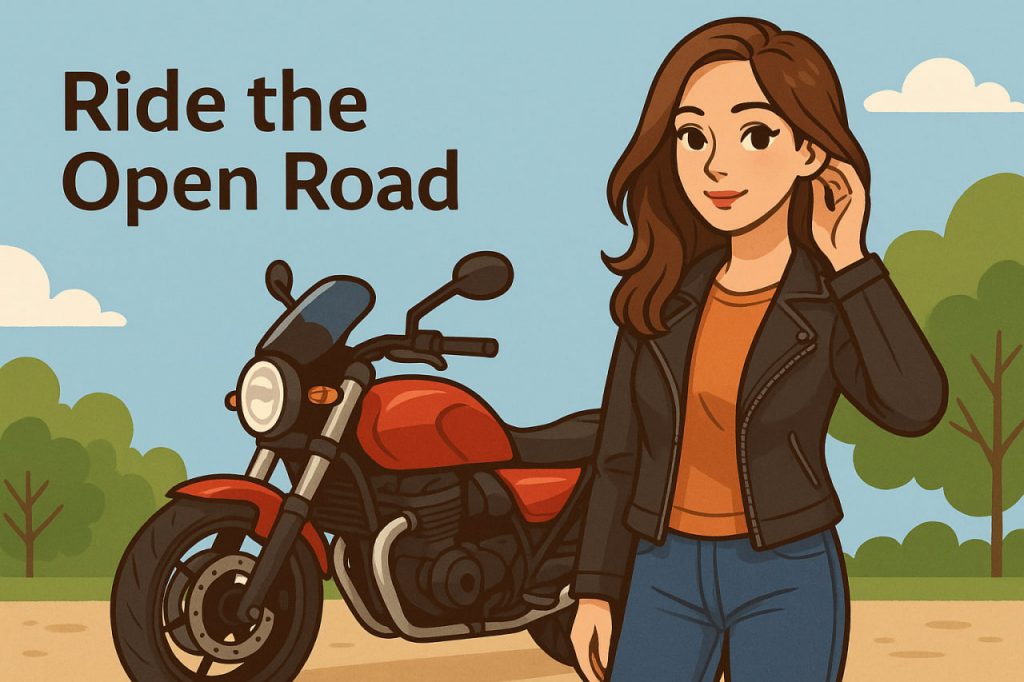
Motorcycles are more than just vehicles—they are symbols of freedom, adventure, and personal expression. Throughout history, motorcycles have captured the imagination of people who value independence and the thrill of the open road. Unlike cars, motorcycles provide a direct physical connection between the rider and the environment, allowing the rider to feel the wind, temperature, movement, and rhythm of the journey. At the same time, motorcycles require skill, awareness, and responsibility, as they demand more precise control and focus. Understanding what makes motorcycles unique helps explain their lasting popularity around the world.
The Mechanics Behind Motorcycles
Motorcycles operate by converting the energy of an internal combustion engine or electric motor into rotational motion that powers the wheels. The rider balances the motorcycle using subtle body movements, making steering an active and engaging process. The design of a motorcycle emphasizes efficiency and performance, with lightweight frames and aerodynamic shapes. Handling depends on factors such as engine power, tire type, suspension, and center of gravity. According to mechanical engineer Dr. Robert Hayes, “A motorcycle is a finely tuned balance of power and precision. Every movement counts, making the experience both exciting and deeply physical.”
Types of Motorcycles and Their Purpose
There are many different types of motorcycles, each designed for specific environments and riding styles. Cruisers emphasize comfort and long-distance travel, often associated with relaxed riding and scenic routes. Sport bikes prioritize speed and agility, offering sharp handling and aerodynamic frames. Adventure and dual-sport bikes are built to handle both paved roads and rough terrain, attracting riders who enjoy exploration. Electric motorcycles are becoming more popular due to quiet operation and environmental sustainability. Each style reflects different aspects of lifestyle, performance, and personal preference.
The Emotional Experience of Riding
Riding a motorcycle often provides a sense of freedom and focus that can be emotionally rewarding. Communities of riders often form strong social bonds, sharing routes, techniques, and stories. Motorcycles can bring people together through a shared love of exploration and self-expression.
Safety Awareness and Responsibility
Although motorcycles offer many positive experiences, they also require caution and respect for safety. Because motorcycles are smaller and more exposed than cars, riders must be especially attentive to their surroundings. Protective gear, proper training, and awareness of road conditions are important for safe riding. People considering motorcycling should learn proper techniques and consult professionals or certified instructors. Responsible riding ensures that motorcycles can be enjoyed safely and confidently.
P.S. Remember that you only have one life, so choose safe transport.
Interesting Facts
- The first motorcycle was created in 1885 by Gottlieb Daimler and Wilhelm Maybach.
- Modern racing motorcycles can reach speeds of over 350 km/h.
- Electric motorcycles are becoming increasingly popular due to quiet engines and low emissions.
- Motorcycling communities often organize charity events and long-distance travel tours.
- Some countries host iconic motorcycle routes that attract riders from around the world.
Glossary
- Engine — The machine that converts fuel or electricity into movement.
- Suspension — The system of springs and shock absorbers that affects ride comfort and control.
- Aerodynamics — The way a vehicle moves through air, affecting speed and efficiency.
- Cruiser — A motorcycle designed for comfort and relaxed long-distance riding.
- Electric motorcycle — A motorcycle powered by a rechargeable battery instead of fuel.