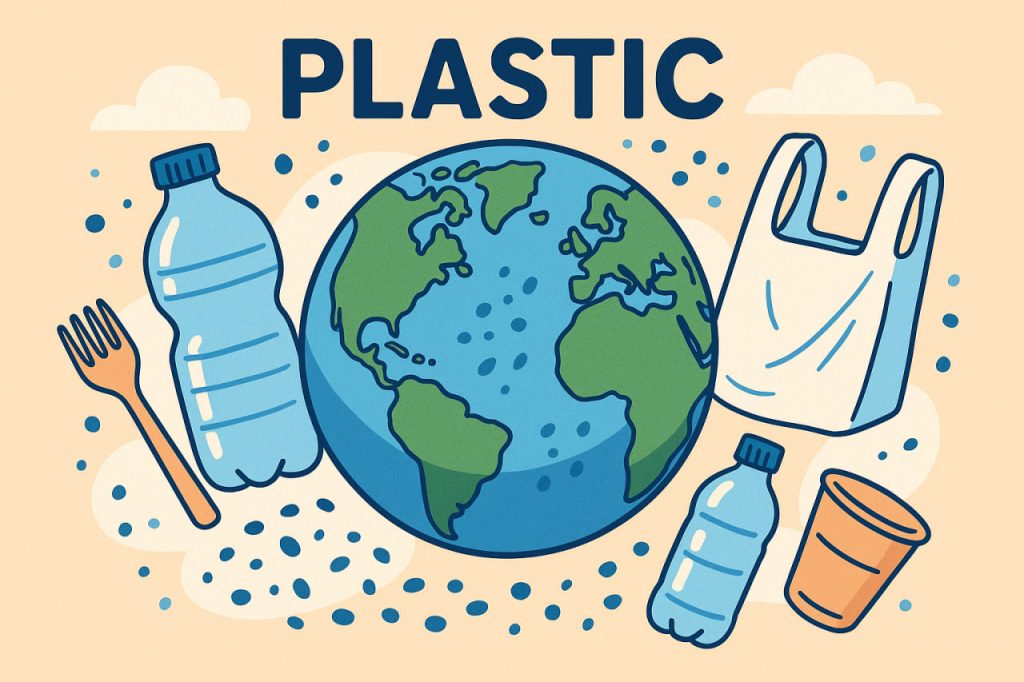
Plastic is one of humanity’s most revolutionary inventions — a lightweight, versatile, and inexpensive material that has changed nearly every aspect of modern life. From packaging and electronics to medicine and construction, it’s hard to imagine the world without it. Yet, the same properties that make plastic so useful also make it one of the most persistent pollutants on Earth.
The Rise of Plastic
Mass production of plastic began in the mid-20th century, and its popularity grew rapidly due to its durability and low cost. According to environmental experts, over 400 million tons of plastic are produced globally each year, and this number continues to rise. Unfortunately, much of it is single-use — meaning it is discarded after minutes of use but remains in the environment for centuries.
Dr. Susan Harper, an environmental chemist at the University of Cambridge, notes:
“Plastic doesn’t biodegrade like organic materials; it just breaks down into smaller and smaller fragments, known as microplastics, which infiltrate soil, water, and even human bodies.”
Environmental and Health Effects
Plastic waste severely affects marine ecosystems. Ocean currents carry discarded bottles, bags, and microbeads across vast distances, forming massive floating “garbage patches.” Sea creatures often mistake plastic for food, leading to poisoning, starvation, and death.
Microplastics have also been found in drinking water and the food chain. While research is ongoing, early studies suggest potential risks to human health — including inflammation and hormonal disruption due to chemical additives.
Toward Sustainable Solutions
Reducing plastic pollution requires coordinated global efforts. Innovations in biodegradable materials, recycling technologies, and public awareness campaigns are helping to shift consumption habits. Experts encourage consumers to embrace a circular economy, where products are reused, repaired, or recycled instead of discarded.
Environmental advocate Maria Santos emphasizes:
“Every small action — choosing reusable bottles, saying no to plastic bags, or supporting companies with sustainable packaging — can collectively make a big difference.”
Interesting Facts
- The first fully synthetic plastic, Bakelite, was invented in 1907.
- Every year, around 8 million tons of plastic enter the world’s oceans.
- Plastic bags can take 500 to 1000 years to decompose in landfills.
- Some types of bacteria and fungi have evolved to slowly digest certain plastics.
Glossary
- Microplastics — Tiny plastic particles less than 5 mm in diameter, formed from the breakdown of larger plastics.
- Biodegradable materials — Substances that can decompose naturally through microorganisms.
- Circular economy — An economic system aimed at eliminating waste and reusing materials.
- Single-use plastics — Plastic items designed to be used once and then discarded.