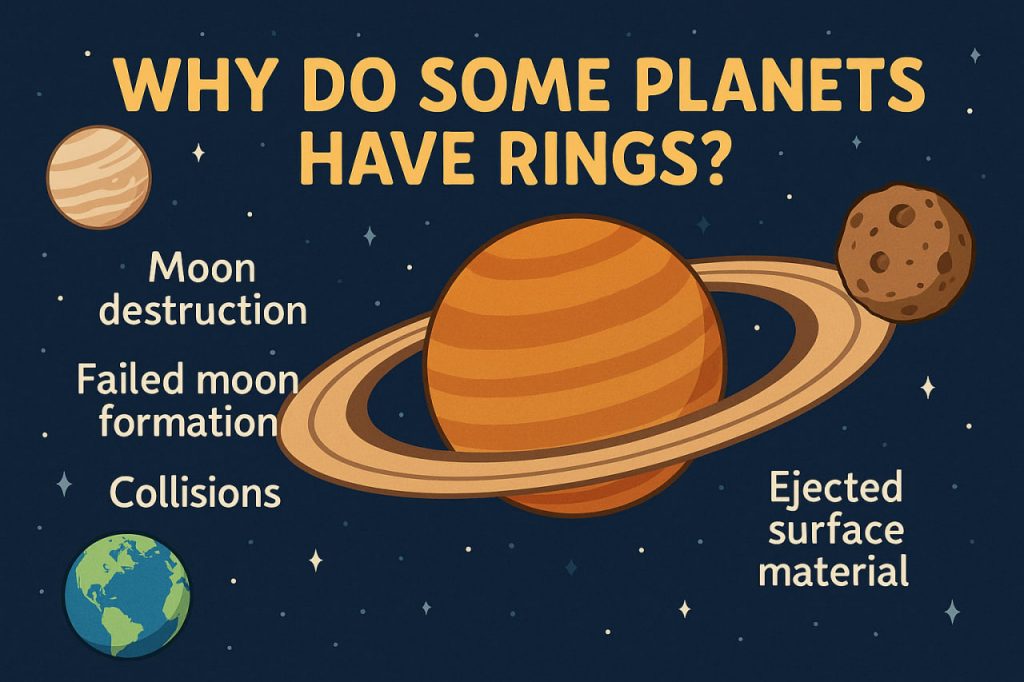
When we picture planets with rings, Saturn immediately comes to mind. But did you know that all four gas giants in our solar system — Jupiter, Saturn, Uranus, and Neptune…
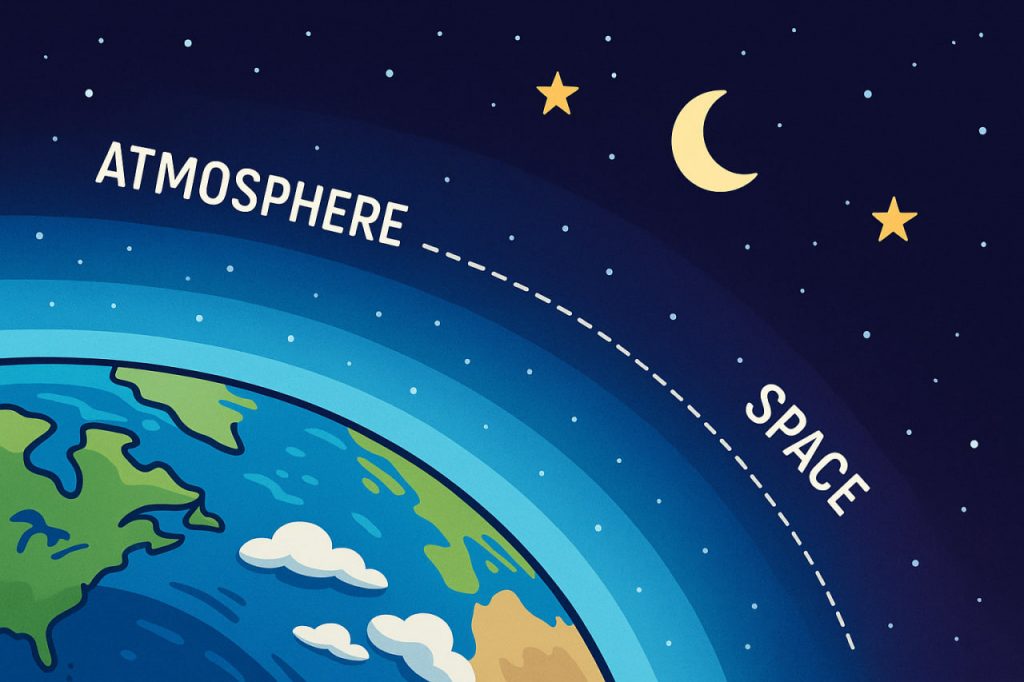
When we look up at the sky, it may seem like space begins just beyond the clouds. But scientifically defining where Earth ends and space begins is far more complex.…
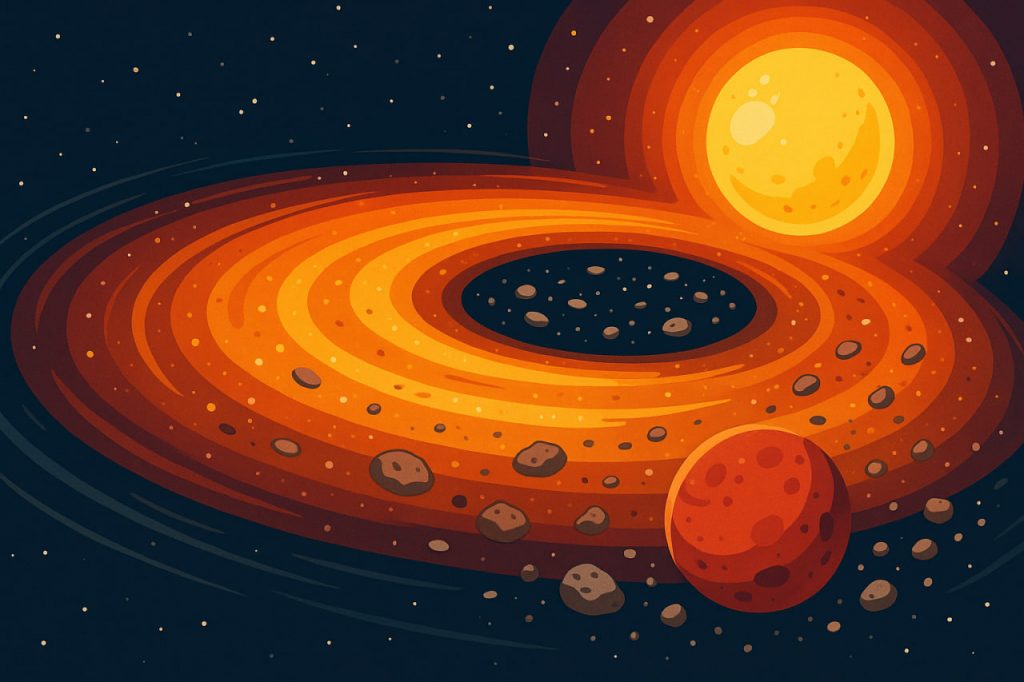
Planets don’t simply appear — they are the result of complex processes unfolding over millions of years. From dust particles in a swirling cloud of gas to massive, orbiting worlds,…
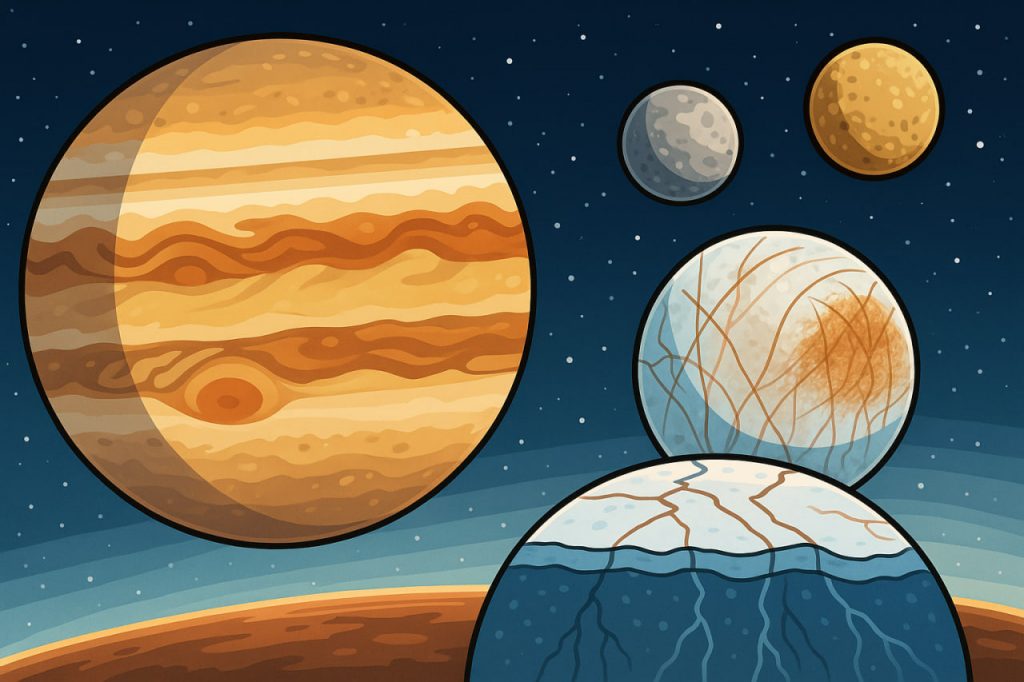
Jupiter is not just the largest planet in our solar system — it's also a host to dozens of fascinating moons, including several that are covered in ice. These icy…
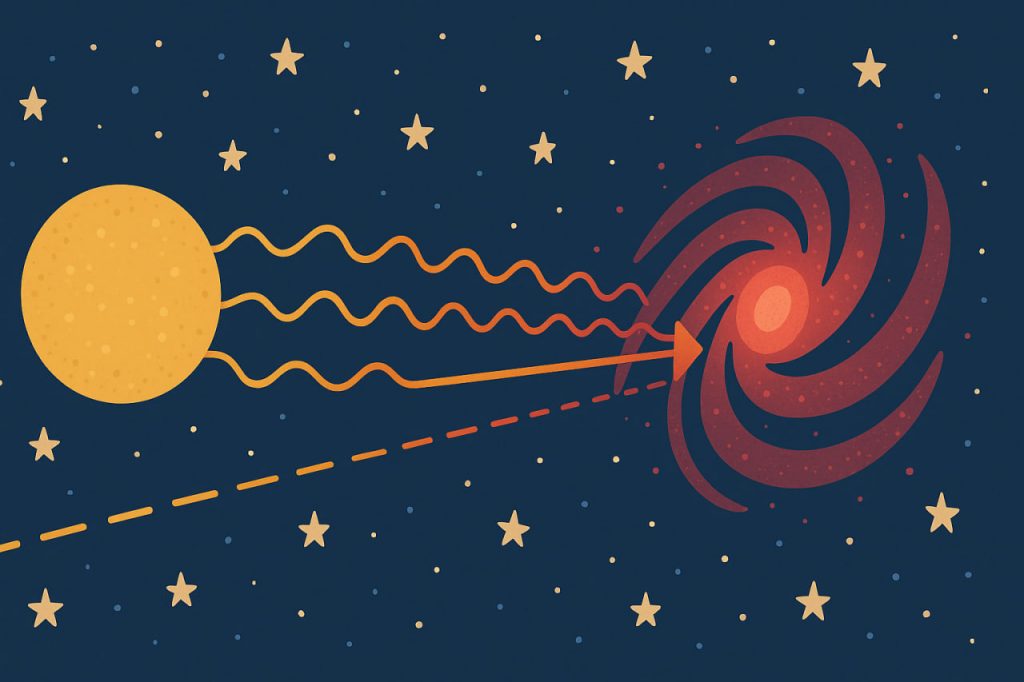
Redshift is a key concept in astronomy that helps scientists understand how distant celestial objects move in space. When we observe light from stars and galaxies, we’re not just seeing…
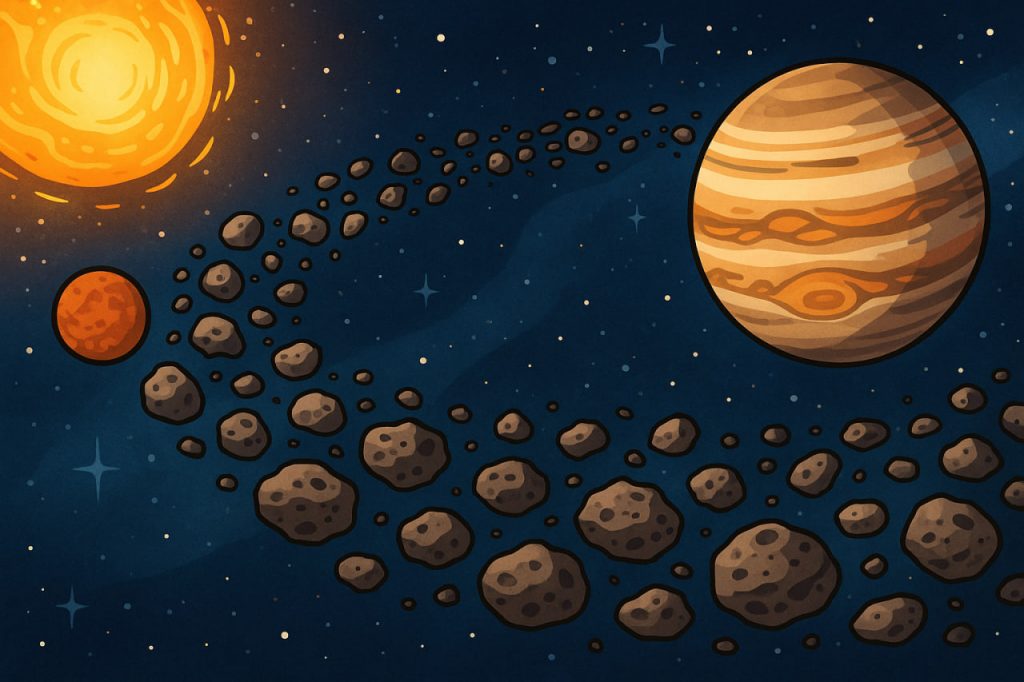
The asteroid belt is a vast region in space filled with rocky objects of various sizes orbiting the Sun. These objects, called asteroids, are remnants from the early formation of…
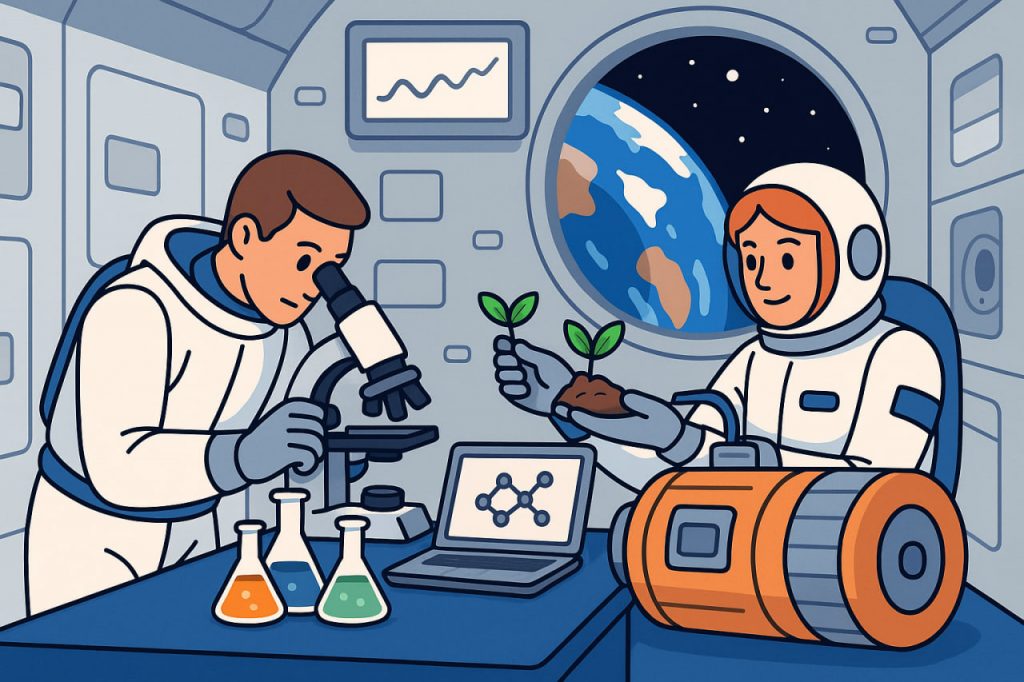
The International Space Station (ISS) is not just a symbol of global cooperation, but a fully operational scientific laboratory in orbit. Orbiting Earth at about 400 kilometers in altitude, the…
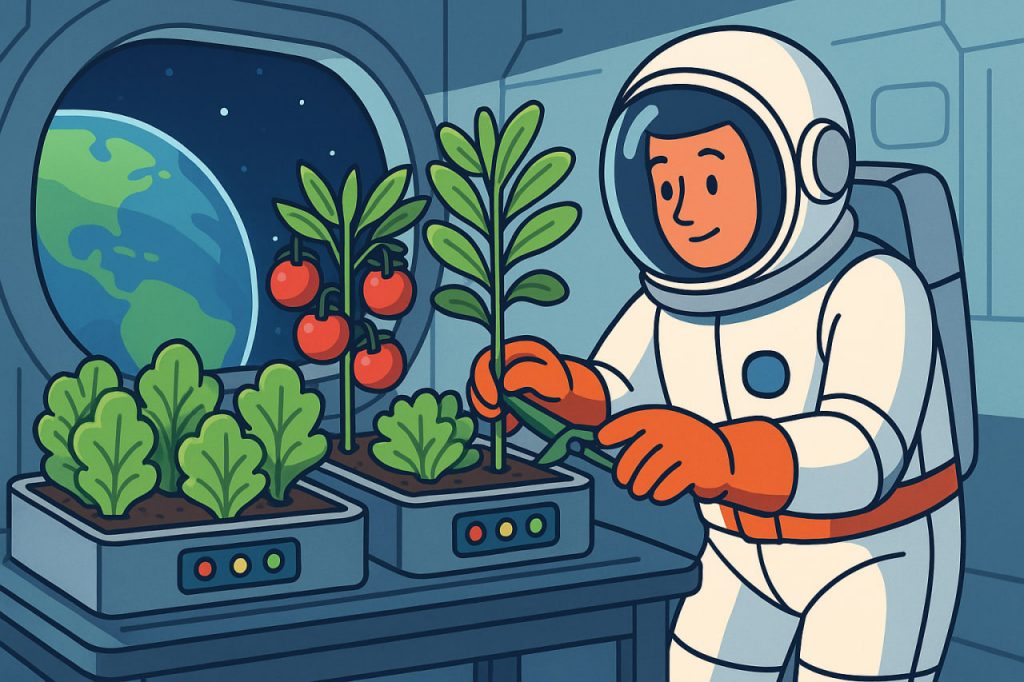
Growing plants in space has become a crucial component of long-term space exploration. As humanity prepares for extended missions to the Moon, Mars, and beyond, sustainable food production in microgravity…
Although similar in size and composition to Earth, Venus is often described as our planet’s evil twin. With scorching temperatures, crushing atmospheric pressure, and acidic clouds, Venus is one of…
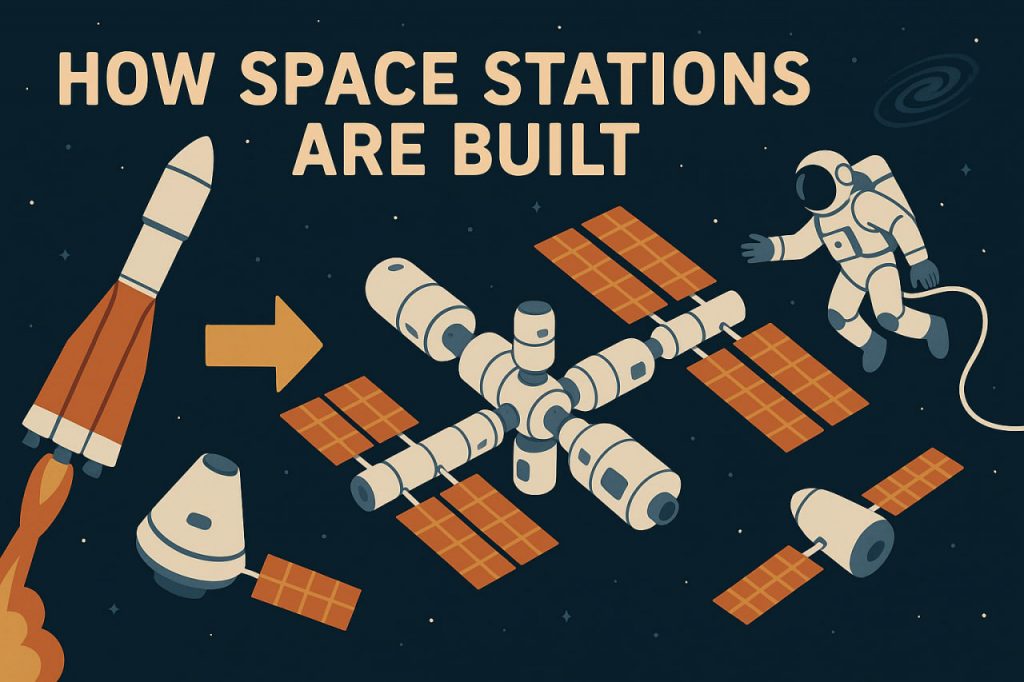
A space station is a large, habitable artificial satellite that orbits Earth, serving as a platform for scientific research, space exploration, and international cooperation. Building a space station is one…