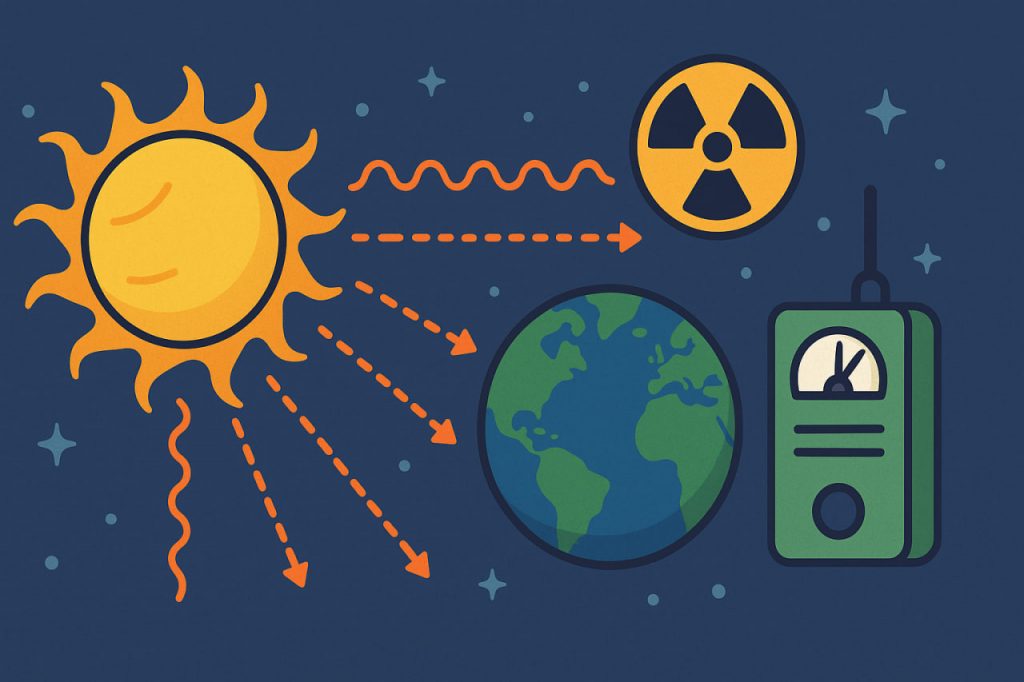
Radiation is the process by which energy travels through space or a medium in the form of waves or particles. It is a fundamental part of nature, present everywhere—from sunlight…
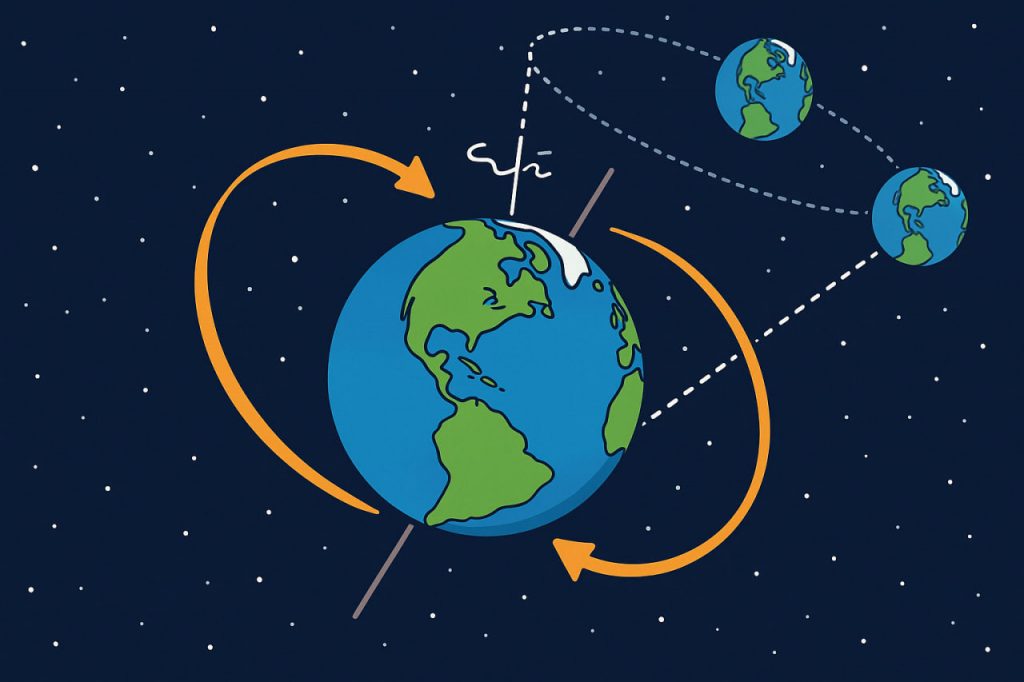
The Earth does not stand perfectly still as it spins; its axis of rotation—the imaginary line running through the North and South Poles—slowly shifts over time. This change in Earth’s…
The idea of stopping time has fascinated humanity for centuries. From myths and literature to science fiction, many stories explore what it would mean if time could come to a…
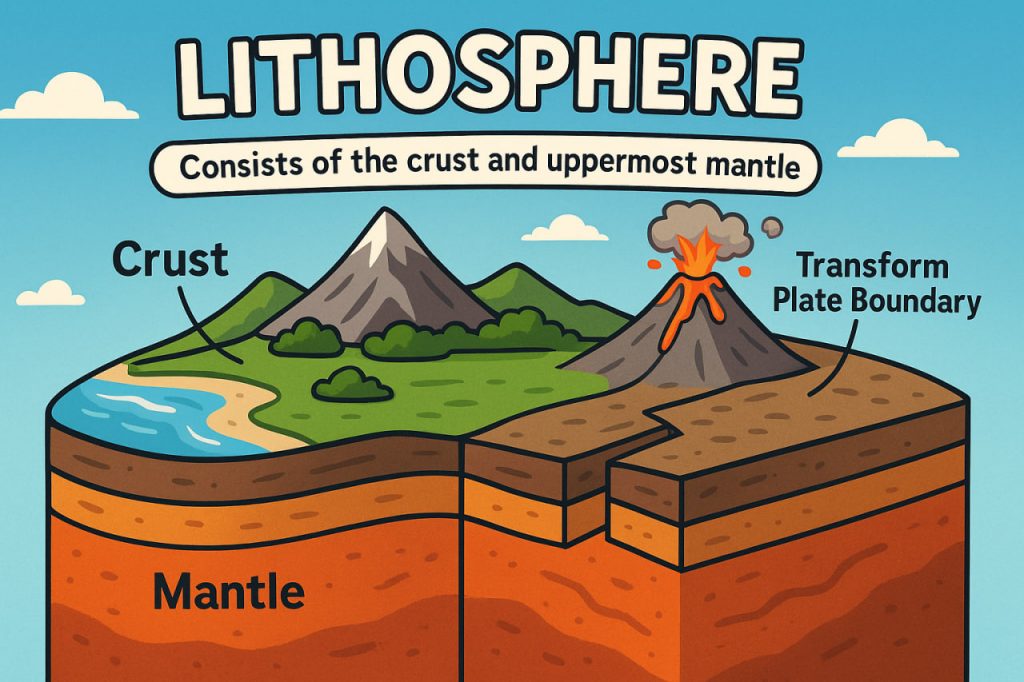
The lithosphere is the rigid outer shell of the Earth, encompassing the crust and the uppermost part of the mantle. It plays a critical role in shaping the planet’s surface,…
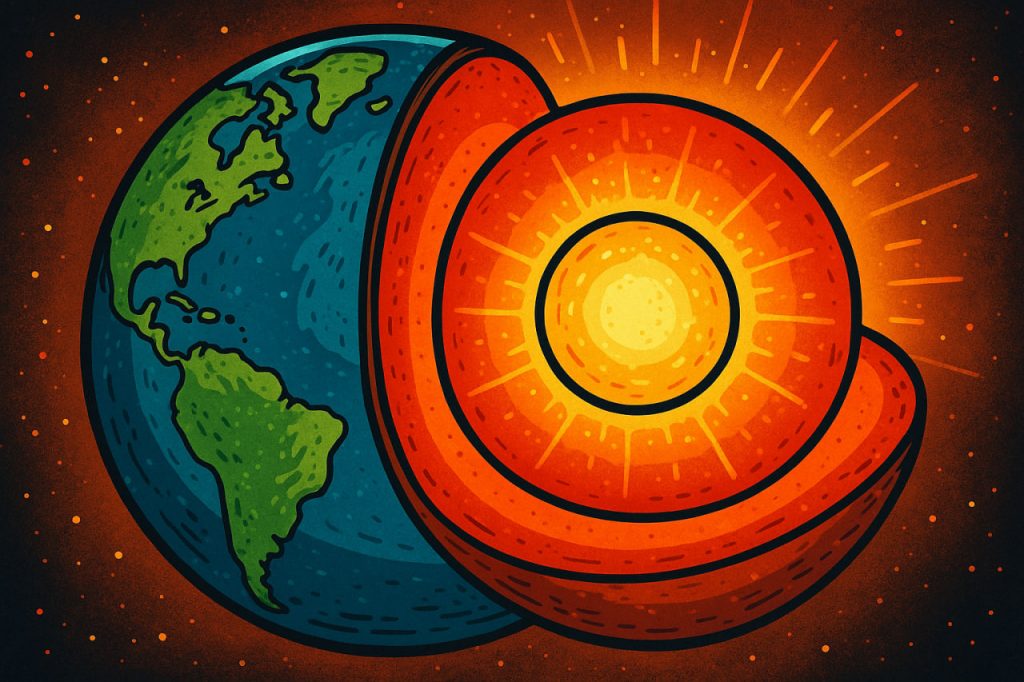
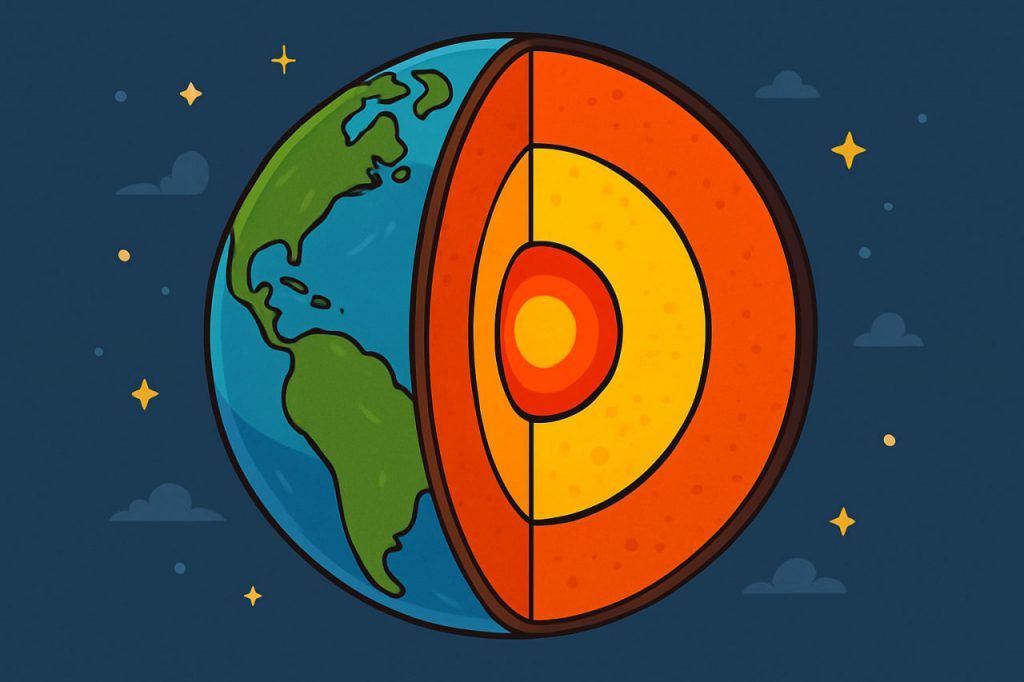
The Earth's core is one of the most fascinating and mysterious parts of our planet. Hidden deep beneath the surface, it plays a crucial role in maintaining Earth's magnetic field,…
The mantle is a massive layer of rock located between the Earth's crust and core. It makes up about 84% of the Earth's total volume and plays a key role…
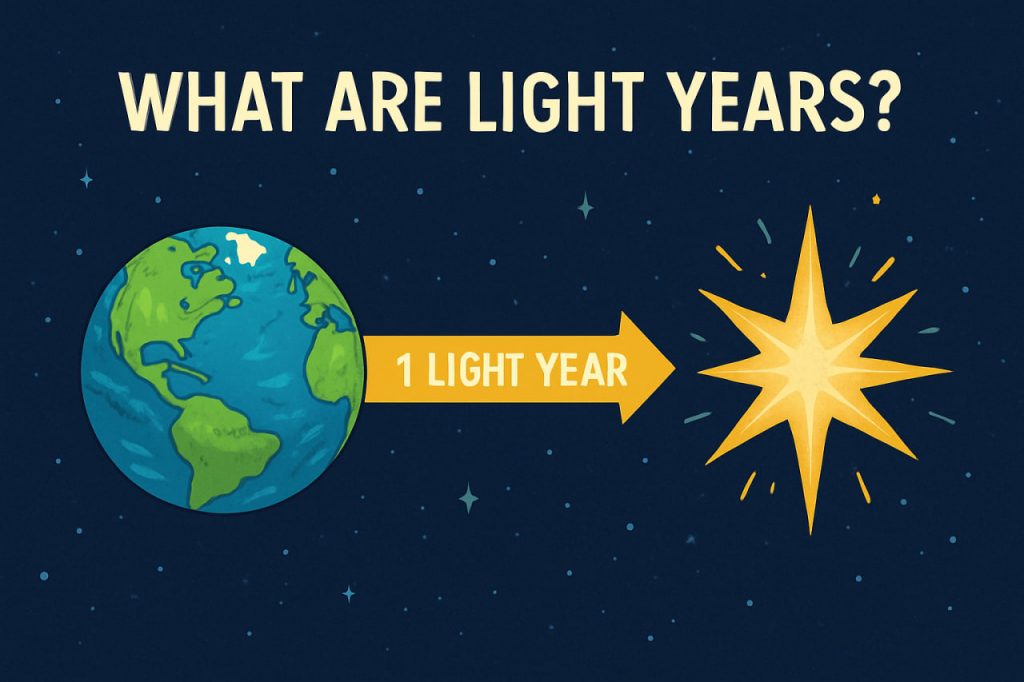
When astronomers talk about stars, galaxies, or other celestial objects, they often use the term "light year" — but it’s not a measure of time. Despite the word “year”, a…
When we think of light, we usually imagine beams or waves. But in modern physics, light also behaves like a particle — and that particle is called a photon. A…
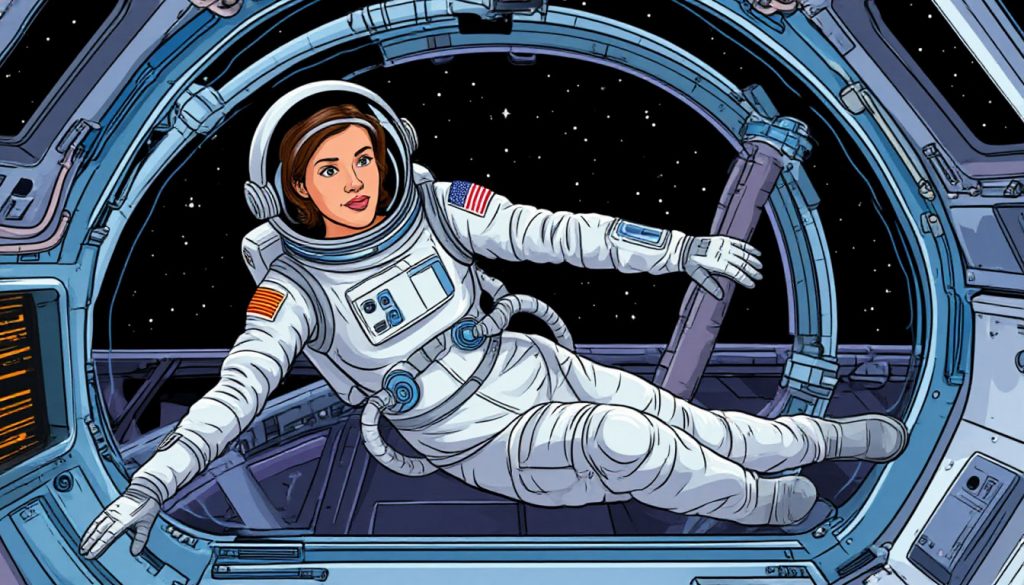
Life on Earth has evolved under the constant pull of gravity. But when astronauts travel into space, they experience microgravity, a condition in which gravity is so weak that objects…
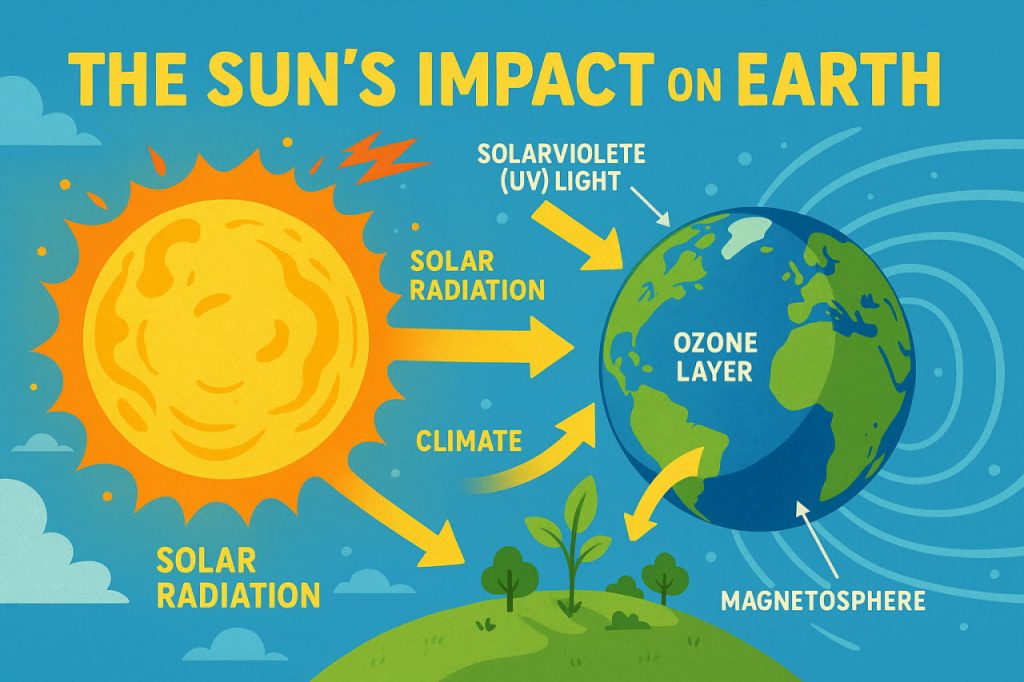
The Sun is the central driver of nearly all natural processes on Earth. As the closest star to our planet, it provides the energy necessary for life, powers the weather…