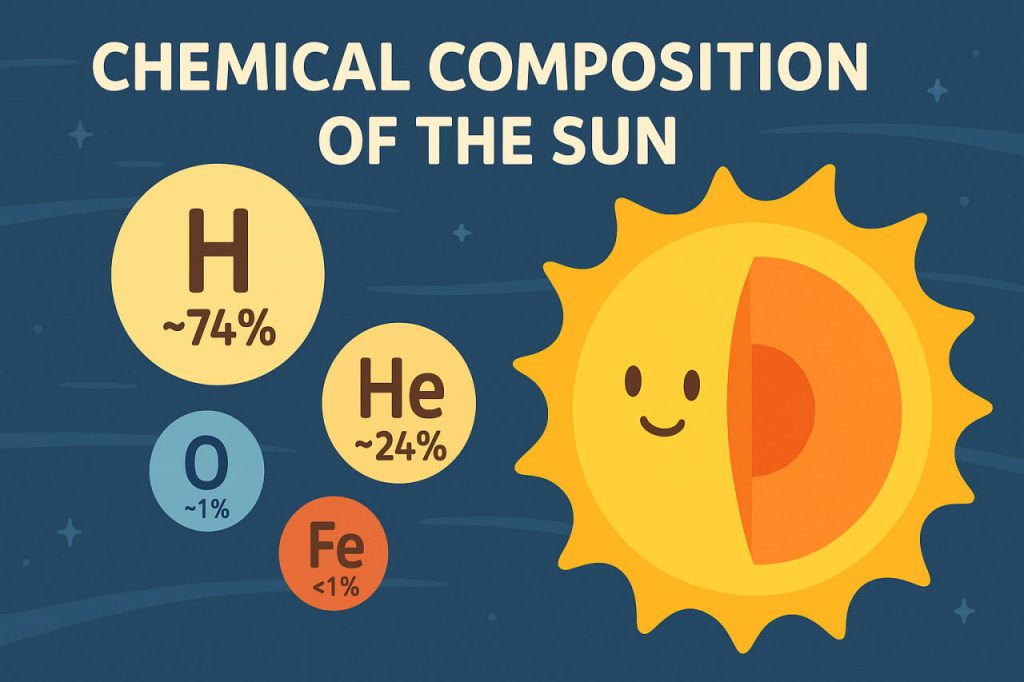
The Sun, a glowing sphere of hot plasma at the center of our solar system, may appear uniform to the naked eye, but it has a rich and complex chemical…
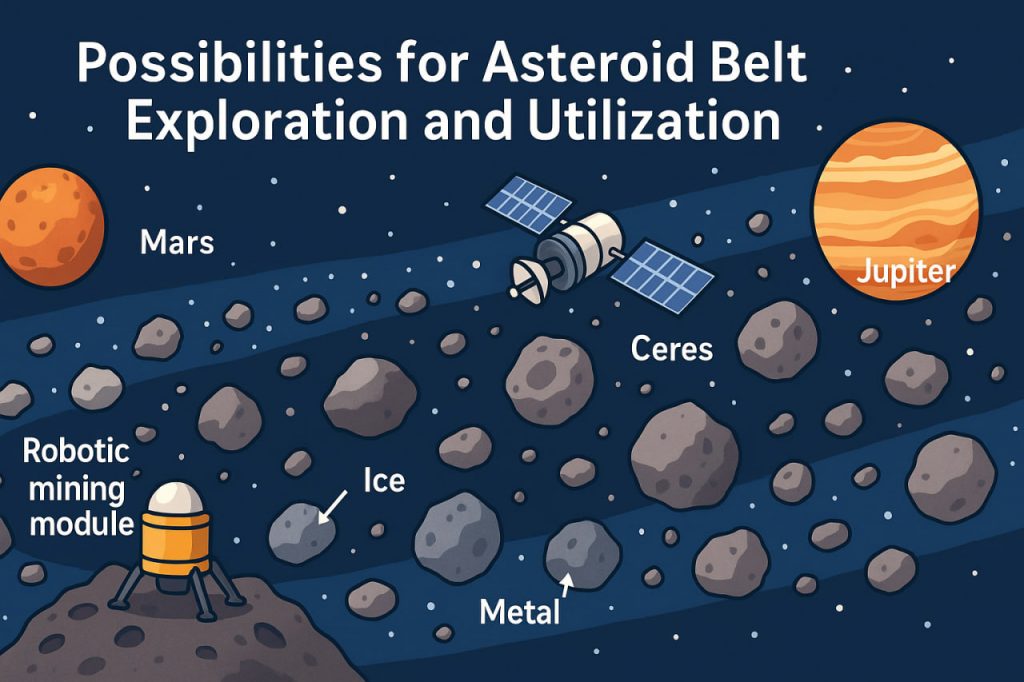
The asteroid belt is a vast region between Mars and Jupiter filled with rocky remnants from the early Solar System. Far from being just a chaotic zone of floating debris,…
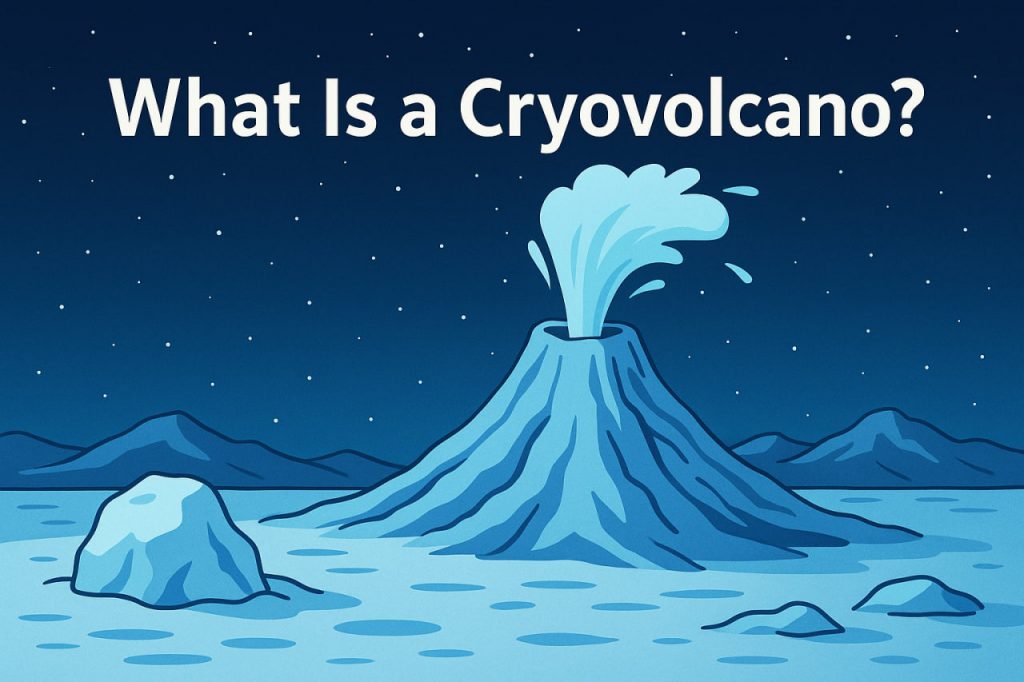
A cryovolcano, also known as an ice volcano, is a type of volcanic feature found on some icy celestial bodies in our Solar System. Unlike typical volcanoes on Earth that…
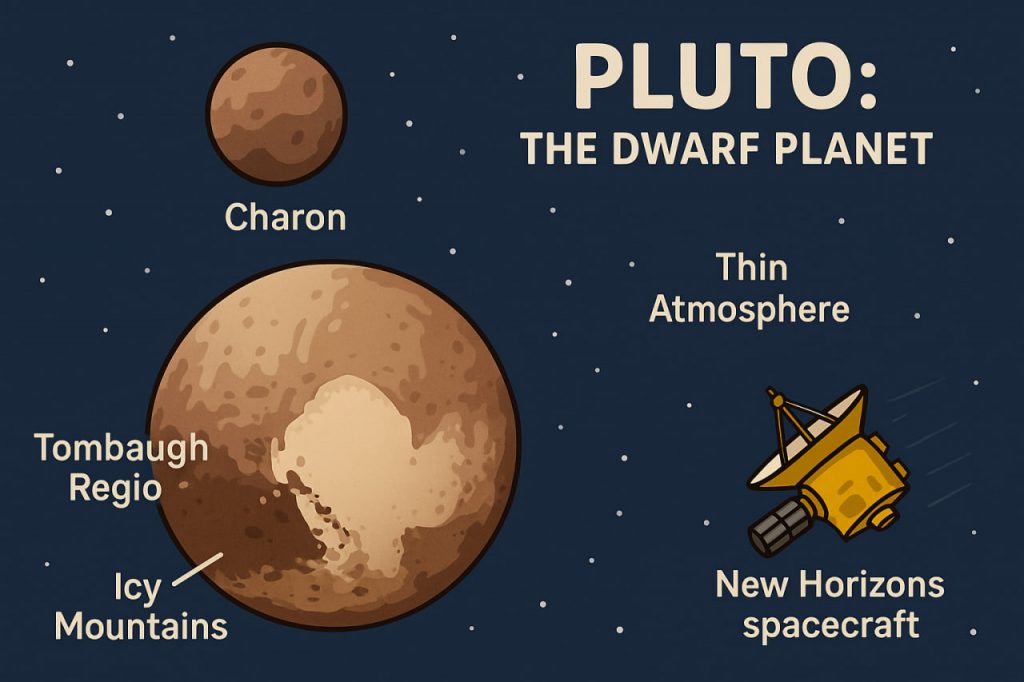
Pluto, once considered the ninth planet, is now classified as a dwarf planet in the Kuiper Belt—a region of icy bodies beyond Neptune. Despite its small size, Pluto has captured…
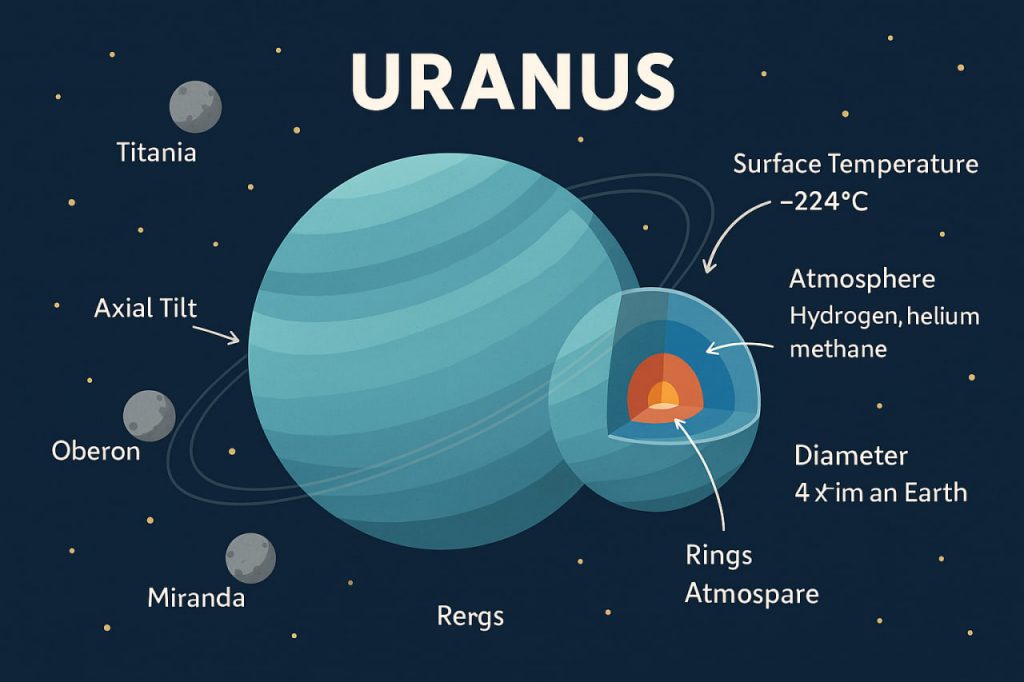
Uranus is the seventh planet from the Sun and one of the most mysterious and unusual planets in our Solar System. It is classified as an ice giant, along with…
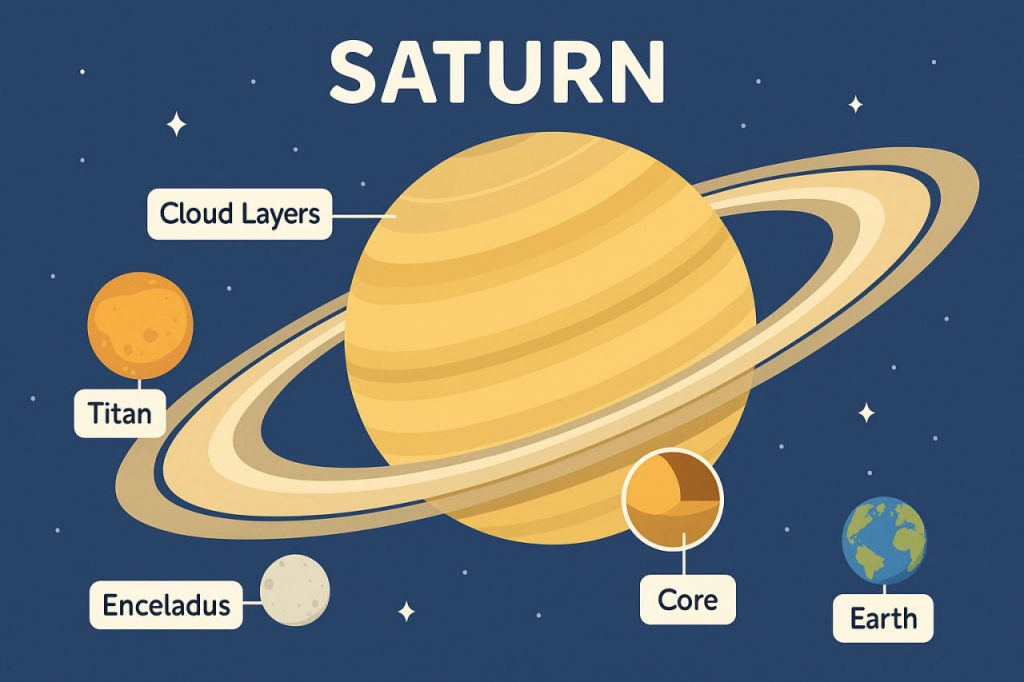
Saturn is the sixth planet from the Sun and the second-largest in our Solar System. It is best known for its spectacular ring system, which sets it apart from all…
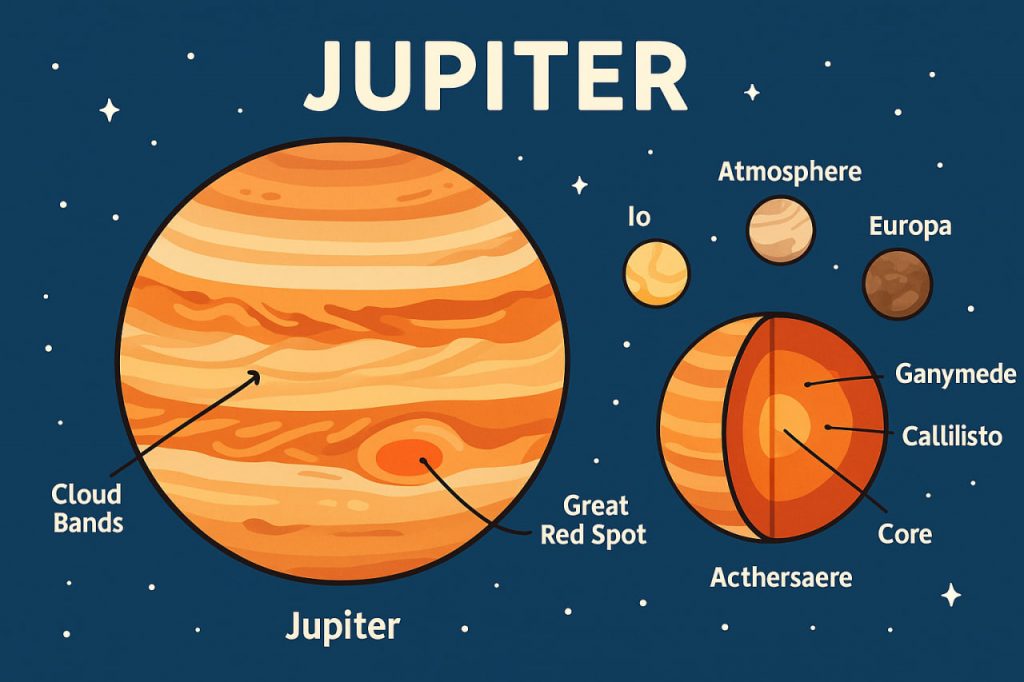
Jupiter is the largest planet in our Solar System, more massive than all the other planets combined. Known for its swirling storms, colorful bands, and immense size, Jupiter is a…
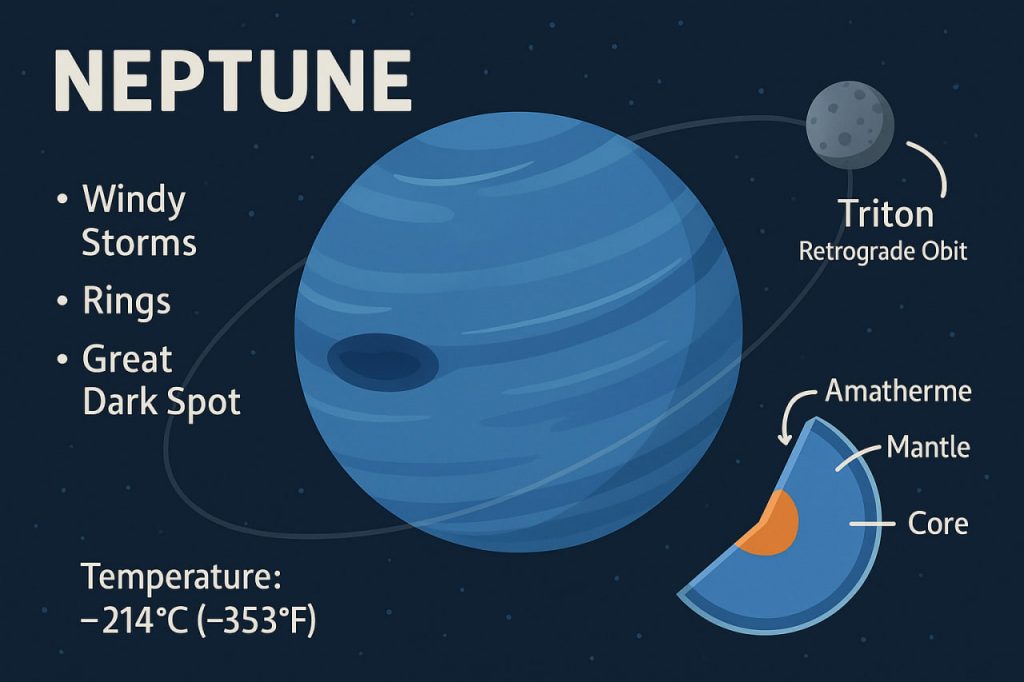
Neptune is the eighth and farthest planet from the Sun in our Solar System. Known for its deep blue color and dynamic weather systems, Neptune is a gas giant and…
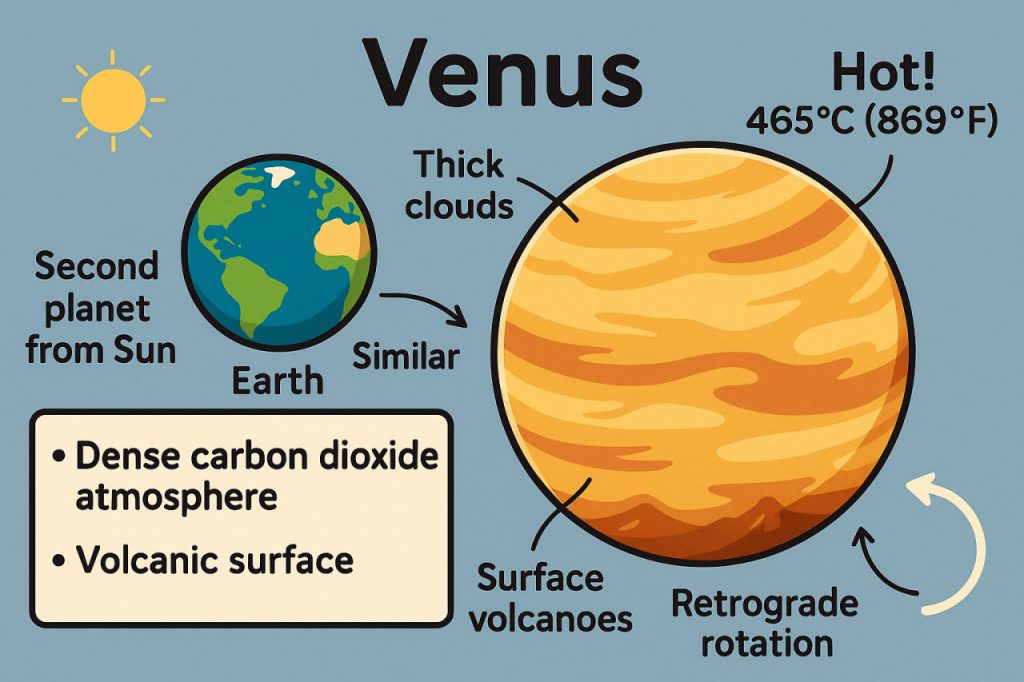
Venus is the second planet from the Sun and is often called Earth’s "twin" due to its similar size and composition. However, beneath its cloudy veil, Venus is a scorching,…