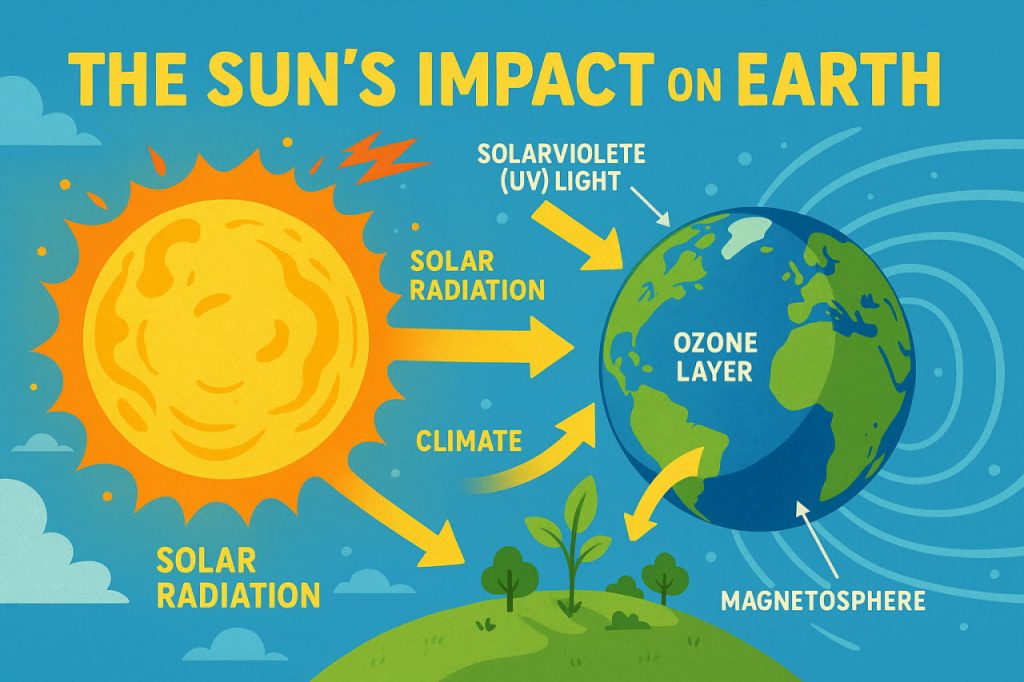
The Sun is the central driver of nearly all natural processes on Earth. As the closest star to our planet, it provides the energy necessary for life, powers the weather…
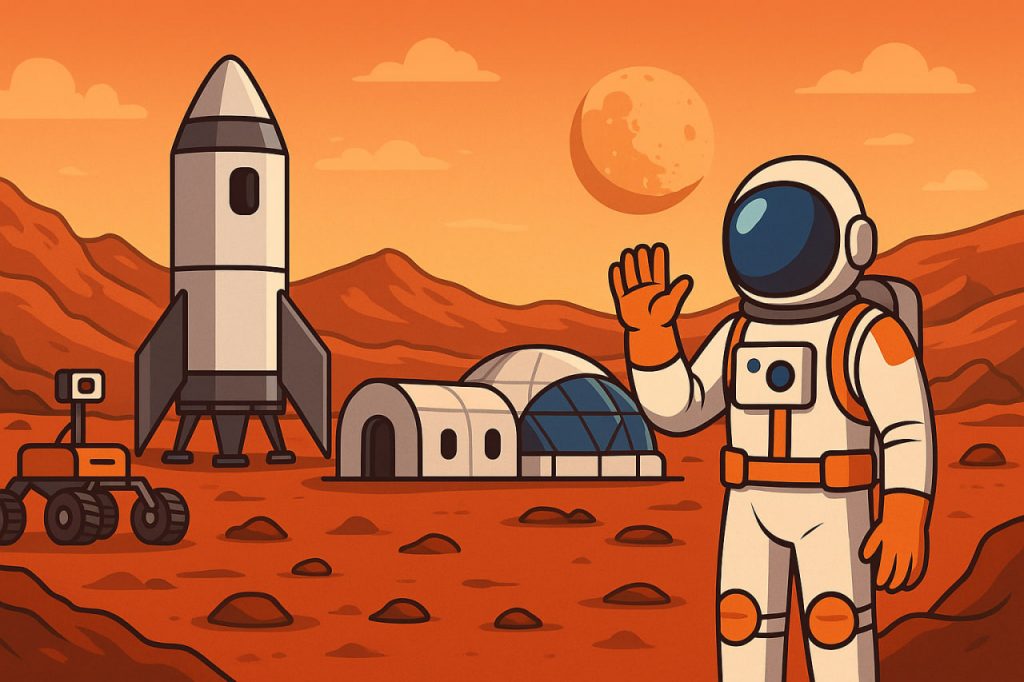
The idea of humans living on Mars has fascinated scientists, engineers, and science fiction writers for decades. As Earth faces environmental and population challenges, some experts consider Mars a potential…
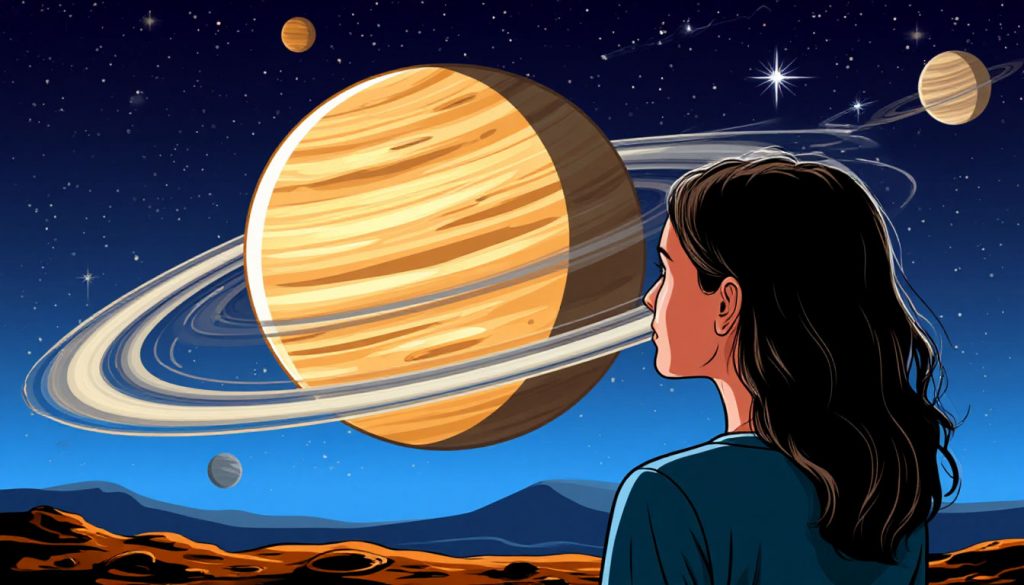
Saturn’s rings are among the most iconic and beautiful features in our Solar System. First observed in 1610 by Galileo Galilei, these shimmering bands around the planet continue to amaze…
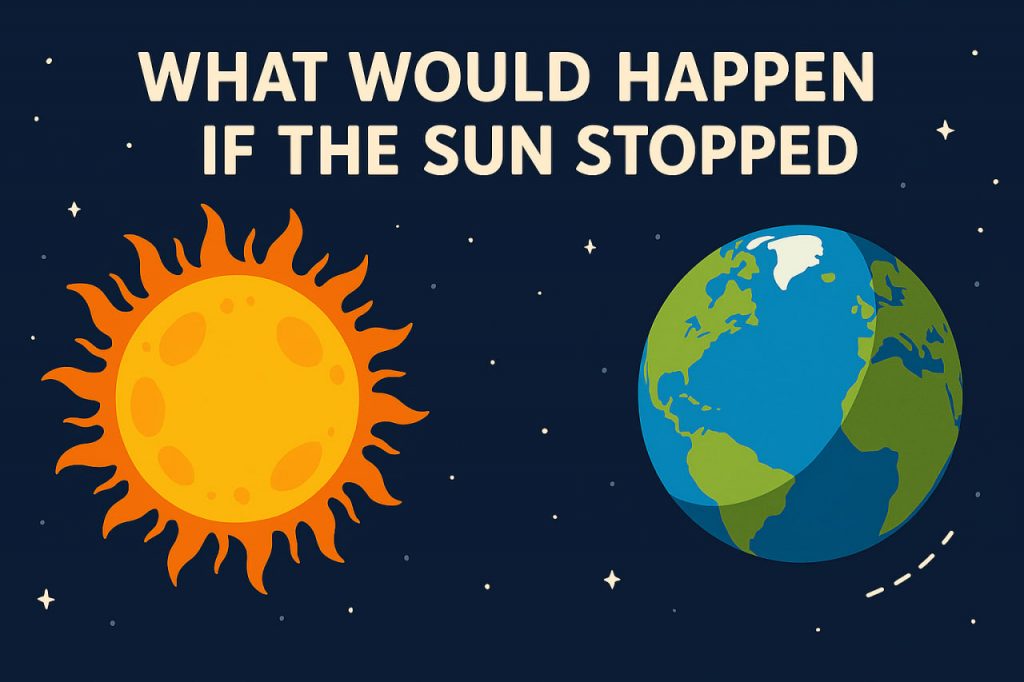
The Sun is the engine of our Solar System, providing heat, light, and gravity that hold everything together. If the Sun were to suddenly stop—whether it stopped producing energy or…
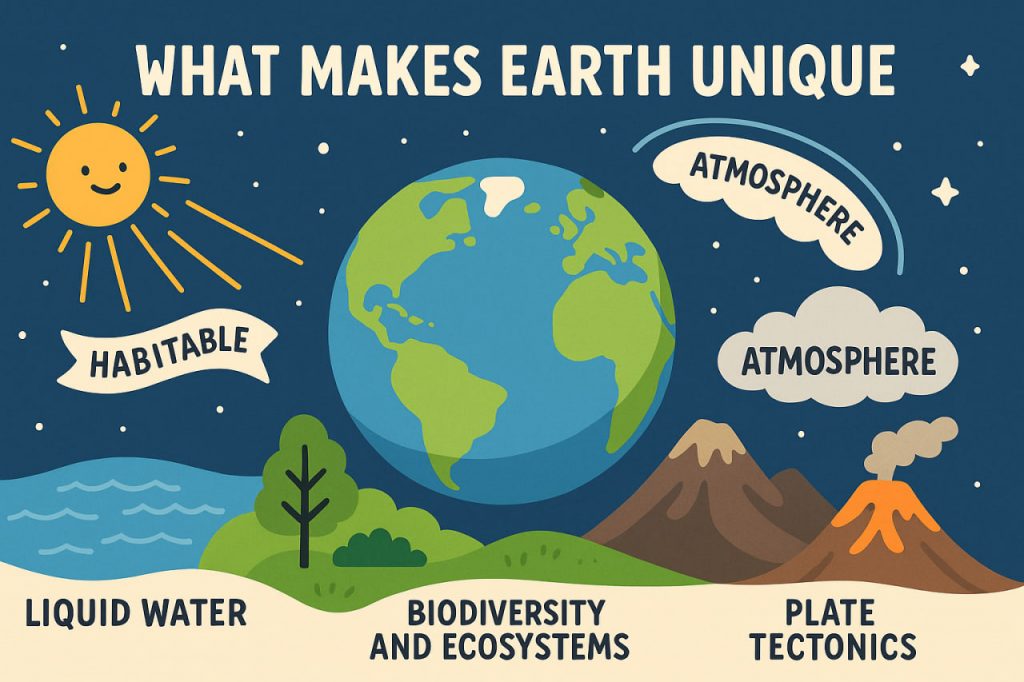
Among all the planets in our Solar System—and the billions more beyond—Earth is the only one we know that supports life. Its perfect balance of conditions has allowed oceans, forests,…
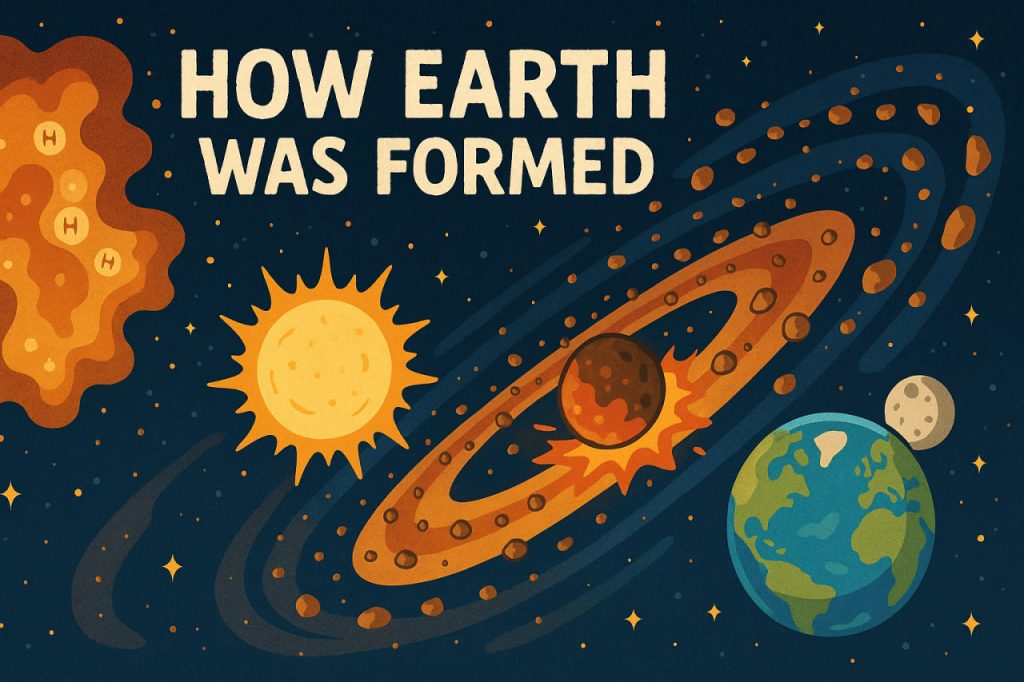
The Earth as we know it is the result of billions of years of cosmic evolution. From a cloud of dust to a vibrant planet teeming with life, Earth’s journey…
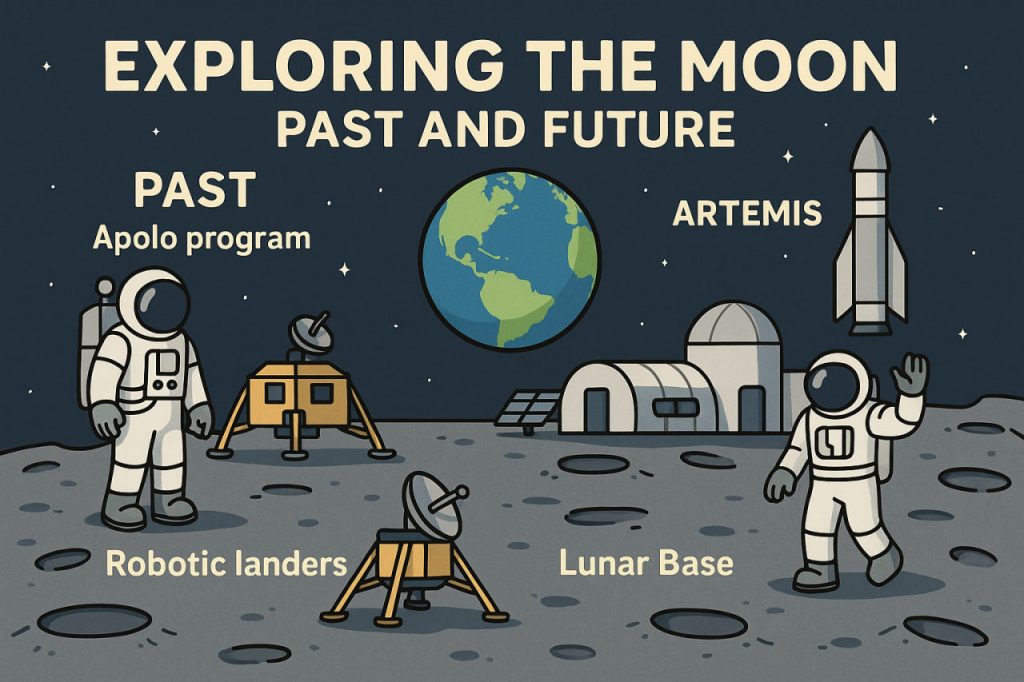
For centuries, the Moon has fascinated humanity. As Earth’s only natural satellite and the brightest object in our night sky, it has been central to ancient myths, scientific curiosity, and…
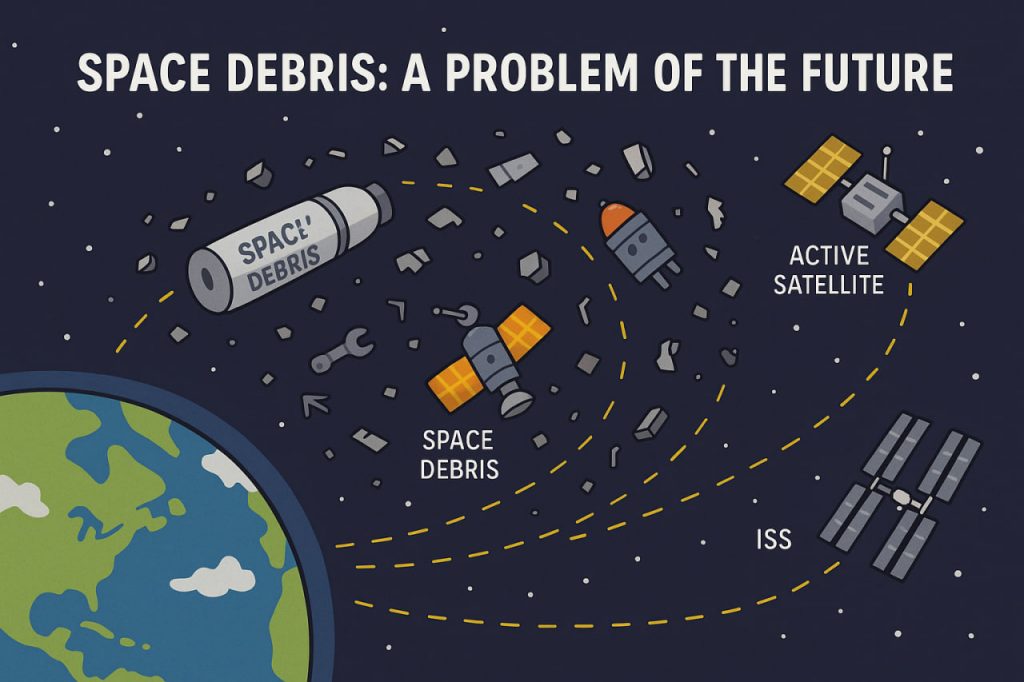
Space debris, also known as space junk, refers to non-functional human-made objects orbiting Earth. These include defunct satellites, spent rocket stages, fragments from past collisions, and even tools lost during…
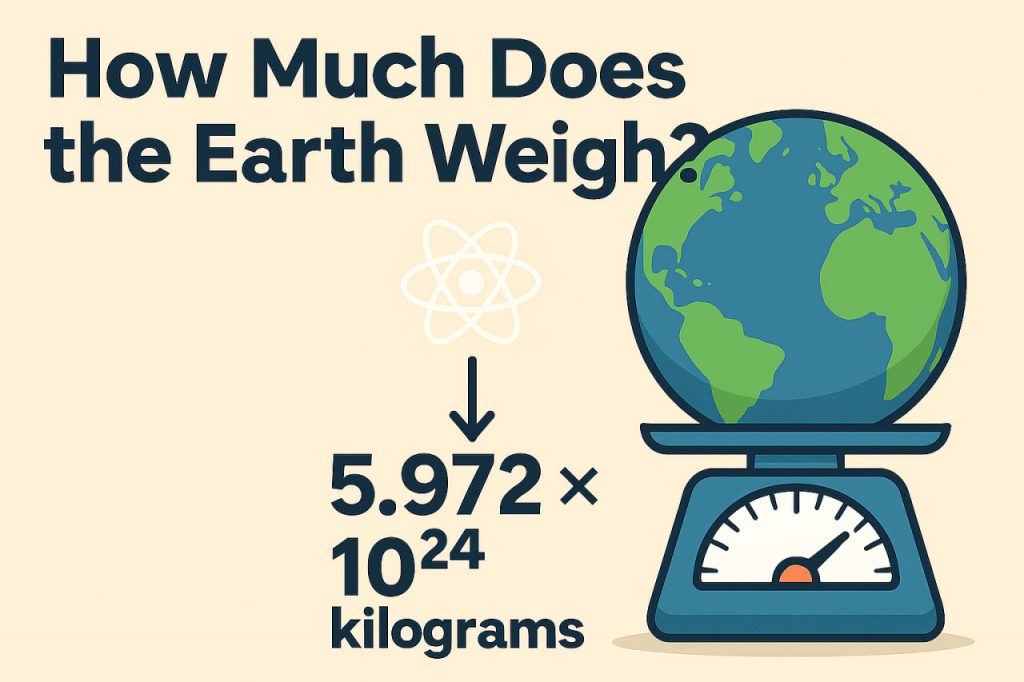
When we ask how much the Earth “weighs,” we’re really asking about its mass. Weight, in physics, depends on gravity and varies depending on where an object is located. Since…
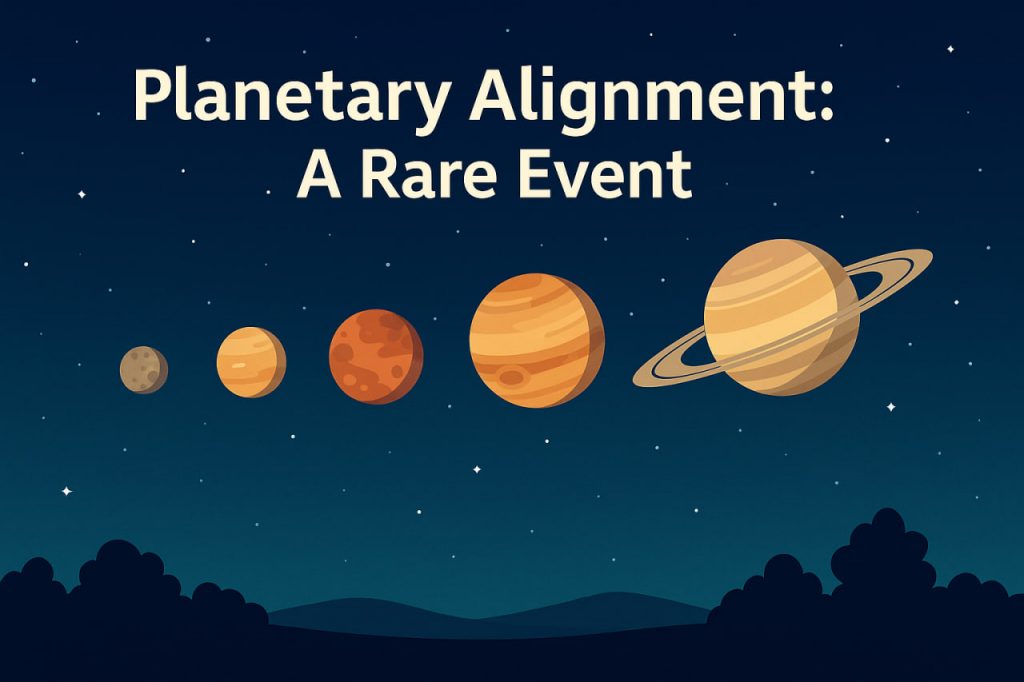
A planetary alignment, often called a "planet parade," occurs when several planets of the solar system appear to line up in the sky from Earth's point of view. While they…