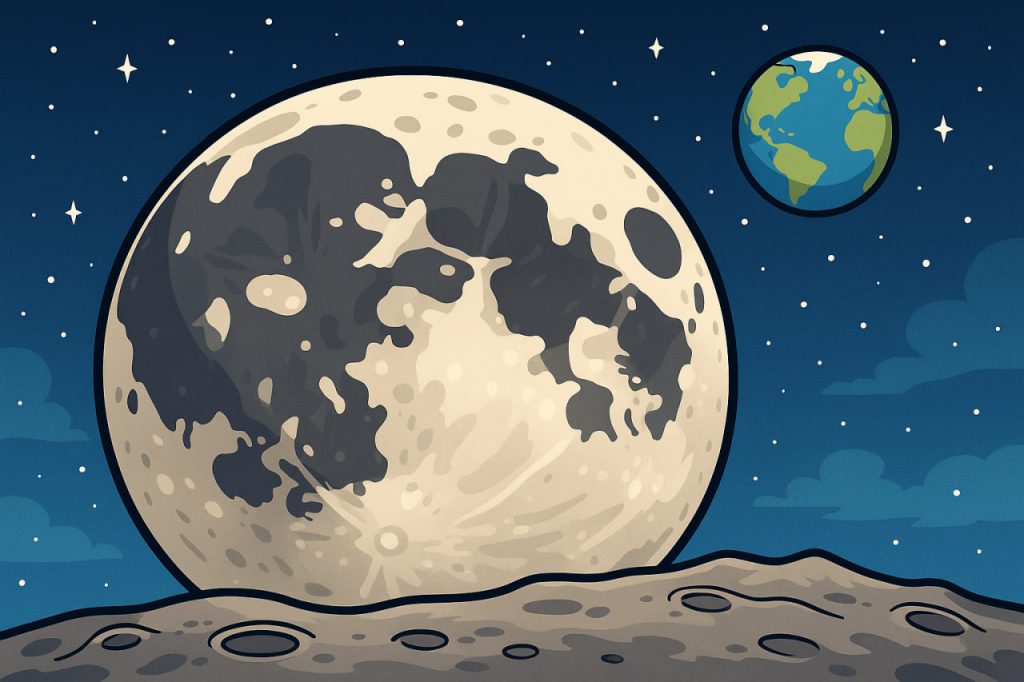
Lunar maria, often called “lunar seas,” are the large, dark plains visible on the surface of the Moon. Despite their name, they are not seas of water but vast areas…
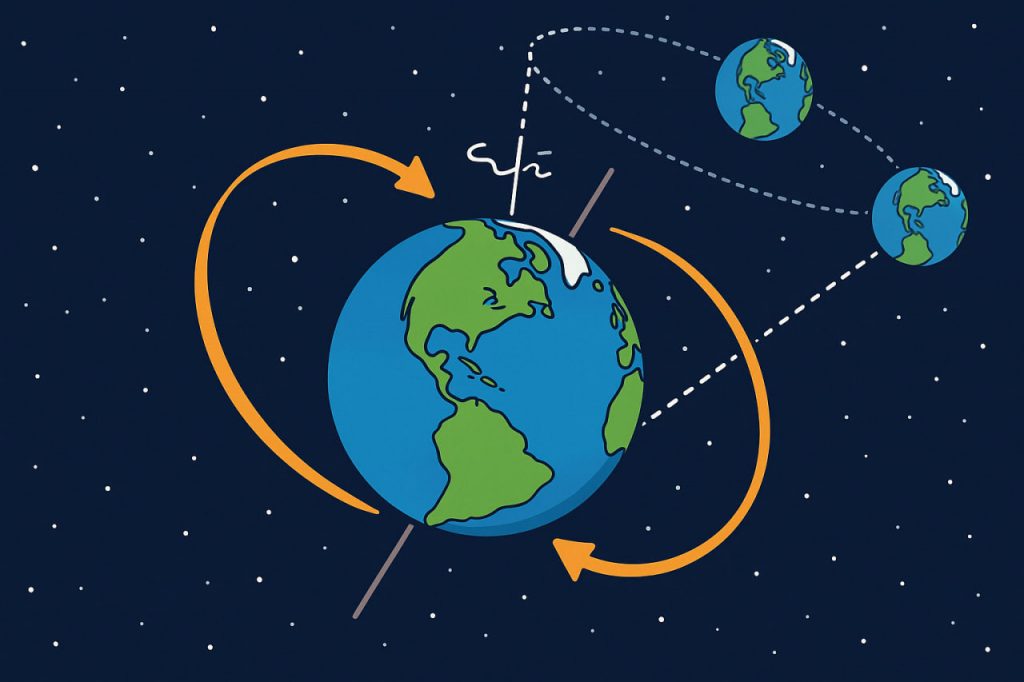
The Earth does not stand perfectly still as it spins; its axis of rotation—the imaginary line running through the North and South Poles—slowly shifts over time. This change in Earth’s…
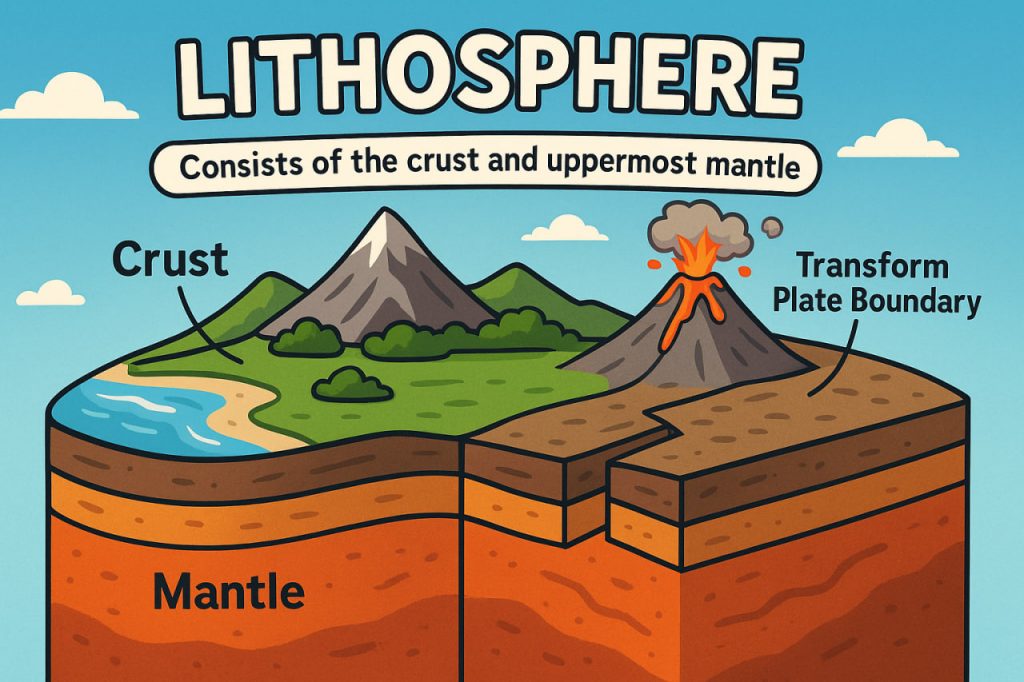
The lithosphere is the rigid outer shell of the Earth, encompassing the crust and the uppermost part of the mantle. It plays a critical role in shaping the planet’s surface,…
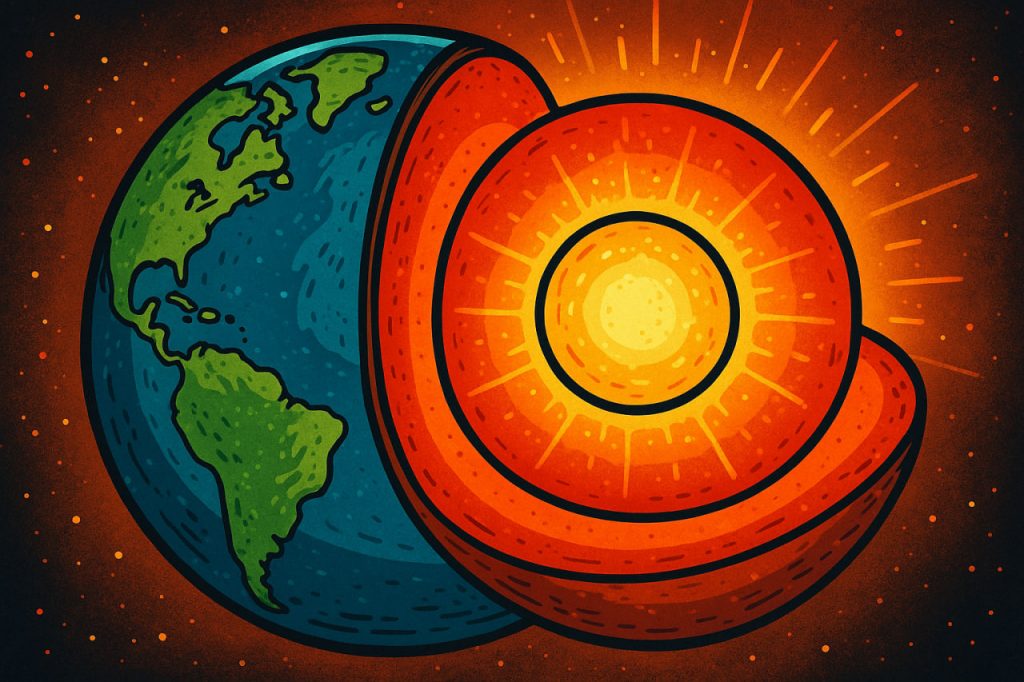
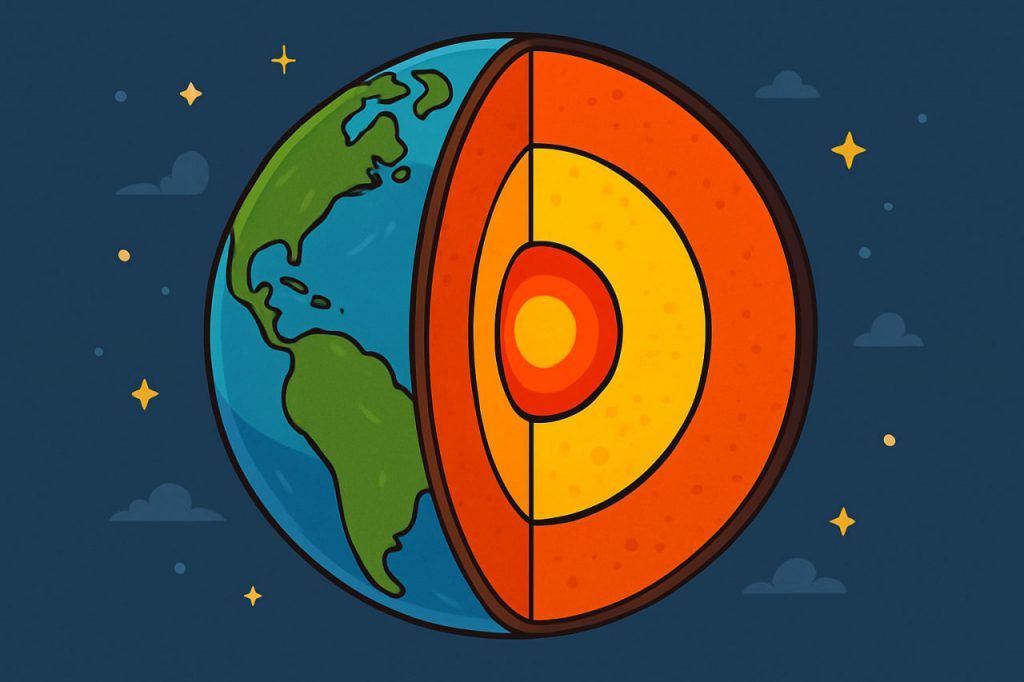
The Earth's core is one of the most fascinating and mysterious parts of our planet. Hidden deep beneath the surface, it plays a crucial role in maintaining Earth's magnetic field,…
The mantle is a massive layer of rock located between the Earth's crust and core. It makes up about 84% of the Earth's total volume and plays a key role…
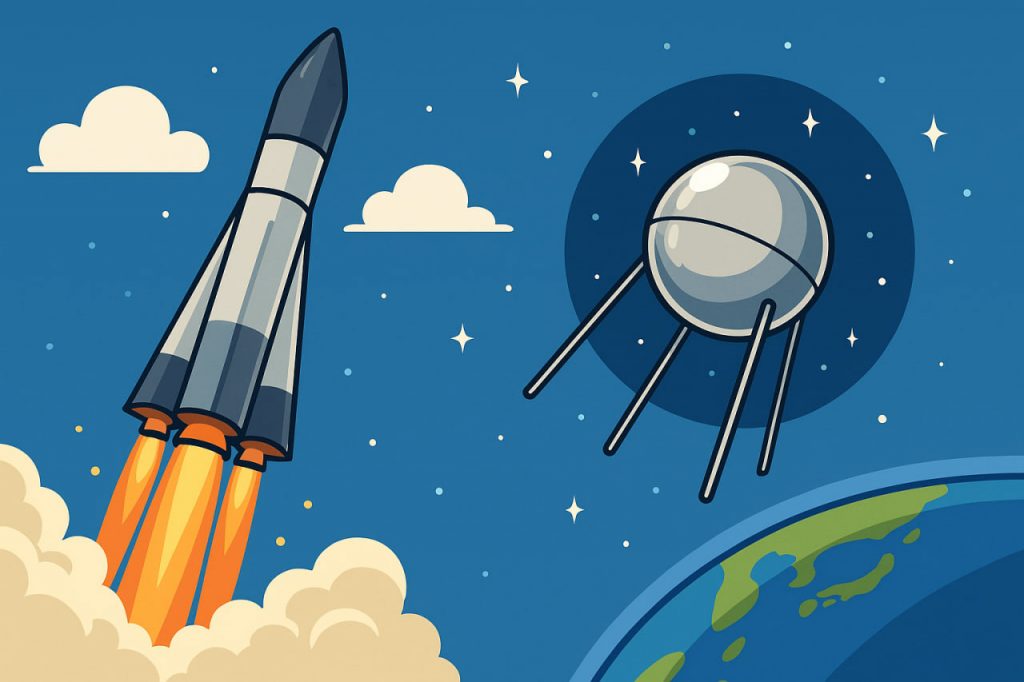
On October 4, 1957, the world changed forever when the Soviet Union launched Sputnik 1, the first artificial satellite to orbit Earth. This moment marked the beginning of the space…
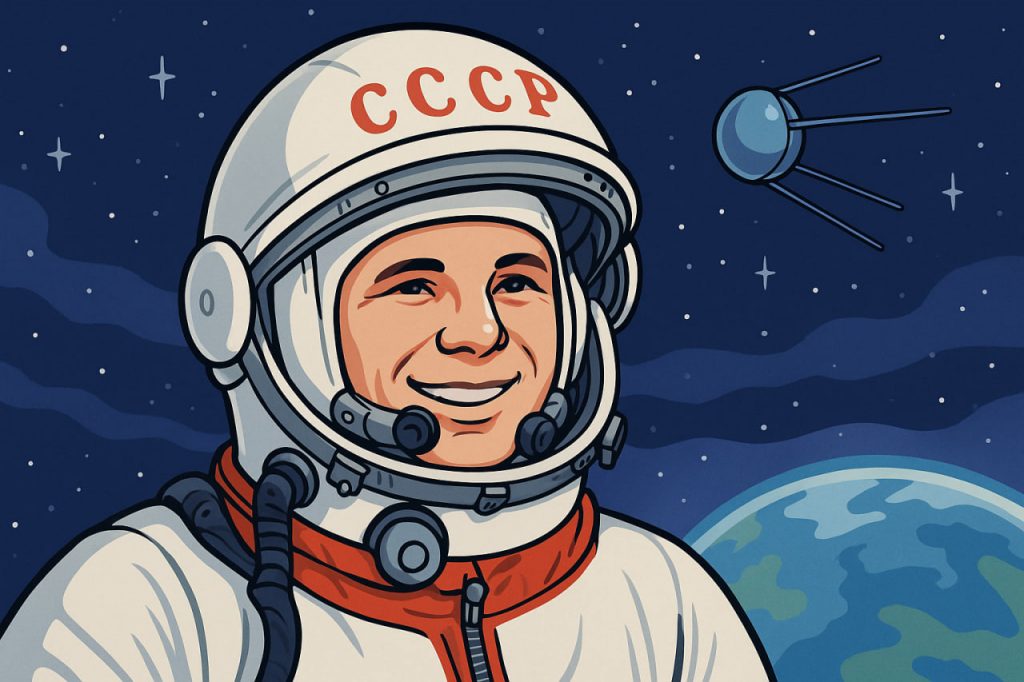
The early 1960s marked a turning point in history: humans began to leave the planet. The first cosmonauts (a term used in the Soviet space program) were not only explorers…
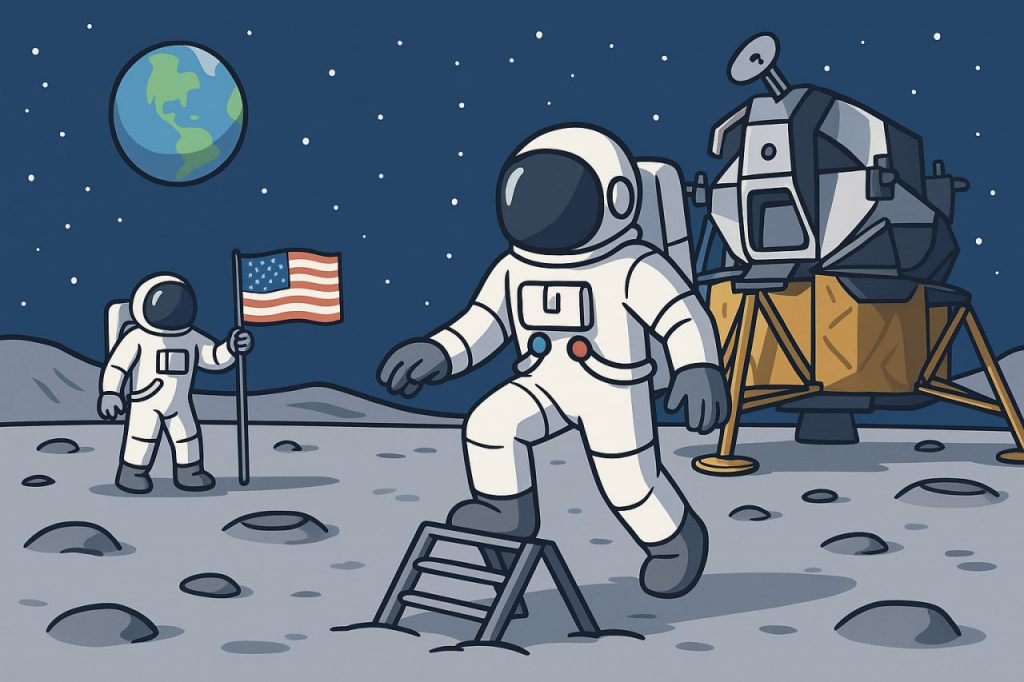
On July 20, 1969, millions of people across the globe watched in awe as Neil Armstrong stepped onto the surface of the Moon, delivering the iconic words: "That's one small…
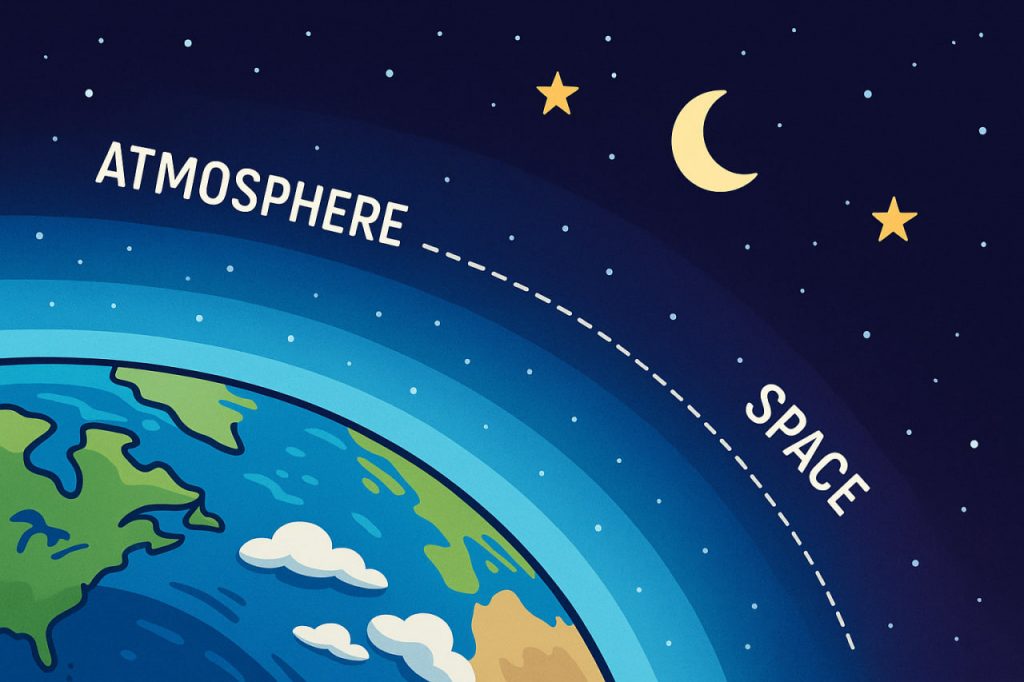
When we look up at the sky, it may seem like space begins just beyond the clouds. But scientifically defining where Earth ends and space begins is far more complex.…
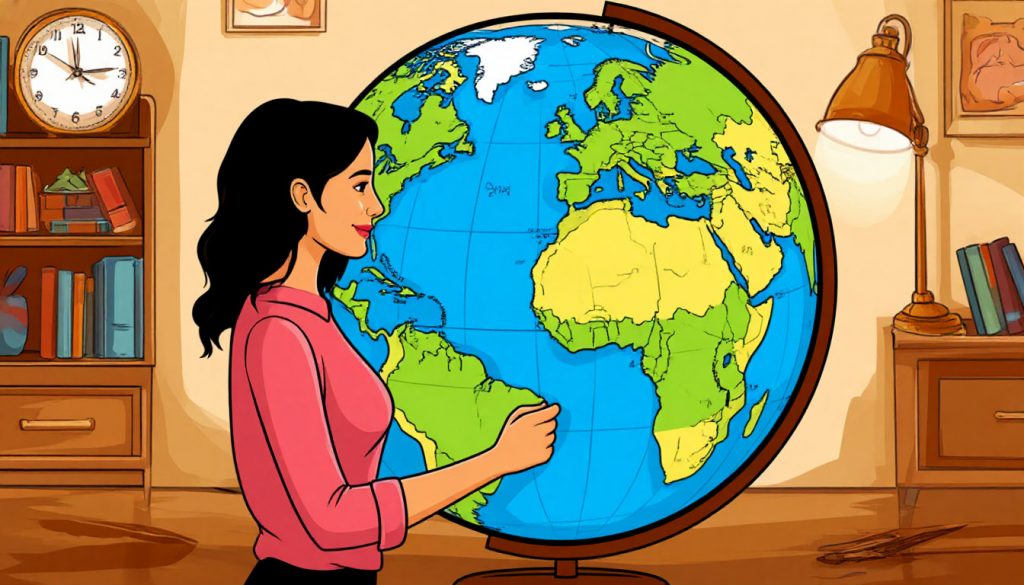
If you could watch Earth from space, you'd see it constantly spinning on its axis — a full rotation every 24 hours. This rotation causes day and night, drives weather…