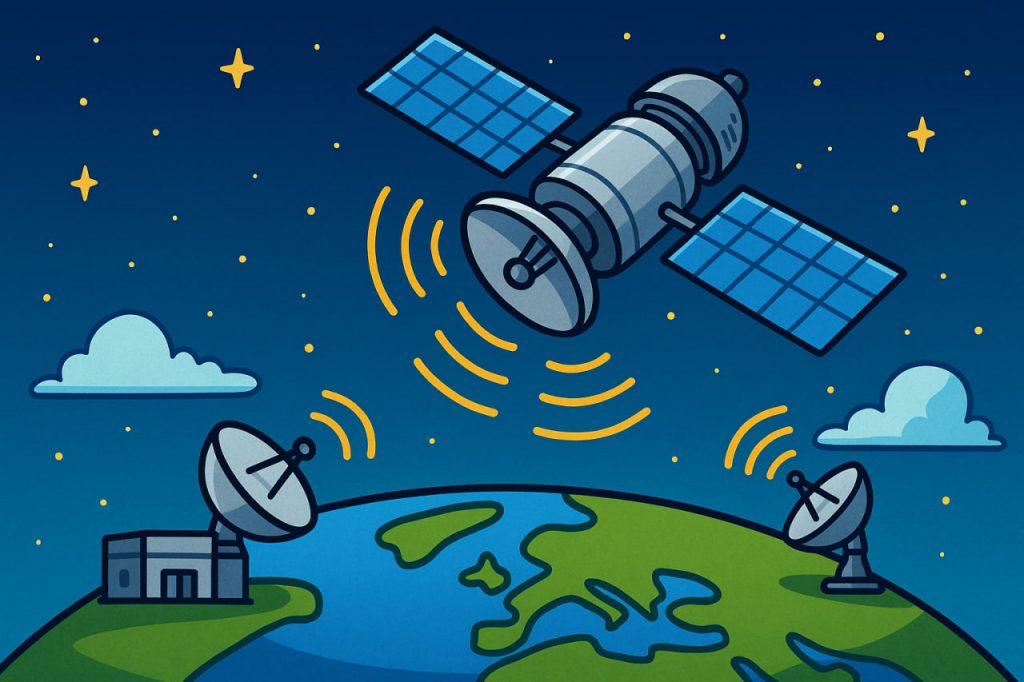
Every time you watch satellite TV, check the weather forecast, or use GPS, you're interacting with signals sent from space. Artificial satellites orbiting Earth play a key role in global…
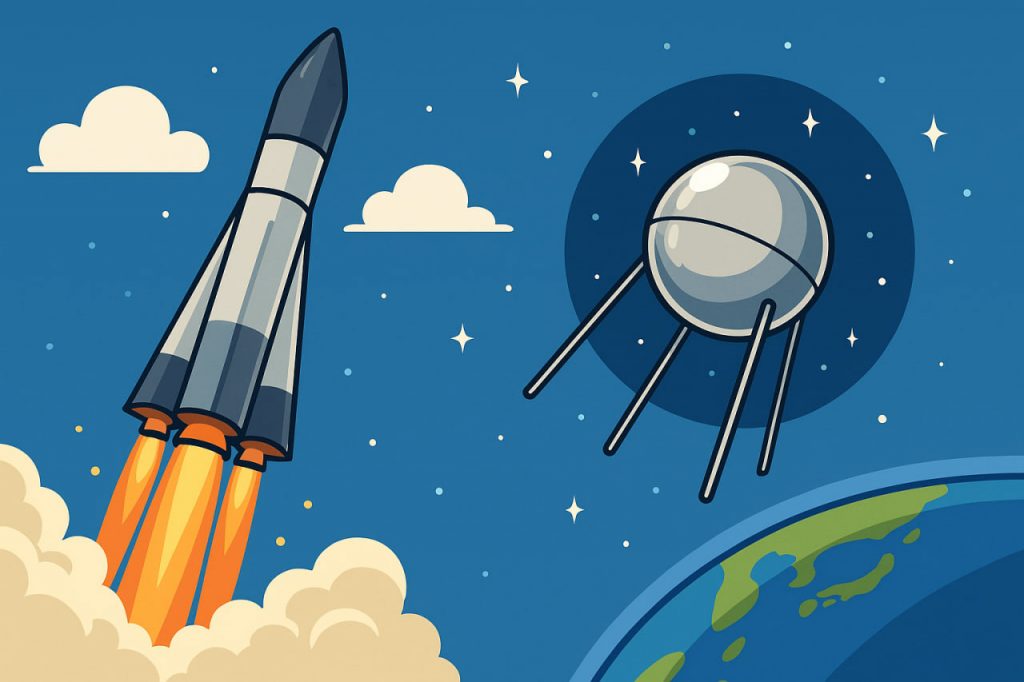
On October 4, 1957, the world changed forever when the Soviet Union launched Sputnik 1, the first artificial satellite to orbit Earth. This moment marked the beginning of the space…
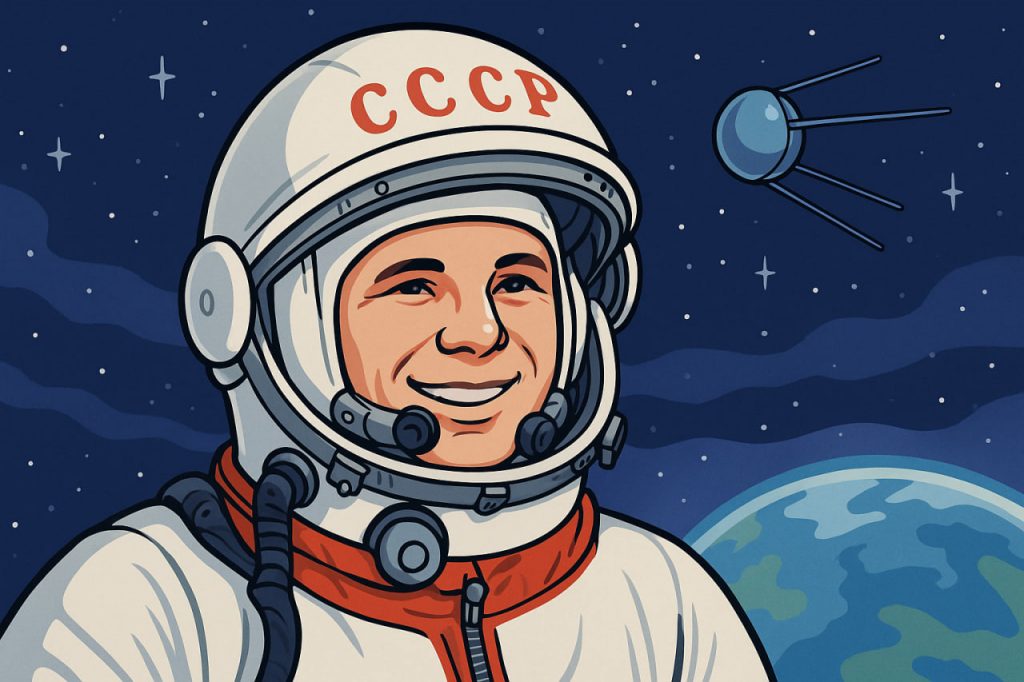
The early 1960s marked a turning point in history: humans began to leave the planet. The first cosmonauts (a term used in the Soviet space program) were not only explorers…
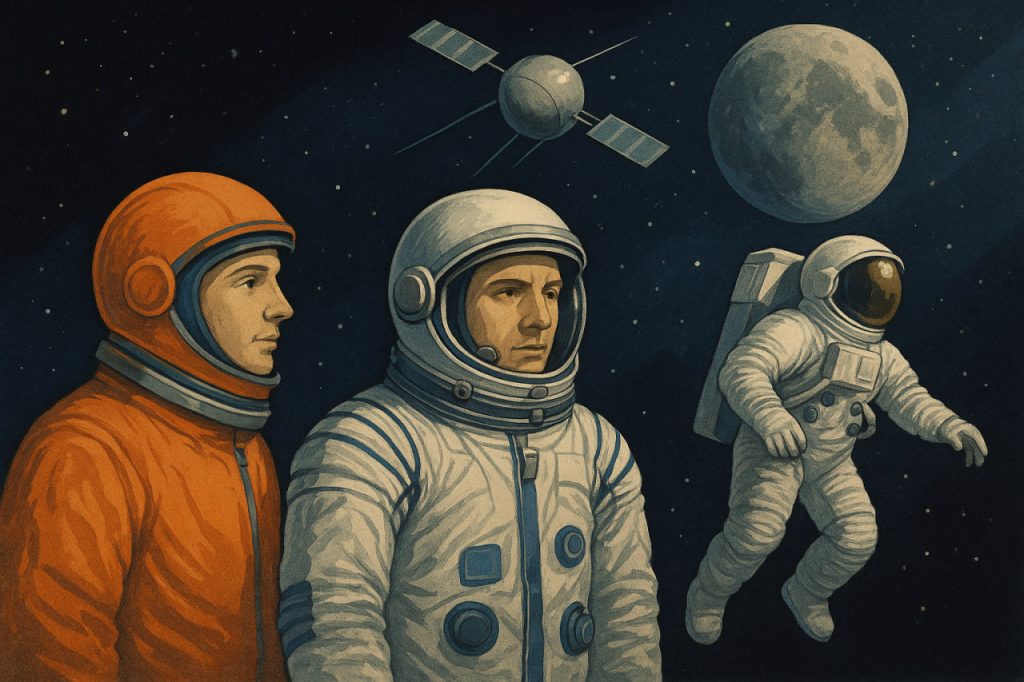
The story of cosmonautics — also known as human spaceflight — is one of the most remarkable chapters in modern history. It began with ideas from science fiction, advanced through…
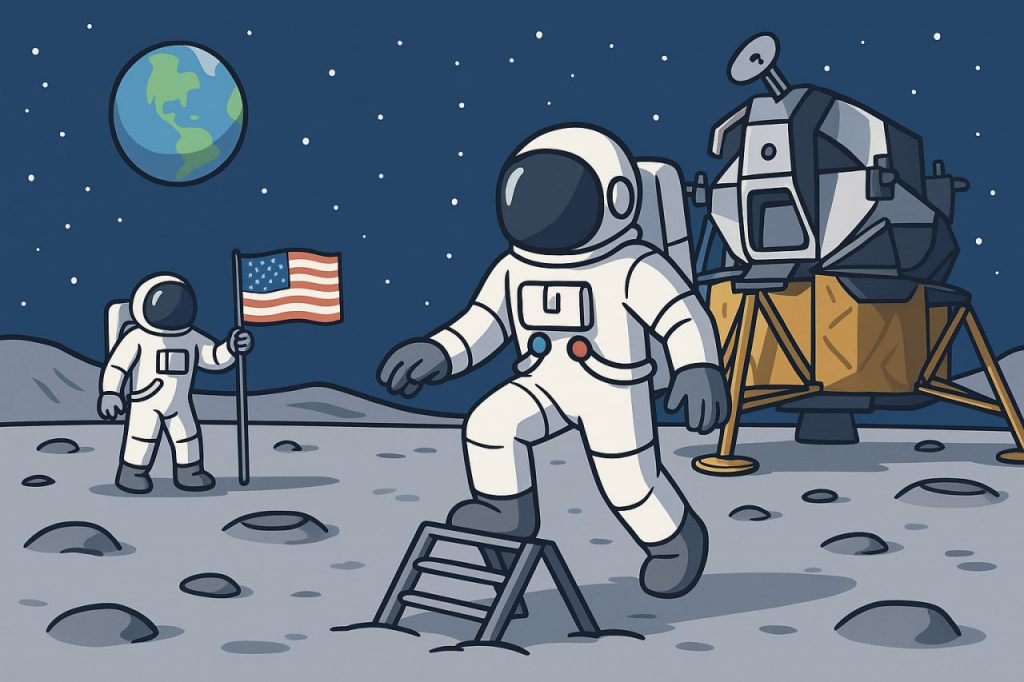
On July 20, 1969, millions of people across the globe watched in awe as Neil Armstrong stepped onto the surface of the Moon, delivering the iconic words: "That's one small…
We are living in a revolutionary era of space technology. Once dominated by government agencies and Cold War politics, modern space activity now includes private companies, global collaboration, robotics, and…
A rocket is a vehicle or device that moves by expelling gas out of a nozzle at high speed, based on Newton’s Third Law of Motion: “For every action, there…
Puzzle encoding is a method of transforming information into a form that resembles a disassembled puzzle, making it difficult to interpret unless properly reconstructed. While not a formal cryptographic standard,…
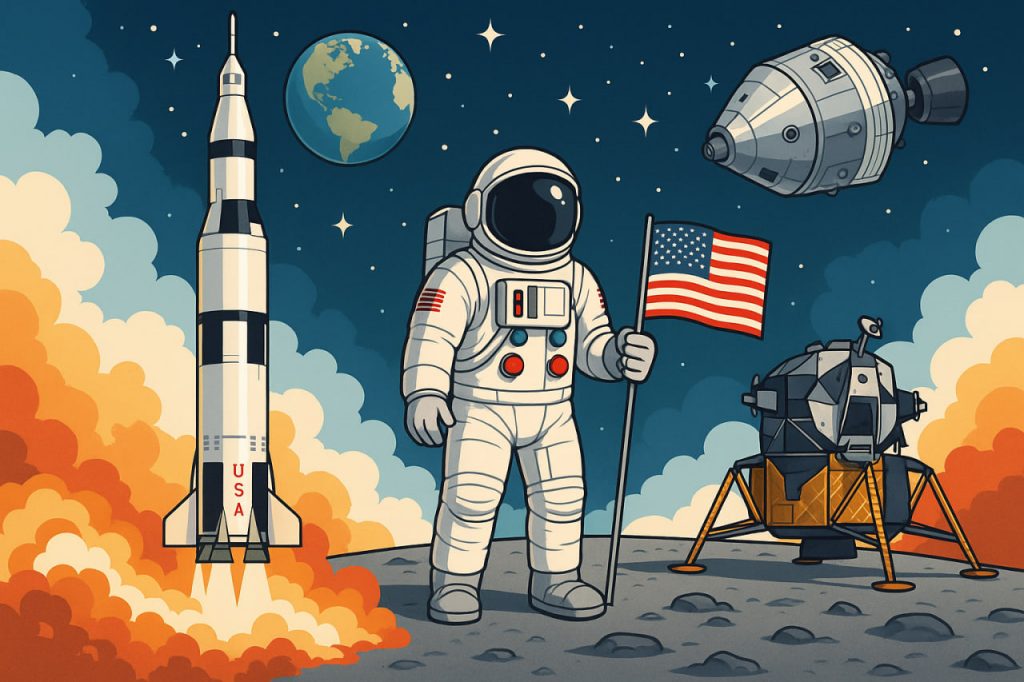
The Apollo program, run by NASA between 1961 and 1972, was one of the most ambitious and historic endeavors in human history. Its goal: to land humans on the Moon…
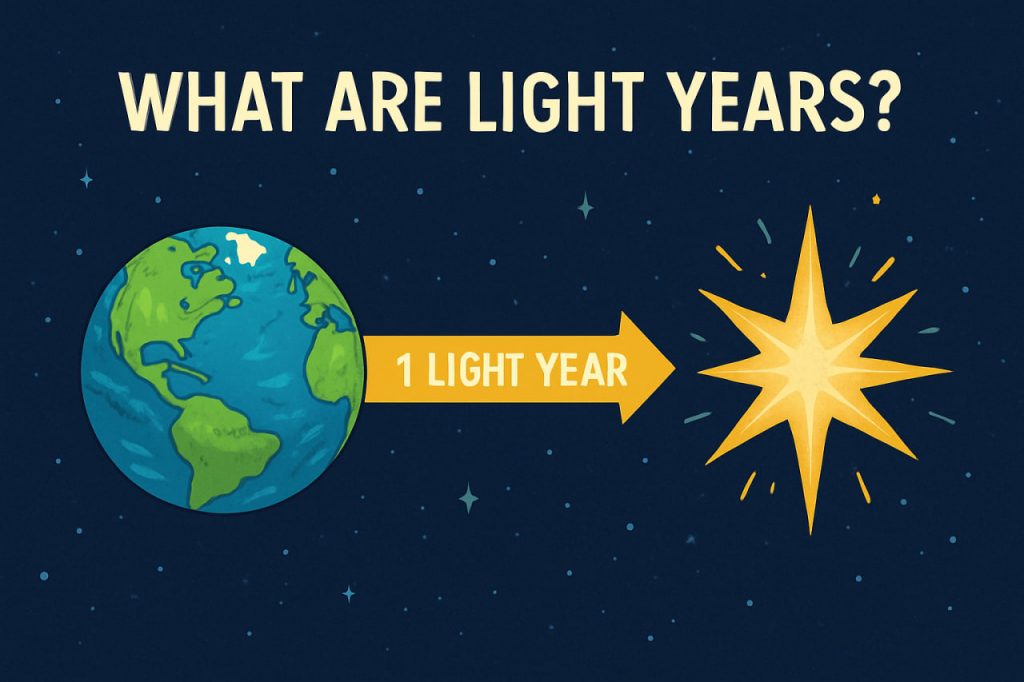
When astronomers talk about stars, galaxies, or other celestial objects, they often use the term "light year" — but it’s not a measure of time. Despite the word “year”, a…