Silver is a chemical element with the symbol Ag and atomic number 47. It is a precious metal known for its bright luster, high conductivity, and antimicrobial properties. Silver has…
Robert Ludvigovich Bartini was born in 1897 in Fiume, then part of the Austro-Hungarian Empire (today Rijeka, Croatia). Coming from a noble Italian family, he showed early interest in engineering…
Nikola Tesla was born on July 10, 1856, in Smiljan, a village in the Austrian Empire (modern-day Croatia). From a young age, Tesla showed remarkable memory and imagination, often visualizing…
Sound is a type of energy created by vibrations that travel through a medium, usually air, water, or solid materials. These vibrations create waves that our ears and brain interpret…
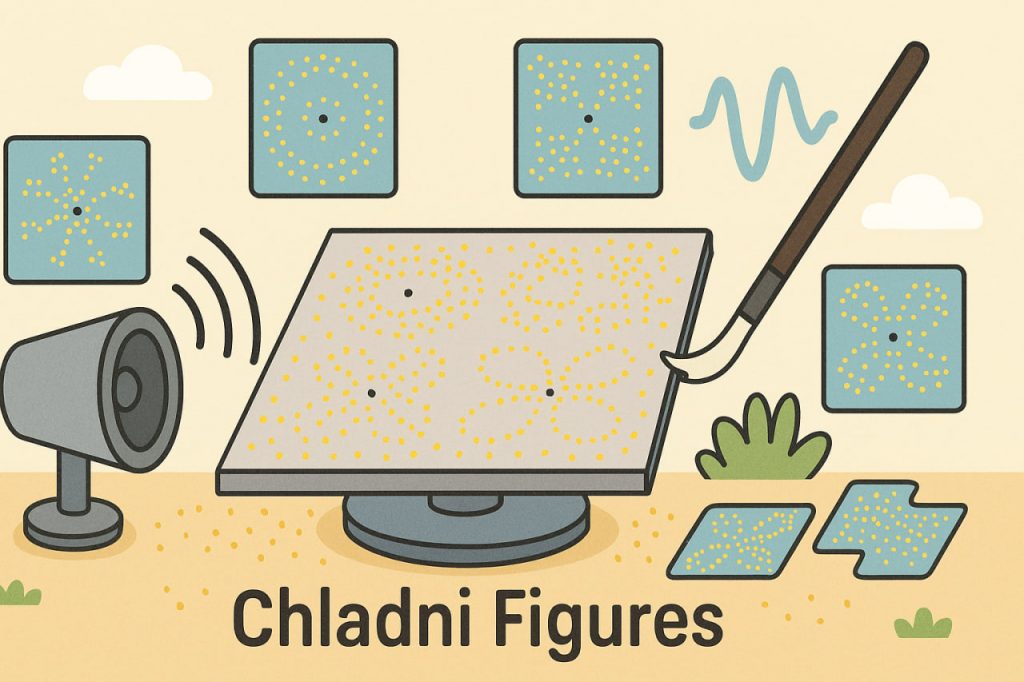
Chladni figures are patterns formed by particles, such as sand or salt, on a vibrating surface like a metal plate. As the plate vibrates at specific frequencies, the particles move…
Echolocation is a biological sonar system used by some animals to navigate and hunt. By producing sounds and listening to the returning echoes, animals can detect objects, measure distances, and…
A closed-cycle nuclear power plant is a type of nuclear facility where the nuclear fuel cycle is designed to reuse materials and minimize waste. Unlike the traditional open cycle, in…
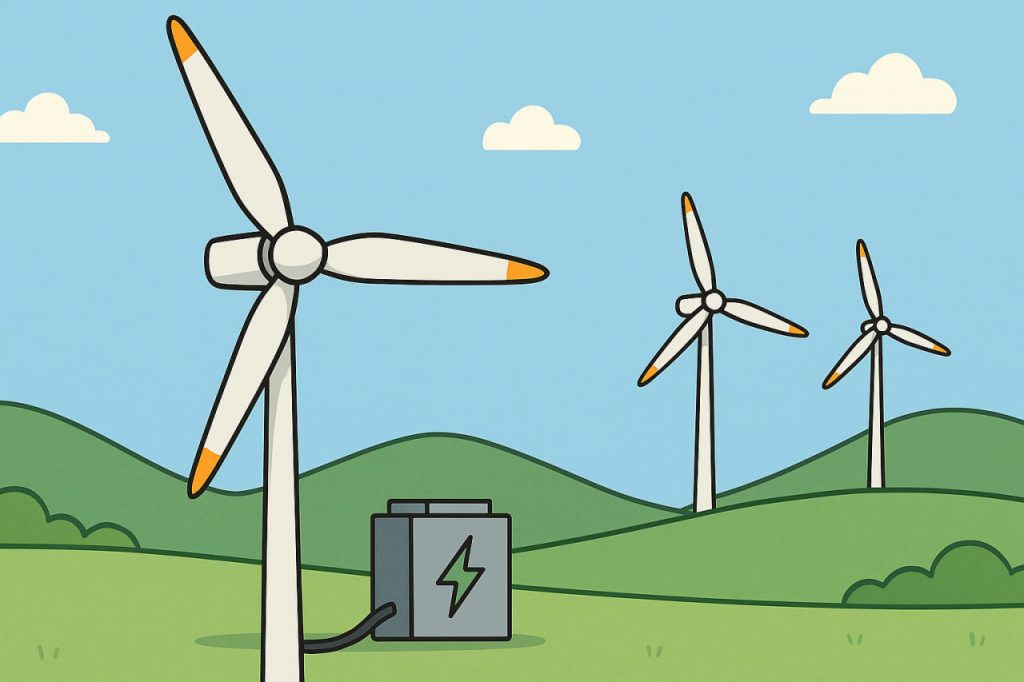
Wind energy is a form of renewable energy that converts the kinetic energy of moving air into usable electricity. It is one of the fastest-growing energy sources in the world,…
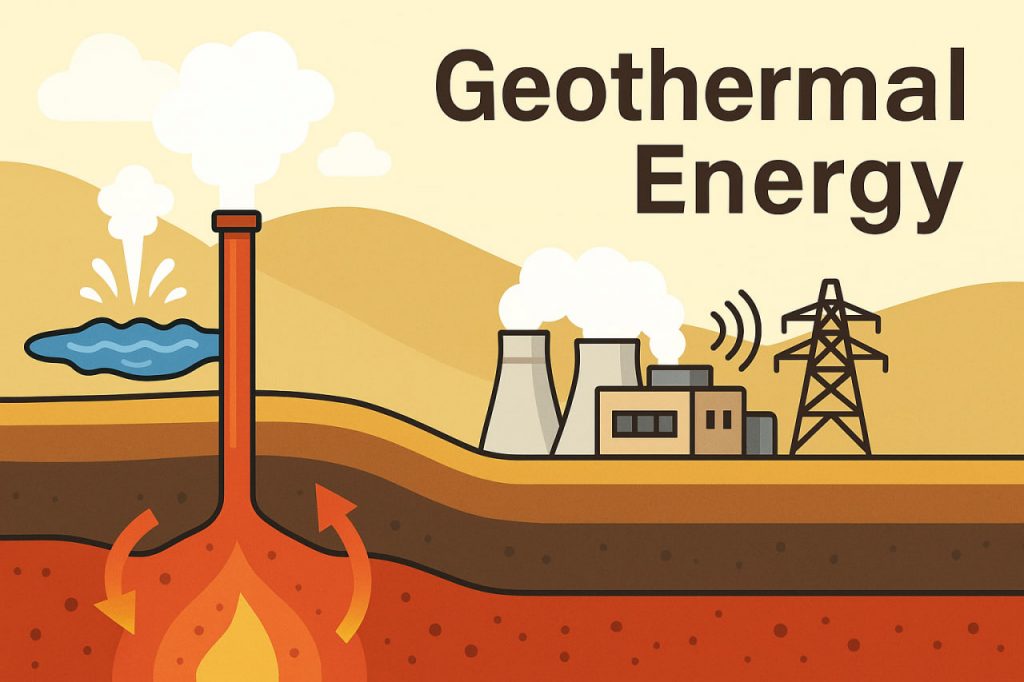
Geothermal energy is a form of renewable energy that harnesses heat stored beneath Earth’s surface. This heat originates from the planet’s formation and the natural radioactive decay of minerals in…
Green energy refers to power produced from renewable, environmentally friendly sources that generate little or no greenhouse gas emissions. Unlike fossil fuels, green energy relies on natural processes such as…