A gas giant is a type of planet that is much larger than Earth and composed mostly of hydrogen and helium, rather than solid rock or metal. These planets do…
Cosmic radiation is a stream of high-energy particles that constantly bombard Earth from space. It consists mainly of protons, electrons, and atomic nuclei traveling at nearly the speed of light.…
The interstellar vacuum is the vast region of space that lies between stars within galaxies. At first glance, it may seem completely empty, but in reality, it contains extremely low-density…
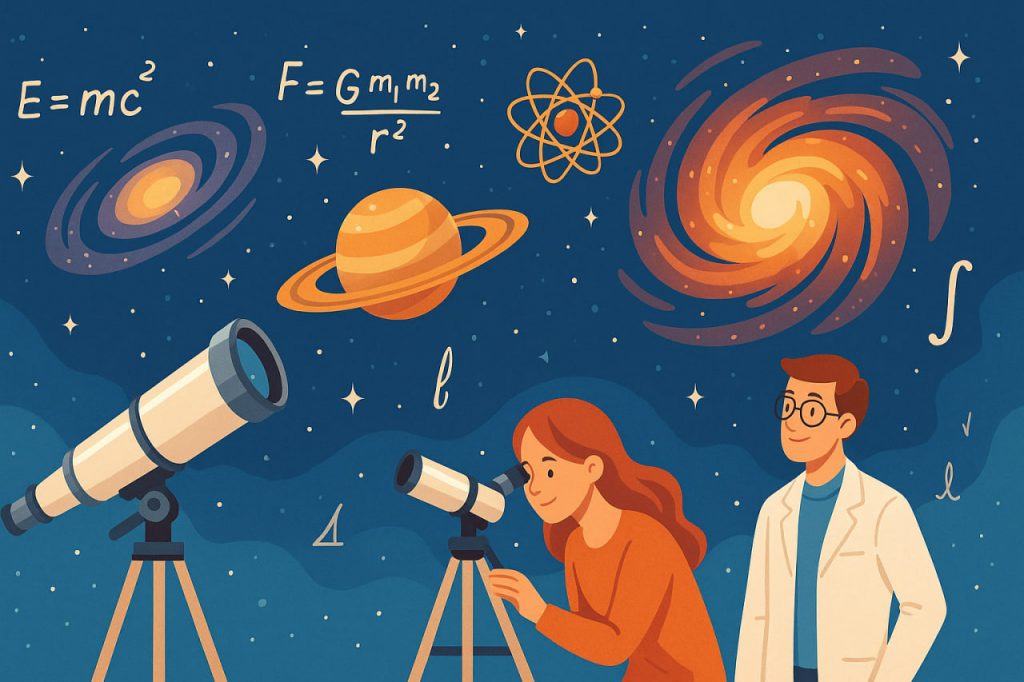
Astrophysics is the branch of astronomy that studies the physical nature of celestial objects and the processes that govern the universe. It combines principles of physics, mathematics, and astronomy to…
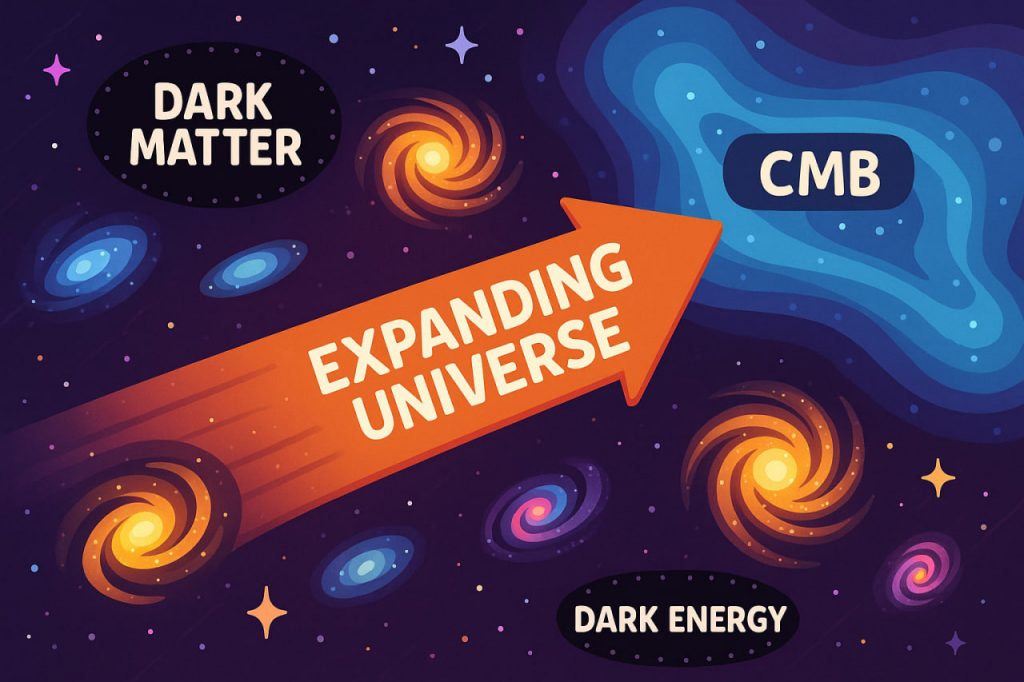
Cosmology is the branch of astronomy that studies the origin, structure, evolution, and ultimate fate of the universe. It seeks to answer some of humanity’s oldest and deepest questions: Where…
Space probes are unmanned spacecraft designed to explore the Solar System and beyond. Unlike satellites that orbit Earth, space probes travel far into space to study planets, moons, comets, asteroids,…
Water covers about 71% of Earth’s surface, making it one of the most defining features of our planet. Yet the question of how Earth acquired so much water remains one…
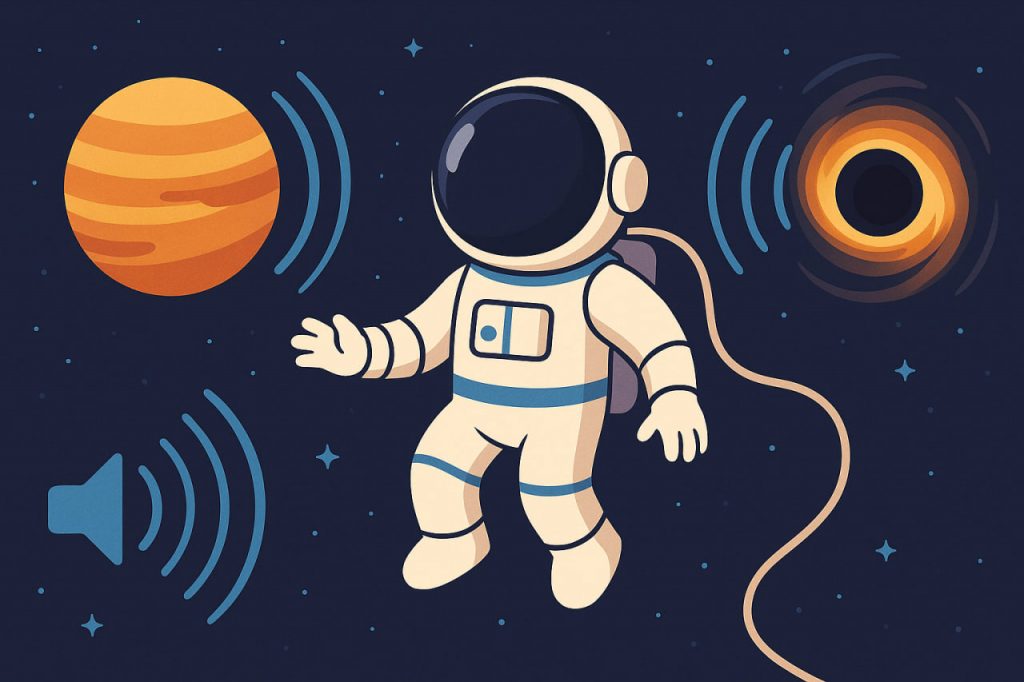
When people imagine space, they often think of rockets roaring or battleships exchanging fire in movies. In reality, however, space is silent — at least in the way humans normally…
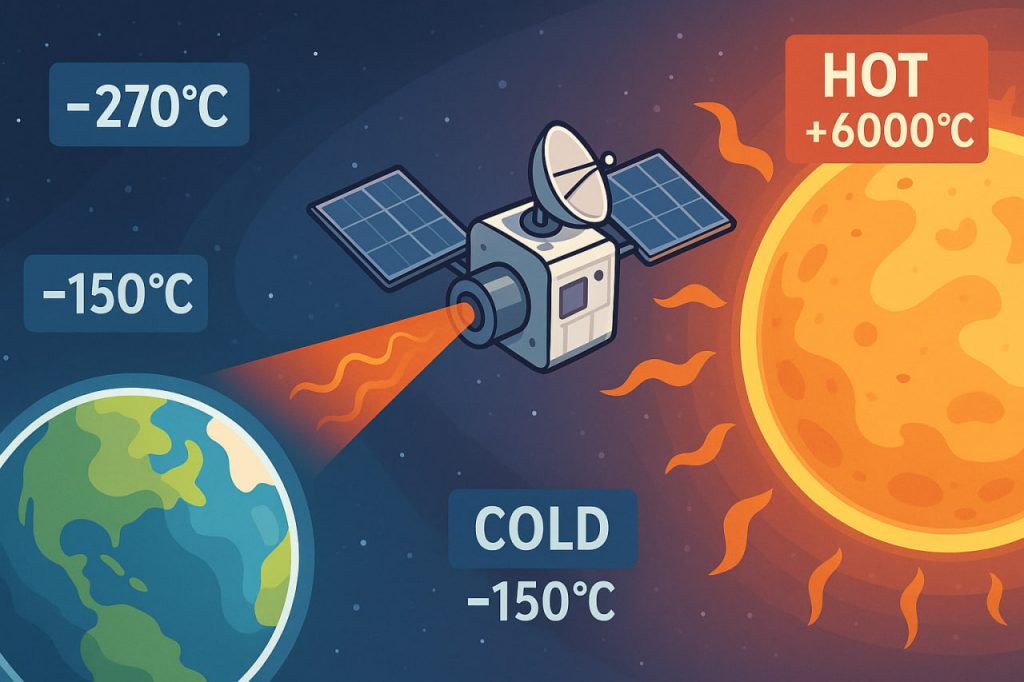
Measuring temperature in space is far more complex than taking a thermometer reading on Earth. In the vacuum of space, there is no air to conduct heat, and objects are…
Solar radiation flares are sudden and intense bursts of energy released from the Sun’s surface. They occur when the Sun’s magnetic fields become unstable and release massive amounts of electromagnetic…