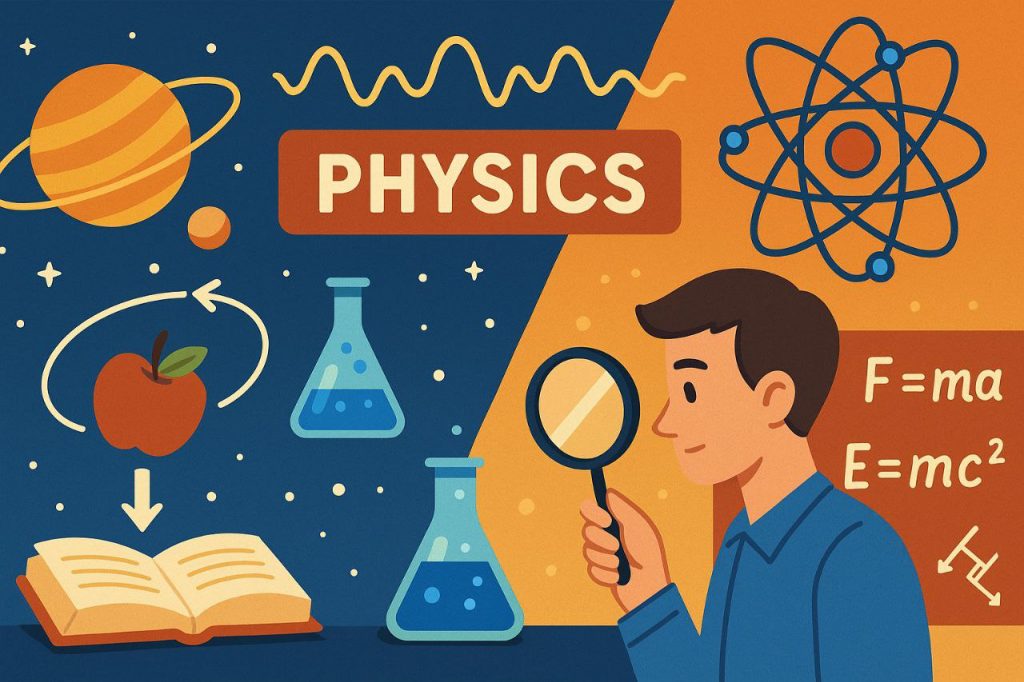
Physics is one of the most fundamental sciences — it seeks to understand how the universe works, from the motion of planets to the vibrations of atoms. Everything around us,…
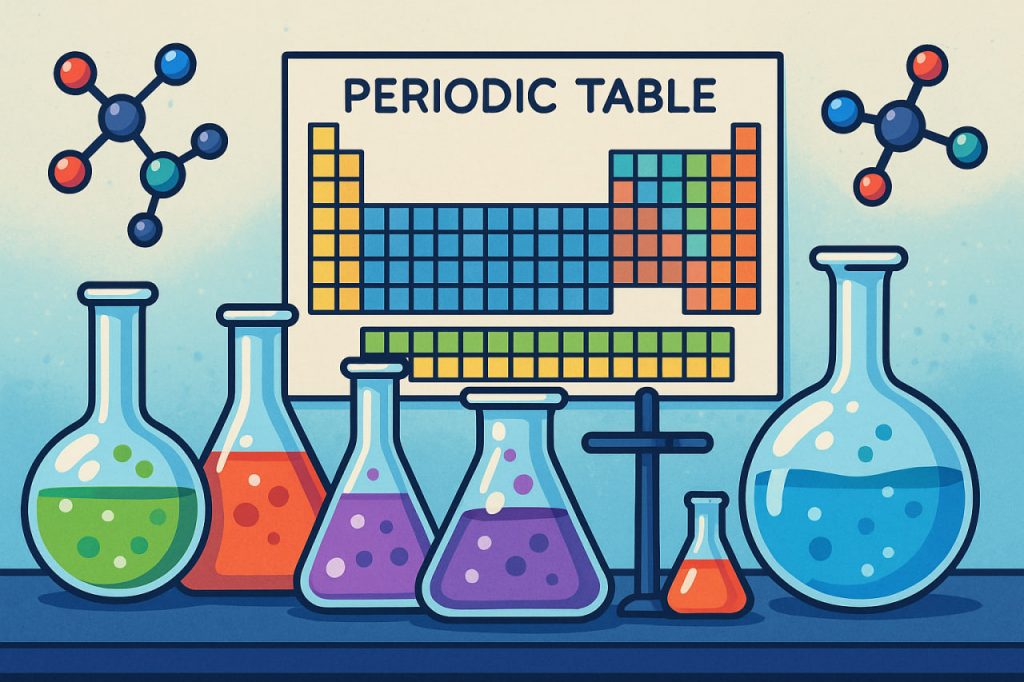
Chemistry is the central science that connects physics, biology, and Earth sciences. It explores how matter is structured, how substances interact, and how new materials are formed. Every breath we…
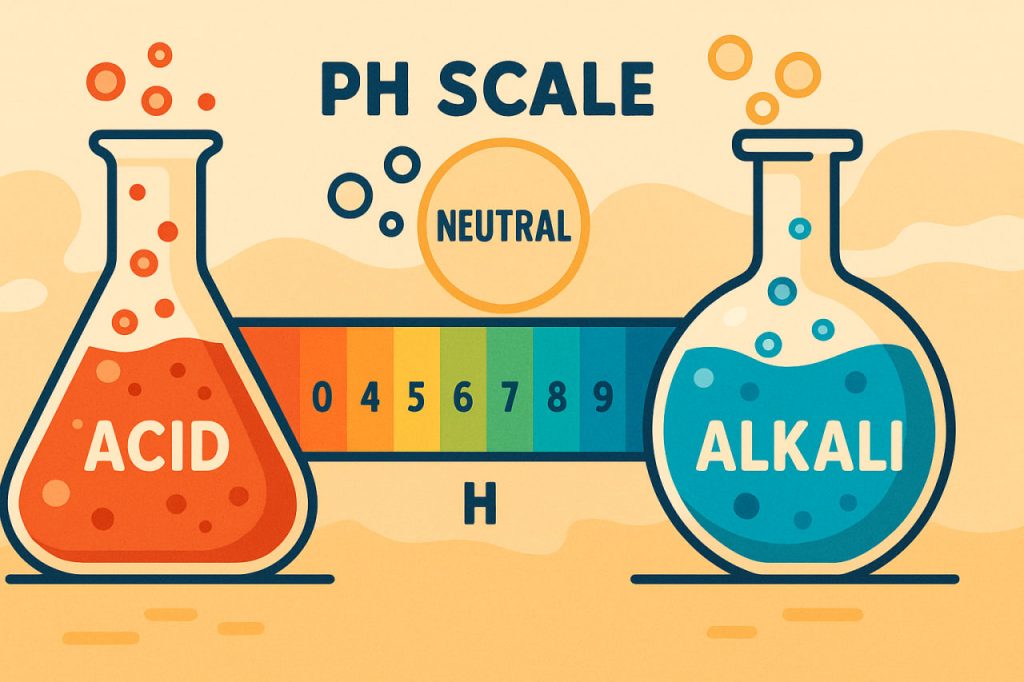
Acids and bases — or alkalis — are fundamental substances that shape the world around us and play a vital role in both nature and human life. From the sour…
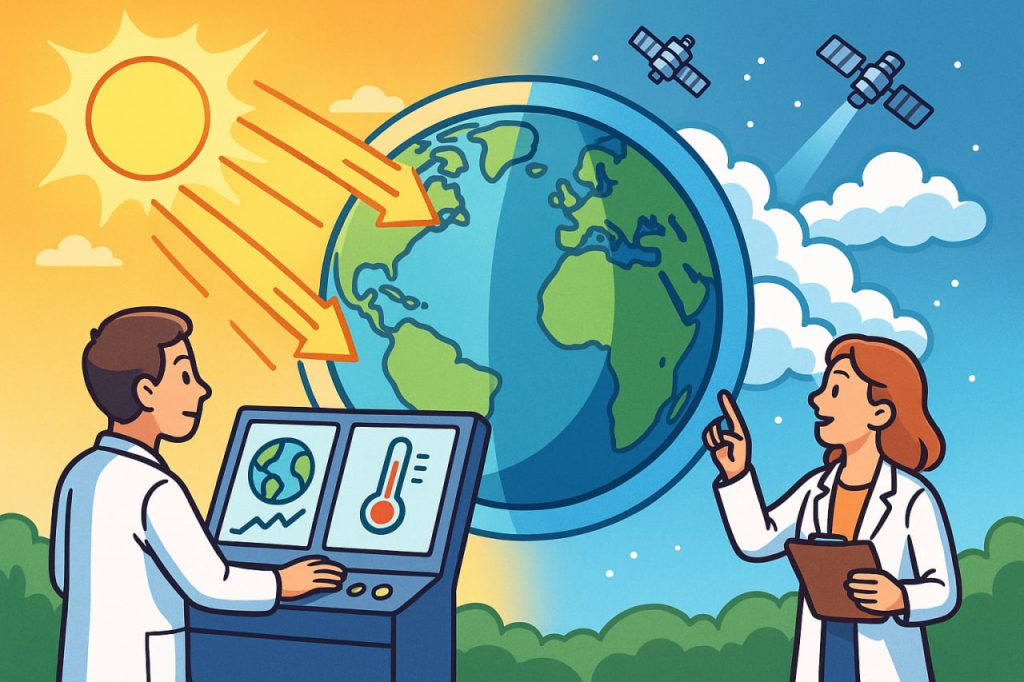
As the world faces accelerating climate change, scientists are exploring extraordinary technologies that might one day allow humanity to actively regulate the planet’s climate. This emerging field, known as geoengineering,…
The term “sandbox” carries a simple yet profound meaning — a space for creativity, exploration, and experimentation. Originally referring to a box filled with sand where children build castles and…
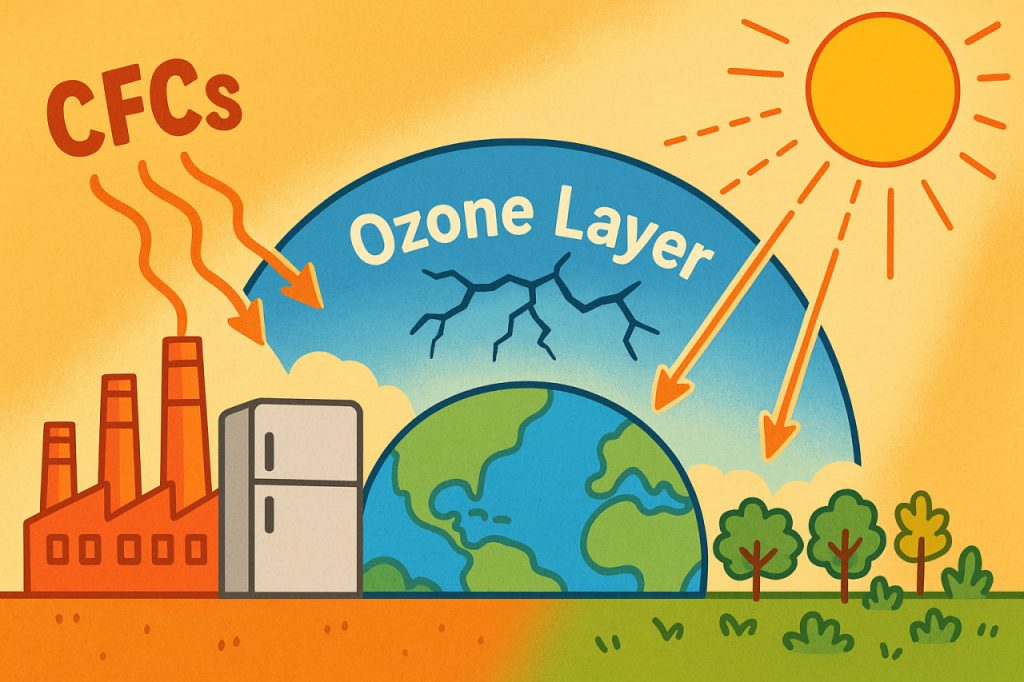
Freons, once considered revolutionary in cooling and industrial technology, later became one of the most serious threats to Earth’s atmosphere. These colorless, odorless gases — also known as chlorofluorocarbons (CFCs)…
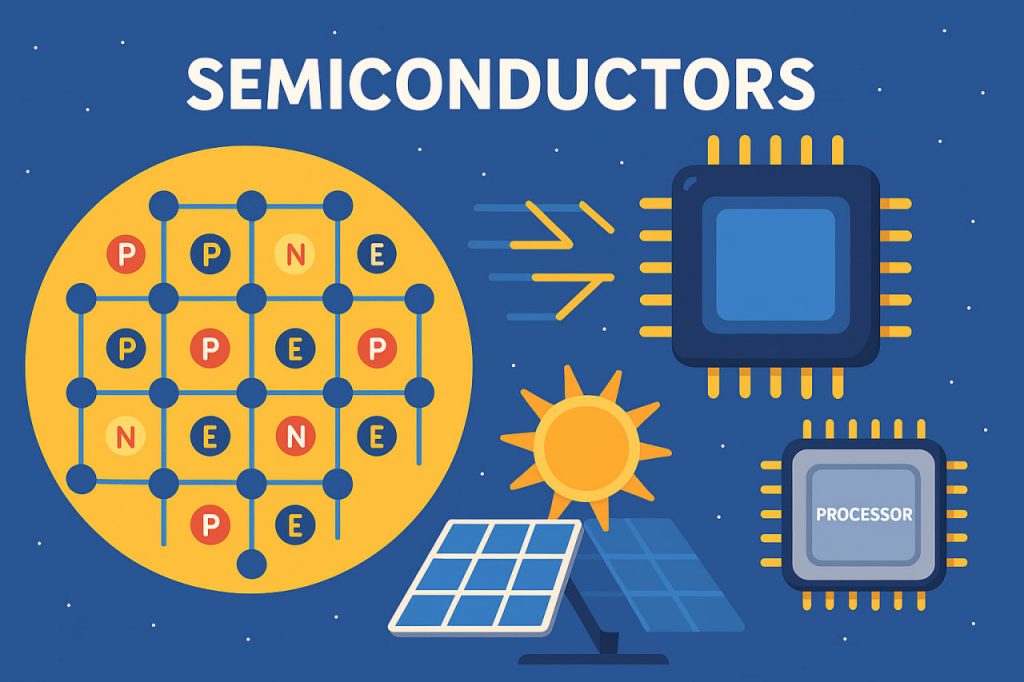
Semiconductors are the foundation of all modern electronics — from smartphones and computers to solar panels and electric cars. They are materials that can act both as conductors and insulators…
Temperature measures how fast atoms and molecules move — the higher the temperature, the faster they vibrate. But what if motion could stop entirely? The point at which all atomic…
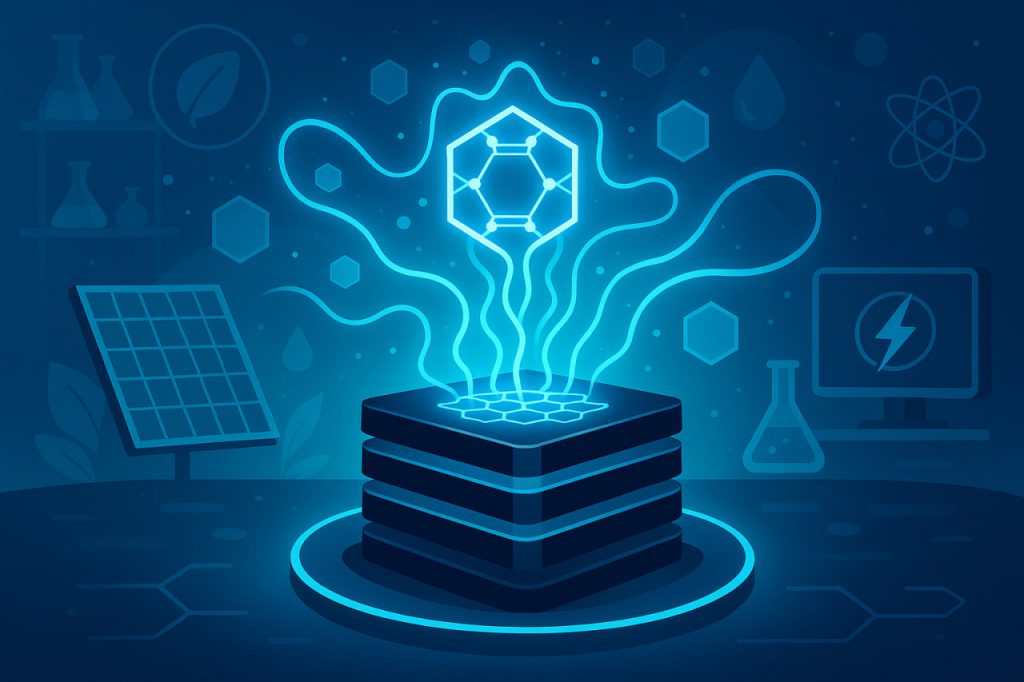
In the constant search for clean and limitless energy, graphene generators have emerged as one of the most exciting breakthroughs in modern physics and nanotechnology. This revolutionary material — only…