The Nobel Prize is one of the most prestigious and globally recognized awards, granted annually to individuals or organizations that have made exceptional contributions to humanity in the fields of…
In the world of nanotechnology, few discoveries have generated as much excitement as quantum dots. These minuscule particles, invisible to the naked eye, are transforming science, electronics, and medicine. Measuring…
Computers have revolutionized every aspect of human life — from scientific discoveries to daily communication. Over the past century, they’ve evolved from massive room-sized machines into sleek devices that fit…
Optical fiber, often called fiber optics, is one of the most remarkable inventions of modern communication. It has transformed the way information travels — allowing data, images, and sound to…
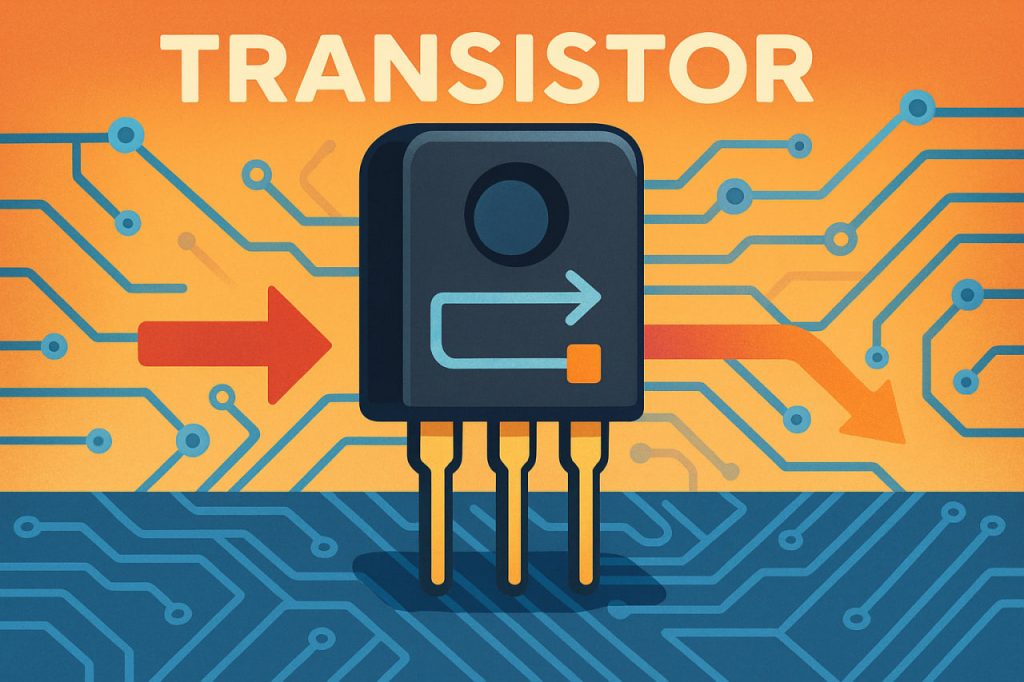
The transistor is one of the most important inventions in human history — a microscopic electronic component that made modern computers, smartphones, and the entire digital world possible. Despite its…
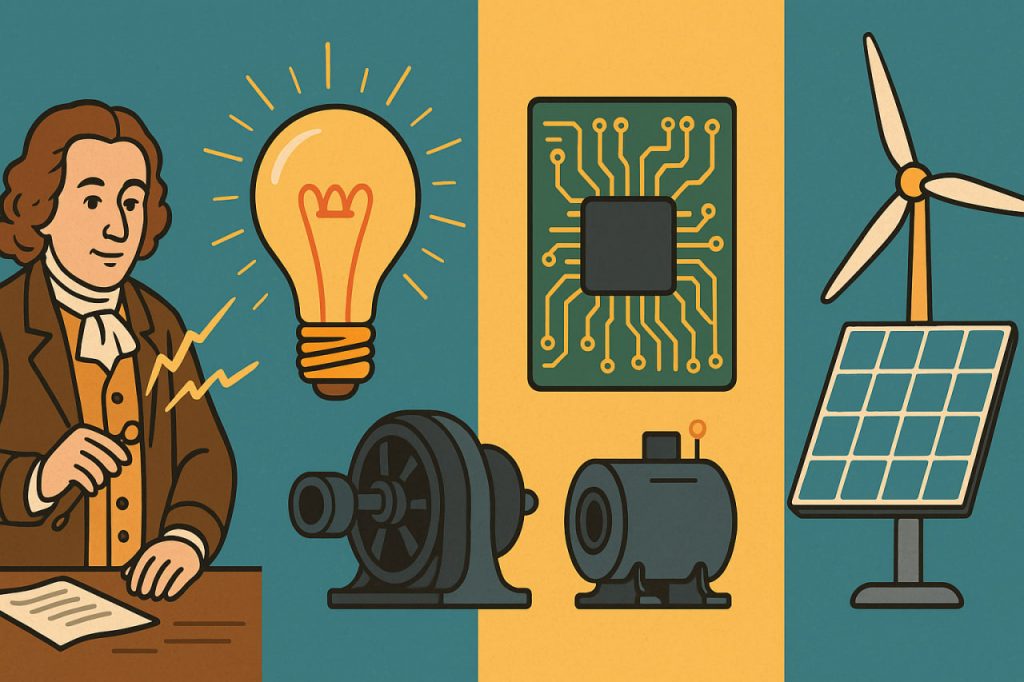
The story of electrical engineering is one of humanity’s greatest achievements — a journey from mysterious sparks of static electricity to the intelligent systems that power our modern world. This…
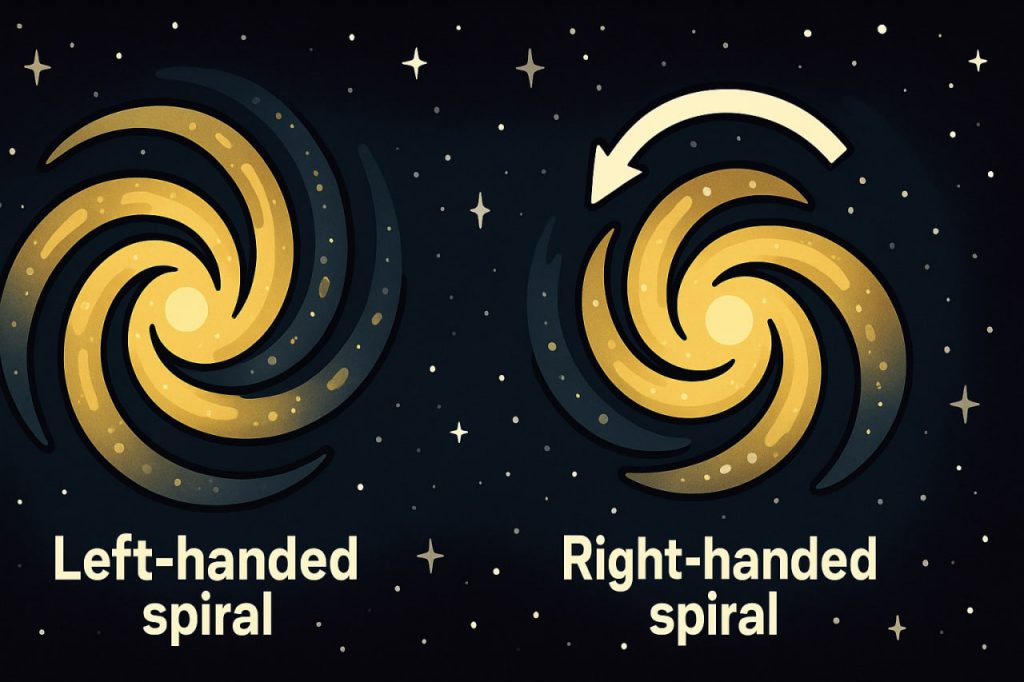
The motion of objects in the universe is a subject that fascinates astronomers and physicists. Many people notice spiral shapes in galaxies, hurricanes, or even water vortices and wonder if…
Photosynthesis is a biological process by which plants, algae, and some bacteria convert light energy from the Sun into chemical energy stored in sugars. It is the foundation of nearly…
The Dzhanibekov Effect describes how a rotating body flips when spinning around its intermediate axis of inertia. While this is easily seen with small objects in space, Earth is an…
The Dzhanibekov Effect, also called the tennis racket theorem, is a physical phenomenon observed when an object rotates in space around its intermediate axis of inertia. Physics Behind the Effect…