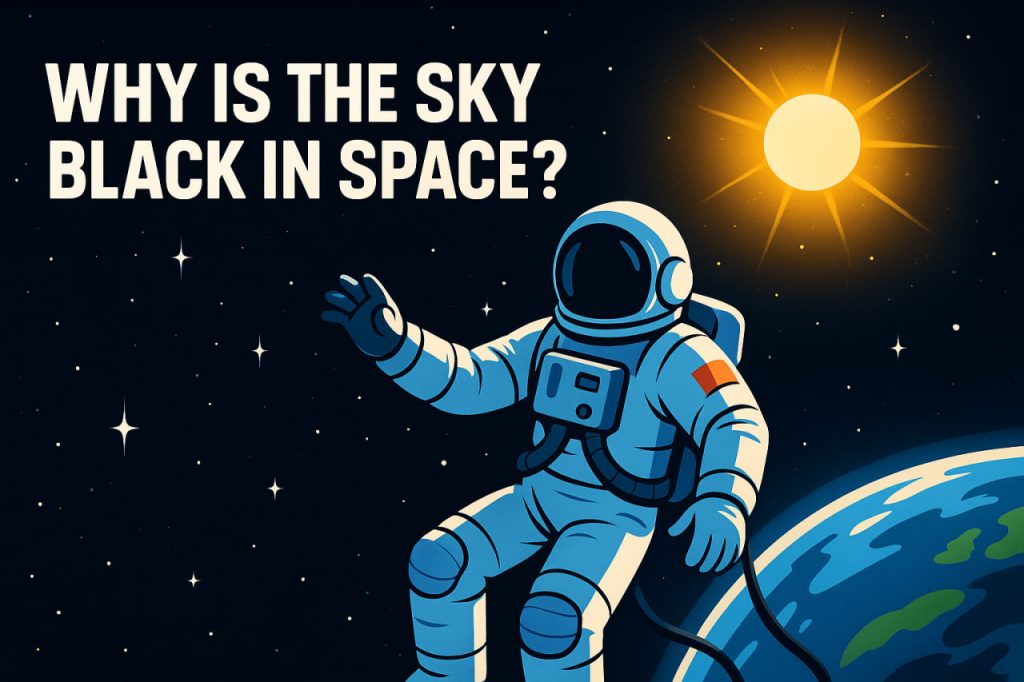
When astronauts look out into space, they see a black sky, even though the Sun is shining brightly. This might seem strange because on Earth, the daytime sky is blue.…
The question of whether life exists beyond Earth is one of humanity’s greatest mysteries. Scientists approach this search using a combination of astronomy, biology, and advanced technology. While no evidence…
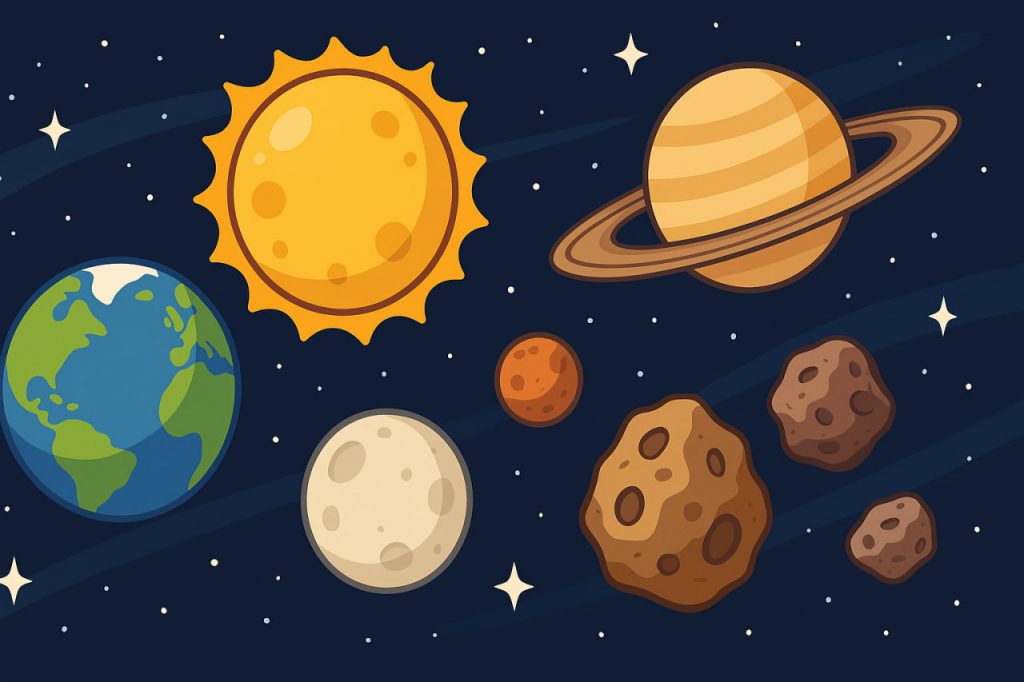
When we observe planets, stars, and many moons, one thing stands out—they are mostly round. Unlike small asteroids or comets that often have irregular shapes, larger celestial bodies take on…
Glass is one of the most versatile and widely used materials in human history. From windows and bottles to fiber optics and laboratory equipment, glass plays an essential role in…
Silver is one of the most important precious metals in human history, valued for its beauty, rarity, and wide range of uses. Unlike some other metals, silver combines cultural significance…
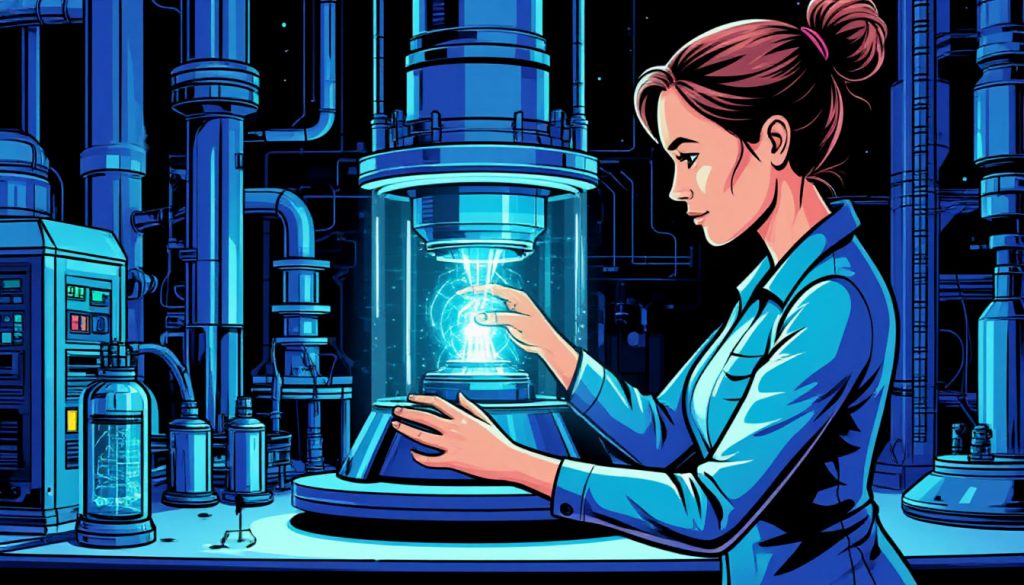
Plasma is often called the fourth state of matter, alongside solid, liquid, and gas. It is a highly energetic state in which atoms are stripped of some or all of…
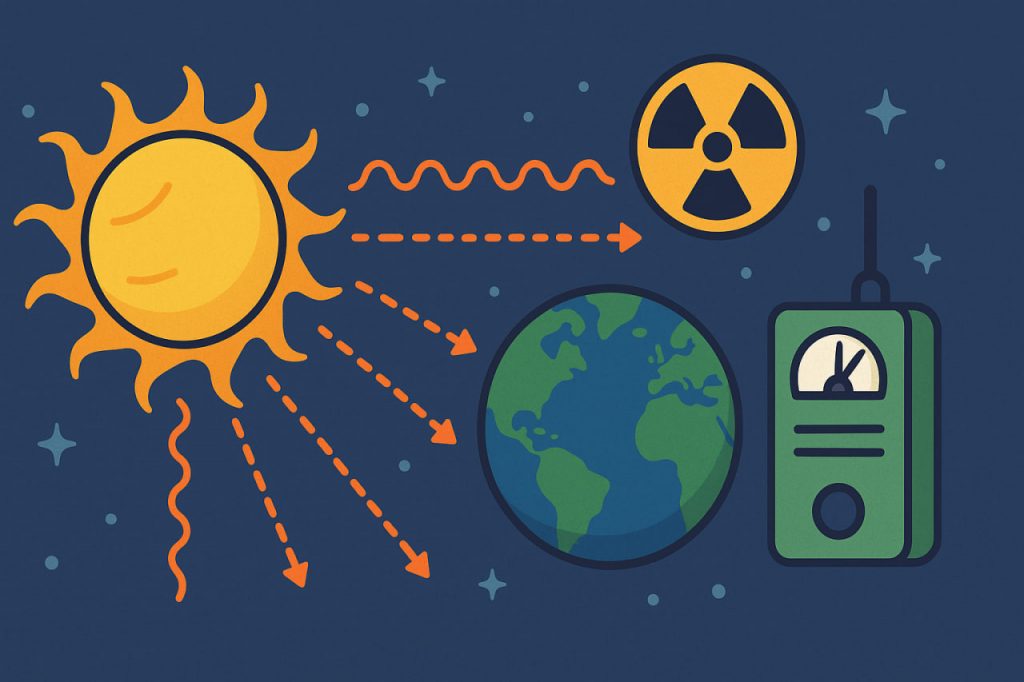
Radiation is the process by which energy travels through space or a medium in the form of waves or particles. It is a fundamental part of nature, present everywhere—from sunlight…
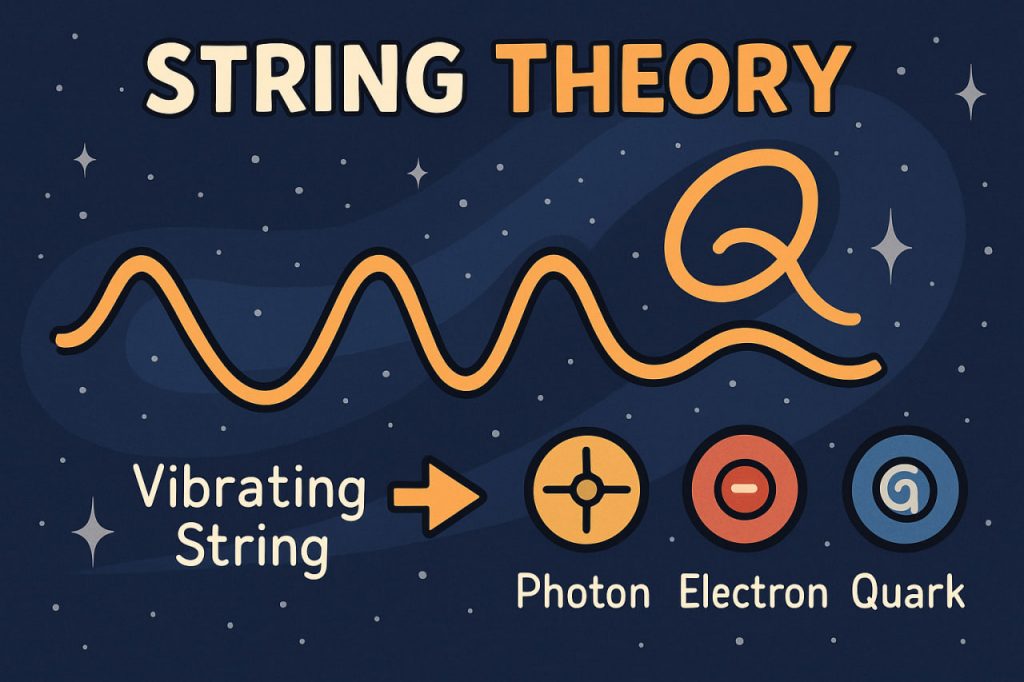
String theory is a theoretical framework in physics that attempts to explain all fundamental forces and particles as vibrations of tiny, one-dimensional objects called strings. Instead of viewing particles like…
The idea of stopping time has fascinated humanity for centuries. From myths and literature to science fiction, many stories explore what it would mean if time could come to a…
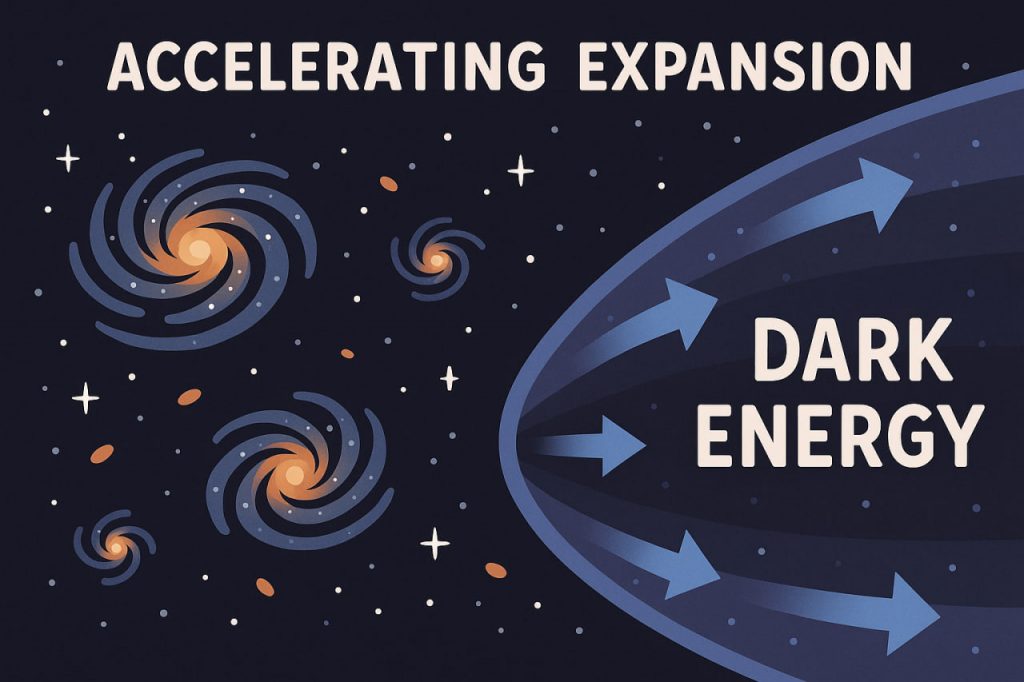
Dark energy is one of the most mysterious concepts in modern cosmology. It refers to an unknown form of energy that is thought to make up about 70% of the…