
Gold: The Metal of Wealth, Power, and Timeless Value
Gold is a soft, yellow metal known for its shine, rarity, and resistance to corrosion. Chemically, it’s an element with the symbol Au (from the Latin word aurum) and atomic number 79.
Useful articles about our universe and science

Gold is a soft, yellow metal known for its shine, rarity, and resistance to corrosion. Chemically, it’s an element with the symbol Au (from the Latin word aurum) and atomic number 79.
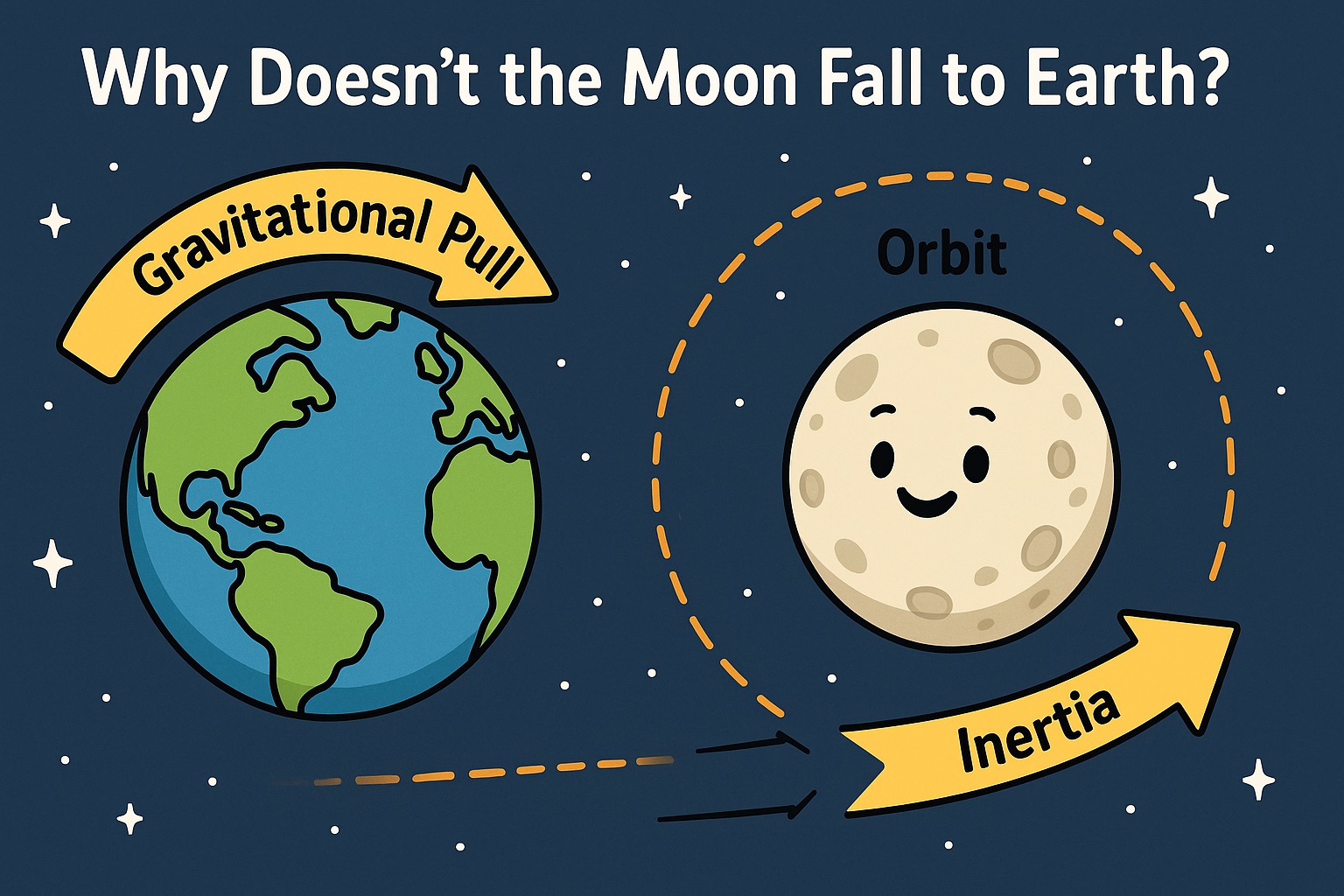
At first glance, it might seem logical to assume that the Moon should eventually fall to Earth due to gravity. After all, gravity pulls objects toward each other—and the Earth is massive.

The Moon is Earth’s only natural satellite, orbiting our planet at an average distance of about 384,400 kilometers.
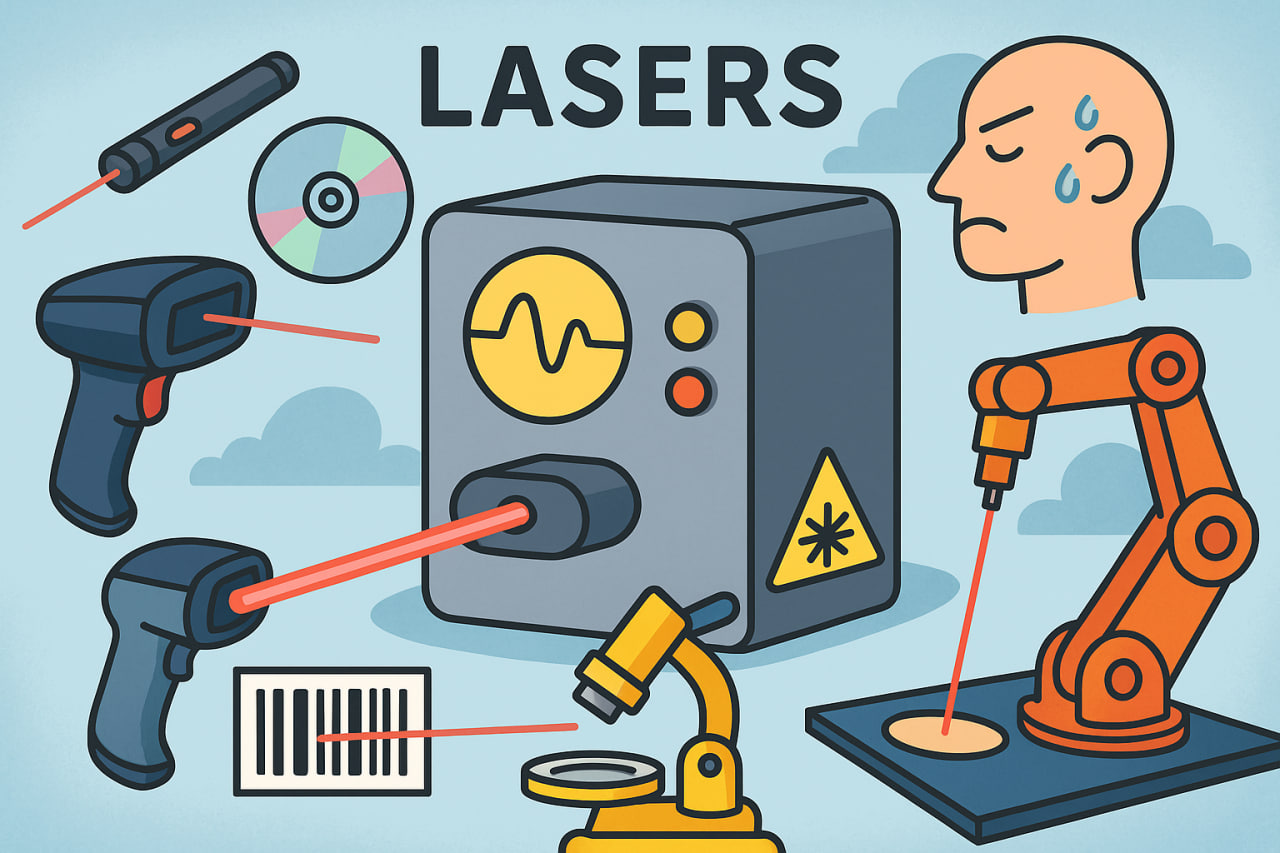
A laser (short for Light Amplification by Stimulated Emission of Radiation) is a device that produces a narrow, powerful beam of light.

A mirror is a smooth surface—typically made of glass with a metallic coating—that reflects light in a way that preserves the shape and detail of objects in front of it.

In critical moments, technology can mean the difference between life and death. Modern rescue equipment helps first responders act faster, safer, and more effectively.

The idea of vertical flight predates actual aviation by centuries. In the 15th century, Leonardo da Vinci drew a design of a helical air screw—a device resembling a modern rotor.

The idea of human flight has fascinated people for thousands of years. Ancient myths featured winged gods and flying chariots — from Daedalus and Icarus in Greek mythology to Vimanas in...
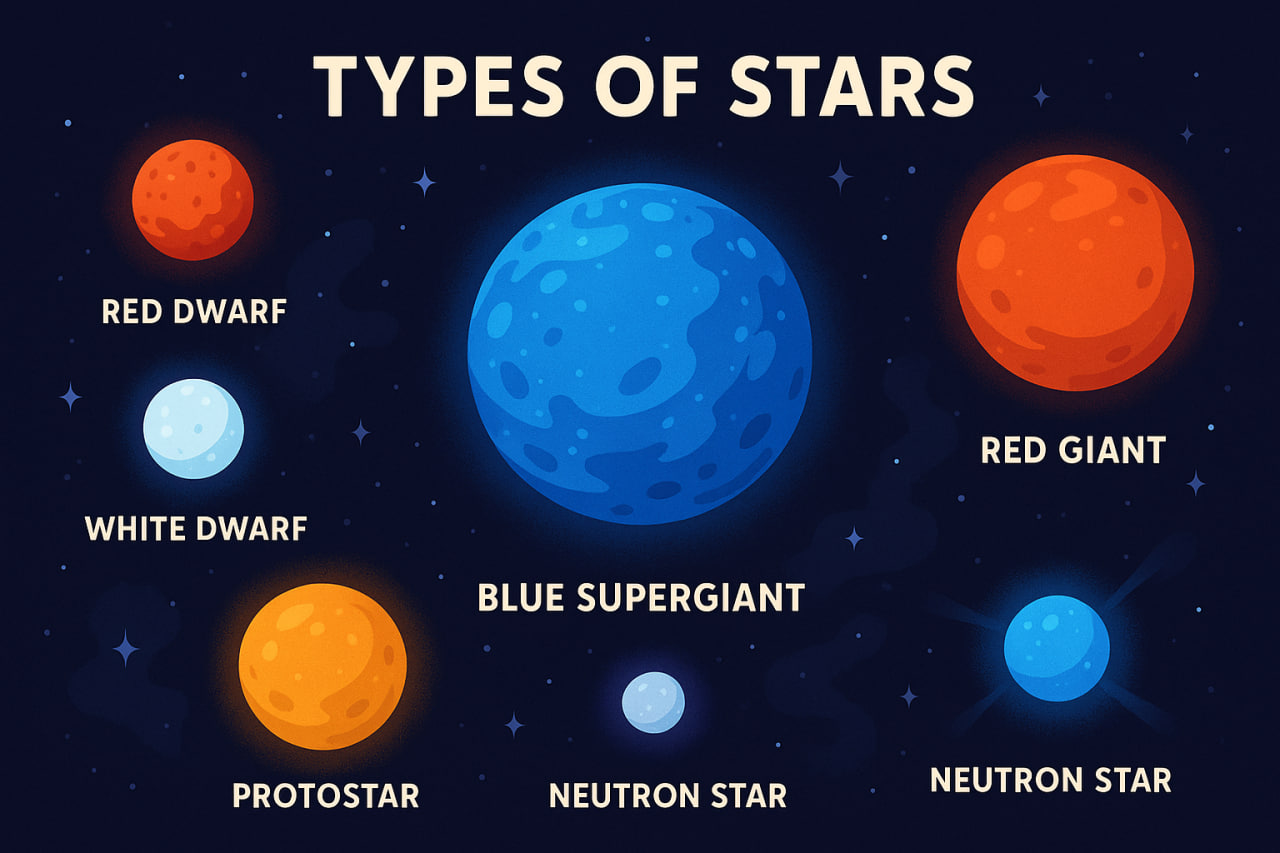
Stars are massive, glowing spheres of hot gas — primarily hydrogen and helium — that produce energy through nuclear fusion.

The origins of social media trace back to the 1970s and 1980s, long before Facebook and Instagram.