Star Wars

NASA’s DART Mission and Planetary Defense: Can We Really Stop a Dangerous Asteroid?
Space Stories Cosmic Innovations Star Wars

NASA’s DART Mission and Planetary Defense: Can We Really Stop a Dangerous Asteroid?

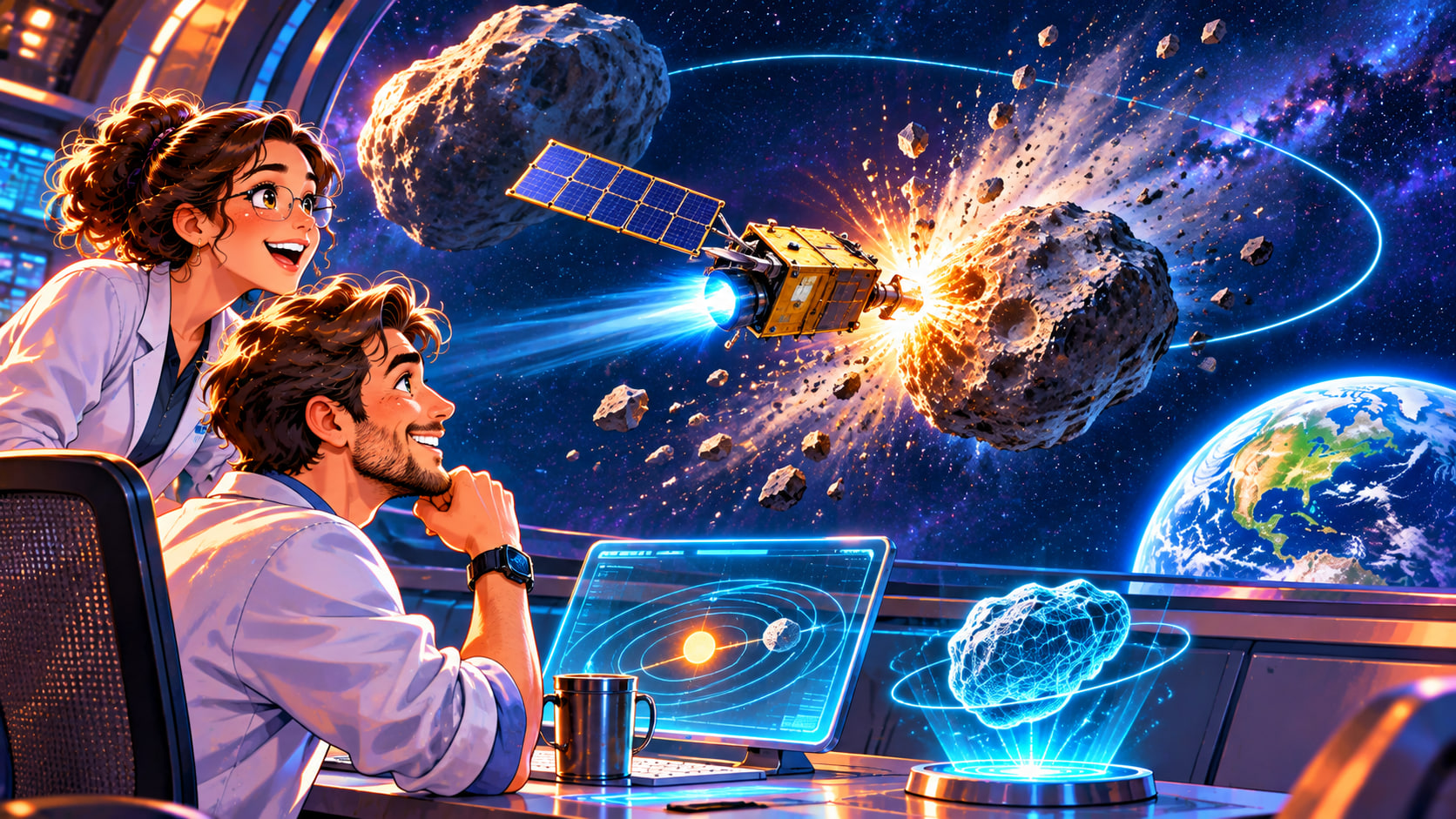
Astronomers discover a rocky object that may someday strike Earth. No switch can turn it off, and Earth's atmosphere offers limited protection. A reliable warning could give scientists time to respond. Unlike many disasters, however, an asteroid collision might be preventable. In 2022, humanity performed its first successful experiment in deliberately changing an asteroid's motion.
Mare Imbrium: The Story of the Giant Impact That Reshaped the Moon
Space Stories Solar System Earth & Moon

Mare Imbrium: The Story of the Giant Impact That Reshaped the Moon

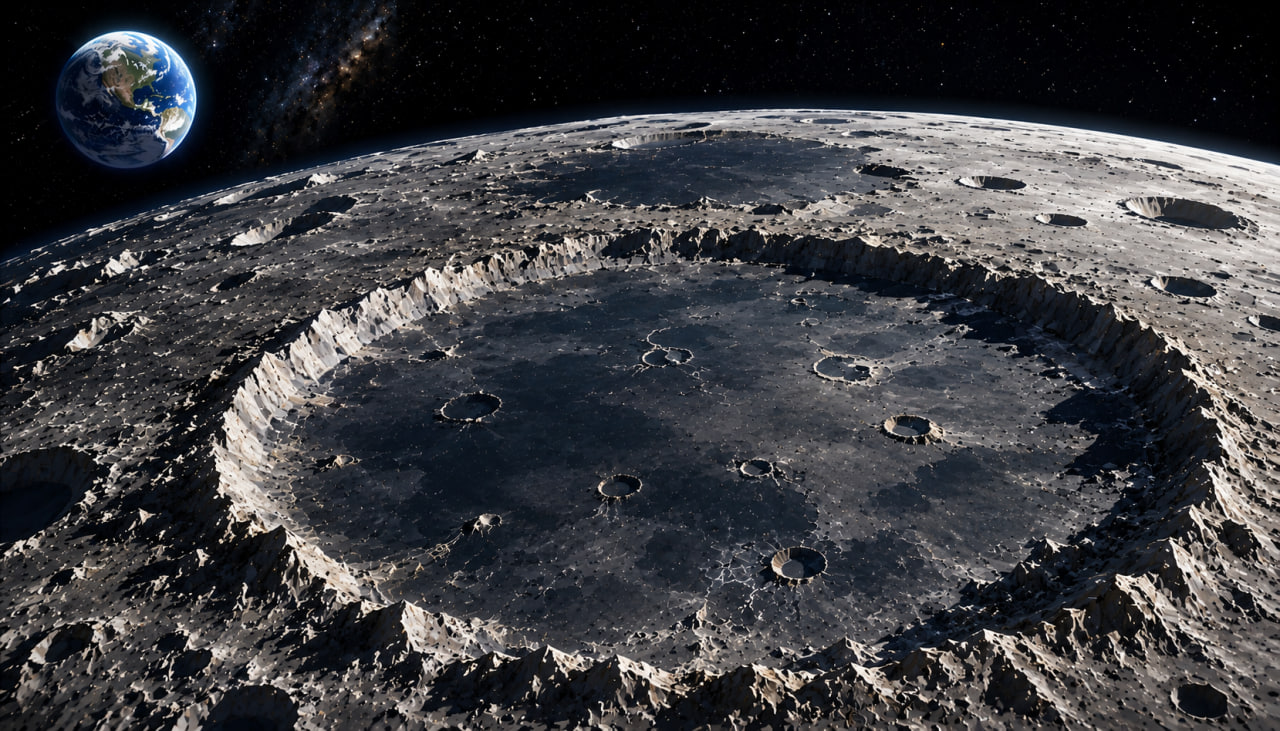
The Moon's surface is covered with countless craters, mountains, and vast dark plains that have fascinated astronomers for centuries. Among its most striking features is Mare Imbrium, or the Sea of Rains, one of the largest and most scientifically important impact basins in the Solar System. Despite its name, Mare Imbrium contains no water. Instead, it is a massive scar left by an ancient asteroid collision that forever changed the Moon's appearance. Studying Mare Imbrium allows scientists to reconstruct the violent history of the early Solar System, when enormous impacts were common and helped shape the planets and their moons. Today, it serves as a natural laboratory for planetary geology and provides valuable clues about the Moon's internal structure and evolution.

Rogue Stars: The Cosmic Wanderers Ejected from Galaxies
Space Stories Universe Be Smart

Rogue Stars: The Cosmic Wanderers Ejected from Galaxies

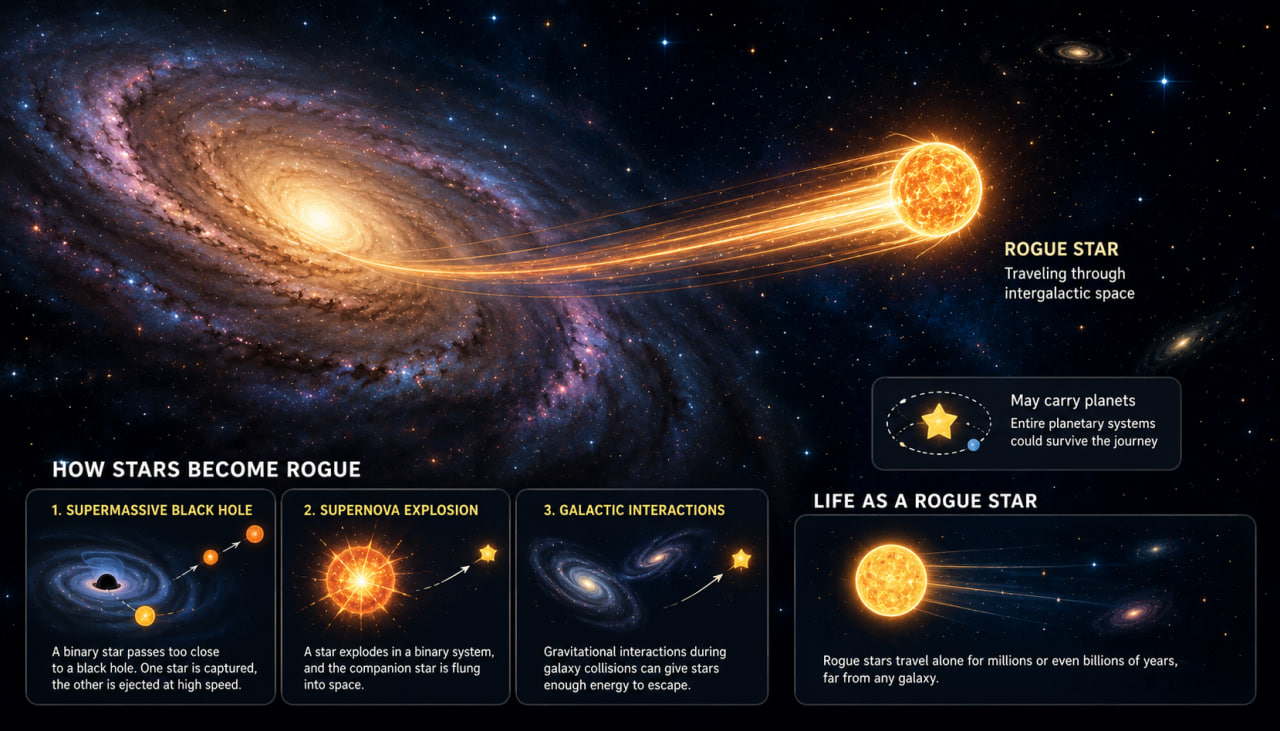
The universe is filled with billions of stars bound together by the gravity of galaxies. Most stars spend their entire lives orbiting within their galactic homes, moving around their galactic centers in predictable paths. However, not all stars remain where they were born. Some are violently expelled from their galaxies and sent hurtling into intergalactic space at extraordinary speeds. These objects, known as rogue stars or hypervelocity stars, are among the most fascinating travelers in the cosmos. Once ejected, they may spend millions or even billions of years crossing the immense voids between galaxies, isolated from the stellar neighborhoods where they originated. Their existence demonstrates that the universe is far more dynamic and chaotic than it may appear.

Accretion Disks: How Matter Accelerates to Near Light Speed
Space Stories Universe Star Wars

Accretion Disks: How Matter Accelerates to Near Light Speed

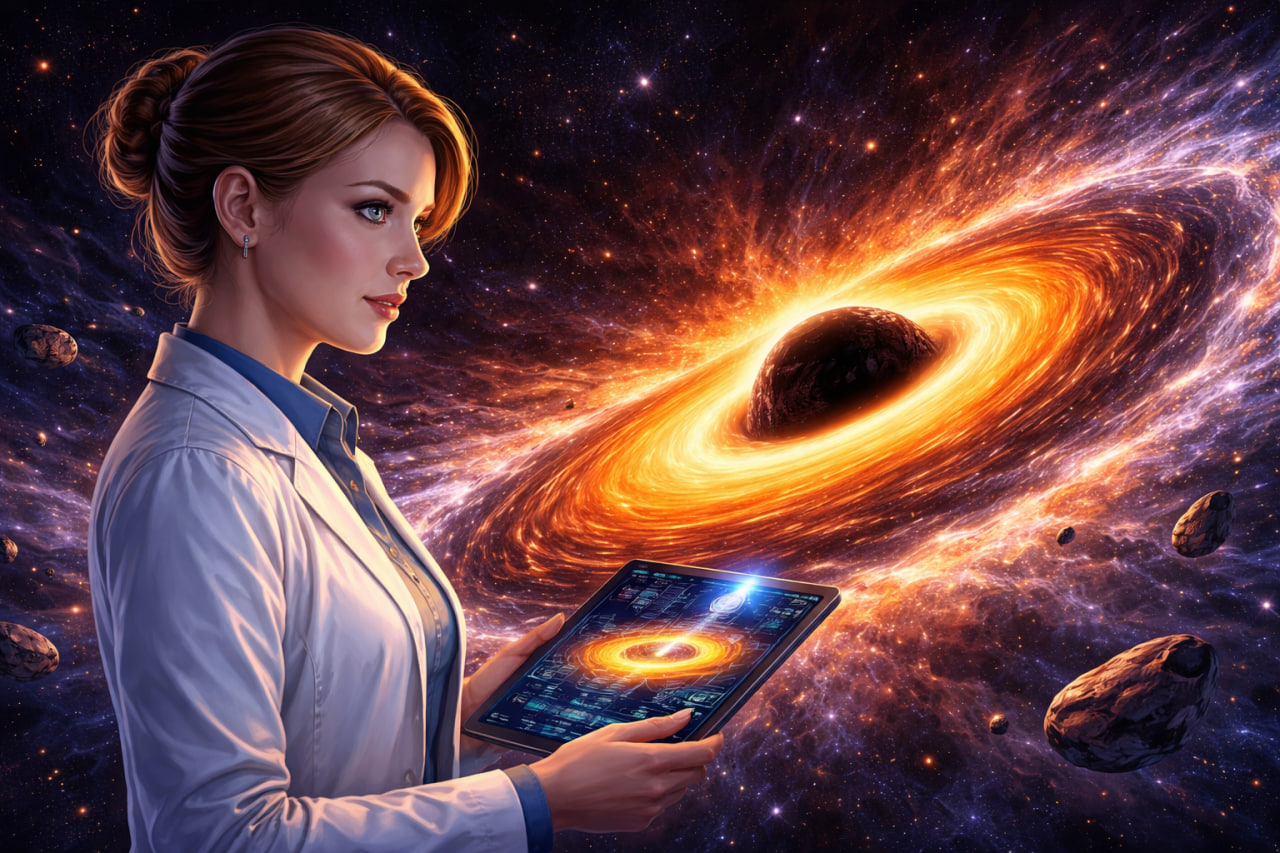
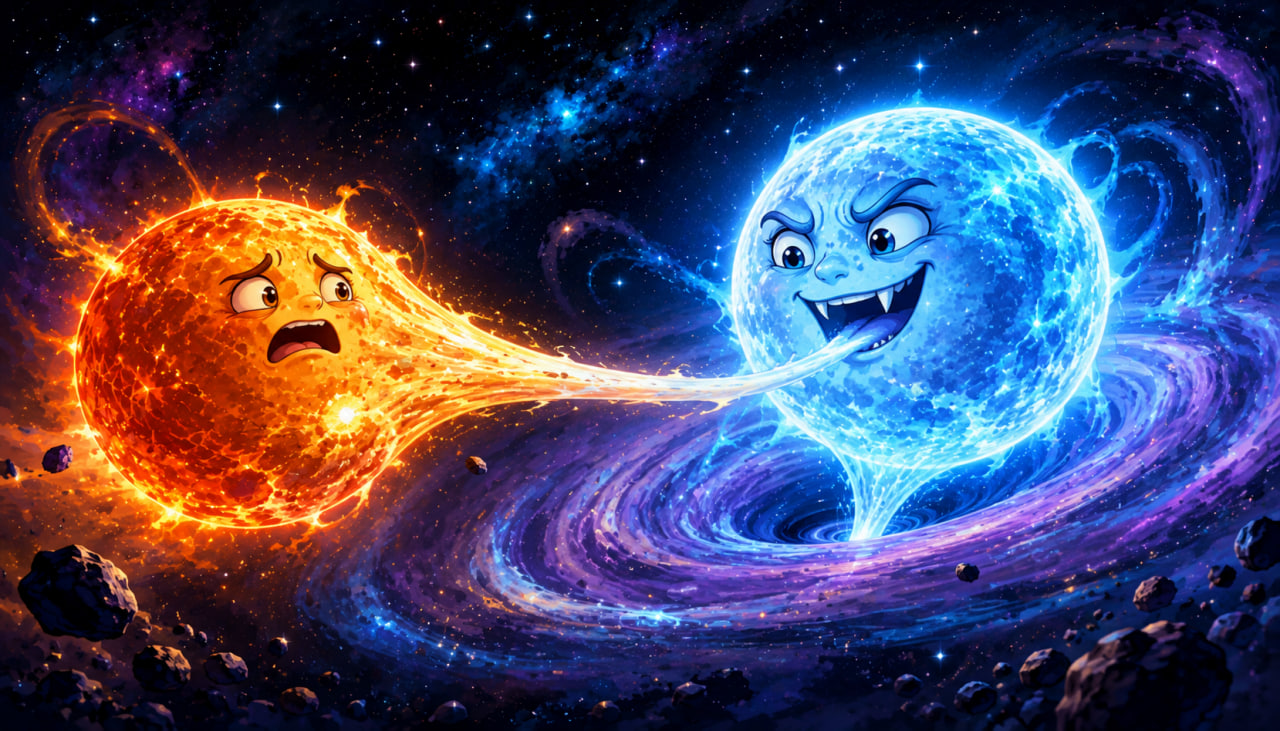
Accretion disks are some of the most extreme and fascinating structures in the universe. They form when matter spirals toward a massive object such as a black hole, neutron star, or white dwarf. Instead of falling straight in, the material forms a rotating disk due to angular momentum. As particles move inward, they accelerate and heat up dramatically. In the most extreme cases, matter in accretion disks can approach significant fractions of the speed of light. These environments are among the brightest sources of radiation in the universe. Studying accretion disks helps scientists understand gravity, energy, and high-speed physics.

Jets in Space: What They Are and How They Form
Space Stories Universe Star Wars

Jets in Space: What They Are and How They Form

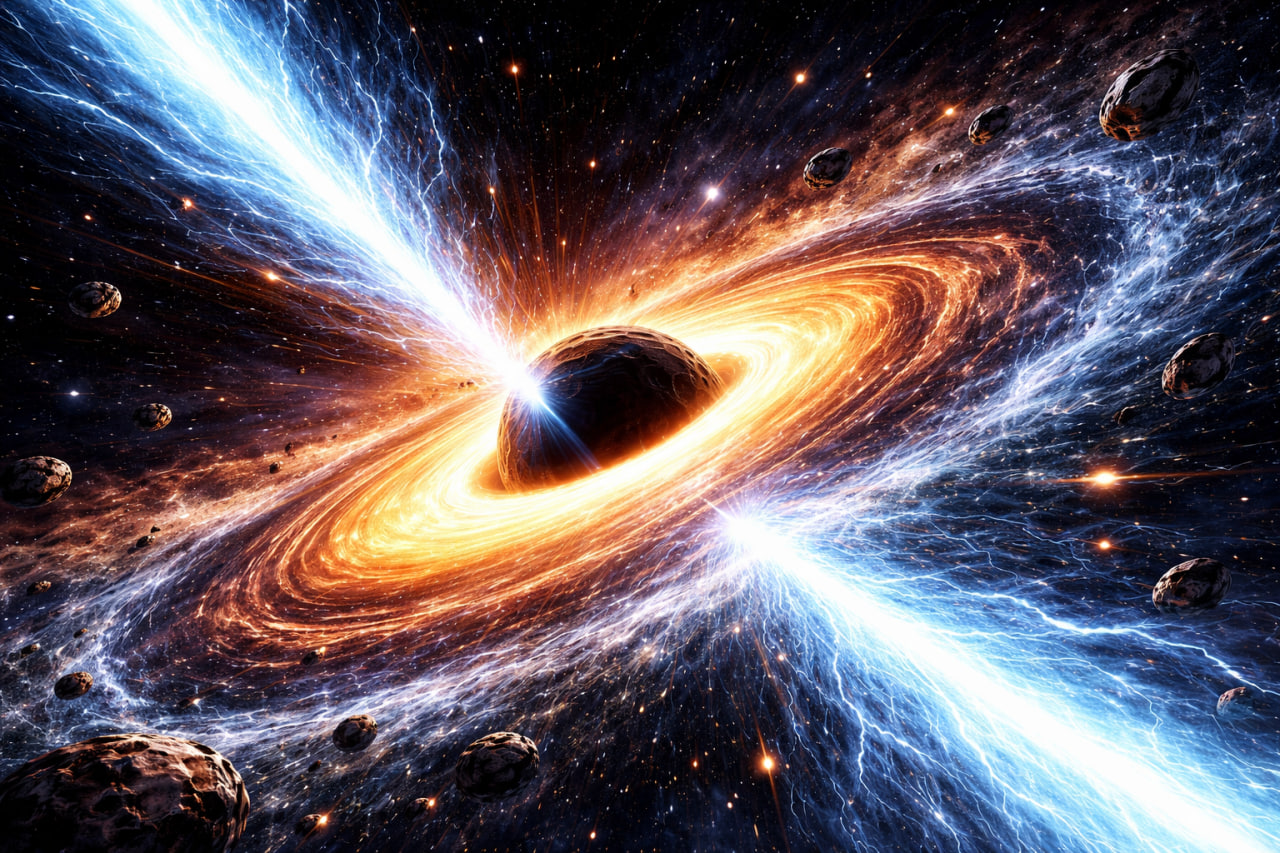
Astrophysical jets are powerful, narrow streams of matter and energy that are ejected from some of the most extreme objects in the universe. They are commonly associated with black holes, neutron stars, and young stars surrounded by accretion disks. These jets can travel enormous distances, sometimes stretching across thousands or even millions of light-years. Despite their immense energy, jets remain highly focused and structured. They move at extremely high speeds, often approaching the speed of light. These phenomena are among the most energetic events known in astrophysics. Studying jets allows scientists to better understand how matter behaves under extreme gravitational and magnetic conditions.

Space Weather: How Solar Storms Could Disrupt Electricity and the Internet
Space Stories Universe Solar System

Space Weather: How Solar Storms Could Disrupt Electricity and the Internet

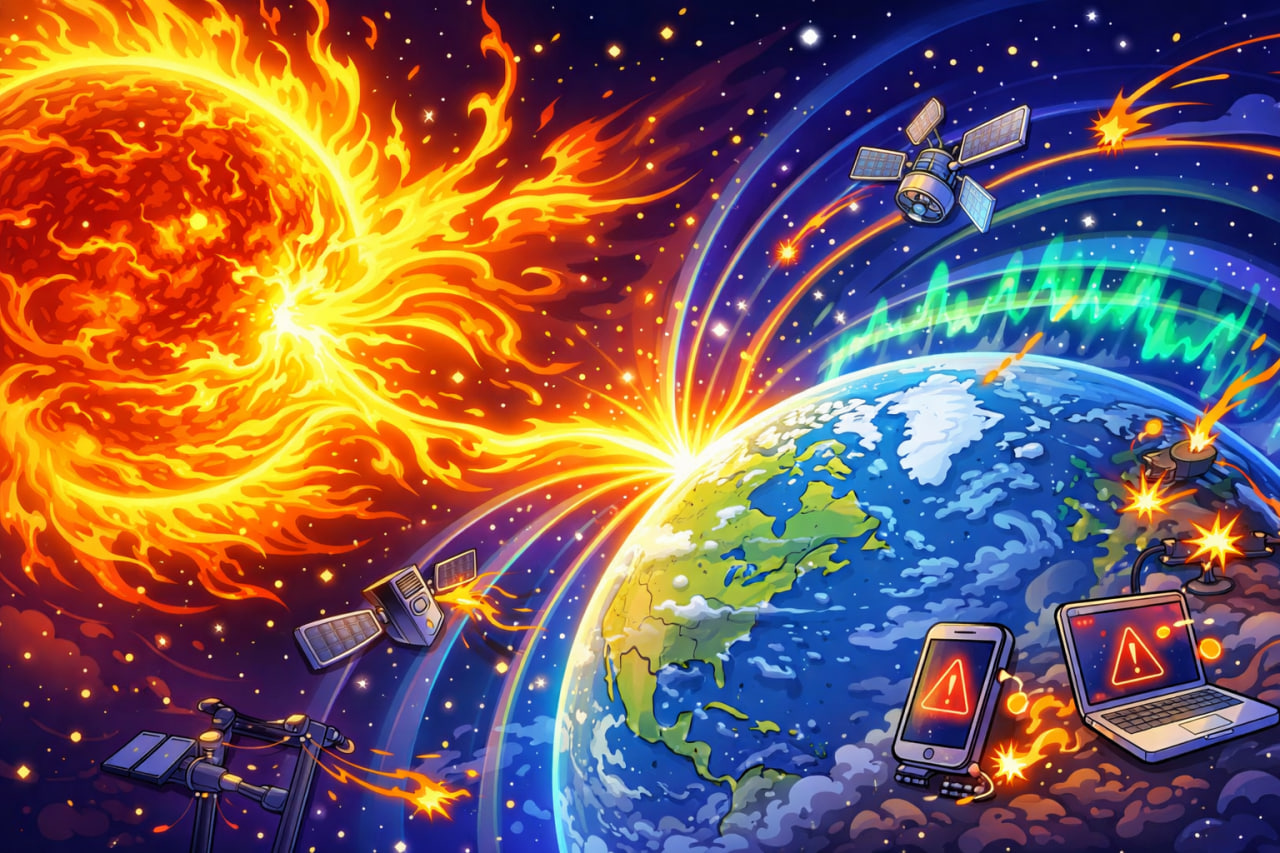
Space weather refers to conditions in space that are influenced by the activity of the Sun, particularly solar flares and coronal mass ejections. Although space may seem distant, solar activity can have direct and powerful effects on Earth. These events release enormous amounts of energy and charged particles that travel through space at high speeds. When they reach Earth, they interact with the planet’s magnetic field and atmosphere. Under certain conditions, this interaction can disrupt modern technological systems. In a world that depends heavily on electricity and digital communication, such disruptions could have serious consequences. Understanding space weather is essential for protecting infrastructure and maintaining global stability.

What Would Happen If a Neutron Star Passed Near the Solar System?
Space Stories Universe What if?

What Would Happen If a Neutron Star Passed Near the Solar System?

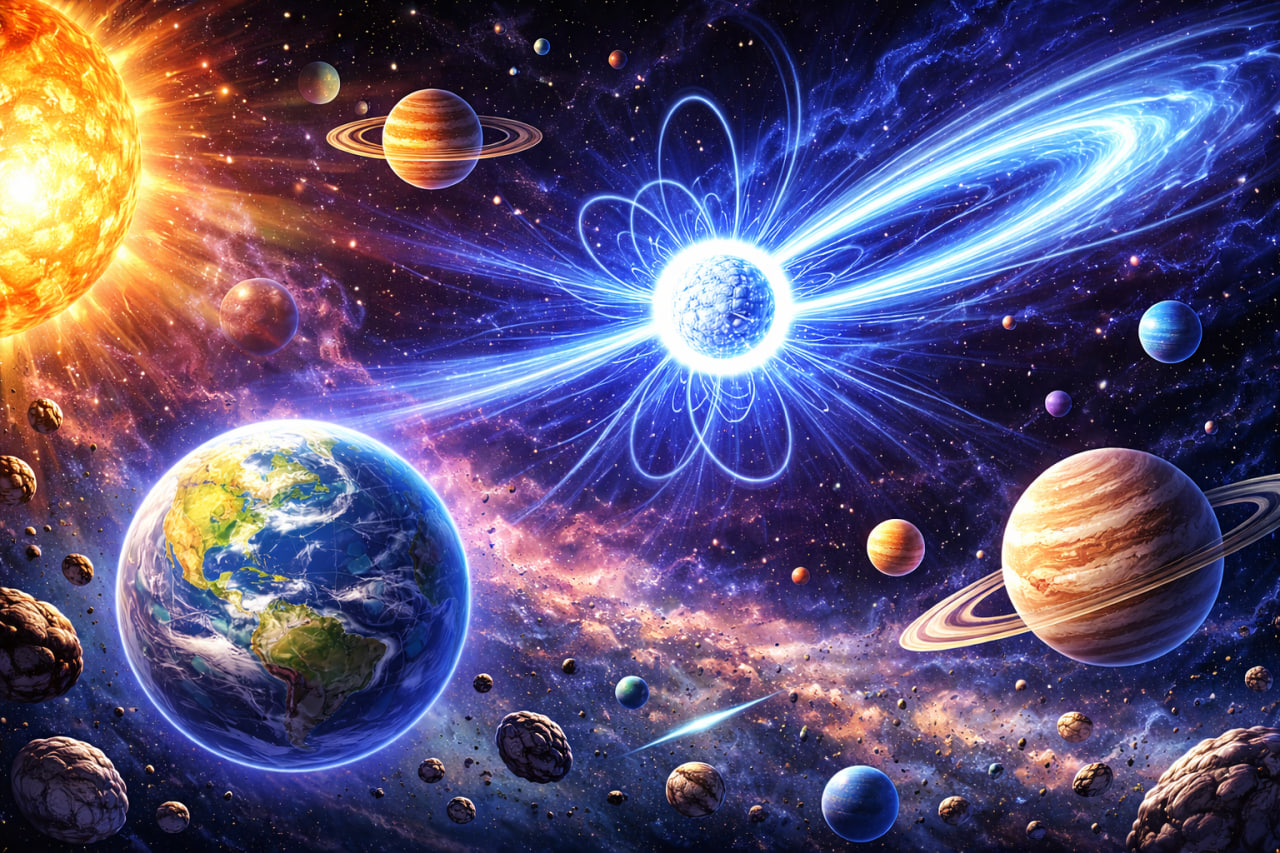
A neutron star passing close to the Solar System would be one of the most extreme astrophysical encounters imaginable. Neutron stars are remnants of massive stars that collapsed after supernova explosions, concentrating enormous mass into an incredibly small volume. Despite their compact size, their gravitational and electromagnetic influence is immense. Such an event is extraordinarily unlikely, but examining it allows scientists to understand how fragile—or resilient—planetary systems are in a dynamic galaxy. This scenario highlights the balance between cosmic forces and the stability of our Solar System.

What Would Happen If a Neutron Star Passed Near the Solar System?
Space Stories Universe What if?

What Would Happen If a Neutron Star Passed Near the Solar System?

A neutron star passing close to the Solar System would be one of the most extreme astrophysical encounters imaginable. Neutron stars are remnants of massive stars that collapsed after supernova explosions, concentrating enormous mass into an incredibly small volume. Despite their compact size, their gravitational and electromagnetic influence is immense. Such an event is extraordinarily unlikely, but examining it allows scientists to understand how fragile—or resilient—planetary systems are in a dynamic galaxy. This scenario highlights the balance between cosmic forces and the stability of our Solar System.

Planetary Collisions with Cosmic Objects
Space Stories Universe What if?

Planetary Collisions with Cosmic Objects

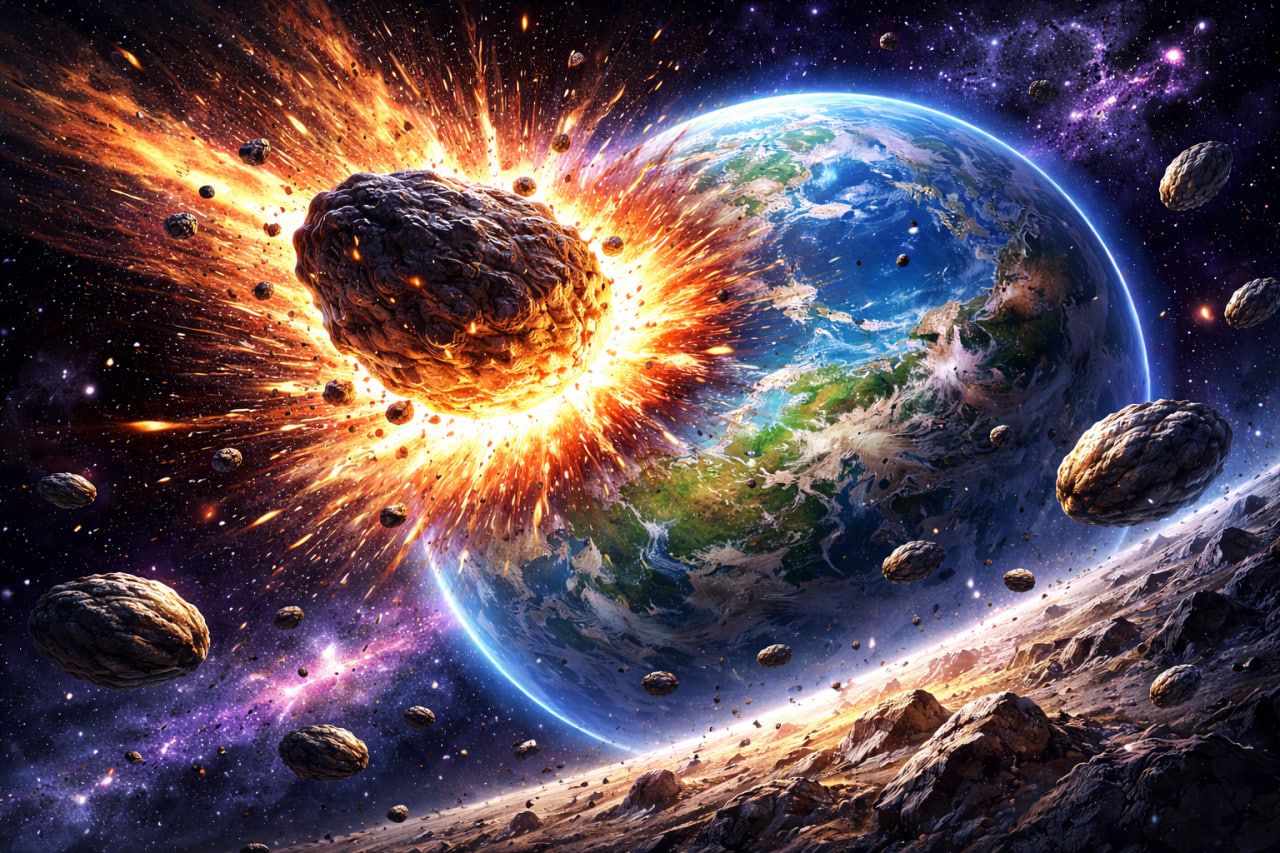
Collisions between planets and cosmic objects are among the most powerful and transformative events in the universe. Asteroids, comets, and even protoplanets have repeatedly reshaped planetary surfaces, atmospheres, and evolutionary paths since the birth of the solar system. Although such impacts are rare on human timescales, they play a fundamental role in shaping worlds over millions and billions of years. From the formation of moons to mass extinctions and the delivery of water and organic compounds, planetary collisions are deeply connected to the history of life and geology. Modern astronomy studies these events not as distant catastrophes, but as key mechanisms of planetary evolution. Understanding how and why planets collide with cosmic objects reveals how dynamic and interconnected the universe truly is.