Star Wars

Neutron Star Mergers: The Cosmic Factories of Gold and Platinum
Space Stories Universe Be Smart

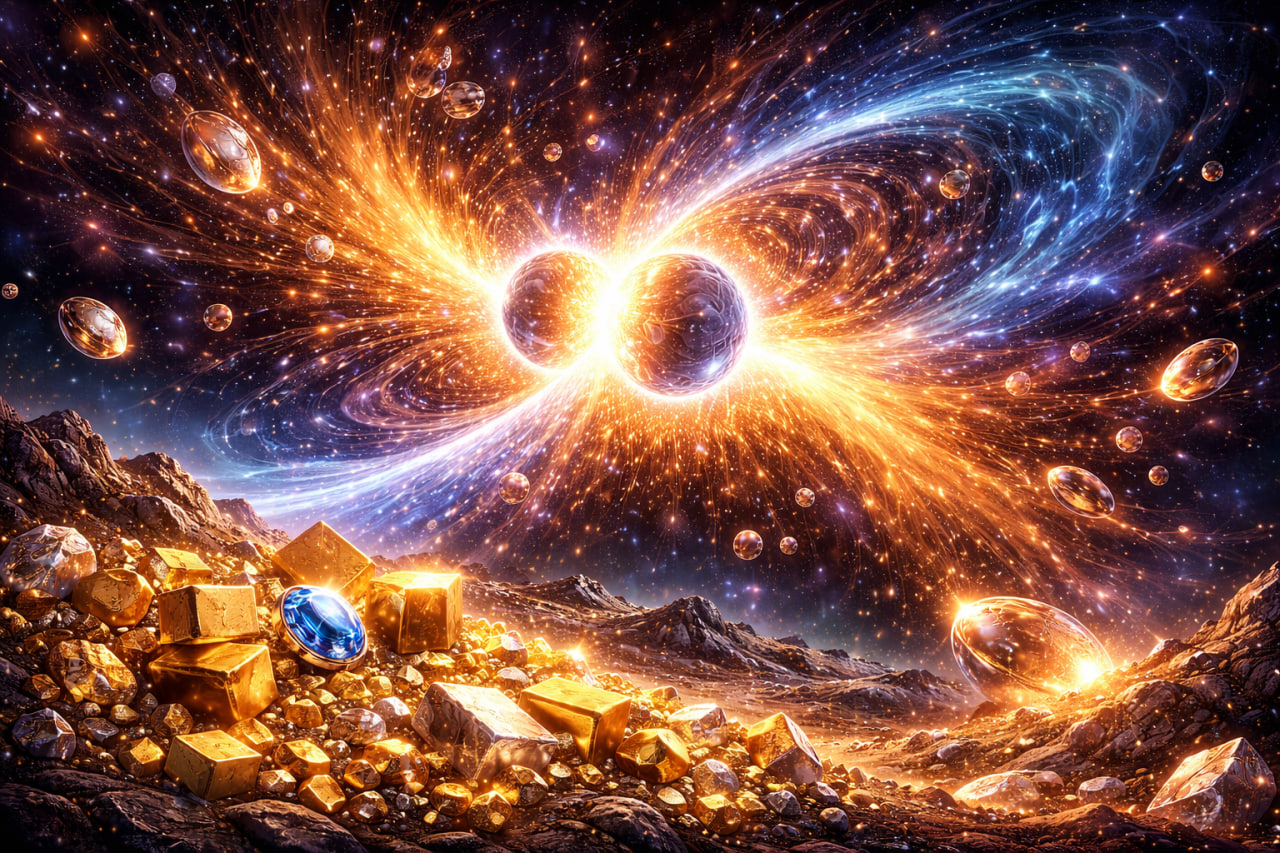
Neutron Star Mergers: The Cosmic Factories of Gold and Platinum

For much of the twentieth century, the origin of the heaviest elements in the universe remained an open question. While stars are known to forge elements like carbon and iron, they cannot easily explain the existence of large quantities of gold, platinum, and other heavy metals. The solution emerged only recently with the observation of neutron star mergers—violent cosmic collisions that create conditions unlike anything else in the universe. These rare events act as natural element factories, producing and dispersing heavy elements across space. Understanding neutron star mergers has fundamentally changed how science explains the chemical richness of the cosmos.
Kilonova and Supernova: Two Different Cosmic Explosions
Space Stories Universe Star Wars

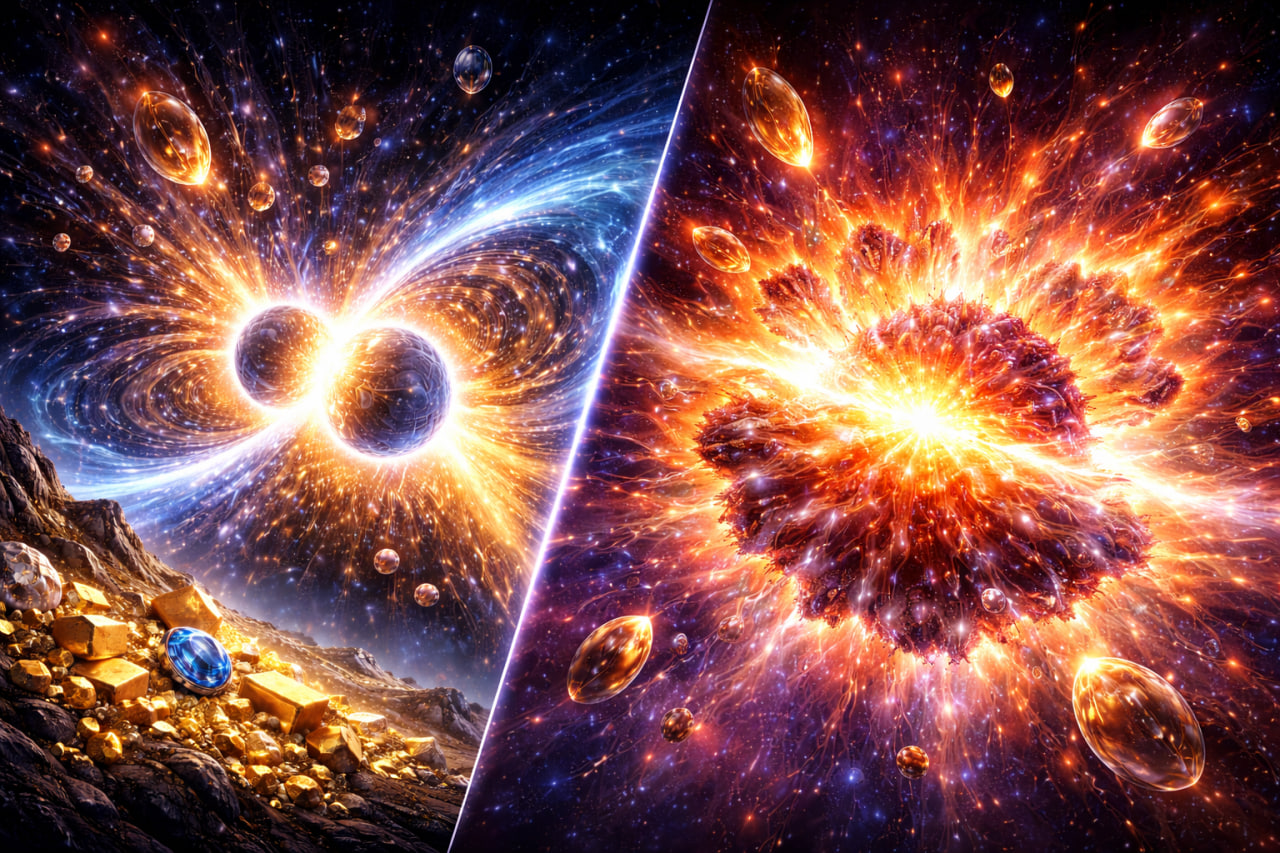
Kilonova and Supernova: Two Different Cosmic Explosions

Explosive events play a central role in shaping the universe, redistributing matter and energy across galaxies. Among the most powerful of these events are supernovae and kilonovae, which are often confused due to their dramatic nature and similar names. Despite superficial similarities, they arise from very different physical processes and have distinct consequences for cosmic evolution. Understanding the differences between kilonovae and supernovae helps clarify how stars die, how elements are created, and how modern astronomy observes the violent side of the cosmos.

Asteroid Threat: How Can Earth Be Protected?
Space Stories Universe Star Wars

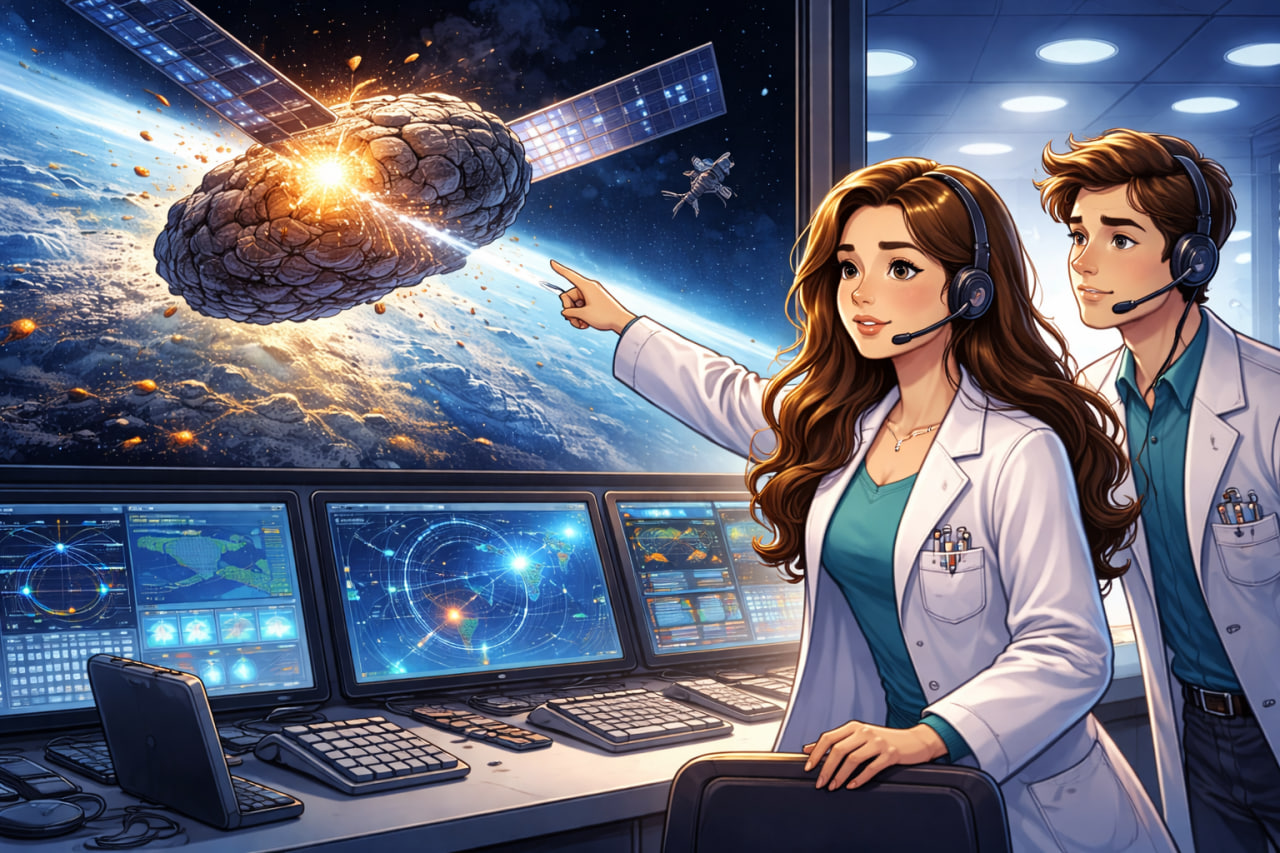
Asteroid Threat: How Can Earth Be Protected?

Asteroid impacts are among the few natural disasters capable of causing global consequences, which is why planetary defense has become an important scientific and strategic priority. While large asteroid collisions are rare, history and astronomical data confirm that Earth has been struck many times in the past. Modern technology now allows scientists to detect potentially hazardous objects long before they approach our planet. The challenge lies not only in spotting these asteroids, but also in developing reliable methods to alter their trajectories if necessary. Understanding how Earth can be protected from asteroid threats helps separate scientific reality from science fiction and highlights the role of international cooperation in planetary safety.

STAR WARS: What Happens When One Star Enters the Gravitational Field of Another
Space Stories Universe Star Wars

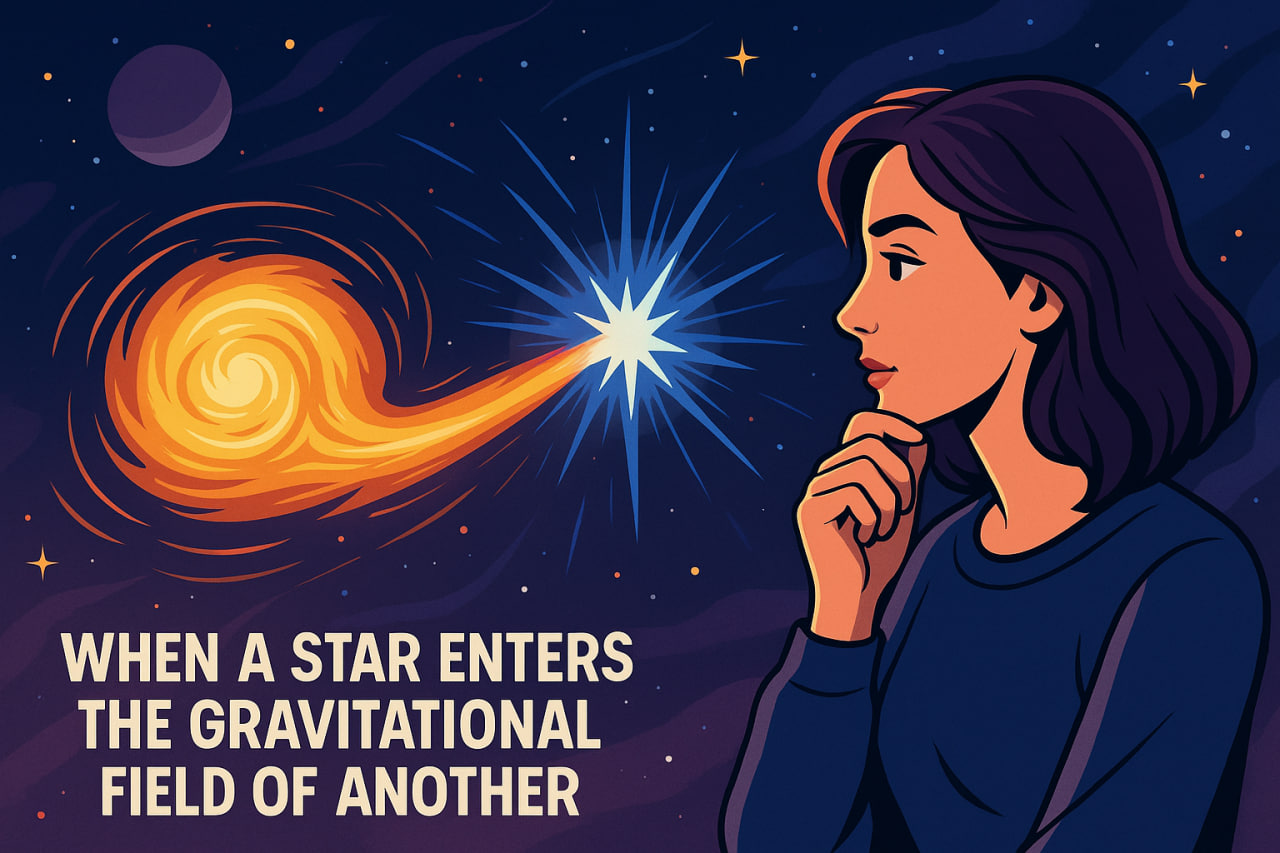
STAR WARS: What Happens When One Star Enters the Gravitational Field of Another

When a star enters the gravitational field of another, a dramatic astrophysical interaction begins that can reshape both stellar systems. Gravity becomes the dominant force, pulling the stars into complex orbital patterns or violent exchanges of energy and matter. These encounters occur across the universe, particularly in densely packed regions such as star clusters and galactic centers. Depending on the mass, distance, and velocity of the stars, the outcome may range from gentle orbital capture to complete tidal destruction. Scientists study these interactions to better understand stellar evolution, black hole formation, and the dynamic behavior of galaxies. Stellar encounters reveal how unstable and unpredictable the universe can be when massive bodies influence one another.

STAR WARS: What Happens When Two Galaxies Merge
Space Stories Universe Star Wars

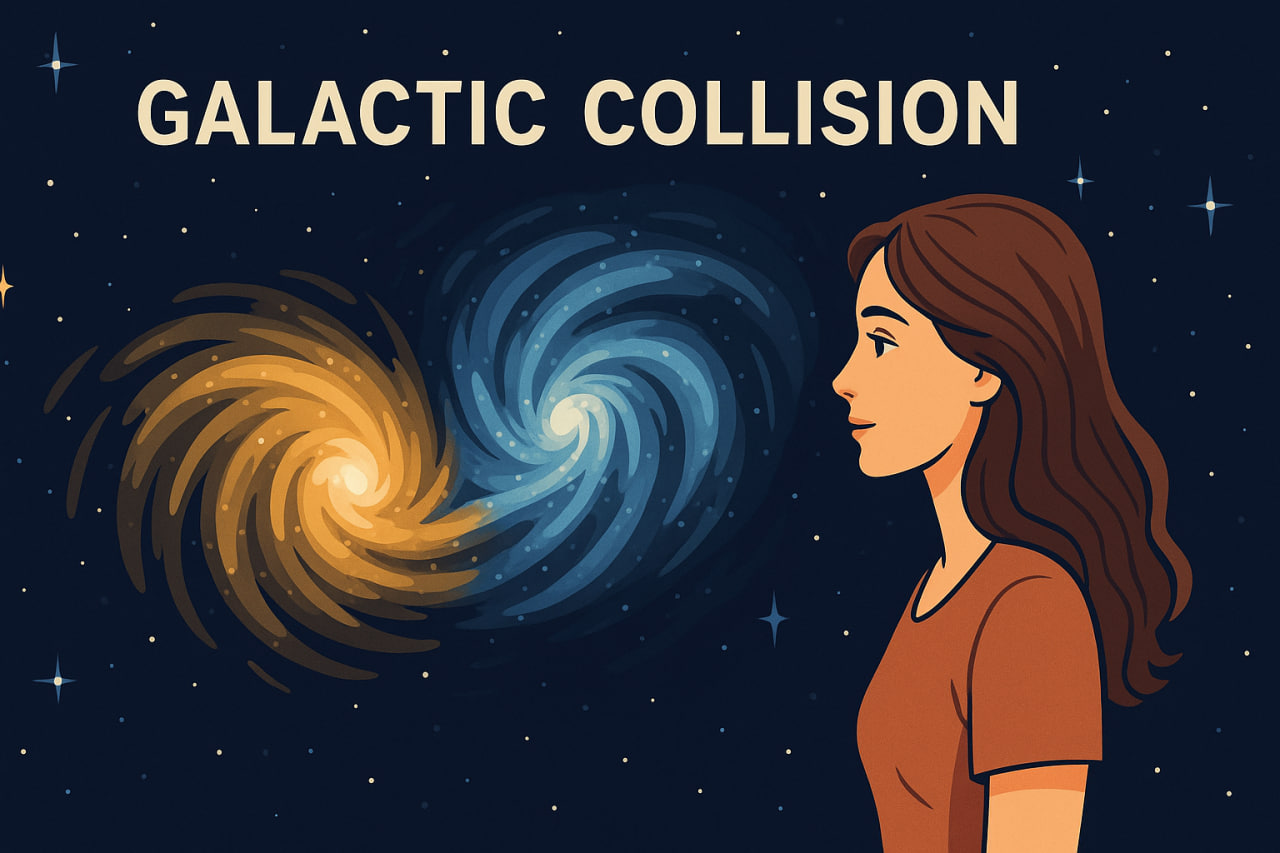
STAR WARS: What Happens When Two Galaxies Merge

When two galaxies collide, the event becomes one of the most spectacular and transformative processes in the universe. Known as galactic mergers, these interactions shape the long-term evolution of galaxies, triggering bursts of star formation, distorting structure, and redistributing vast amounts of gas and dark matter. Despite their dramatic appearance, individual star collisions are extremely rare because stars are separated by enormous distances. Instead, the gravitational pull of each galaxy reshapes the other, stretching spiral arms, compressing gas clouds, and sometimes creating entirely new galactic forms. These mergers unfold over hundreds of millions of years, gradually blending the two galaxies into a single, larger system. Studying galactic collisions helps astronomers understand the forces that sculpt the cosmos and predict the future of our own Milky Way.