
Top 10 Facts Science Still Cannot Fully Explain
Some questions are not “unscientific.” They are simply not solved yet. They sit at the edge of physics, biology, consciousness studies, cosmology, and medicine.
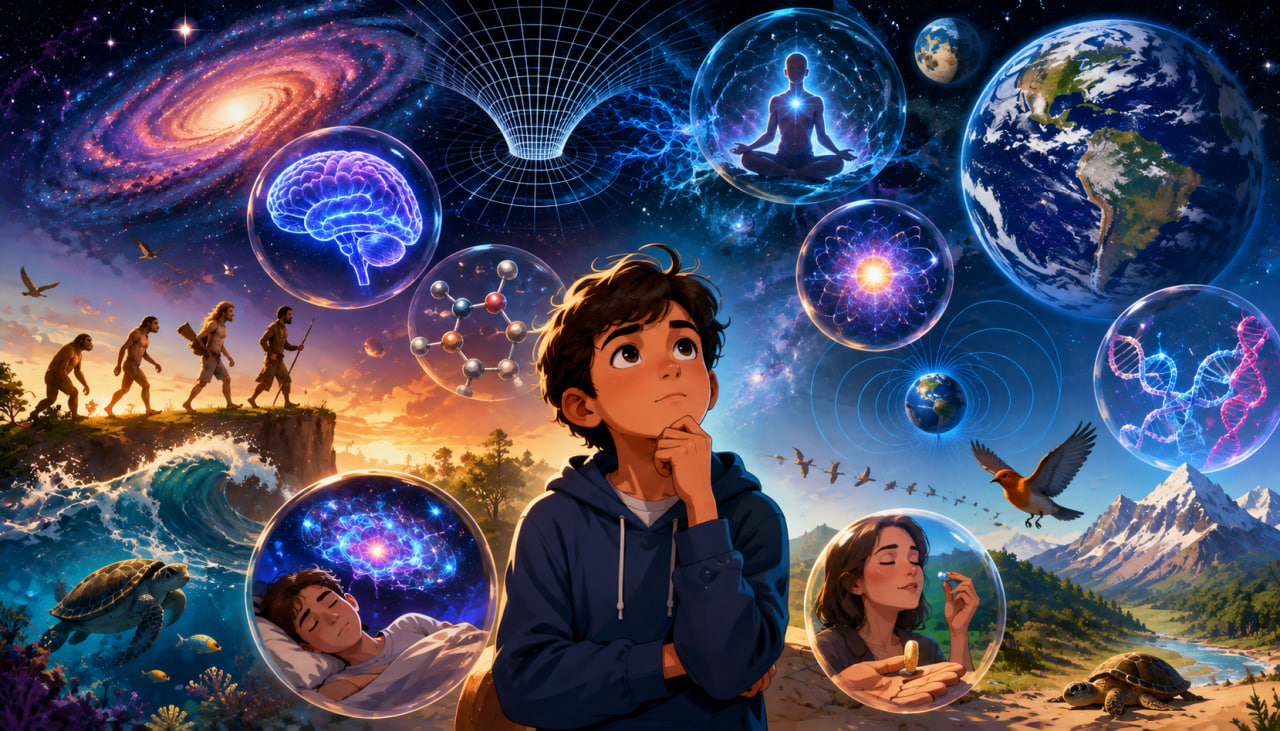
Some questions are not “unscientific.” They are simply not solved yet. They sit at the edge of physics, biology, consciousness studies, cosmology, and medicine.
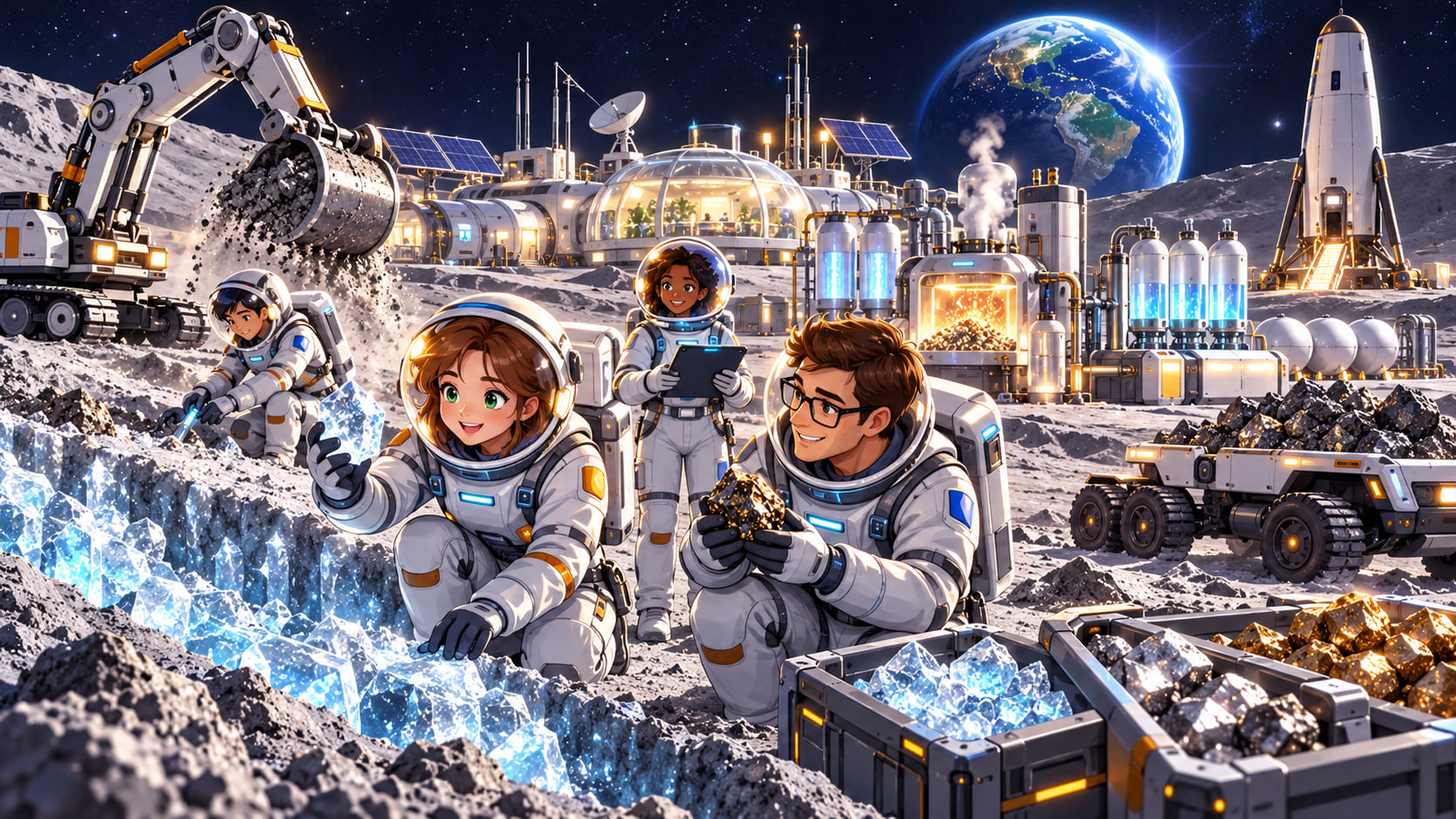
The Moon may look like a lifeless world covered in gray dust, but beneath its surface lies a remarkable collection of potentially valuable resources.
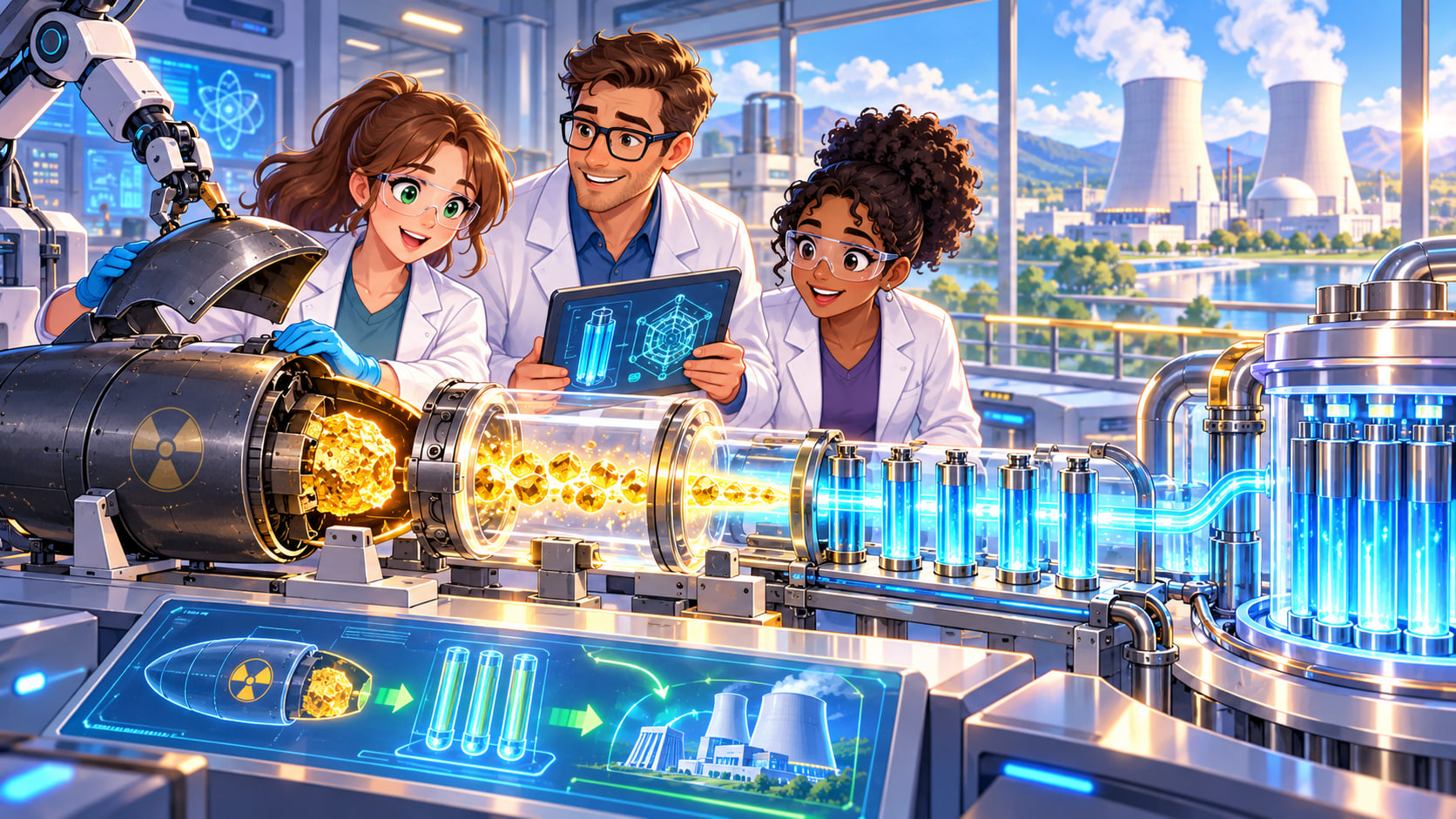
Humanity has developed enough nuclear weapons to destroy entire cities, yet the same fundamental nuclear science can also provide electricity to millions of homes.

Imagine a future in which a damaged kidney can be replaced with a new one grown from a patient's own cells. Instead of waiting years for a donor, doctors could potentially create living replacement tissue in a laboratory.
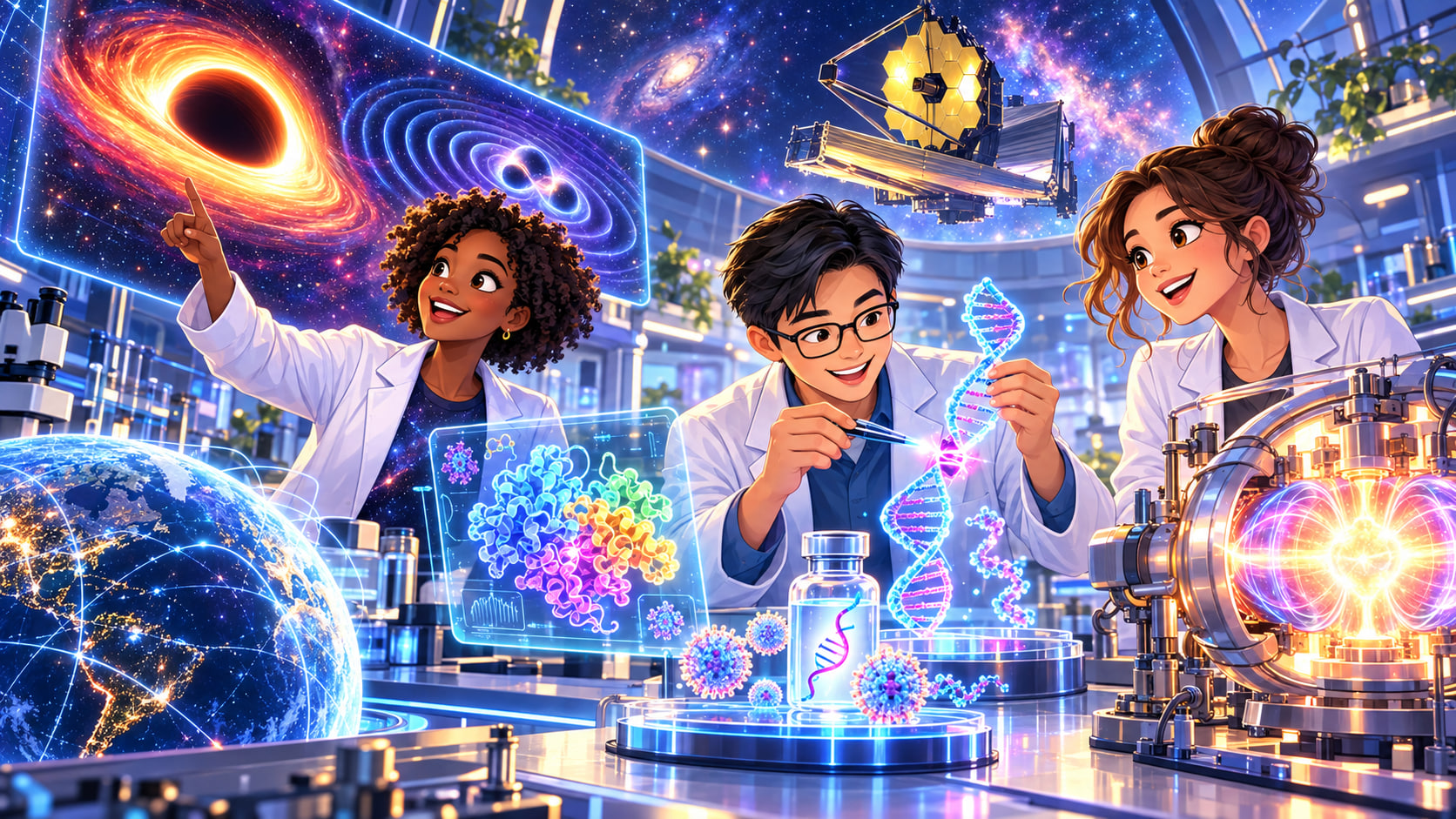
Over the past decade, science has achieved breakthroughs that once seemed impossible. Scientists have photographed black holes, developed revolutionary genetic treatments, unlocked the structures of millions of proteins, and brought humanity closer to controlled nuclear fusion.
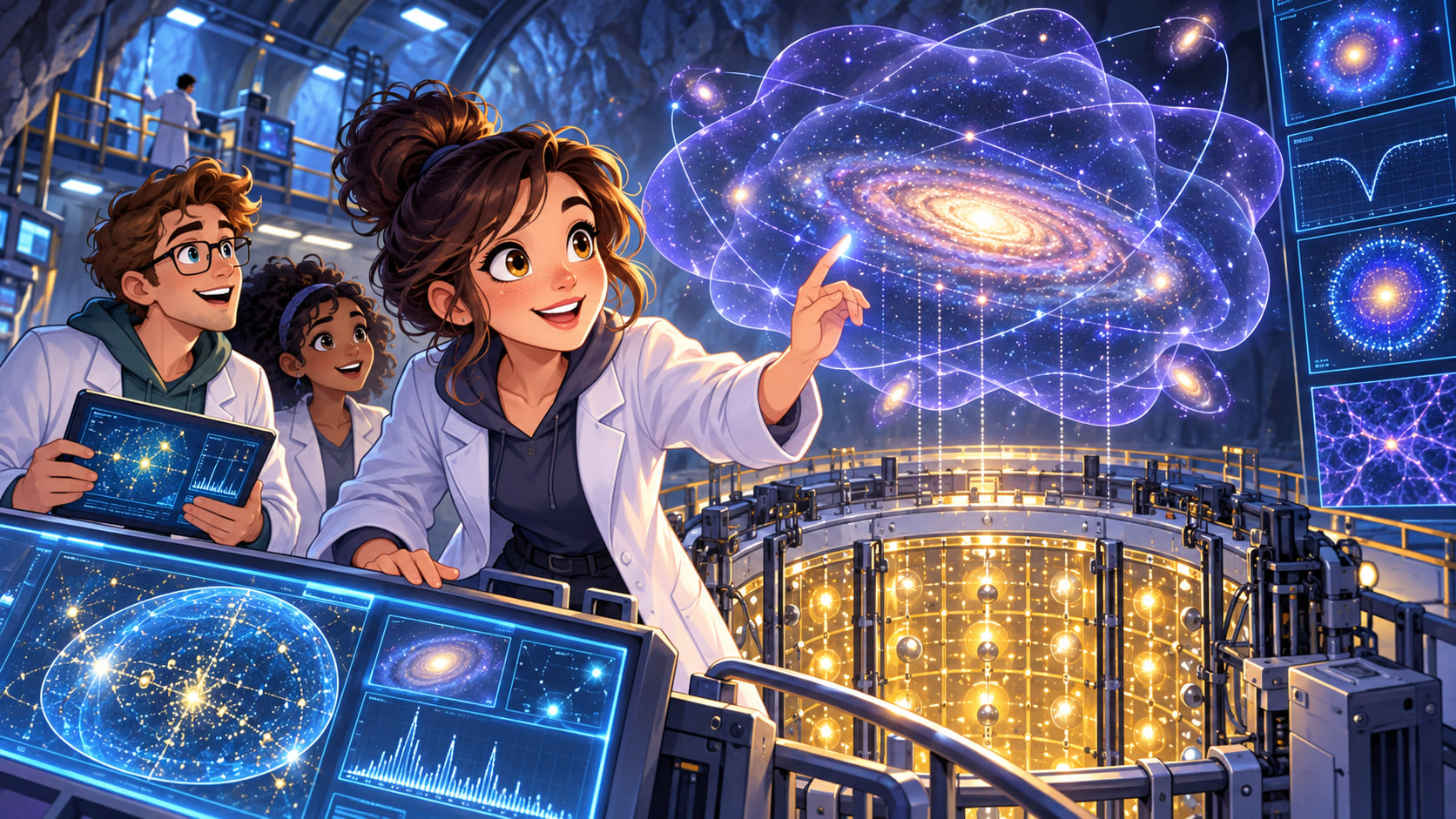
Dark matter is one of the biggest mysteries in modern science. Astronomers cannot see it directly, yet observations across the Universe strongly suggest that enormous quantities of invisible matter are present.
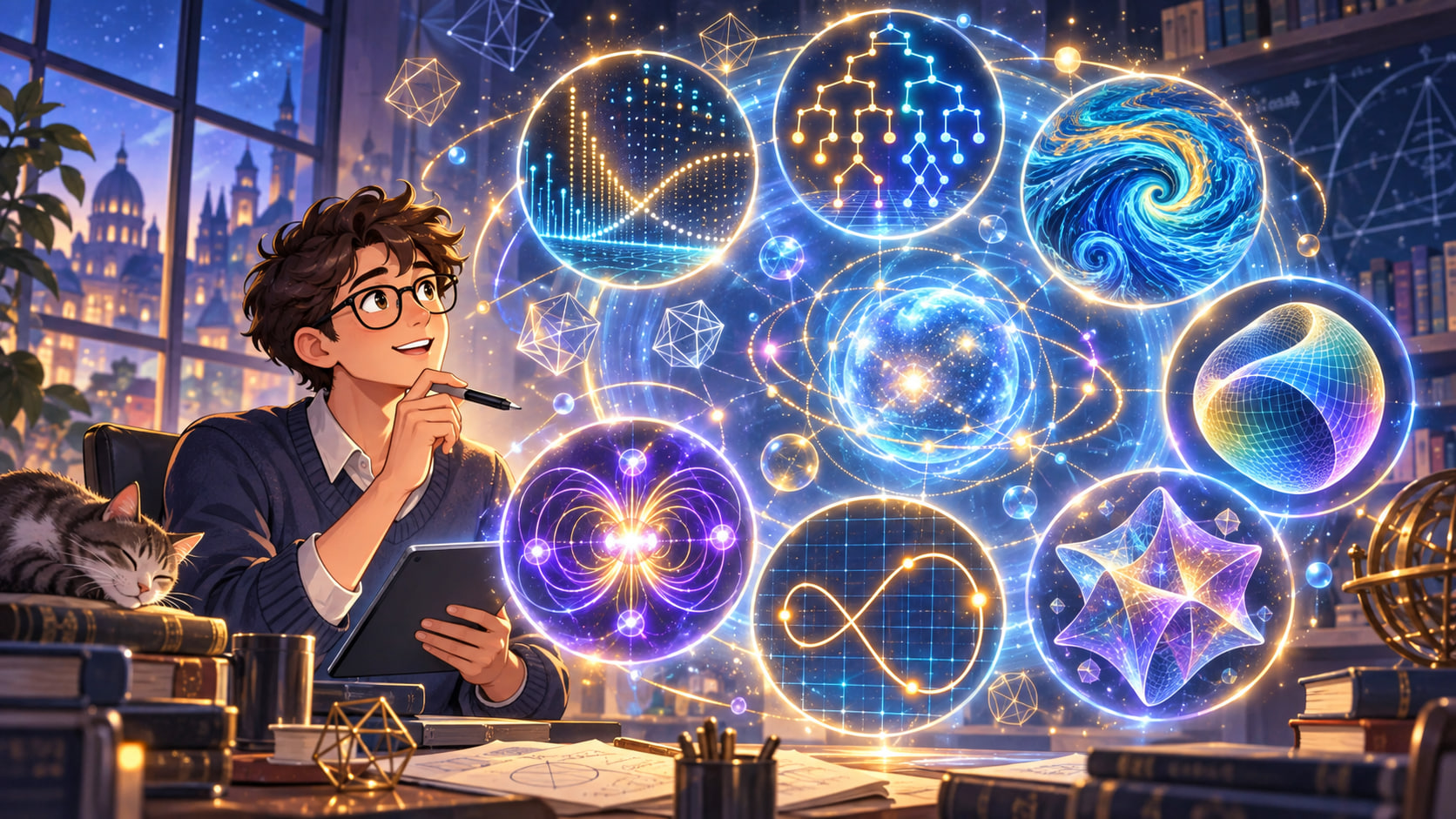
Known as the Millennium Prize Problems, they were announced by the Clay Mathematics Institute in 2000. These were not chosen simply because they were difficult puzzles. Each problem represents a deep gap in mathematical knowledge, with implications extending into physics, computer science, geometry, number theory, and engineering.
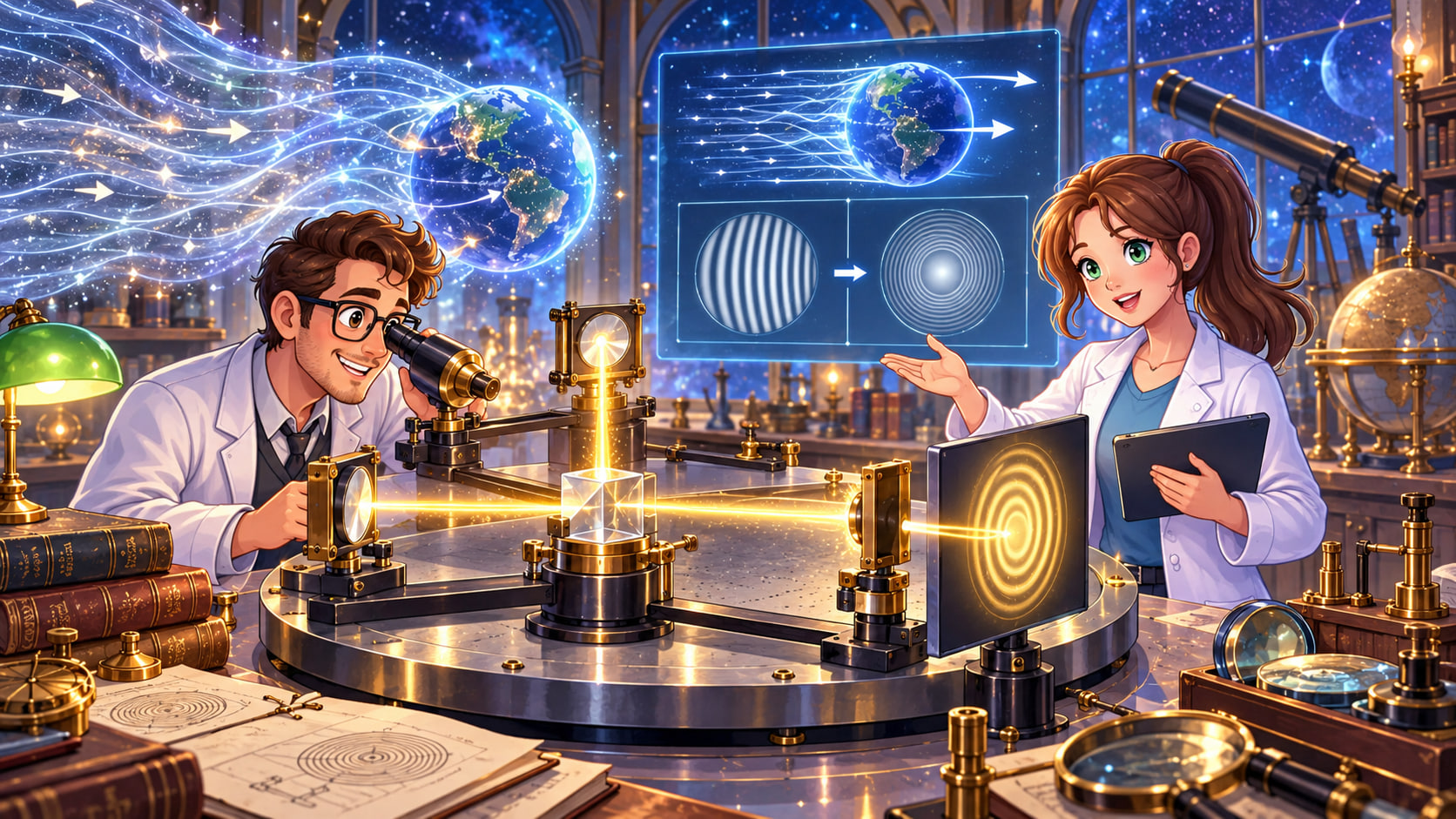
Science advances through ideas, calculations, observations, and debate. But some of its most important turning points come from experiments that force researchers to reconsider assumptions that once seemed obvious.
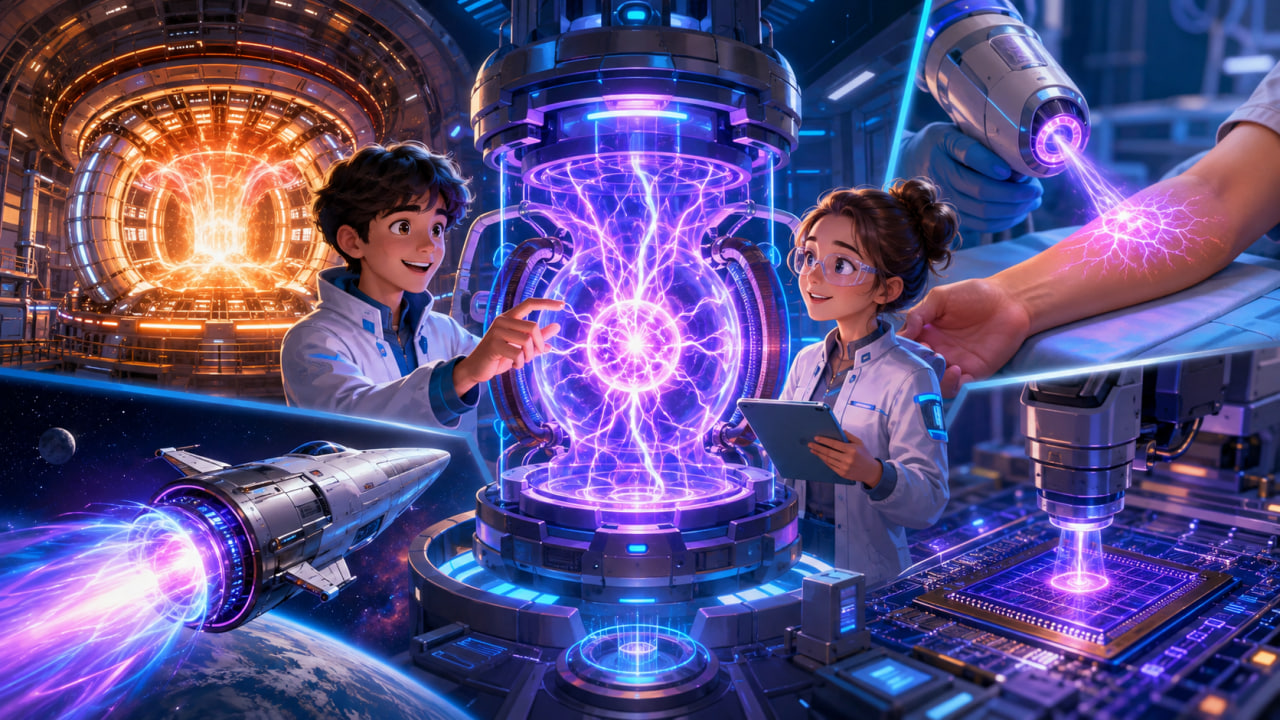
Plasma is often called the fourth state of matter, after solids, liquids, and gases. It may sound exotic, but plasma is everywhere in the universe. Stars are made mostly of plasma. Lightning is plasma. Auroras glow because of plasma. Neon signs, welding arcs, and some advanced medical tools also rely on plasma.
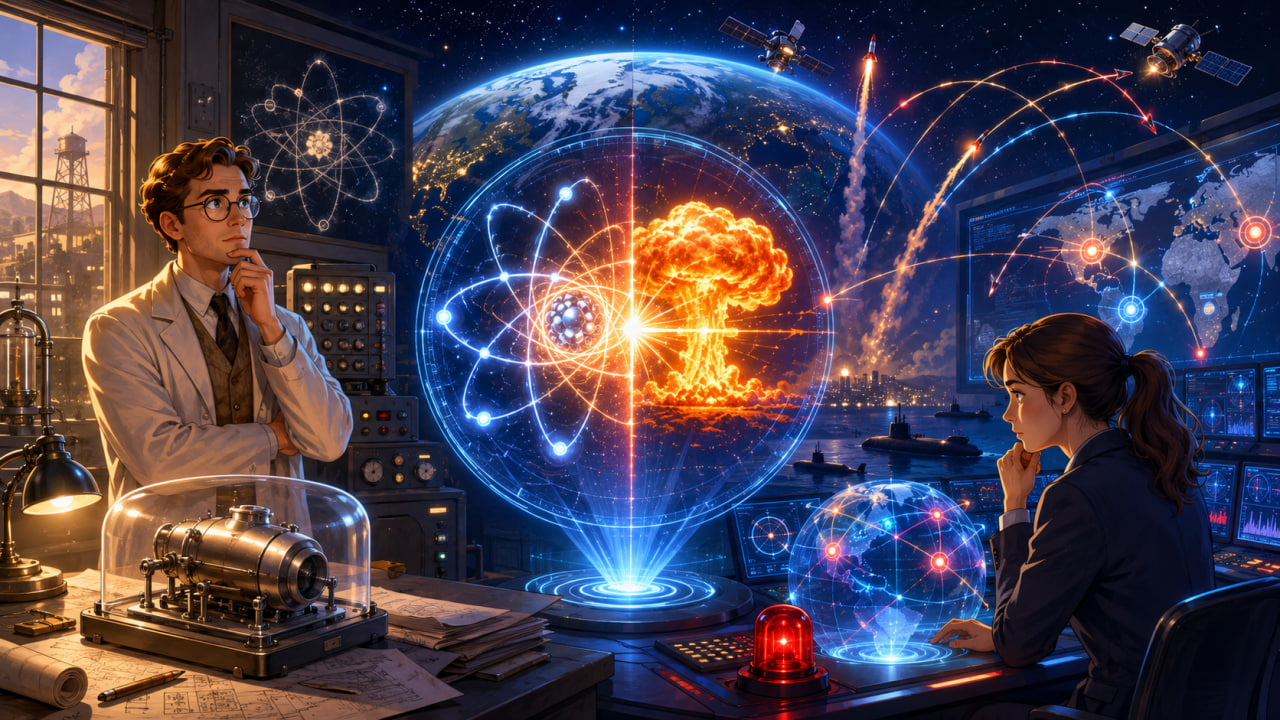
The Manhattan Project began as a secret wartime effort to build an atomic bomb before Nazi Germany could develop one. It succeeded with extraordinary speed, combining theoretical physics, industrial production, military organization, and enormous financial resources.