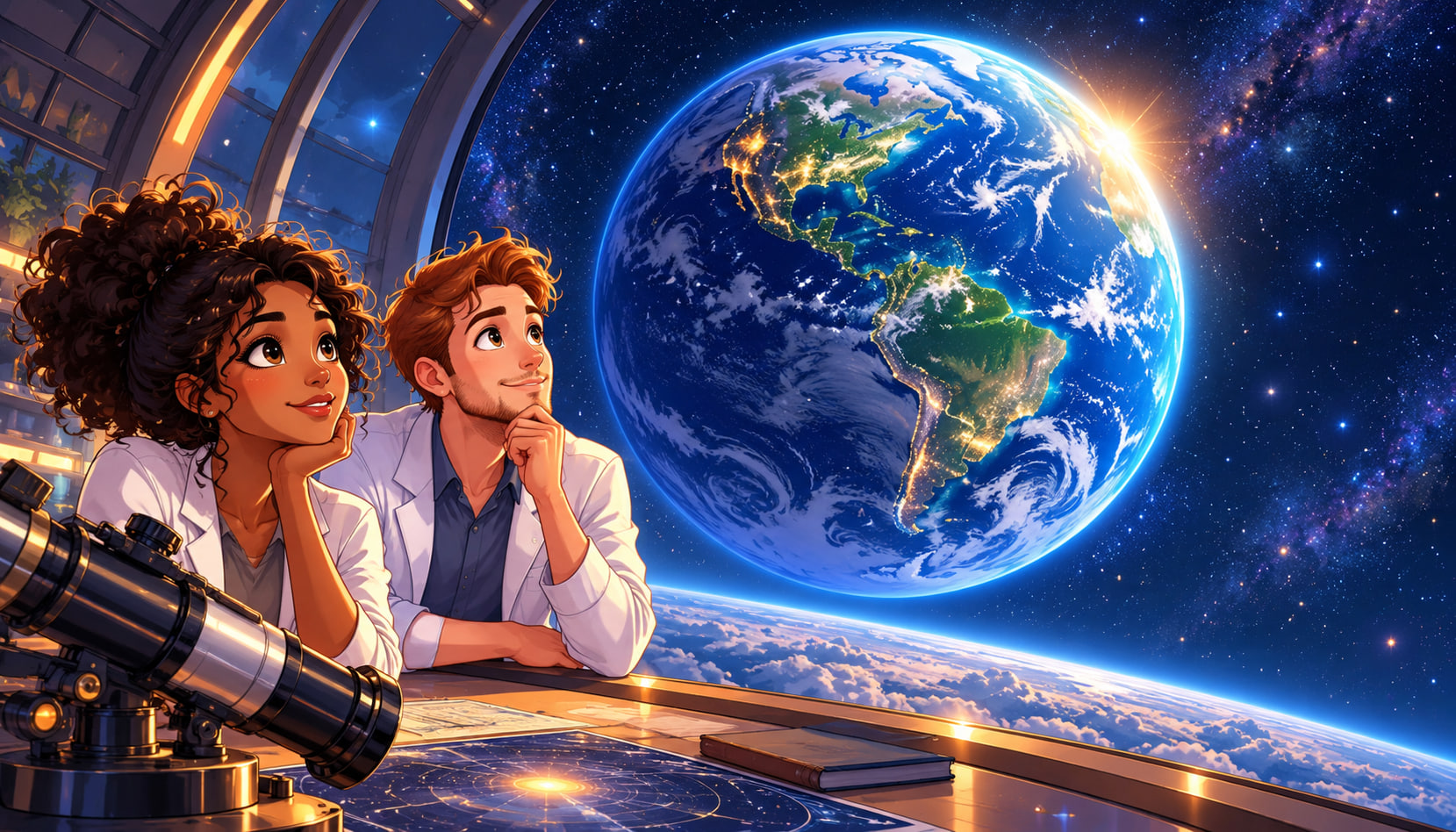
Imagine looking into the night sky and discovering that the Moon had never existed. No glowing full moons, no lunar eclipses, and no familiar lunar phases. The sky would look different, but the consequences would extend far beyond astronomy.
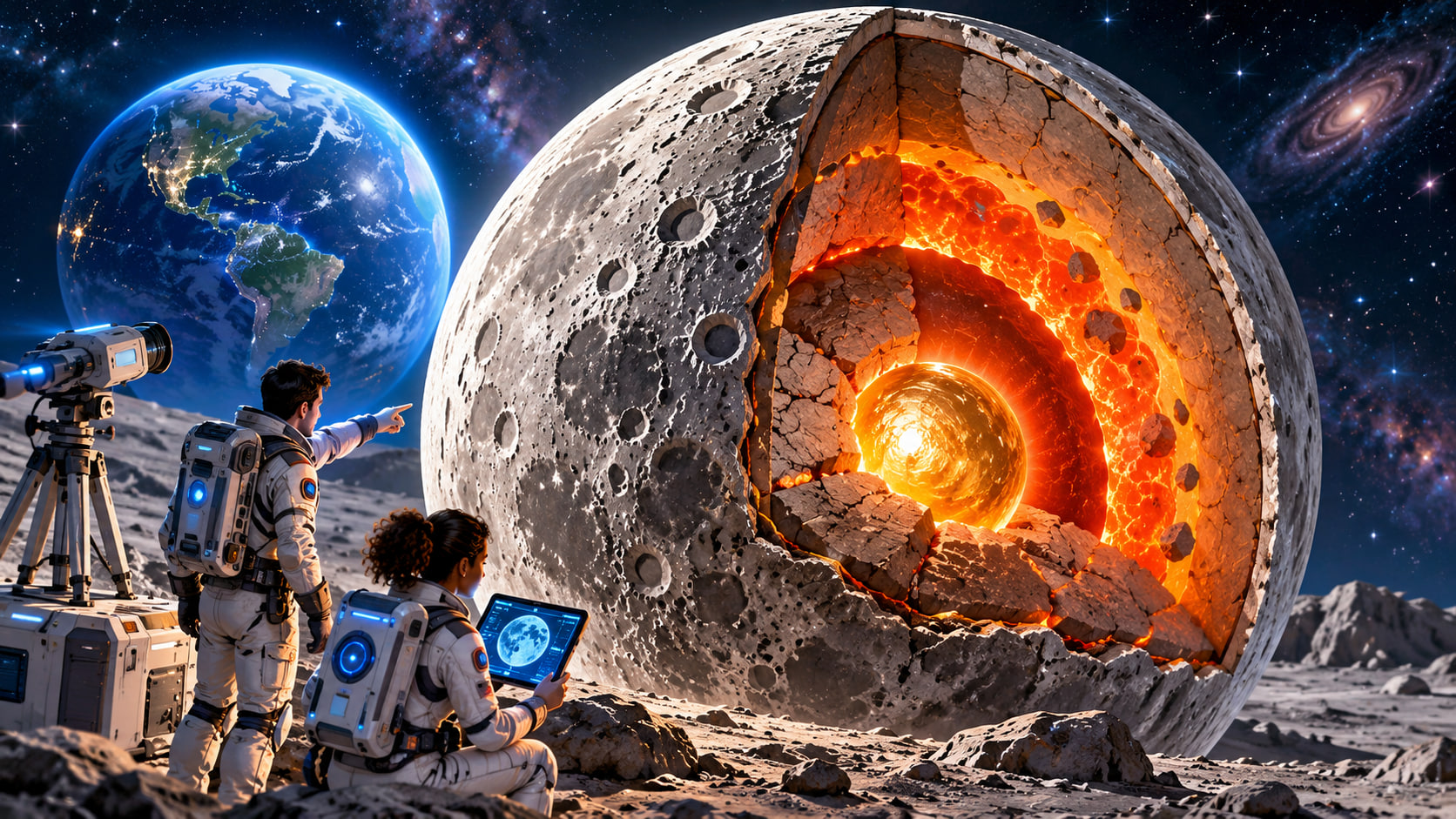
Modern research reveals that the Moon is not simply a solid ball of rock. It has a layered structure remarkably similar to Earth's, although its interior is much smaller and less geologically active.
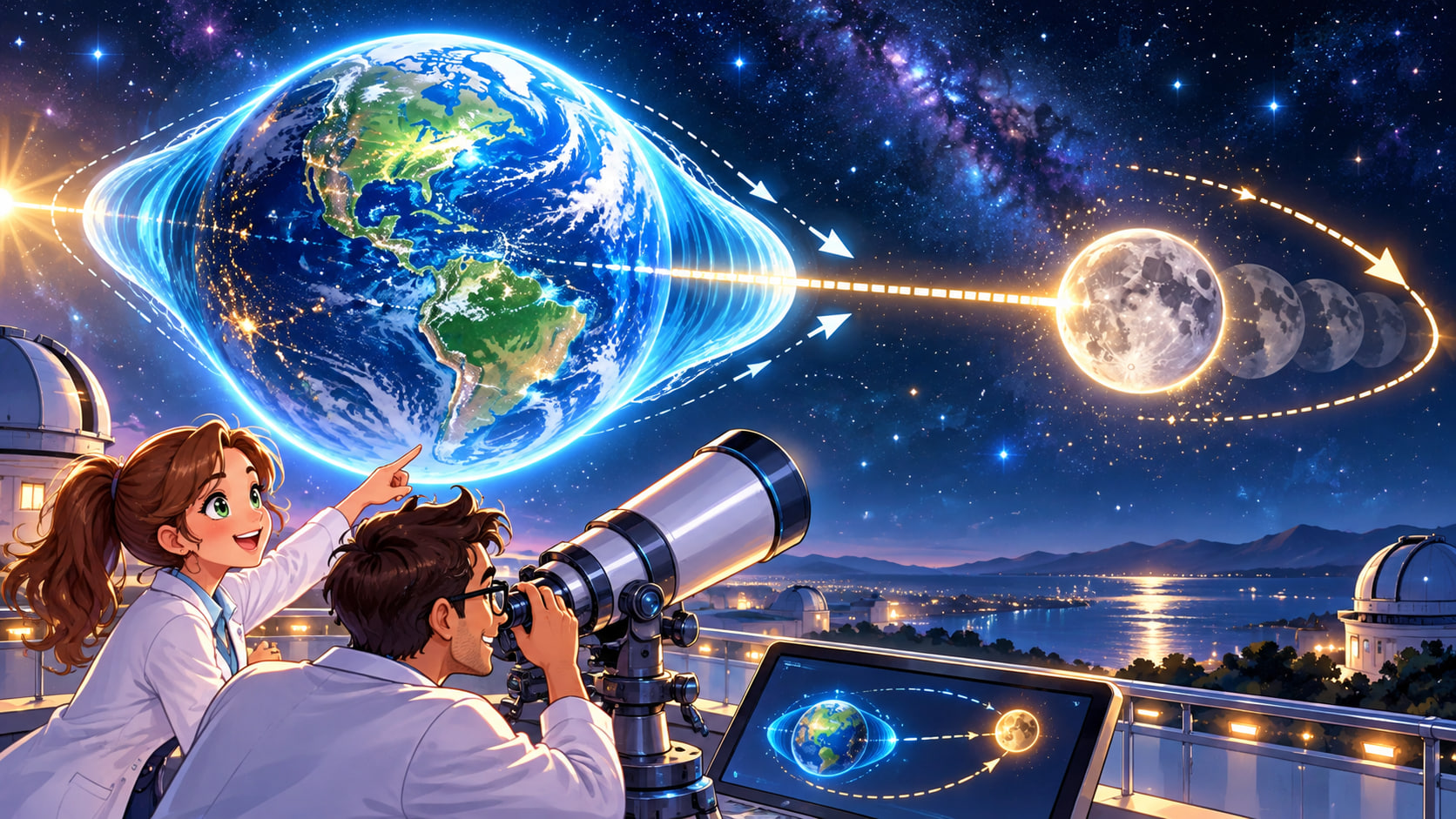
This movement is so gradual that it cannot be detected with the naked eye. However, modern scientific instruments can measure it with extraordinary precision.
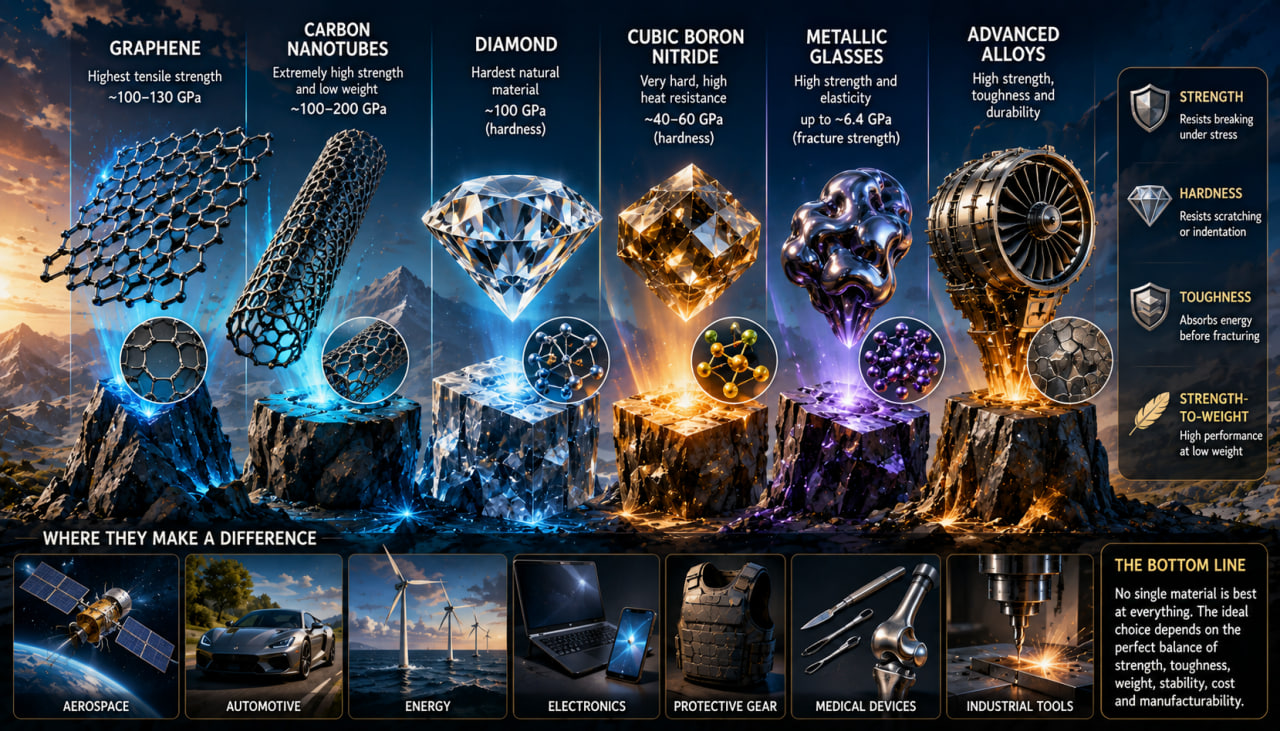
The answer depends on what “strongest” means. A material may resist stretching better than steel but crack easily when damaged. Another may be extremely hard yet unable to absorb a powerful impact. A third may survive enormous forces only when manufactured as a microscopic, nearly flawless sample.
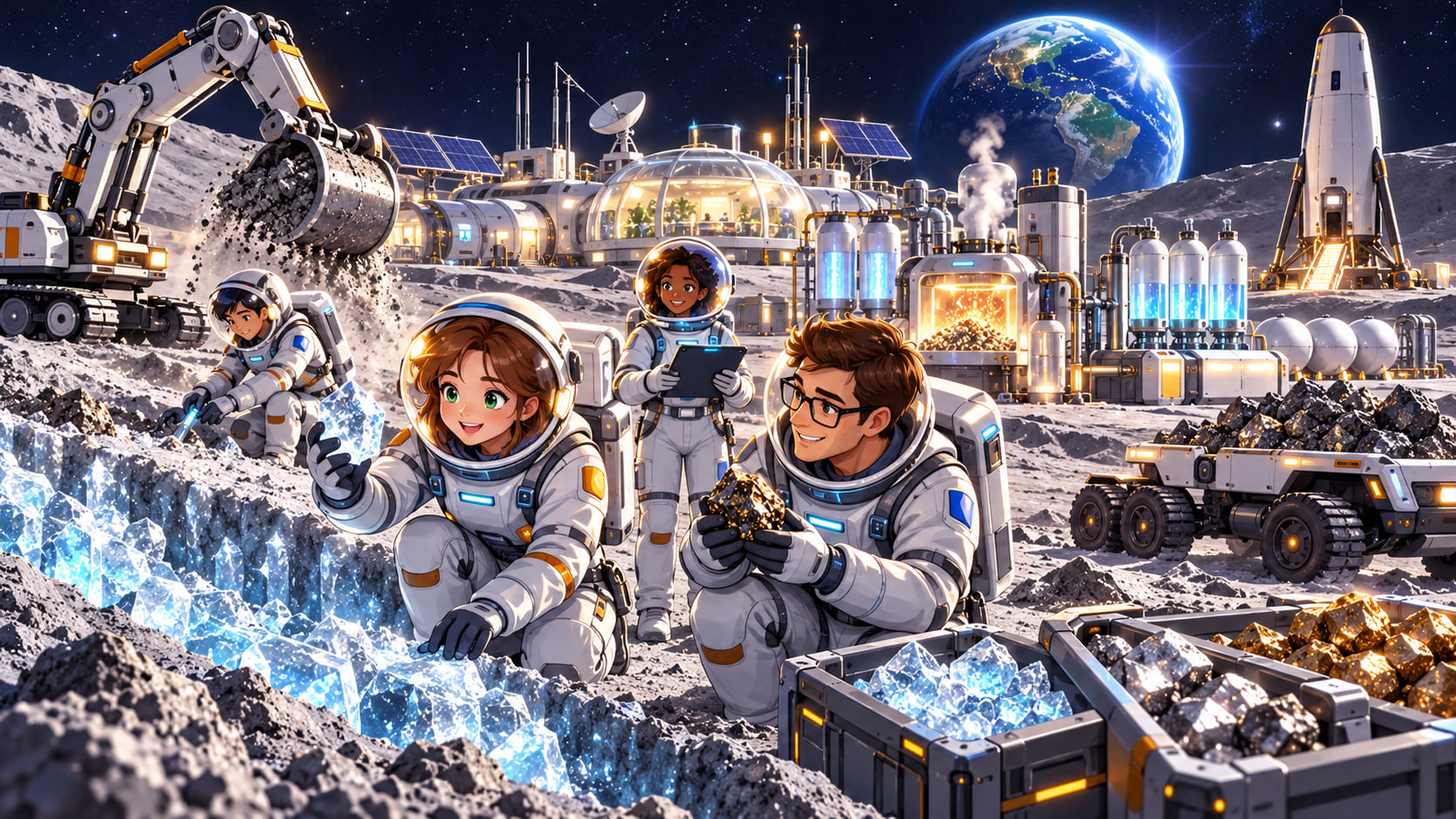
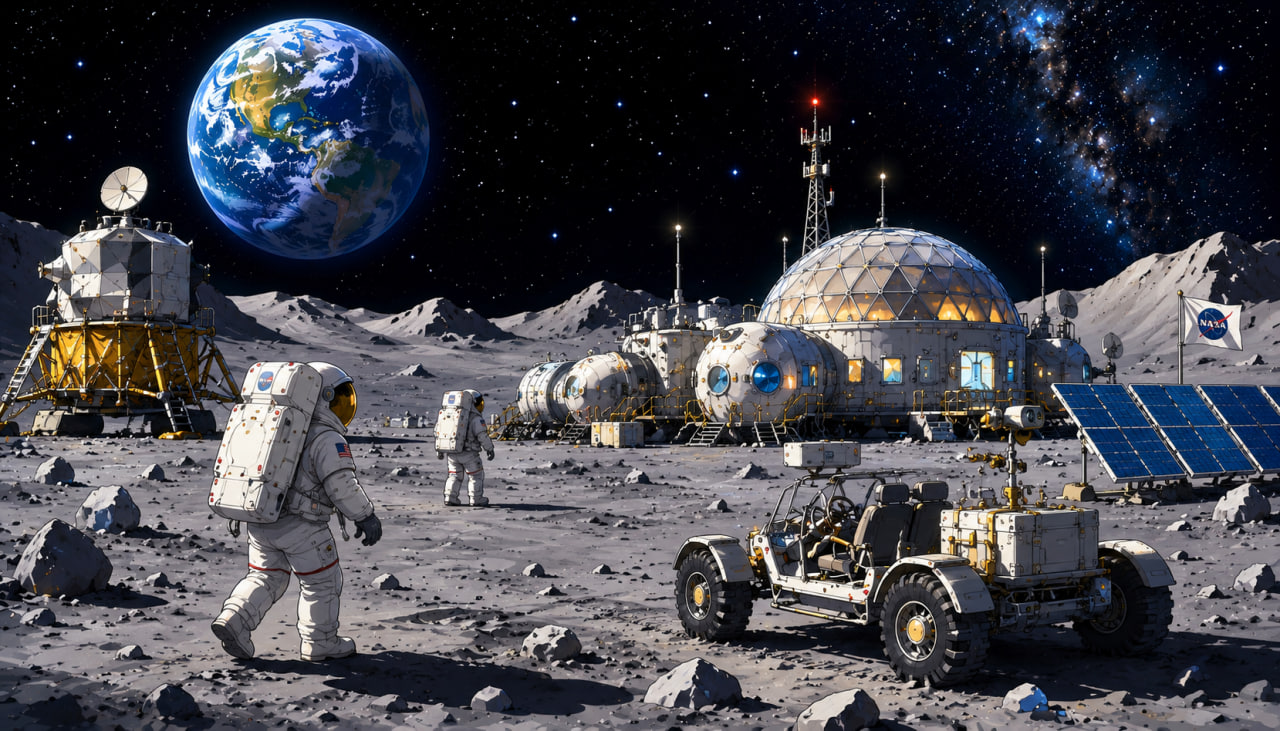
For centuries, the Moon inspired myths, scientific curiosity, and dreams of exploration. In the 20th century, those dreams became reality when humans first set foot on its surface. After decades of relative inactivity following the Apollo program, lunar exploration has entered an exciting new era. Governments and private companies are once again racing to explore the Moon—not simply to visit it, but to establish a long-term human presence. Modern Moon exploration combines advanced robotics, international cooperation, commercial innovation, and ambitious plans for future settlements. The Moon is no longer viewed only as a scientific destination but also as a stepping stone for future missions to Mars and beyond.
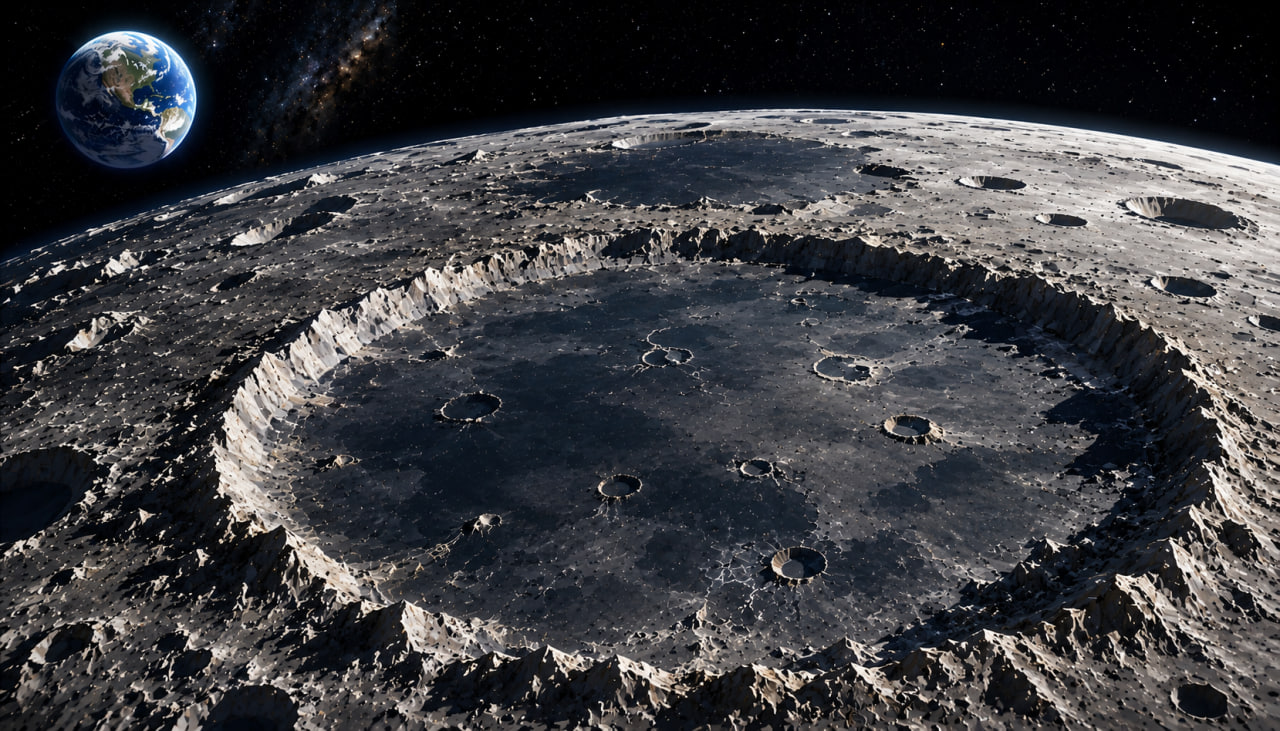
The Moon's surface is covered with countless craters, mountains, and vast dark plains that have fascinated astronomers for centuries. Among its most striking features is Mare Imbrium, or the Sea of Rains, one of the largest and most scientifically important impact basins in the Solar System. Despite its name, Mare Imbrium contains no water. Instead, it is a massive scar left by an ancient asteroid collision that forever changed the Moon's appearance. Studying Mare Imbrium allows scientists to reconstruct the violent history of the early Solar System, when enormous impacts were common and helped shape the planets and their moons. Today, it serves as a natural laboratory for planetary geology and provides valuable clues about the Moon's internal structure and evolution.
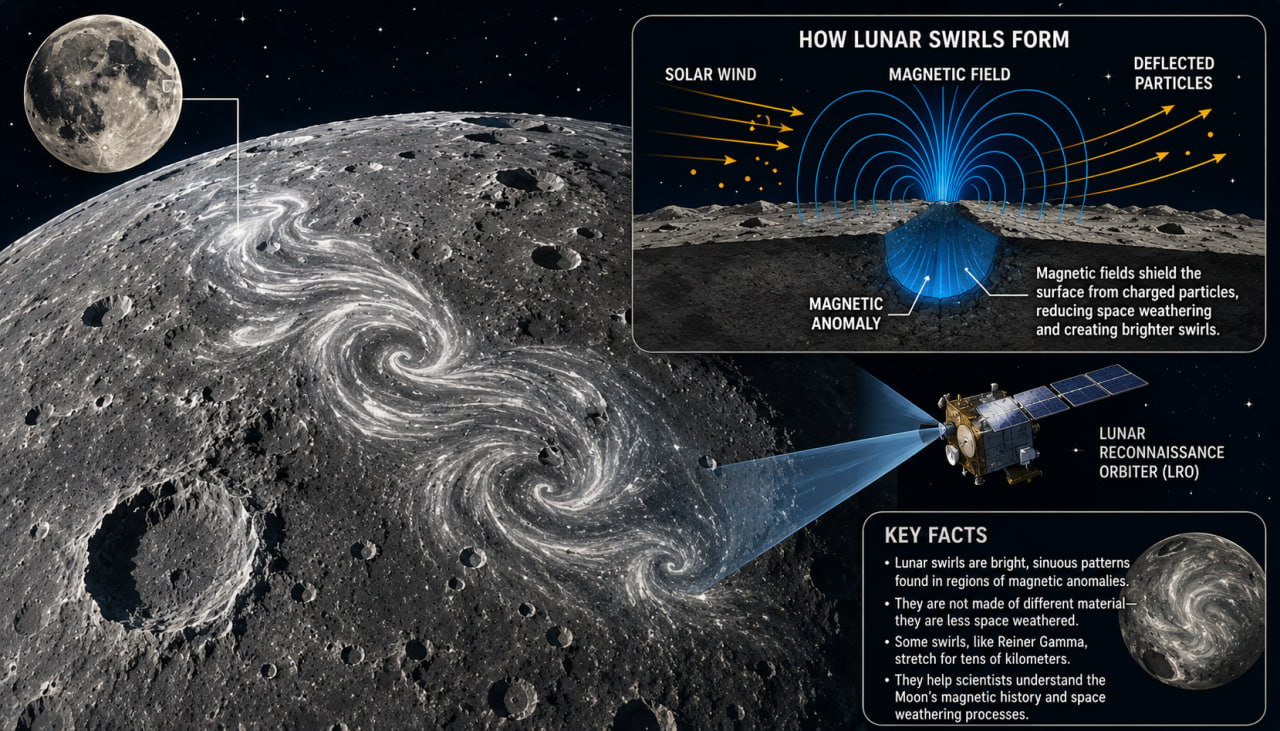
For centuries, the Moon appeared to be a simple gray world covered with craters and volcanic plains. However, modern spacecraft have revealed that its surface is far more complex than early astronomers imagined. Among the Moon's most fascinating features are lunar swirls—bright, sinuous markings that stretch across the surface in elegant looping patterns unlike any other known geological formation. These enigmatic structures puzzled scientists for decades because they do not correspond to mountains, valleys, lava flows, or impact craters. Instead, research has shown that lunar swirls are closely associated with localized magnetic fields, making them one of the most intriguing examples of planetary physics in the Solar System. Studying lunar swirls not only helps scientists understand the Moon's history but also provides valuable insights into space weathering, planetary magnetism, and the interaction between the solar wind and airless worlds.
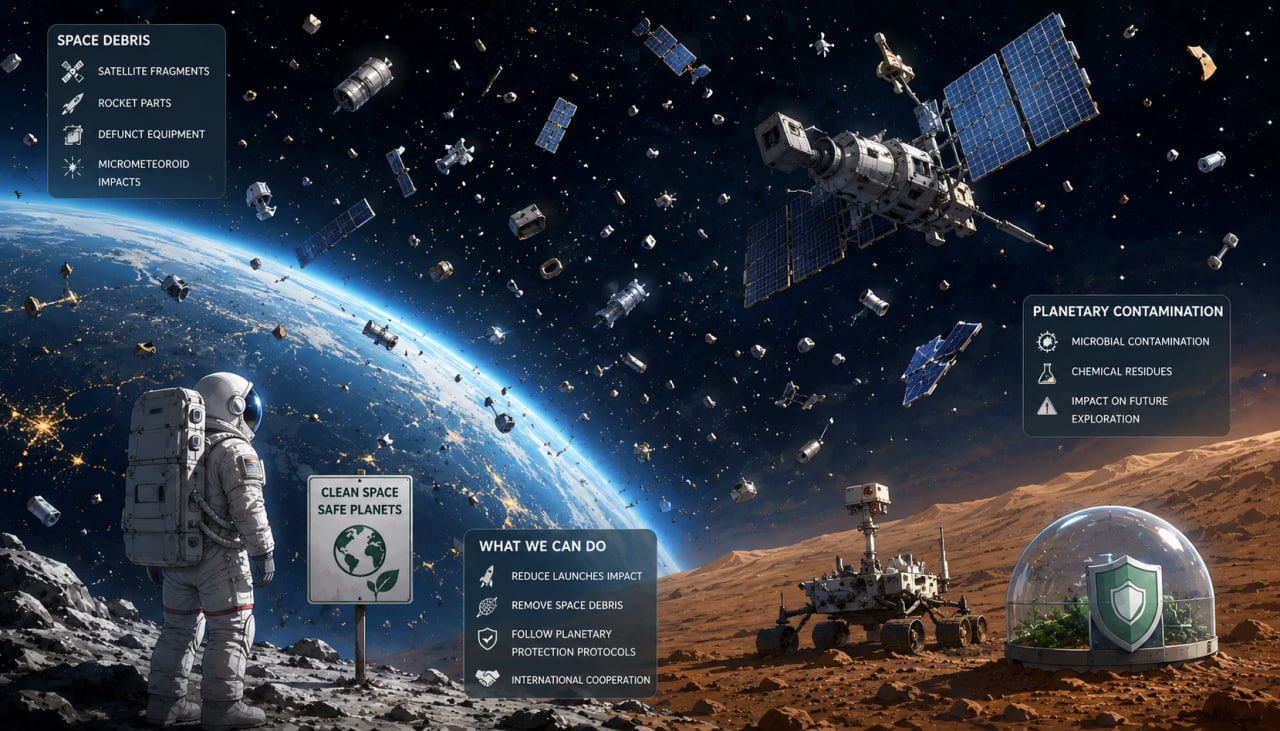
When people think about environmental protection, they usually imagine forests, oceans, rivers, air pollution, or climate change. However, human activity is no longer limited to Earth. Since the beginning of the Space Age in 1957, humanity has launched thousands of satellites, probes, rockets, and spacecraft into space. As a result, environmental concerns now extend far beyond our planet. Today, scientists face two major ecological challenges in space: space debris orbiting Earth and the risk of contaminating other worlds with terrestrial microorganisms and human-made pollutants. These issues have become increasingly important as commercial spaceflight, satellite constellations, lunar missions, and future Mars expeditions continue to expand.
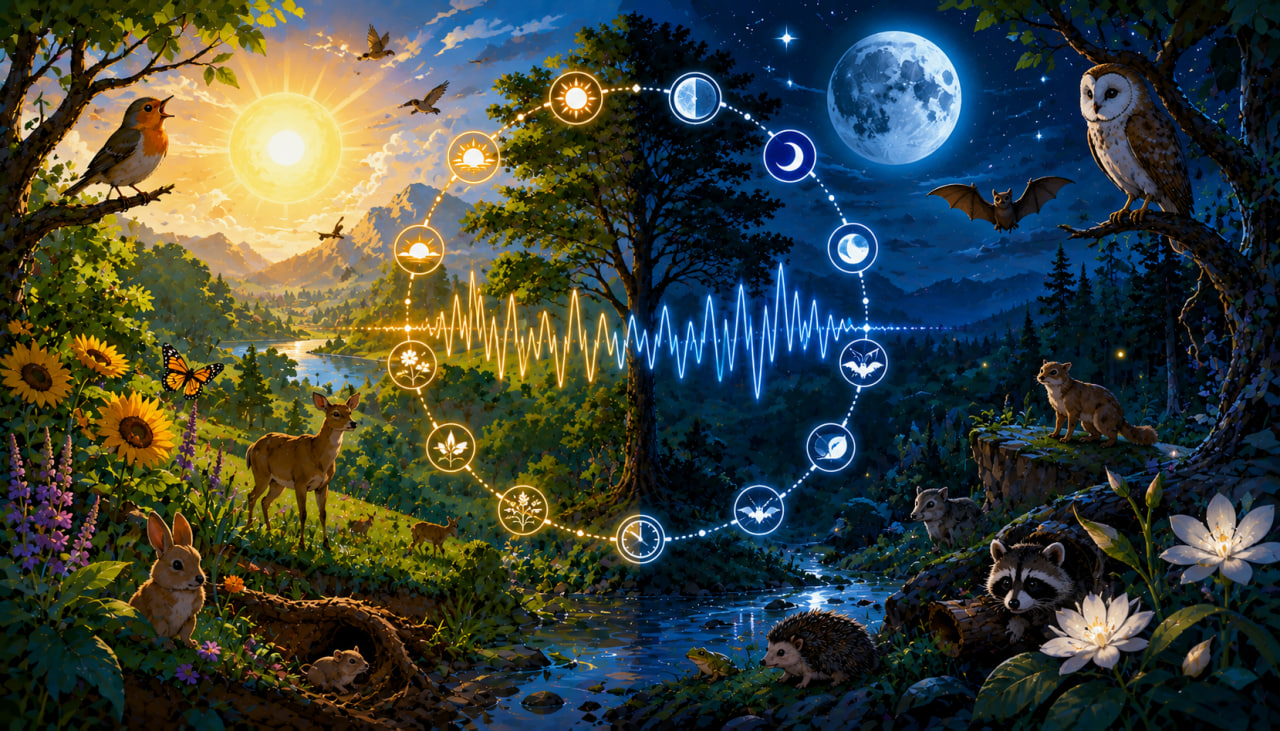
Life on Earth evolved under the constant influence of two dominant celestial bodies: the Sun and the Moon. Long before clocks, calendars, or modern technology existed, living organisms synchronized their behavior with the cycles of daylight, darkness, seasons, and lunar phases. Even today, from microscopic plankton to humans, biological processes continue to follow rhythms shaped by these astronomical influences. Scientists have discovered that many organisms possess internal biological clocks that help them anticipate environmental changes rather than merely react to them. These rhythms regulate sleep, reproduction, migration, feeding, growth, and countless other functions. Understanding how the Sun and Moon influence biological rhythms reveals one of the most fascinating connections between life and the cosmos.