Earth & Moon

Eclipses: The Spectacular Celestial Alignments That Fascinated Humanity for Millennia
Space Stories Solar System Earth & Moon

Eclipses: The Spectacular Celestial Alignments That Fascinated Humanity for Millennia

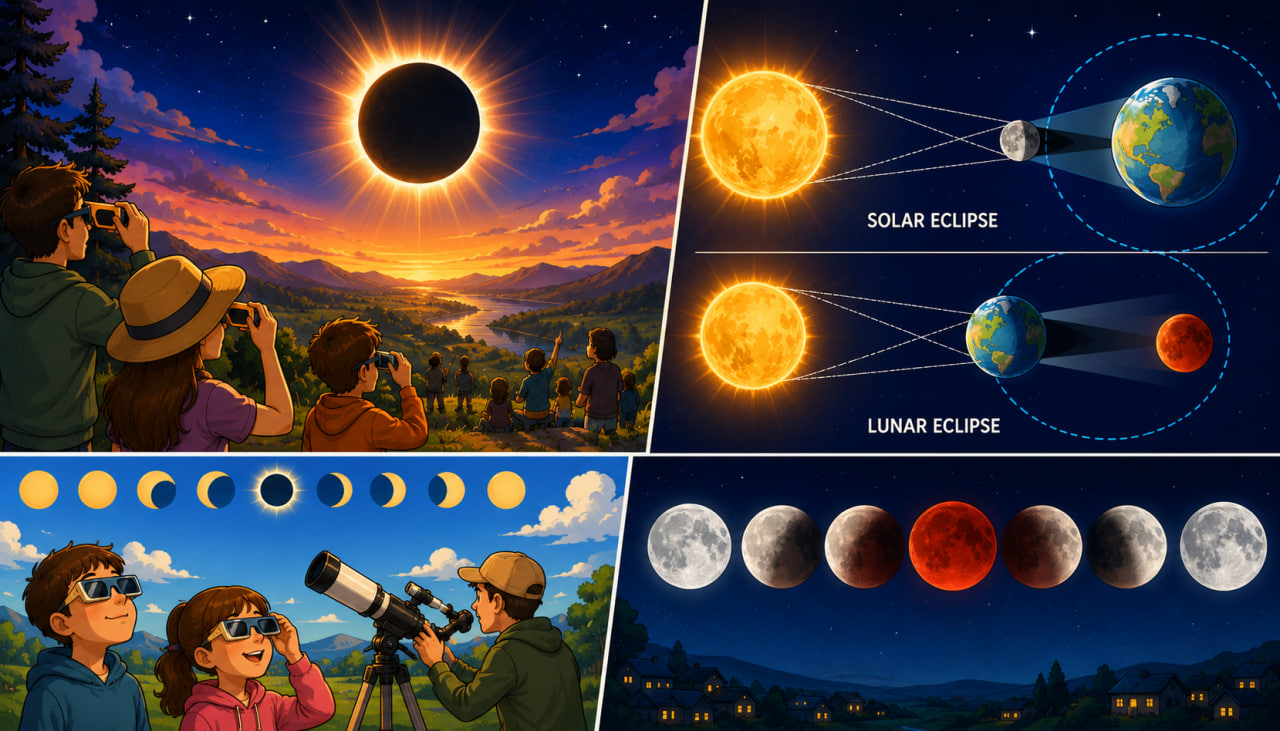
Few astronomical events capture human attention as powerfully as eclipses. For thousands of years, people viewed eclipses with fear, wonder, and curiosity. Ancient civilizations often considered them supernatural signs, while modern science explains them as predictable alignments between celestial bodies. Despite their scientific explanation, eclipses remain among the most breathtaking natural phenomena visible from Earth. Whether it is the dramatic darkening of the sky during a solar eclipse or the mysterious reddish glow of a lunar eclipse, these events remind humanity of the immense cosmic mechanics governing our Solar System. Today, eclipses continue to fascinate astronomers, photographers, travelers, and millions of ordinary observers around the world.
How the Moon Influences Our Planet
Science Solar System Earth & Moon

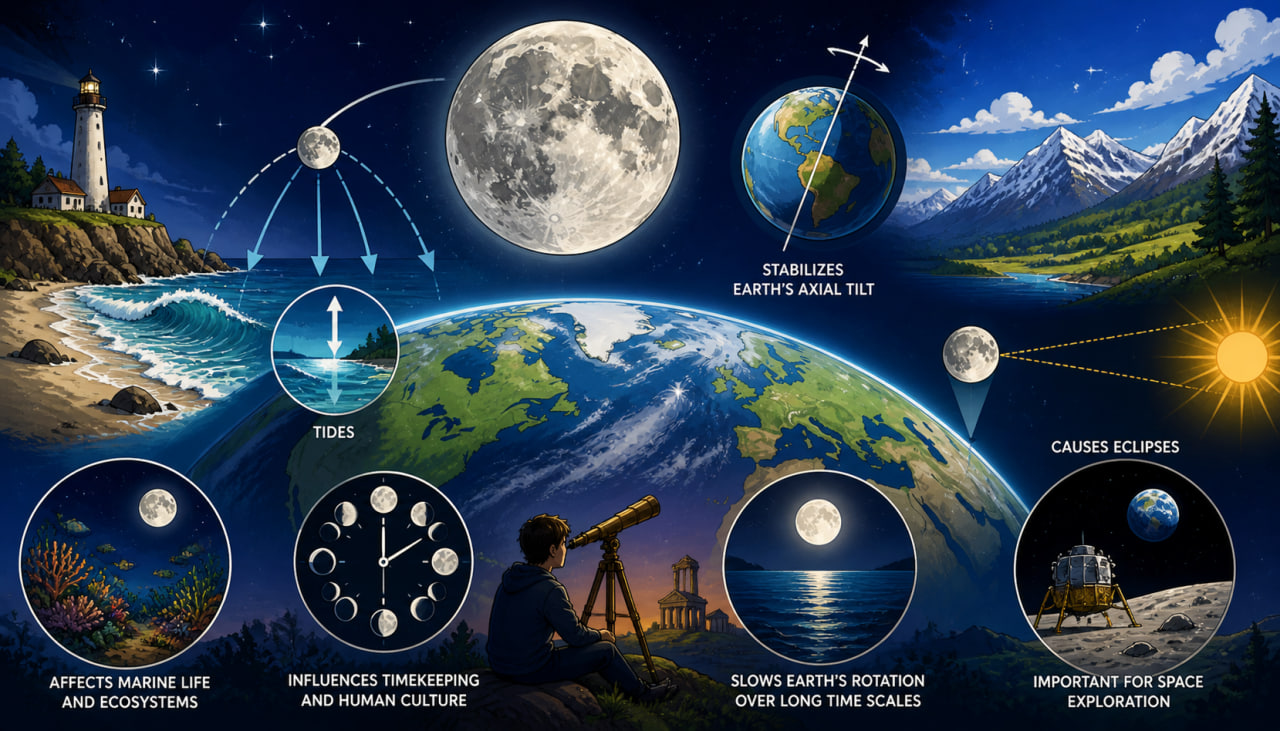
How the Moon Influences Our Planet

Earth’s natural satellite, the Moon, has fascinated humanity for thousands of years. Visible almost every night, it affects not only the beauty of the night sky, but also many important processes on our planet. Although the Moon appears calm and distant, its gravitational influence shapes Earth’s oceans, climate stability, biological rhythms, and even the long-term evolution of life itself. Without the Moon, Earth would likely be a very different world. Modern astronomy and planetary science show that this satellite plays a much greater role than many people realize.

What Is Oil and Where Did It Come From? A Complete Guide to Petroleum Formation
History Science Be Smart

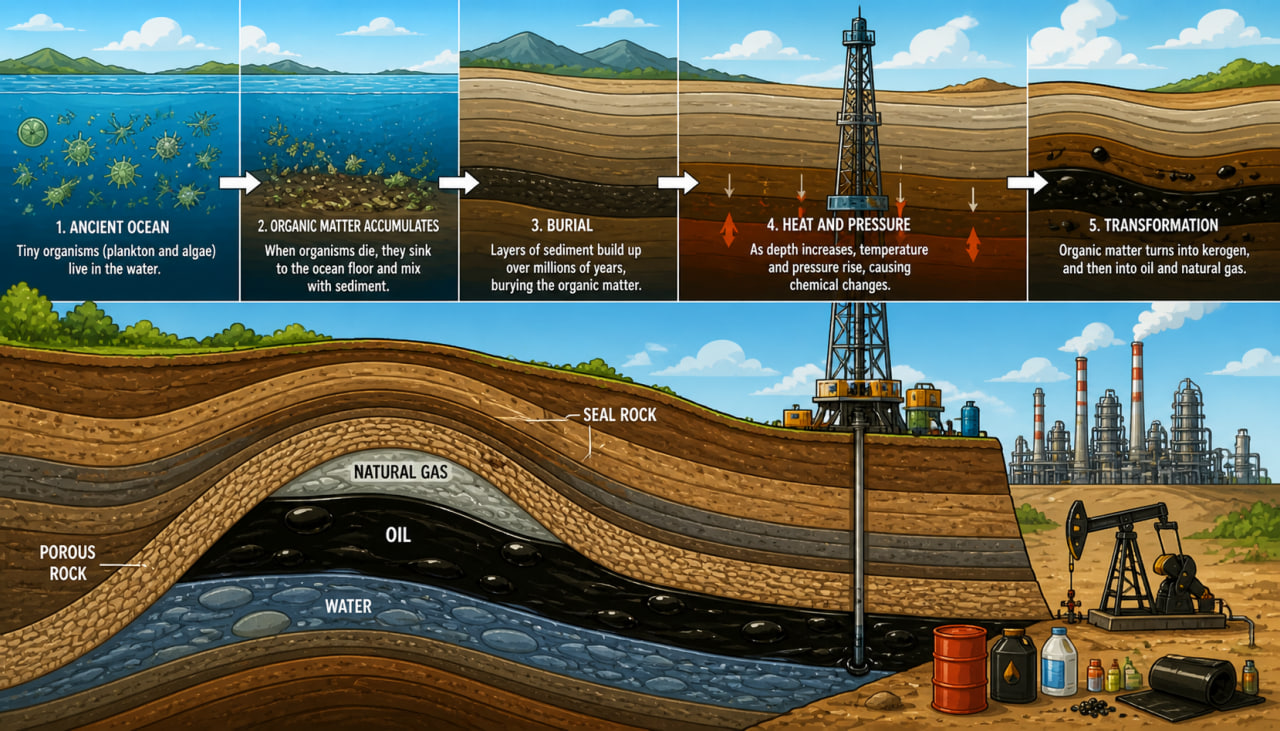
What Is Oil and Where Did It Come From? A Complete Guide to Petroleum Formation

Oil, also known as petroleum, is one of the most important natural resources in modern civilization. It fuels transportation, powers industries, and serves as the foundation for countless everyday products. But where does oil actually come from? The answer lies deep in Earth’s history. Scientists have discovered that oil is formed from ancient organic matter that transformed over millions of years under extreme conditions. Understanding oil helps explain both its value and its environmental impact.

Telescopes of the Future: Extremely Large Telescopes and Lunar Observatories
Cosmic Innovations Hi-Tech Smart Technology

Telescopes of the Future: Extremely Large Telescopes and Lunar Observatories

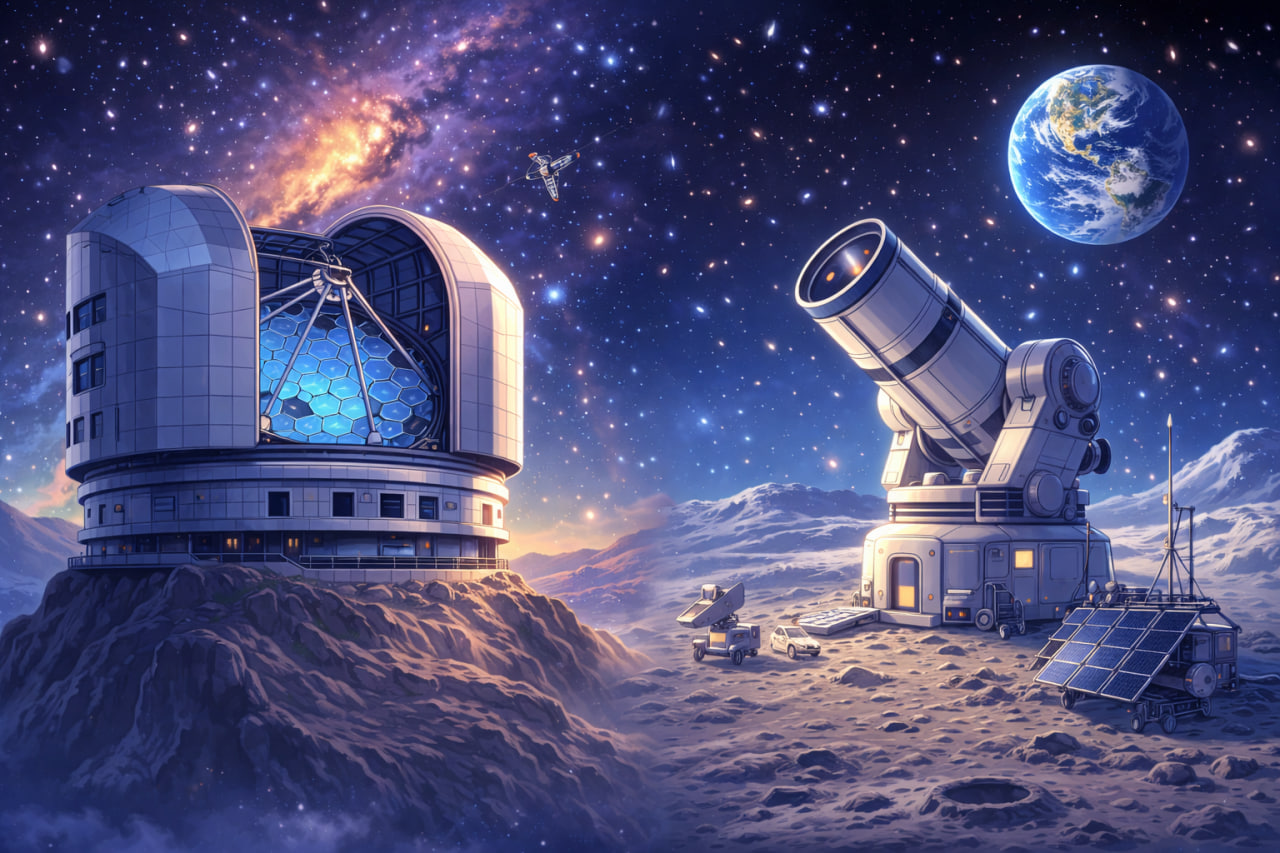
Humanity has always sought to explore the universe, and telescopes have been the primary tools enabling us to look deeper into space. Today, a new generation of instruments is being developed that promises to revolutionize our understanding of the cosmos. Among them are Extremely Large Telescopes (ELTs) on Earth and the concept of observatories on the Moon, both designed to overcome the limitations of current technology. These advanced systems aim to capture more light, produce sharper images, and observe distant objects that were previously beyond reach. As astronomy enters a new era, these innovations may help answer some of the biggest questions about the origin of the universe, dark matter, and the possibility of life beyond Earth. Understanding how these technologies work reveals why they are considered the future of astronomical discovery.

Artemis Mission: A New Era of the Lunar Race
Space Stories Cosmic Innovations Earth & Moon

Artemis Mission: A New Era of the Lunar Race

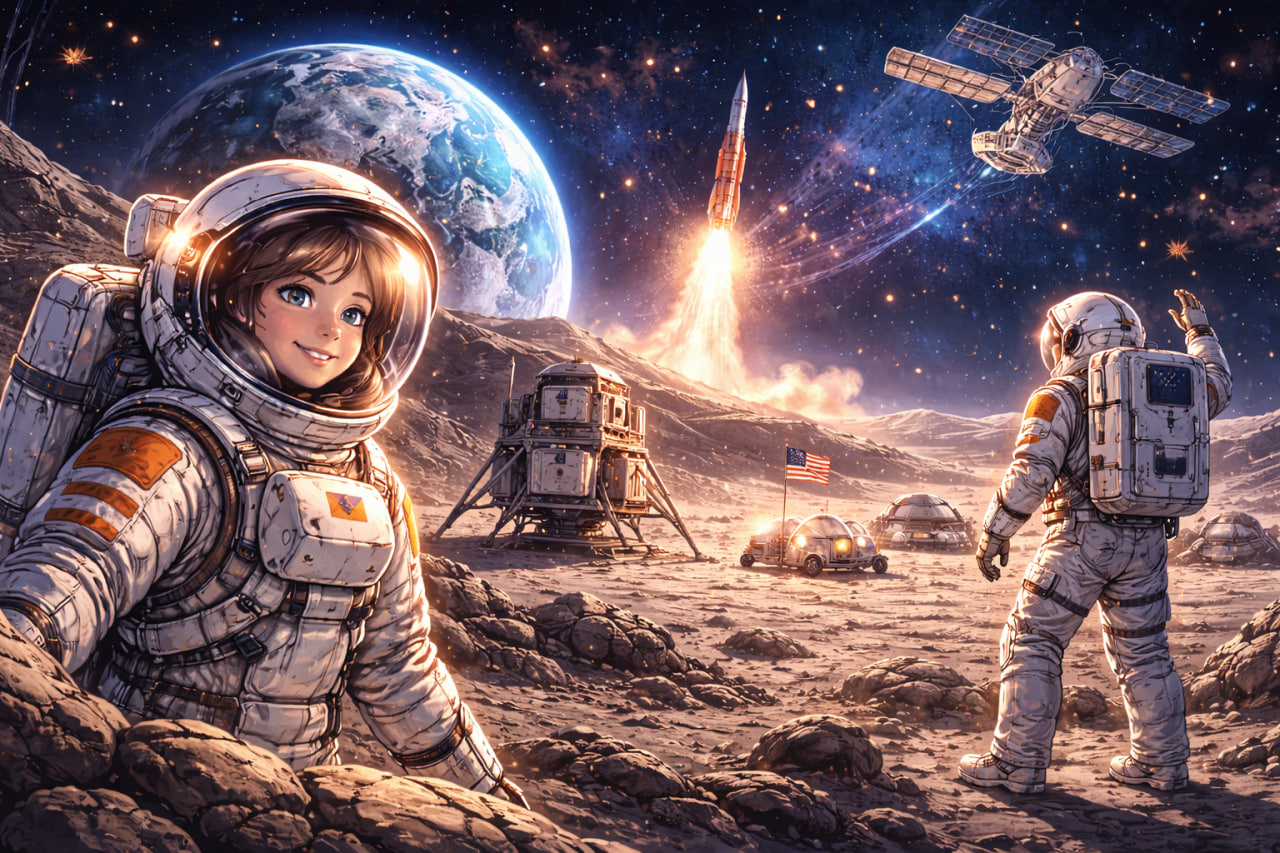
The Artemis program represents humanity’s return to the Moon and marks the beginning of a new phase in space exploration. Led by NASA in collaboration with international and commercial partners, this mission aims not only to land humans on the Moon again but to establish a sustainable presence. Unlike the Apollo missions of the 20th century, Artemis is designed with long-term goals, including preparing for future missions to Mars. It reflects a shift from short-term achievements to continuous exploration and development beyond Earth. This new lunar race is not just about competition—it is about cooperation, innovation, and expanding humanity’s reach into space.

Space Debris: What It Is and What We Can Do About It
Space Stories Be Smart Earth & Moon

Space Debris: What It Is and What We Can Do About It

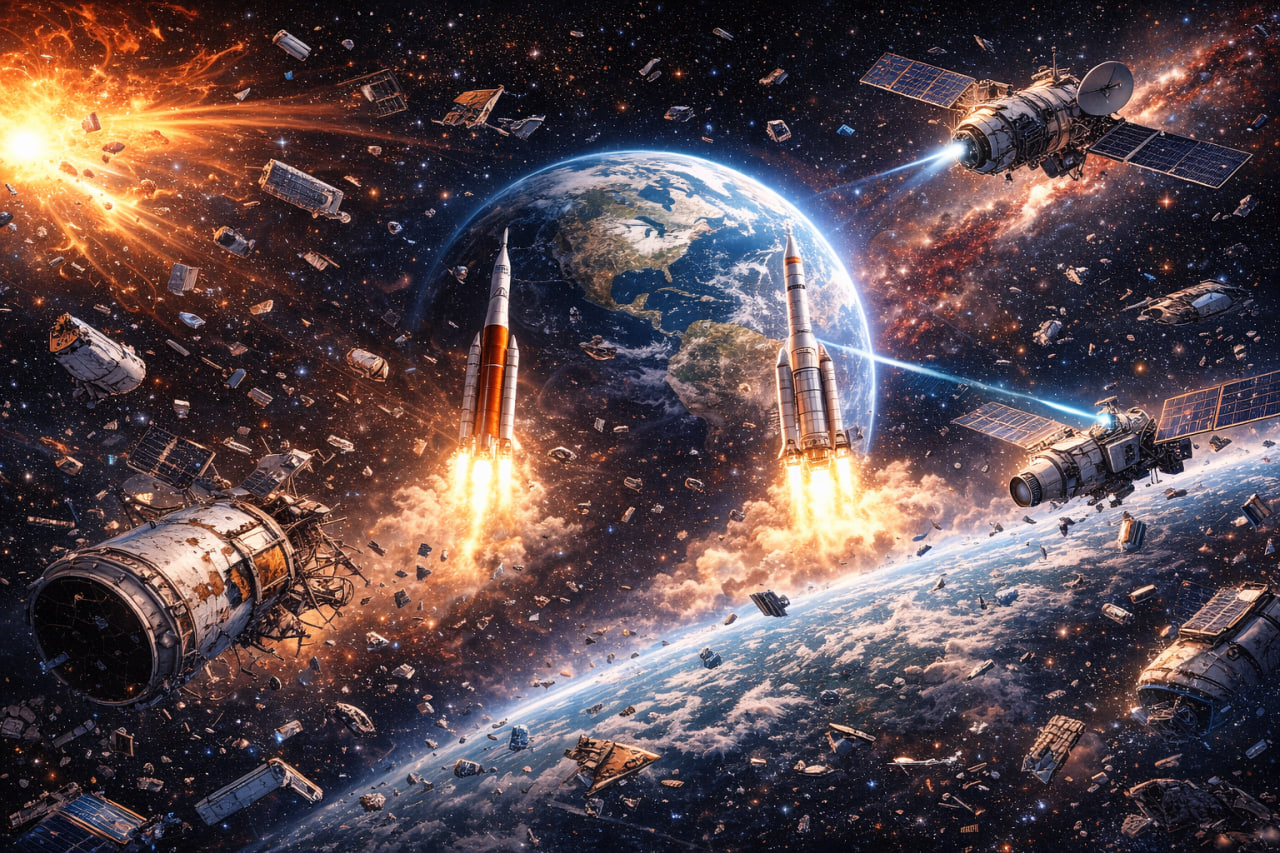
Space debris, often called space junk, refers to defunct satellites, fragments from collisions, and leftover parts of rockets orbiting Earth. While invisible to most people, this growing cloud of debris poses a serious threat to active satellites, space missions, and future exploration. Even tiny fragments can travel at extremely high speeds, making them capable of causing significant damage. As humanity becomes increasingly dependent on satellite technology, the issue of space debris is becoming more urgent. Understanding its origins and solutions is essential for maintaining safe and sustainable access to space.

Kessler Syndrome: When Space Becomes Too Dangerous to Use
Space Stories Be Smart Solar System

Kessler Syndrome: When Space Becomes Too Dangerous to Use

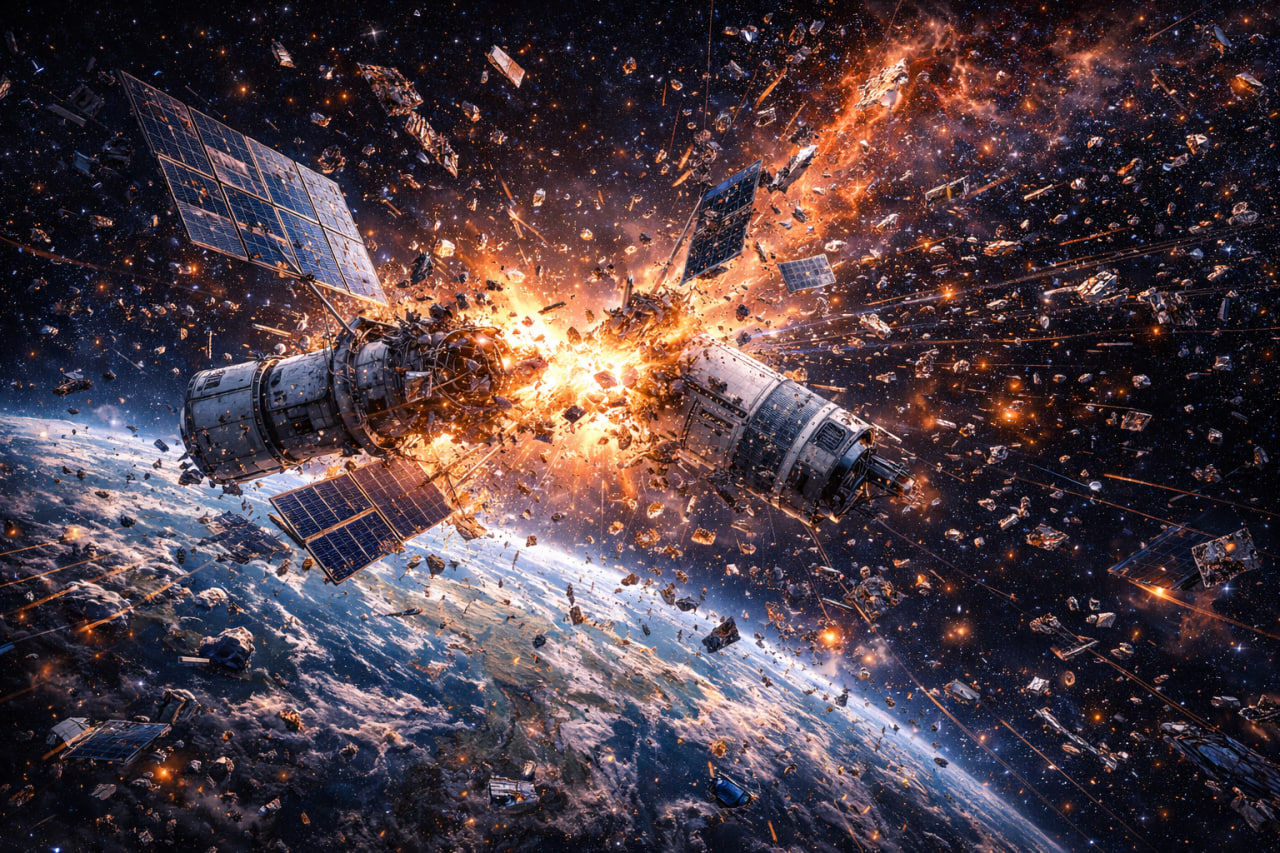
The Kessler Syndrome is a theoretical scenario in which the amount of space debris in Earth’s orbit becomes so dense that collisions between objects create a chain reaction, generating even more debris. Over time, this process could make certain orbits unusable, threatening satellites, space missions, and even future exploration. First proposed in 1978 by NASA scientist Donald Kessler, the concept has become increasingly relevant as the number of satellites and debris fragments continues to grow. What once seemed like a distant possibility is now considered a real and growing risk in modern space operations.

How Satellites Are Launched Into Orbit: From Earth to Space
Space Stories Cosmic Innovations Smart Technology

How Satellites Are Launched Into Orbit: From Earth to Space

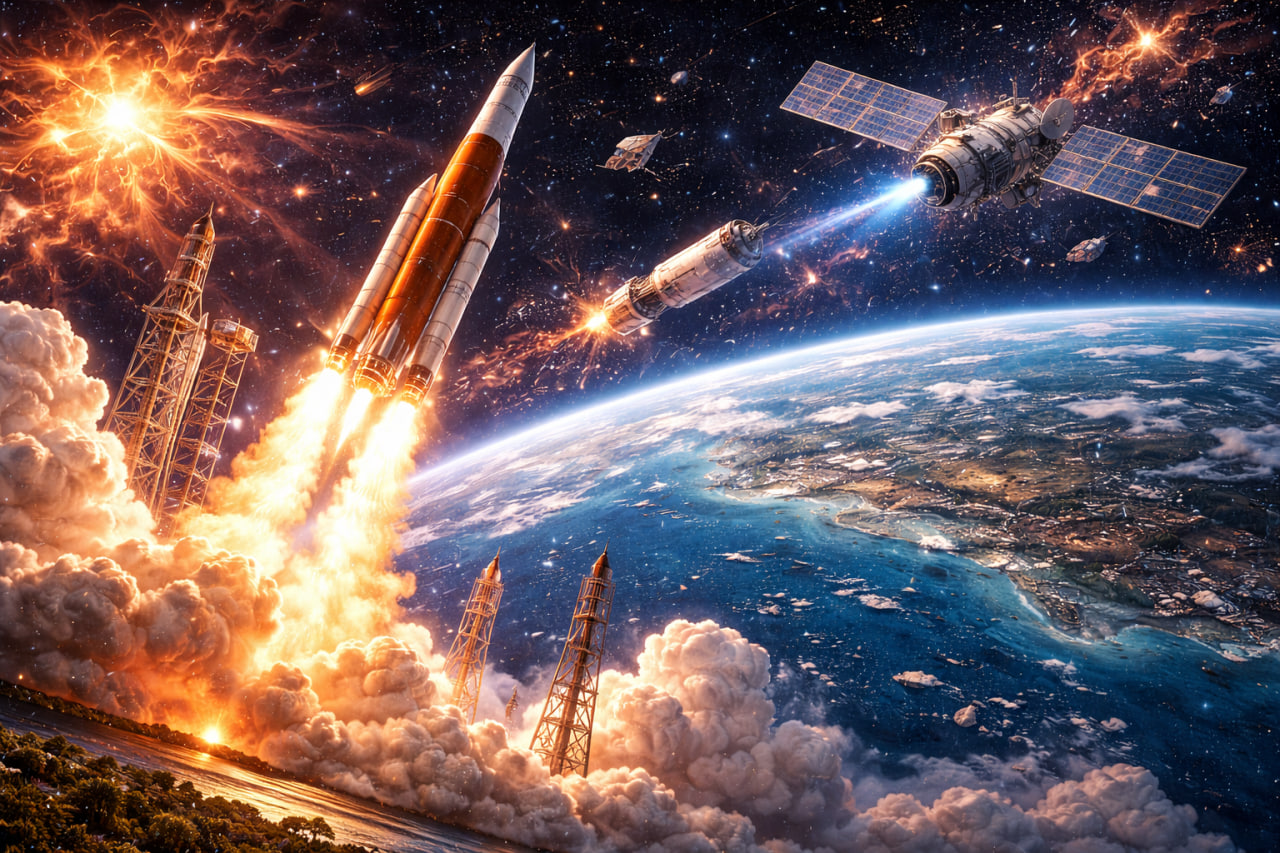
Launching a satellite into orbit is one of the most complex and precise processes in modern engineering. It requires overcoming Earth’s gravity, achieving the correct speed, and placing the satellite on a carefully calculated path around the planet. This process combines rocket science, physics, and advanced navigation systems. Every launch must be precisely timed and executed to ensure the satellite reaches its intended orbit safely and efficiently. Understanding how satellites are launched reveals the incredible coordination and technology behind everyday services like GPS, communication, and weather forecasting.

What Would Happen If Earth’s Core Stopped?
Be Smart Earth & Moon What if?

What Would Happen If Earth’s Core Stopped?

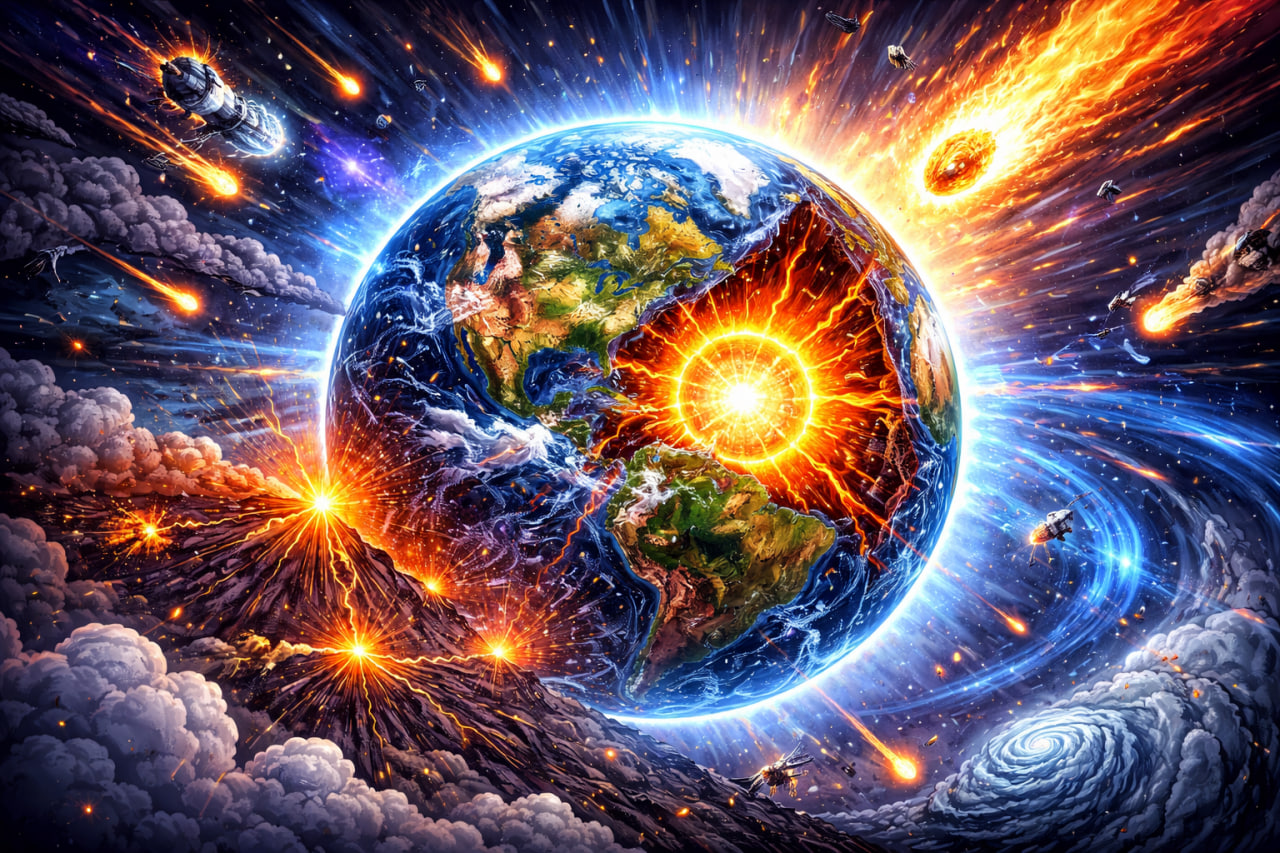
The idea of Earth’s core suddenly stopping is a dramatic scenario that helps us understand how important the planet’s internal dynamics are. The core of Earth, especially its liquid outer layer, is constantly moving. This movement generates the planet’s magnetic field and contributes to geological processes. If the core were to stop, the consequences would be profound and global. Although such an event is extremely unlikely, exploring it reveals how interconnected Earth’s systems are. The core plays a central role in maintaining conditions suitable for life. Without it functioning properly, many processes we take for granted would begin to change. This hypothetical situation highlights the importance of Earth’s internal structure.

Could the Moon Fall to Earth? What Science Says
Solar System Earth & Moon What if?

Could the Moon Fall to Earth? What Science Says

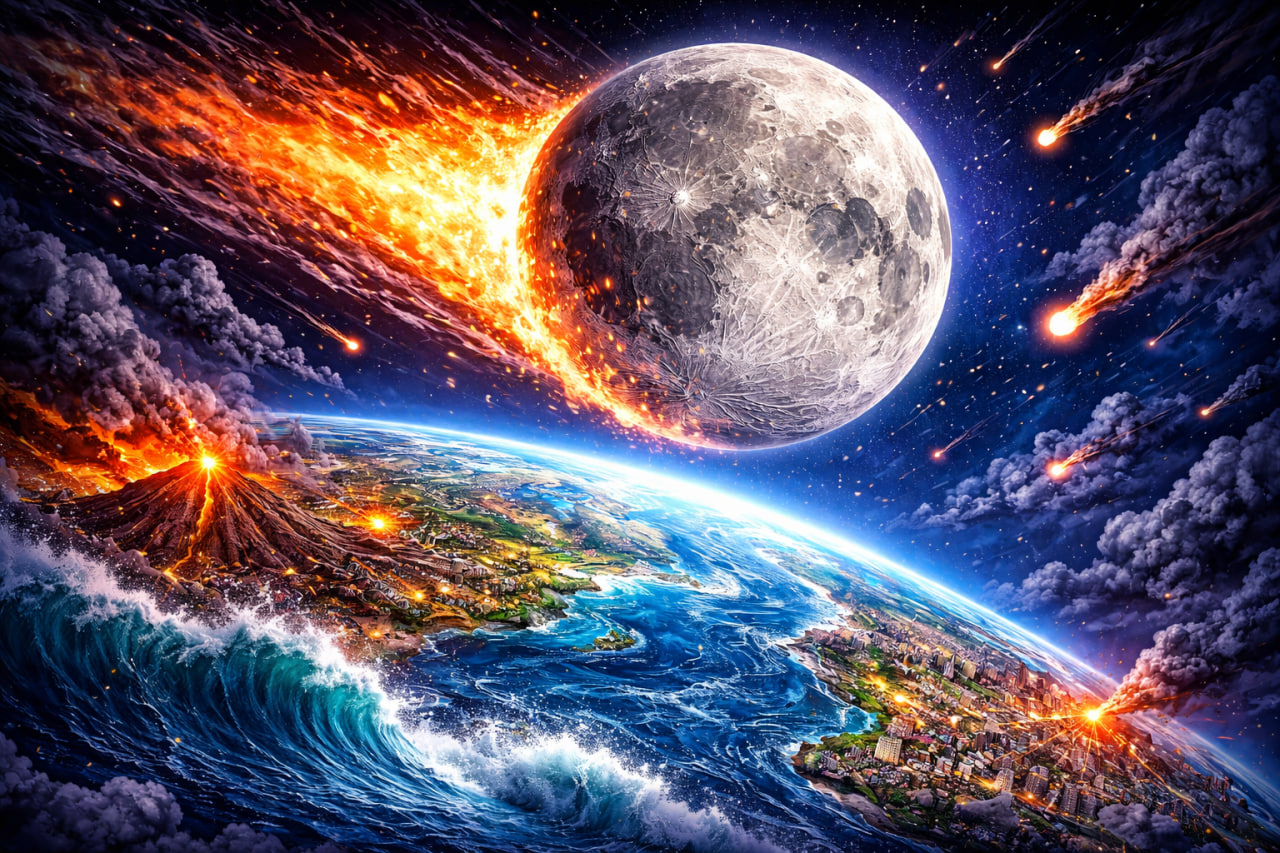
The idea that the Moon could suddenly fall to Earth is a dramatic and often frightening thought. However, according to modern science, such a scenario is extremely unlikely under natural conditions. The Moon is not simply “hanging” above Earth—it is in a stable orbit governed by gravity and motion. This balance between gravitational attraction and orbital velocity keeps the Moon moving around Earth rather than falling into it. For billions of years, this system has remained stable. In fact, the Moon is slowly moving away from Earth over time, not getting closer. Understanding orbital mechanics helps explain why a collision is not expected.