Earth & Moon

Space Weather: How Solar Storms Could Disrupt Electricity and the Internet
Space Stories Universe Solar System

Space Weather: How Solar Storms Could Disrupt Electricity and the Internet

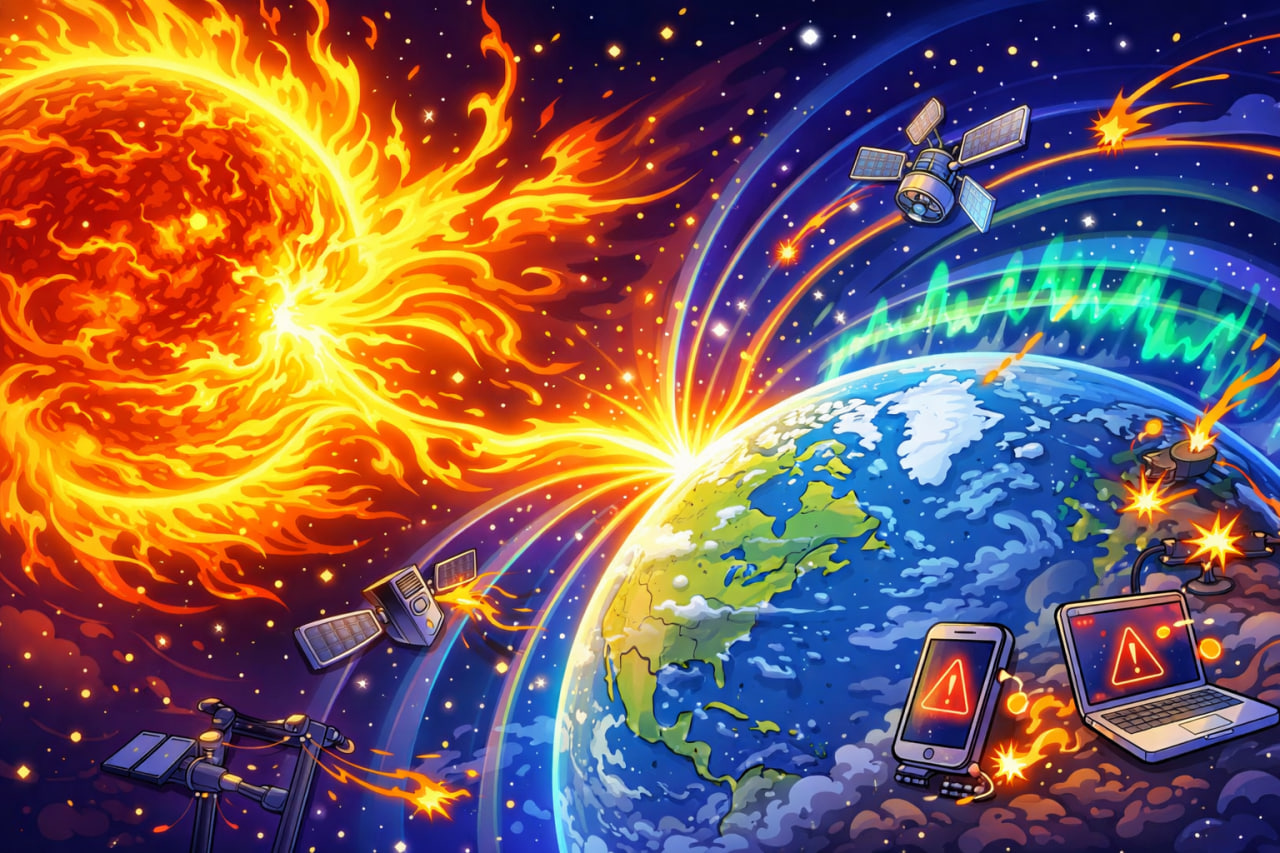
Space weather refers to conditions in space that are influenced by the activity of the Sun, particularly solar flares and coronal mass ejections. Although space may seem distant, solar activity can have direct and powerful effects on Earth. These events release enormous amounts of energy and charged particles that travel through space at high speeds. When they reach Earth, they interact with the planet’s magnetic field and atmosphere. Under certain conditions, this interaction can disrupt modern technological systems. In a world that depends heavily on electricity and digital communication, such disruptions could have serious consequences. Understanding space weather is essential for protecting infrastructure and maintaining global stability.
What Lies Inside Earth’s Core: Exploring the Planet’s Hidden Interior
Science Be Smart Earth & Moon

What Lies Inside Earth’s Core: Exploring the Planet’s Hidden Interior

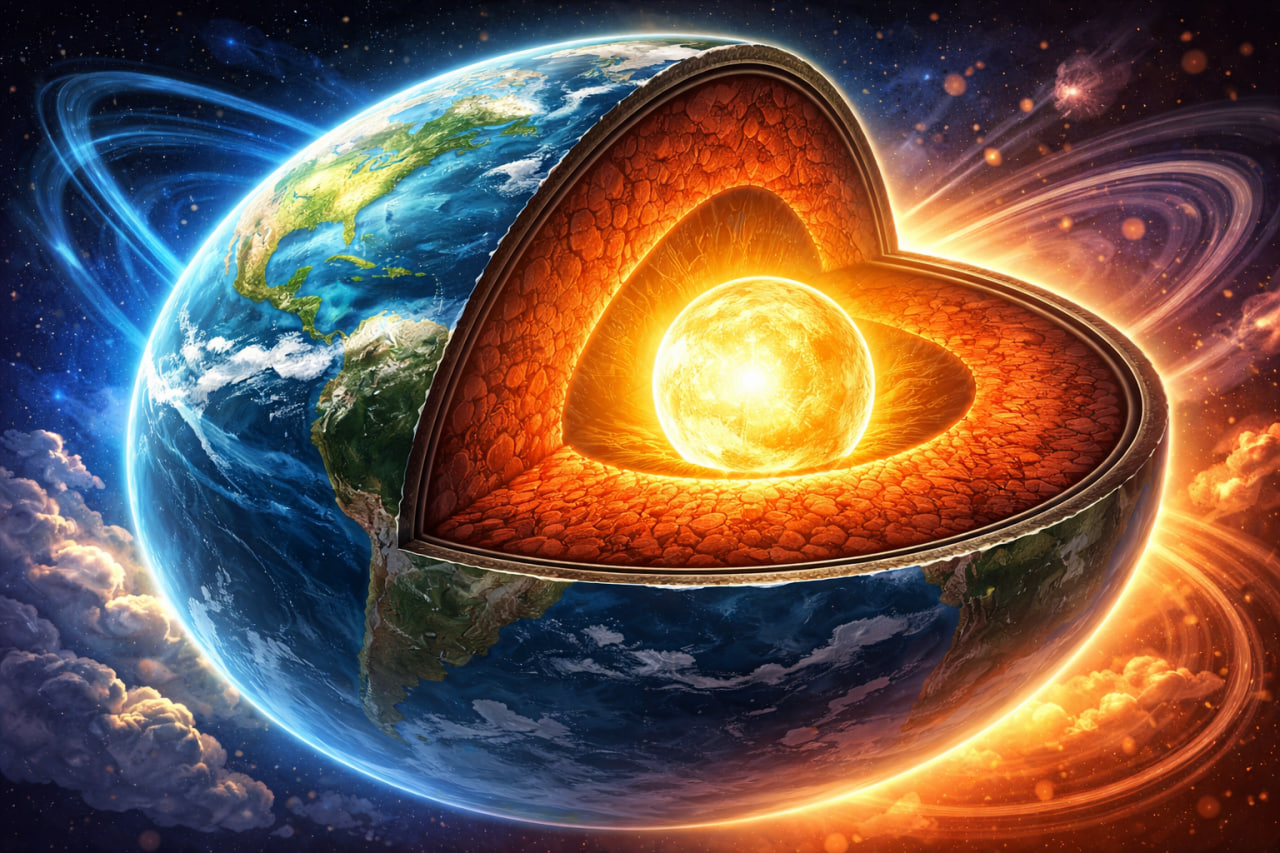
The interior of Earth is one of the most mysterious and fascinating parts of our planet. Although we cannot directly observe it, scientists have developed detailed models of its structure using seismic data and advanced research methods. The Earth is divided into several layers, including the crust, mantle, outer core, and inner core. At the very center lies the core, which plays a crucial role in shaping the planet’s magnetic field and geological activity. Temperatures and pressures in this region are extreme, reaching levels far beyond anything found on the surface. Despite these conditions, the core is essential for maintaining life on Earth. Understanding its structure helps scientists explain many natural processes, from earthquakes to magnetic phenomena.

The Moon: What Lies Beneath Its Lifeless Surface?
Space Stories Universe Solar System

The Moon: What Lies Beneath Its Lifeless Surface?

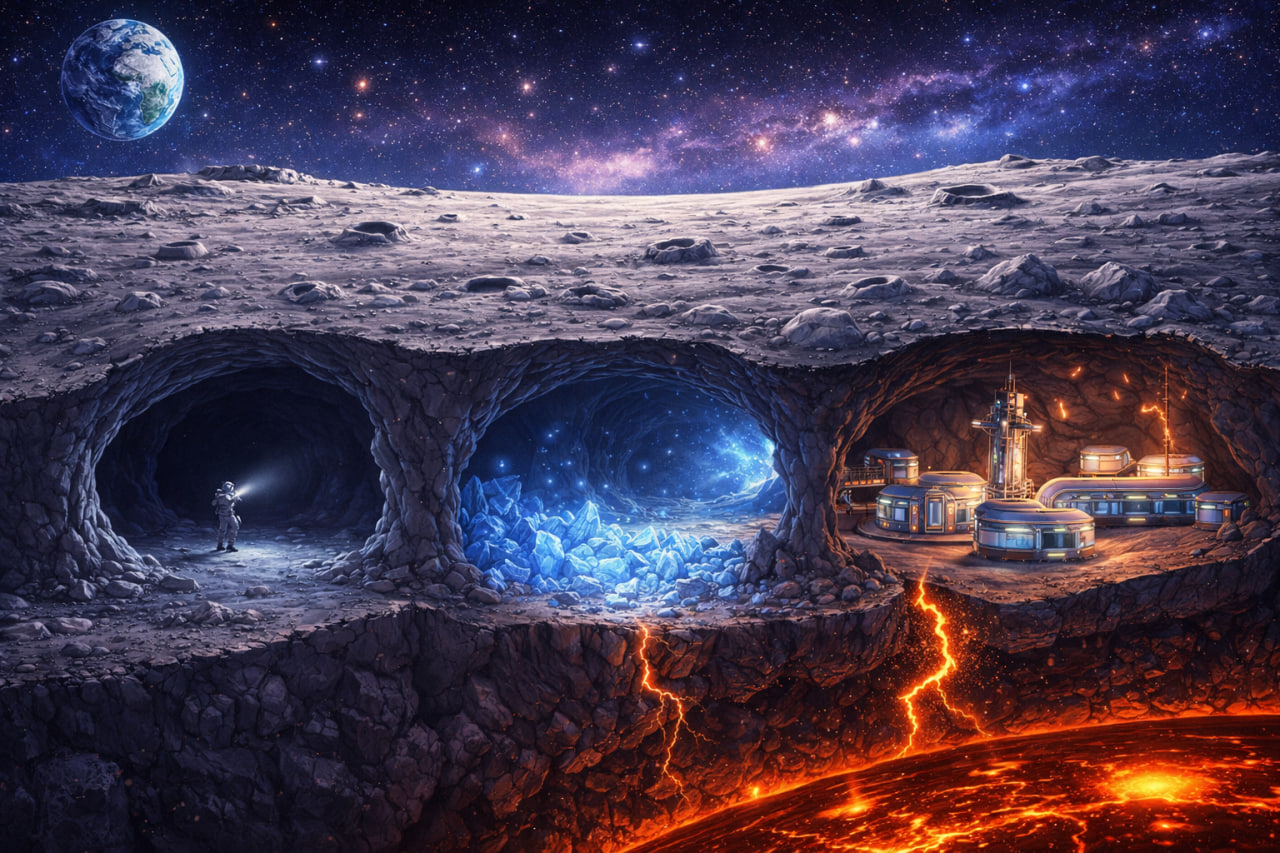
At first glance, the Moon appears to be a barren and lifeless world, covered in dust, craters, and silent plains. However, beneath its seemingly inactive surface lies a complex history and hidden structures that continue to intrigue scientists. The Moon preserves a record of billions of years of solar system evolution, acting as a time capsule untouched by weather, water, or tectonic activity. Modern missions and advanced instruments have revealed that its interior is far more dynamic than once believed. From subsurface ice to geological layers and ancient lava tubes, the Moon holds secrets that could reshape our understanding of planetary formation and even support future human exploration. Exploring what lies beneath the lunar surface is key to unlocking its past—and its potential future.

Volcanism on the Moon: Evidence of an Ancient Fire
Space Stories Universe Solar System

Volcanism on the Moon: Evidence of an Ancient Fire

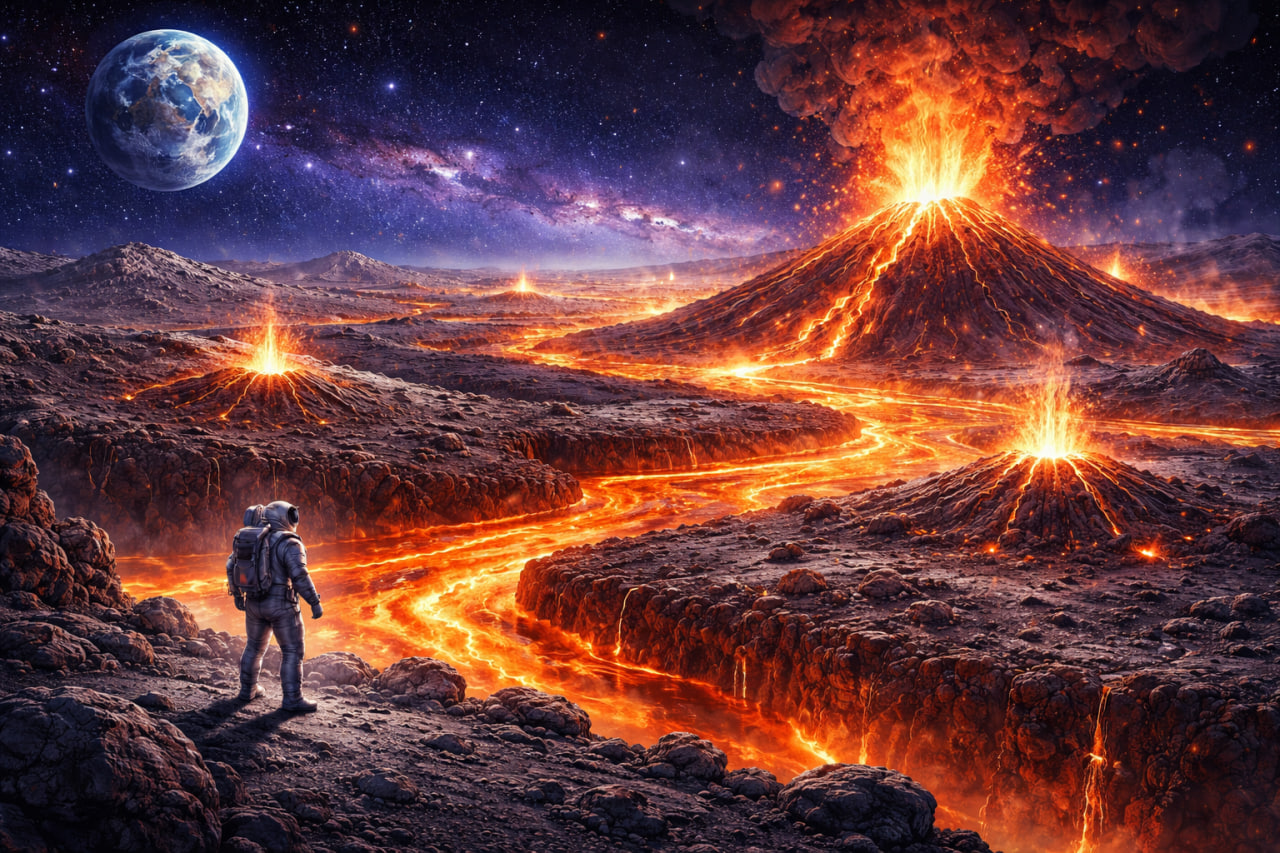
Today, the Moon appears cold, silent, and geologically inactive, but billions of years ago it was shaped by intense volcanic activity. Vast dark plains known as lunar maria were created by enormous lava flows that spread across the surface after powerful eruptions from the Moon’s interior. These features, visible even from Earth with the naked eye, show that the Moon was once a far more dynamic world than it appears today. Although its volcanism ended long ago, the traces of these ancient eruptions remain preserved because the Moon has no atmosphere, rain, or strong erosion to erase them. This makes the lunar surface an extraordinary geological archive of early planetary history. Studying volcanic activity on the Moon helps scientists understand not only the Moon itself, but also how rocky bodies cool, evolve, and transform over time throughout the solar system.

Space-Based Solar Power: Science Fiction or the Near Future of Energy
Cosmic Innovations Hi-Tech New Discoveries

Space-Based Solar Power: Science Fiction or the Near Future of Energy

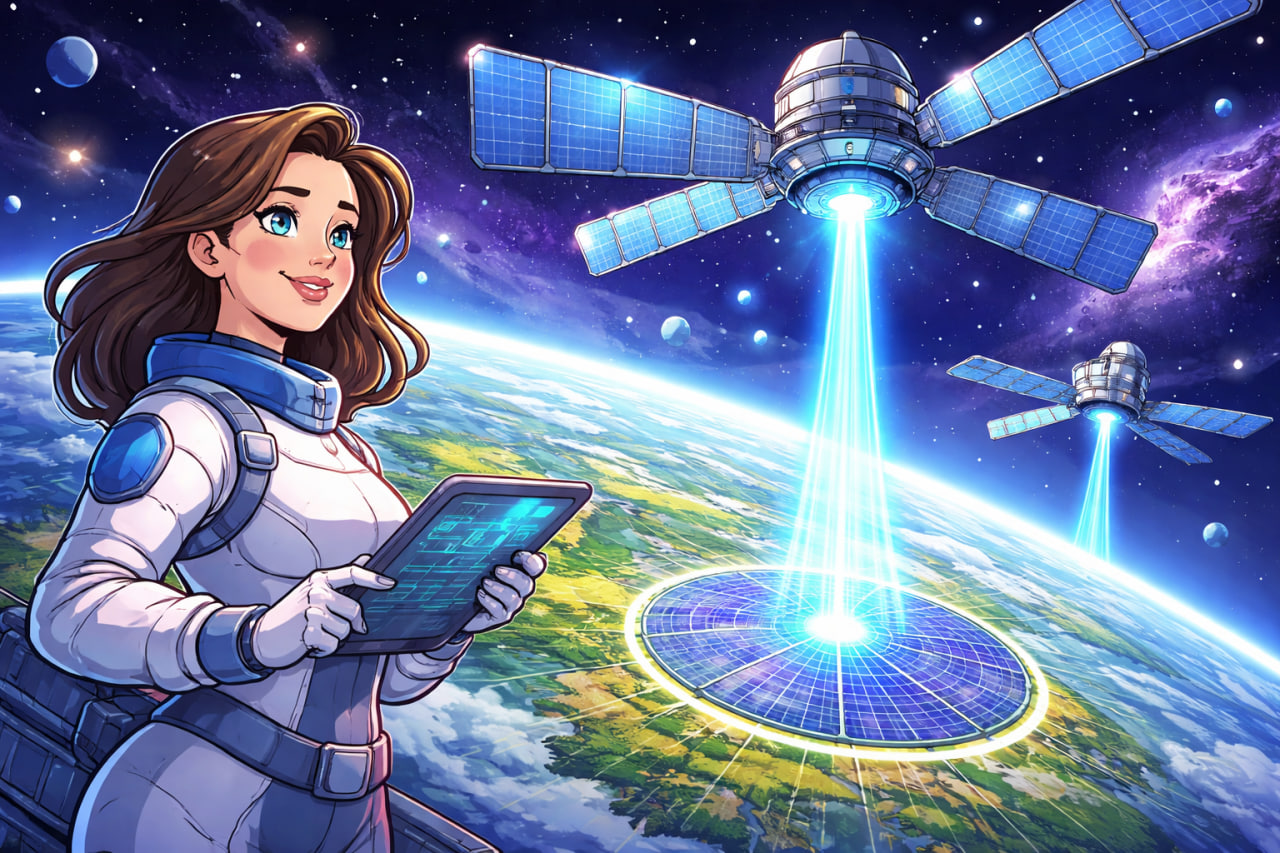
The idea of generating energy in space and transmitting it to Earth has long been associated with science fiction. However, in recent years, this concept—known as space-based solar power (SBSP)—has begun to move closer to reality. With rapid advances in satellite technology, wireless energy transmission, and materials science, scientists and engineers are seriously exploring whether energy from space could become a reliable and scalable source of clean power for the future.

A Space Station Around the Moon: Why It Is Needed and How It Could Be Built
Space Stories Cosmic Innovations Earth & Moon

A Space Station Around the Moon: Why It Is Needed and How It Could Be Built

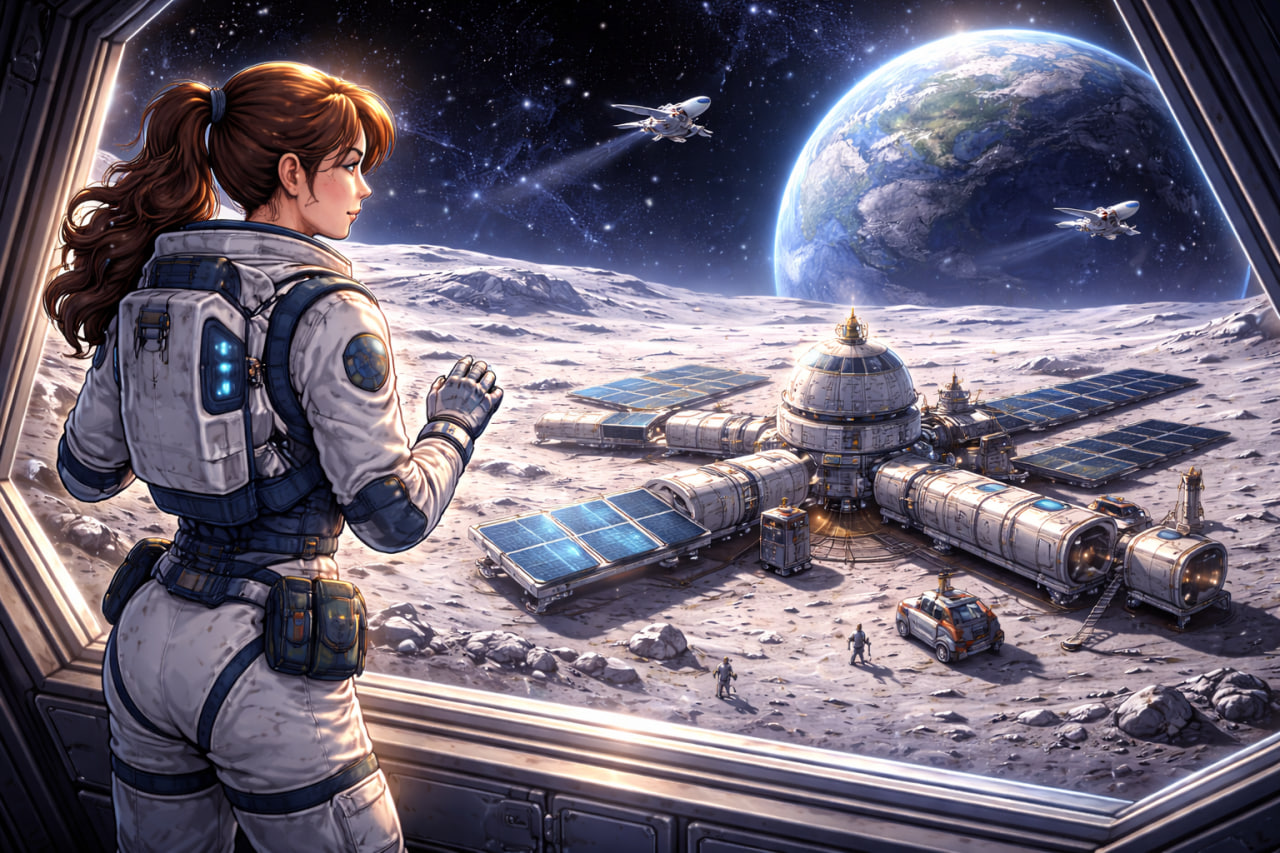
A space station orbiting the Moon represents one of the most important steps in expanding human presence beyond low Earth orbit. Unlike Earth-orbiting stations, a lunar station would serve as a gateway for deep-space missions, scientific research, and long-term exploration. Positioned in lunar orbit, it could support missions to the Moon’s surface and act as a staging point for journeys to Mars. Building such a station is technically complex but considered achievable with modern space engineering. As global interest in lunar exploration grows, a lunar space station is increasingly viewed as a strategic infrastructure project rather than a distant concept. Understanding its purpose and construction challenges reveals how humanity may extend its reach deeper into space.

Space Tourism: When Will Space Travel Become Accessible to Everyone?
Cosmic Innovations Earth & Moon What if?

Space Tourism: When Will Space Travel Become Accessible to Everyone?

Space tourism has moved from science fiction into the realm of early reality, driven by rapid advances in aerospace technology and private investment. What was once limited to trained astronauts is now being tested by civilian passengers on short suborbital flights. Yet the idea of space travel being accessible to everyone remains a complex challenge involving cost, safety, infrastructure, and regulation. Understanding where space tourism stands today—and what must change for it to become truly widespread—helps separate near-term possibilities from long-term visions. The journey toward accessible space travel is gradual, but its direction is becoming clearer.

Why the Moon Is So Fascinating for People on Earth
Space Stories Universe Solar System

Why the Moon Is So Fascinating for People on Earth

The Moon has captivated humanity since the earliest days of civilization, serving as a constant presence in the night sky and a powerful symbol in culture, science, and imagination. As Earth’s only natural satellite, it influences natural processes, inspires exploration, and offers unique opportunities for scientific discovery. Unlike distant planets, the Moon is close enough to study in great detail, making it a natural laboratory for understanding planetary evolution. Its surface preserves records of cosmic events that Earth has long erased through weather and tectonics. For modern humanity, the Moon is not only an object of curiosity but also a gateway to future space exploration and technological progress.

Tides and Ebb: Why Seas Rise and Fall
Science Be Smart Earth & Moon

Tides and Ebb: Why Seas Rise and Fall

Tides and ebbs are one of the most visible and rhythmic natural phenomena on Earth, shaping coastlines and influencing life in the oceans. Every day, sea levels rise and fall in a predictable pattern, affecting navigation, marine ecosystems, and human activity near coasts. While tides may seem simple at first glance, they are the result of complex gravitational interactions between Earth, the Moon, and the Sun. Understanding tides helps scientists better predict ocean behavior and reveals how celestial mechanics directly affect daily life on our planet. These regular movements of water connect Earth’s oceans to the dynamics of the wider Solar System.

Starlink: A New Era of Global Satellite Internet
Neuro-Tech Cosmic Innovations Hi-Tech

Starlink: A New Era of Global Satellite Internet

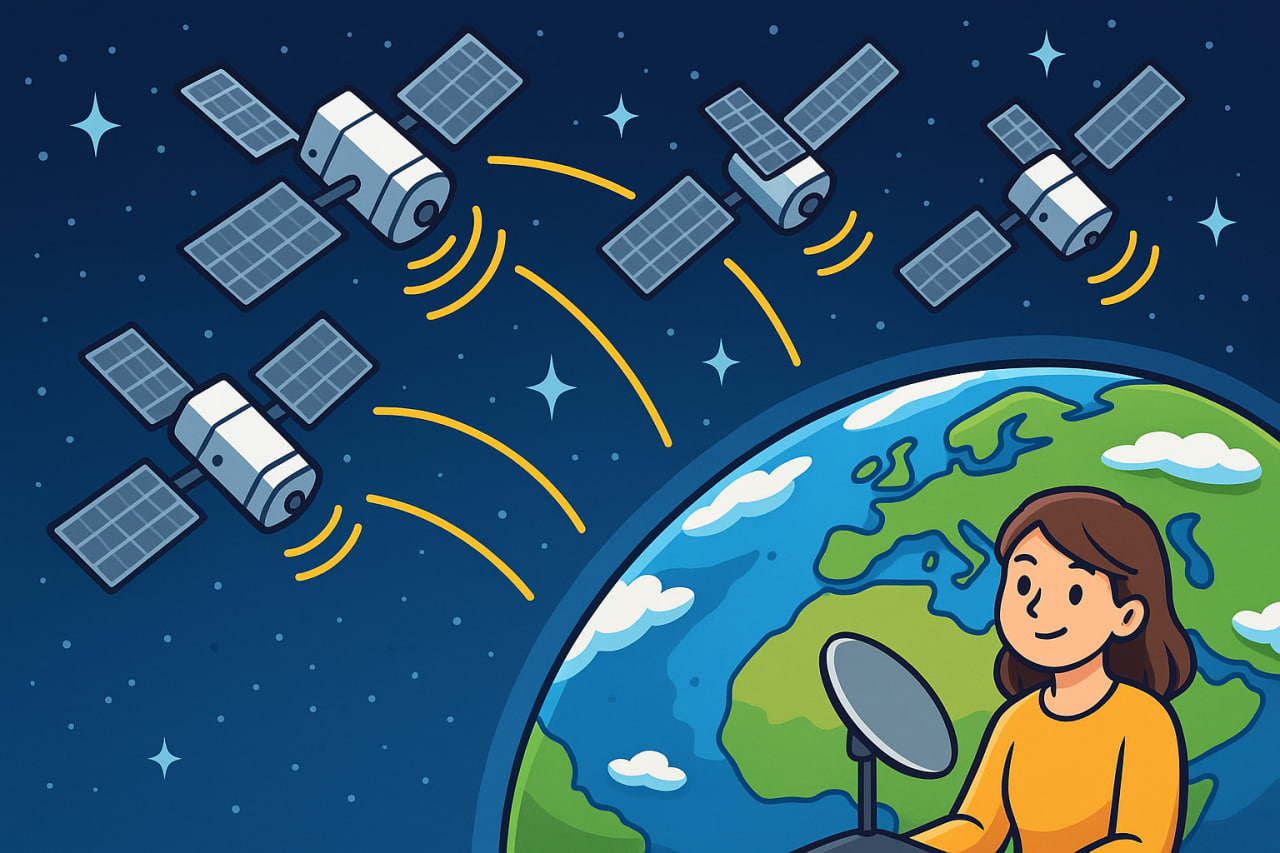
Starlink is a satellite-based internet system developed by SpaceX with the goal of providing high-speed, low-latency broadband access anywhere on Earth. Unlike traditional satellite internet, which relies on a few large satellites placed high above the planet, Starlink uses a massive constellation of thousands of small satellites operating in low Earth orbit (LEO). Their closer proximity allows faster data transmission, reduced signal delay, and more stable connectivity, even in remote or underserved regions. Starlink represents a major technological shift in global communications, reshaping how people access information, work online, and stay connected.