Earth & Moon

Why Earth Is Magnetic
Universe Be Smart Earth & Moon

Why Earth Is Magnetic

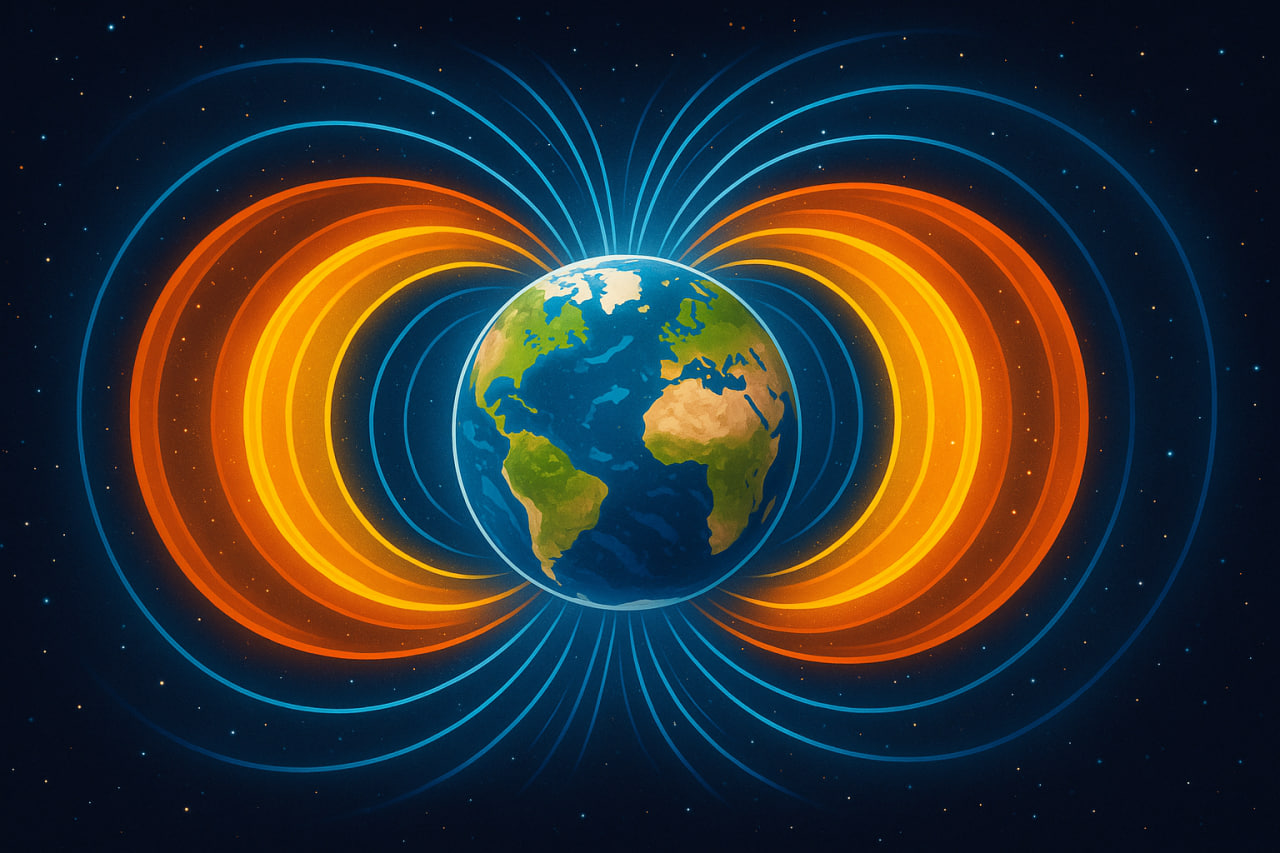
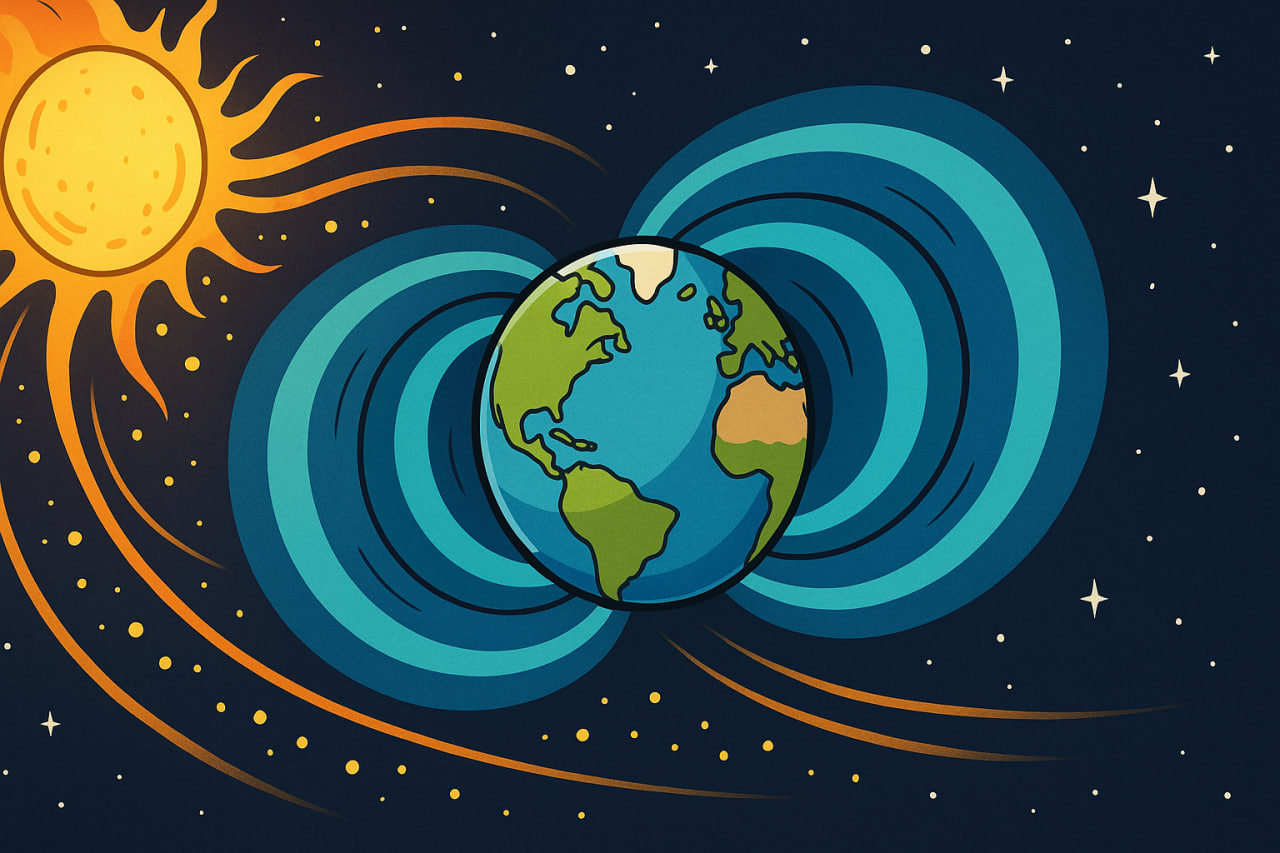
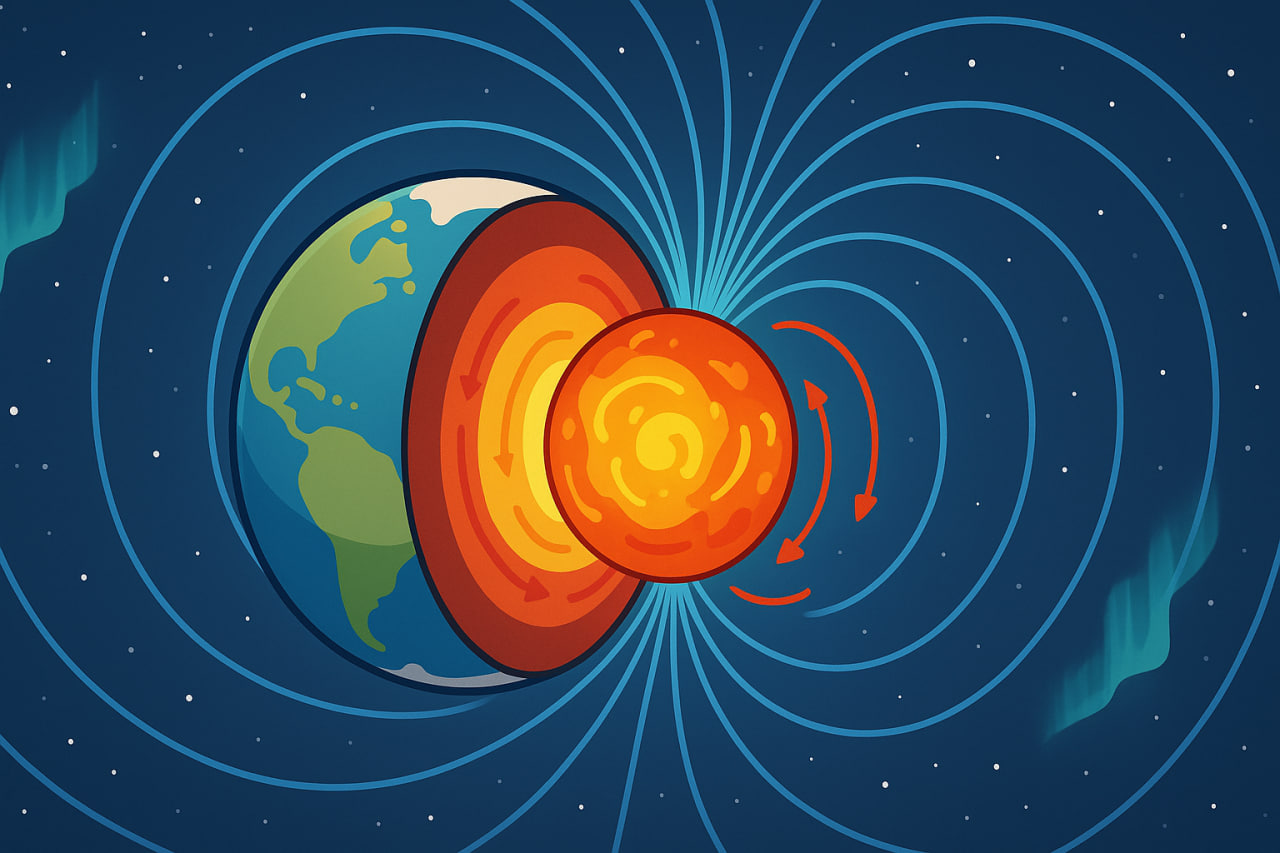
Earth behaves like a giant magnet, creating a magnetic field that extends far into space. This invisible shield, known as the magnetosphere, protects life from harmful cosmic and solar radiation. The origin of this magnetic field lies deep inside our planet, in the movement of molten metals within Earth’s core.
What Is the Ionosphere?
Science Be Smart Earth & Moon

What Is the Ionosphere?

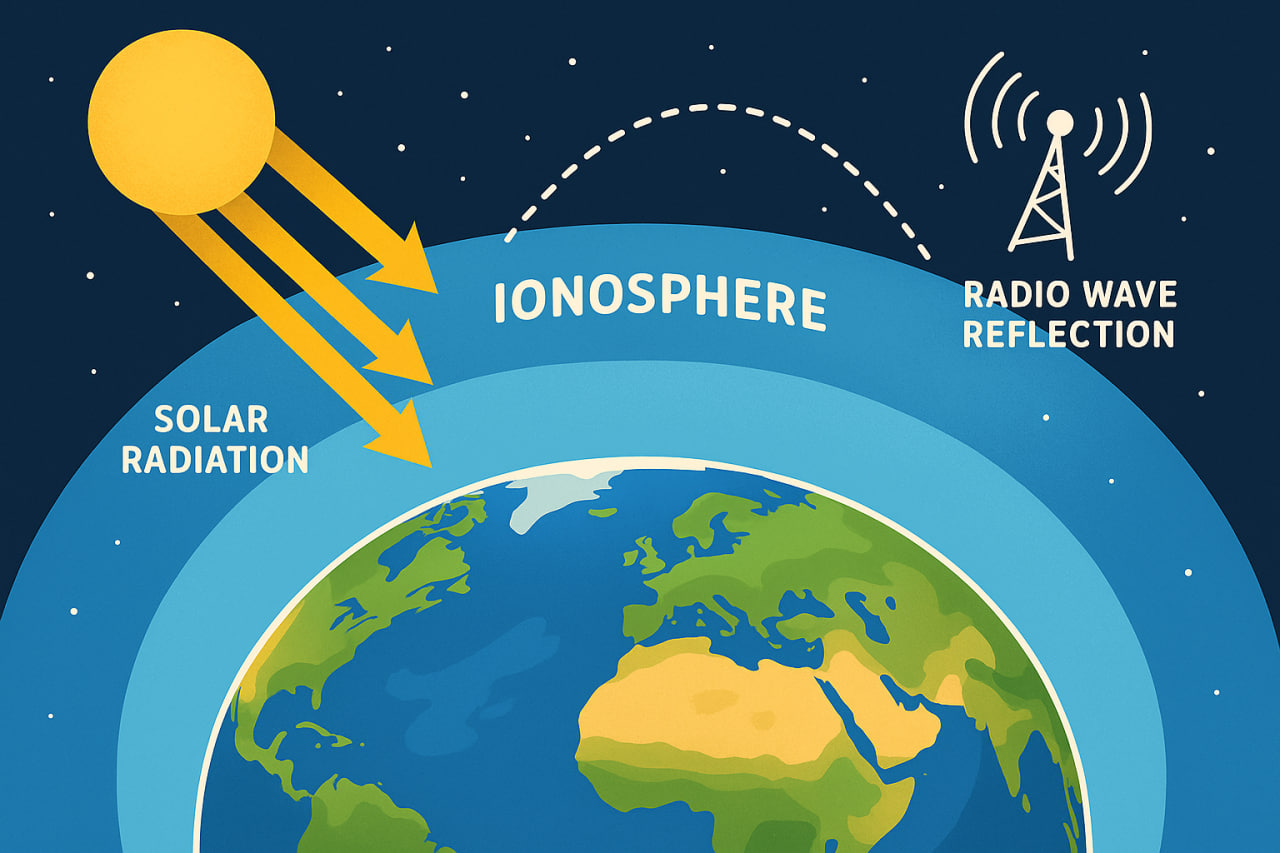
The ionosphere is a special region of Earth’s upper atmosphere, located roughly between 60 and 1,000 kilometers above the surface. It is filled with charged particles (ions and electrons), created when solar radiation strips electrons from atoms and molecules in the air. This layer plays a crucial role in radio communication, satellite systems, and space weather, making it one of the most important parts of the atmosphere for both science and technology.

Why the Moon Always Shows the Same Side to Earth
Space Stories Earth & Moon

Why the Moon Always Shows the Same Side to Earth

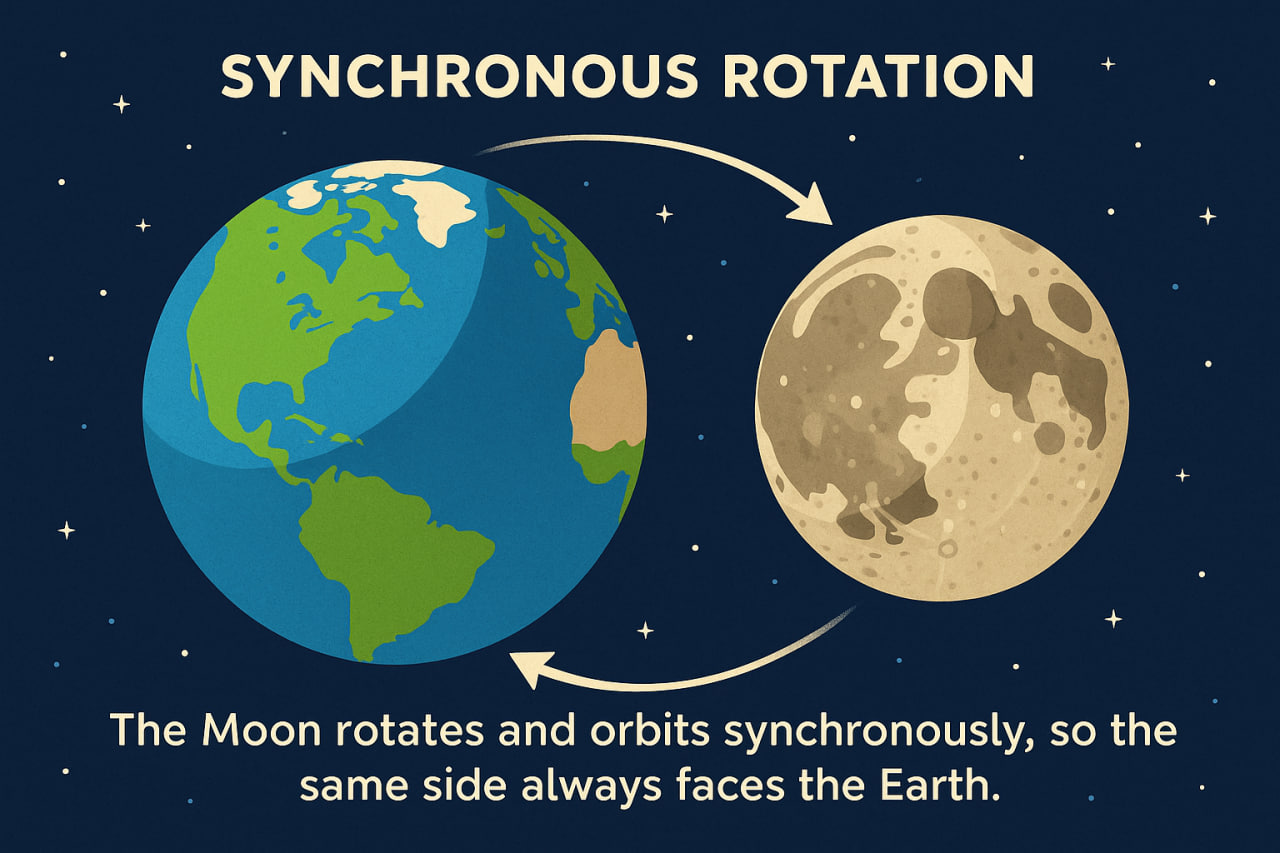
When we look at the Moon from Earth, we always see the same face — the near side, with its familiar dark plains and bright highlands. The far side, sometimes mistakenly called the “dark side,” remained hidden until space probes photographed it in the 20th century. This constant orientation is not a coincidence but the result of a process called tidal locking.

Blood Moon
Science Be Smart Earth & Moon

Blood Moon

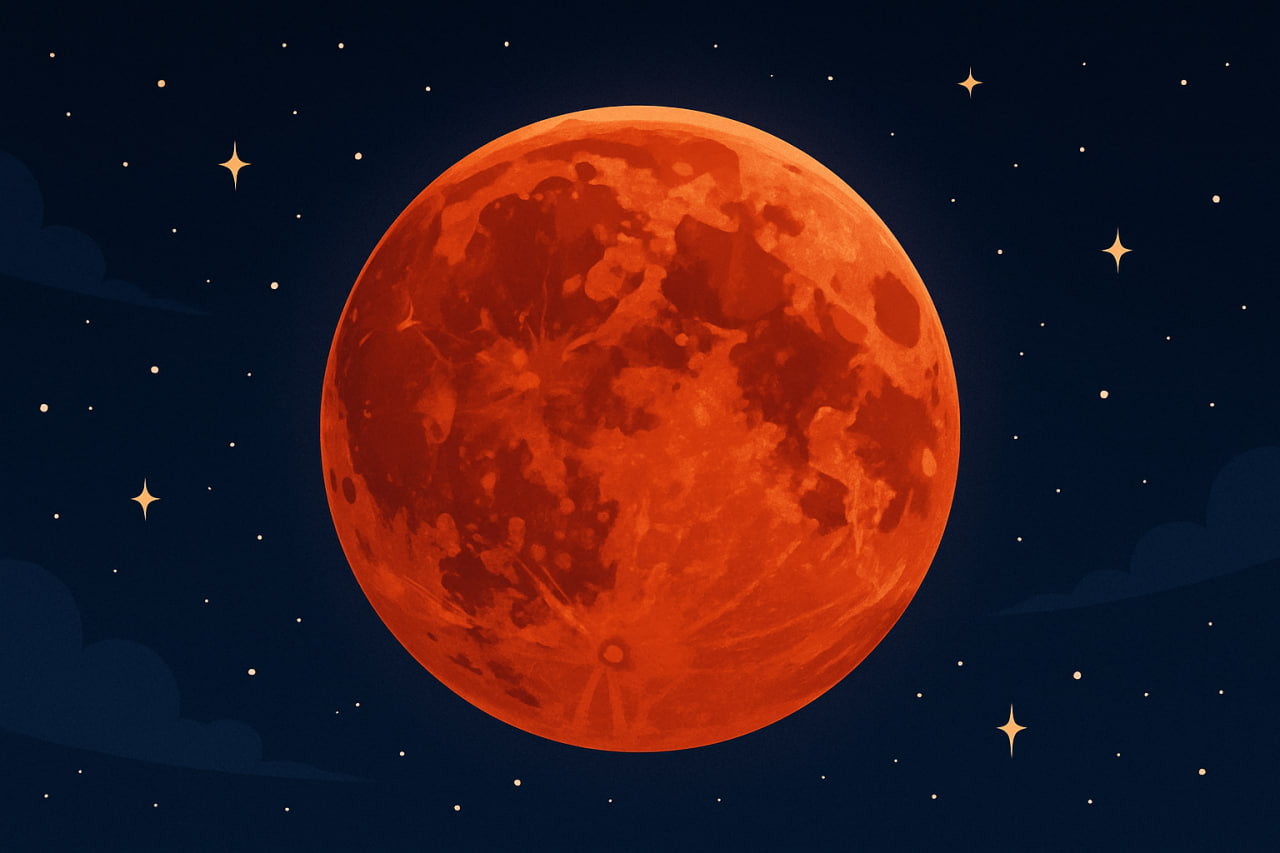
A blood moon is a striking astronomical event that occurs during a total lunar eclipse, when Earth comes directly between the Sun and the Moon. Instead of disappearing completely, the Moon takes on a reddish or coppery color, creating a dramatic sight in the night sky. This natural phenomenon has fascinated people for centuries and is often surrounded by myths and cultural symbolism.

The Van Allen Belts
Space Stories Universe Earth & Moon

The Van Allen Belts

The Van Allen radiation belts are two layers of energetic charged particles trapped by Earth’s magnetic field. They form a protective shield around the planet, blocking much of the dangerous cosmic and solar radiation that would otherwise bombard Earth’s surface. These belts were discovered in 1958 by American physicist James Van Allen using instruments aboard the first U.S. satellite, Explorer 1.

What Would Happen If the Moon Fell to Earth?
Space Stories Be Smart Earth & Moon

What Would Happen If the Moon Fell to Earth?

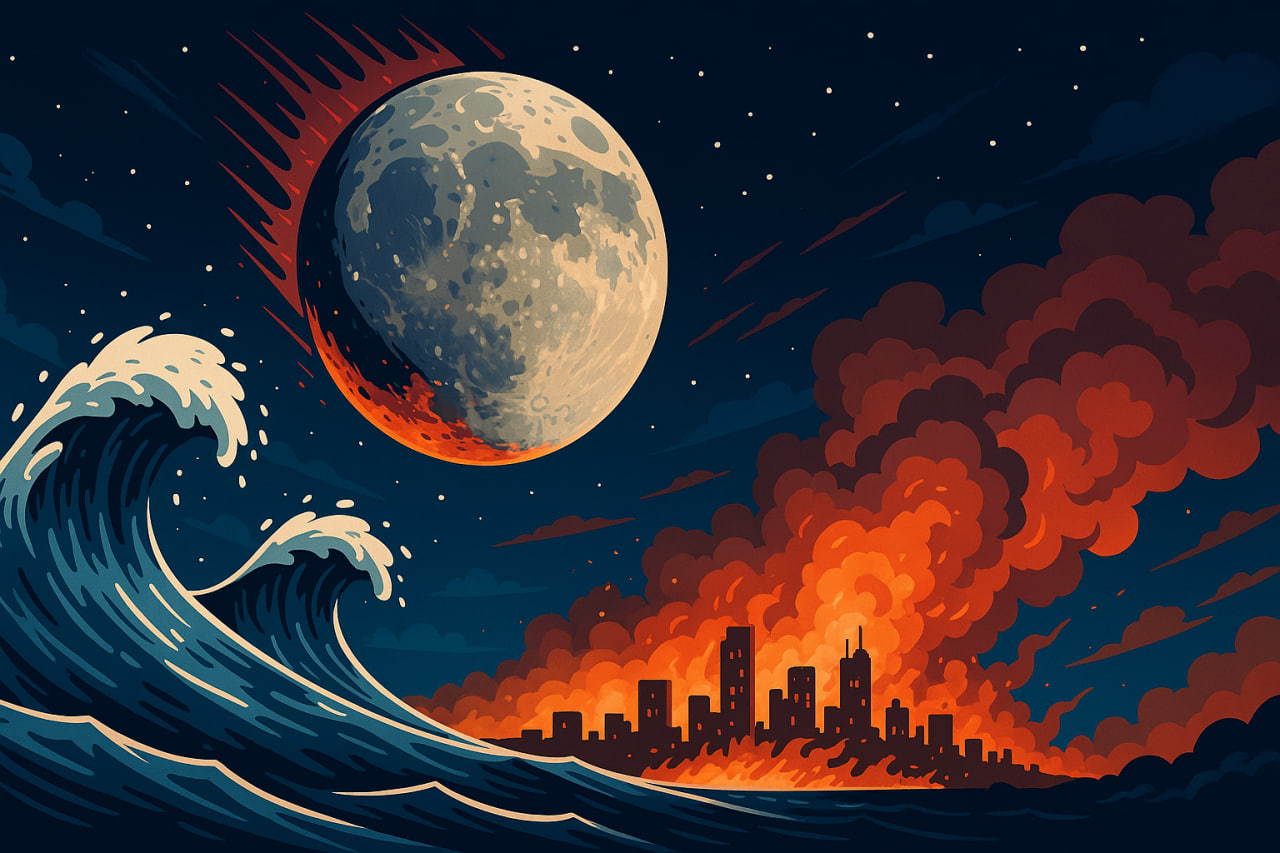
The Moon is Earth’s only natural satellite, orbiting at an average distance of 384,000 kilometers. It influences tides, stabilizes Earth’s axis, and has shaped the planet’s history. But what if, in an extreme hypothetical scenario, the Moon were to fall onto Earth? While this is physically impossible under normal conditions, imagining the event helps us understand the importance of the Moon in our planetary system.

Can a Solar Flare Destroy Life on Earth or Technology?
Space Stories Be Smart Earth & Moon

Can a Solar Flare Destroy Life on Earth or Technology?

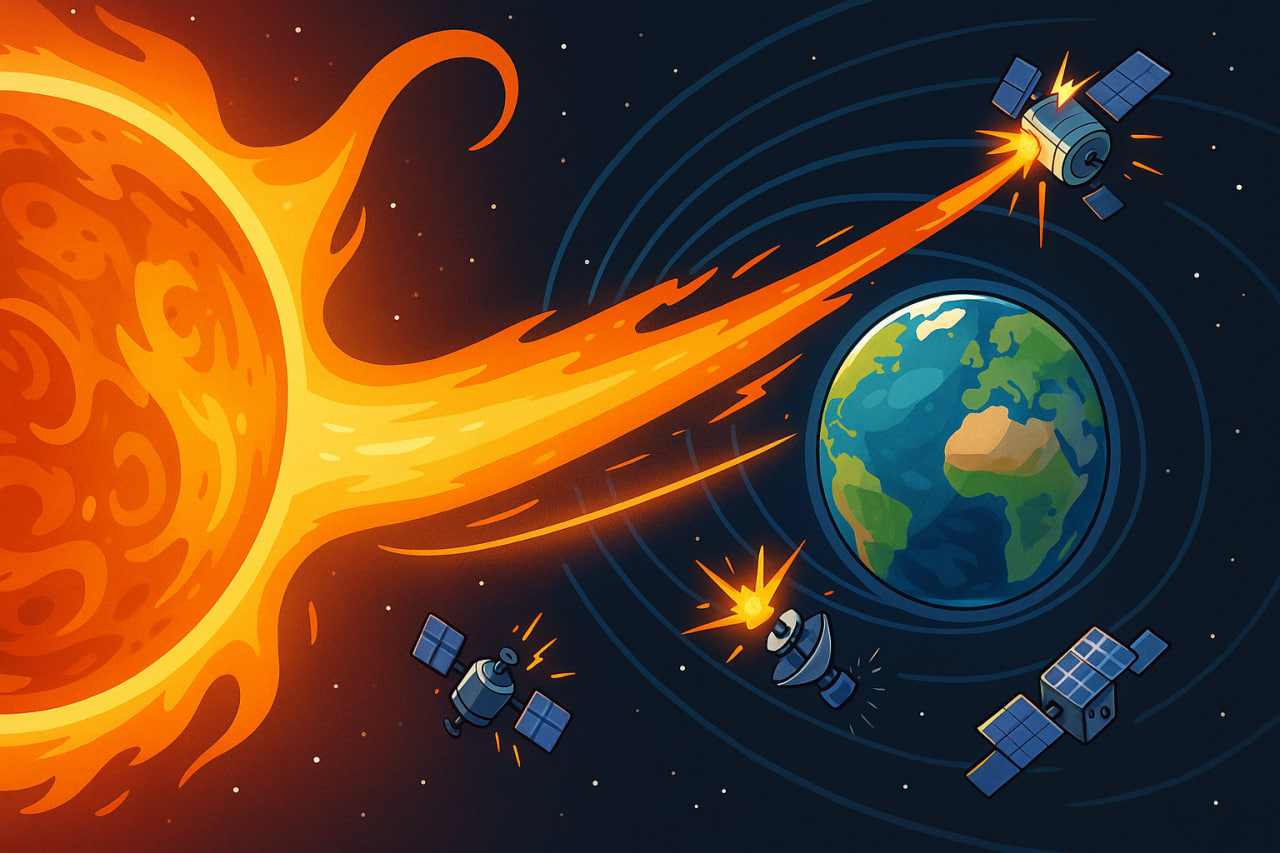
The Sun, like all stars, is a dynamic and active celestial body. One of its most powerful phenomena is the solar flare—a sudden release of energy and radiation caused by magnetic disturbances on the Sun’s surface. These flares can be accompanied by coronal mass ejections (CMEs), which hurl billions of tons of charged particles into space. While solar flares cannot directly destroy all life on Earth, they can significantly affect the planet’s atmosphere, magnetic field, and modern technology.

What Would Happen If the Earth Stopped Spinning
Space Stories Earth & Moon

What Would Happen If the Earth Stopped Spinning

The Earth rotates on its axis once every 24 hours, creating day and night. This rotation also influences weather, ocean currents, and the planet’s overall balance. If the Earth were to suddenly stop spinning, the consequences would be catastrophic. Life as we know it would be drastically altered or even impossible.

What Are Earth’s Radiation Belts?
Universe Science Earth & Moon

What Are Earth’s Radiation Belts?

The radiation belts of Earth, also known as the Van Allen belts, are regions around our planet where charged particles from the Sun and cosmic rays are trapped by Earth’s magnetic field. These belts act like invisible shields, protecting life on Earth from harmful radiation while also posing challenges for satellites and astronauts.