Neuro-Tech

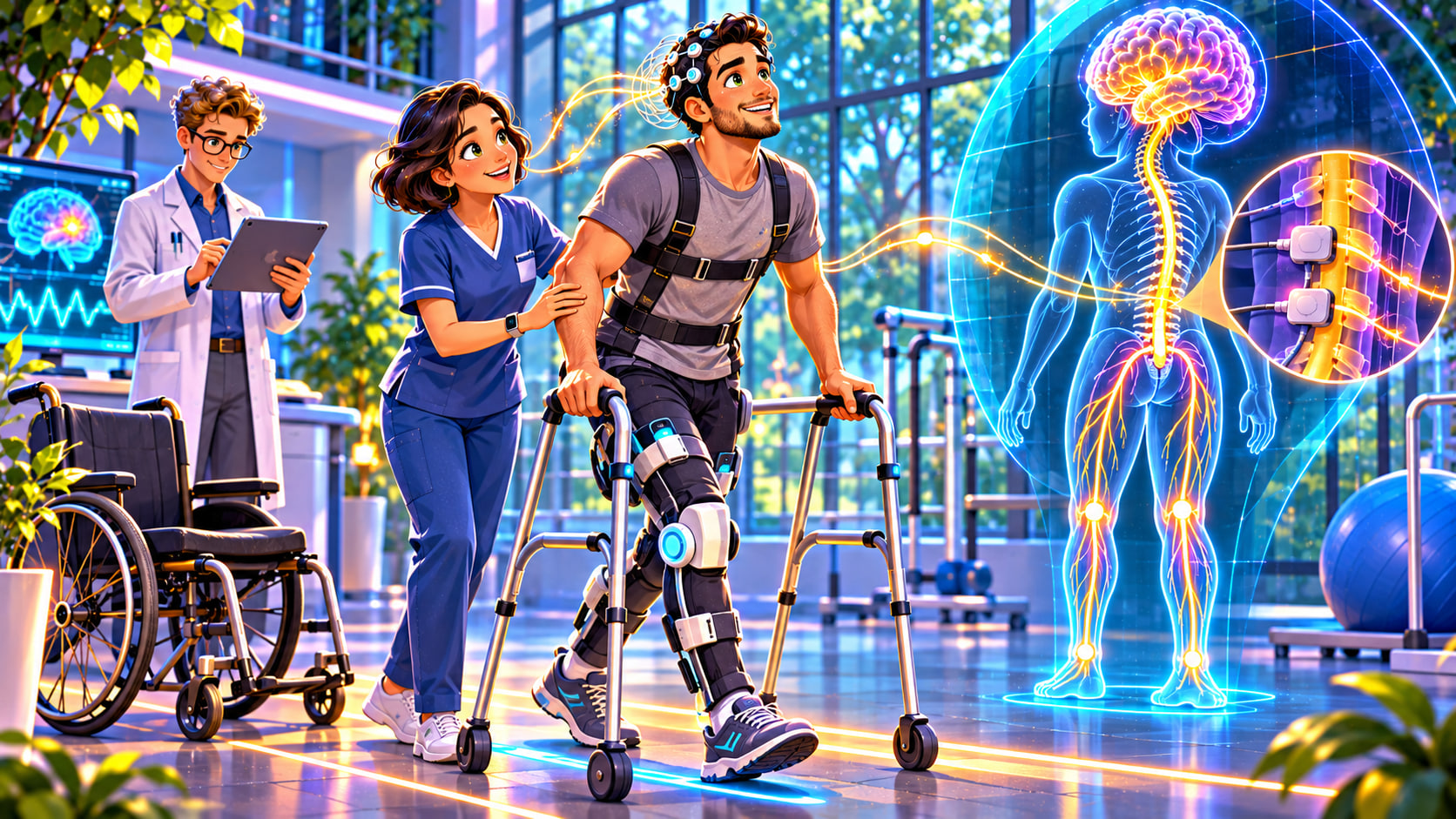
Explore the cutting-edge world where neuroscience meets technology. From brain-computer interfaces to neural implants — learn how thoughts can control machines and reshape human potential.

AI Agents in 2026: What They Can Do and How They Are Already Changing Everyday Life
Neuro-Tech Smart Technology AI & Ethics

AI Agents in 2026: What They Can Do and How They Are Already Changing Everyday Life

Imagine telling a computer, “Find three suitable apartments, compare commuting times, and prepare a shortlist.” Instead of explaining how to search, it opens websites, checks details, organizes the results, and presents a usable comparison. In another office, software handles a customer’s return request while an engineer supervises several automated coding tasks. These are AI agents: systems that act to achieve goals. Their work can cross several apps.

What Are Neural Implants and How Do They Work? The Technology Connecting Brains and Computers
Neuro-Tech Hi-Tech Bioengineering

What Are Neural Implants and How Do They Work? The Technology Connecting Brains and Computers

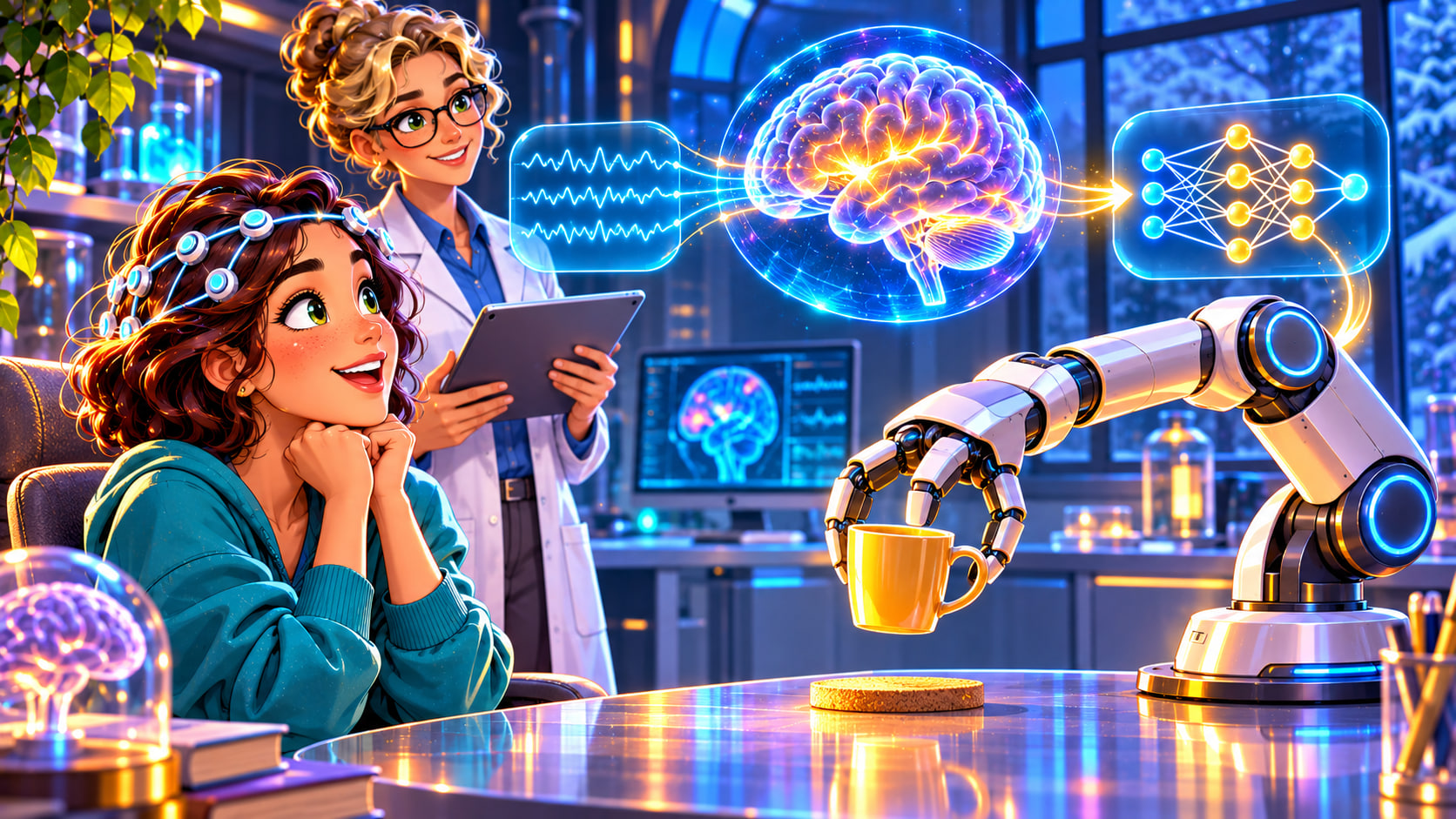
Imagine a tiny electronic device that helps someone hear a conversation, reduces uncontrollable tremors, or allows a paralyzed person to communicate using brain signals. These remarkable capabilities are no longer confined to science fiction. Neural implants are already transforming medicine, while experimental systems are opening entirely new possibilities.

Starlink Explained: How SpaceX’s Satellite Internet Works and Why It Matters
Neuro-Tech Hi-Tech Smart Technology

Starlink Explained: How SpaceX’s Satellite Internet Works and Why It Matters

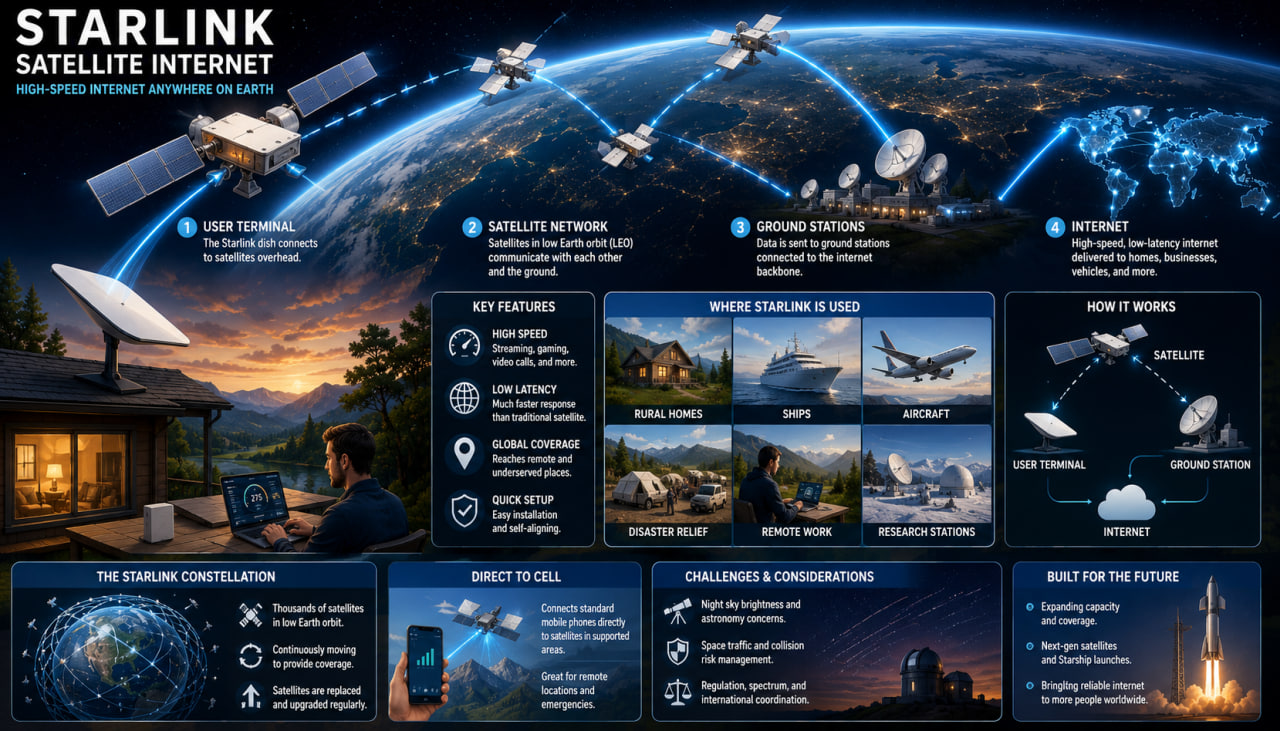
Starlink is SpaceX’s satellite internet network designed to deliver broadband connectivity through thousands of satellites in low Earth orbit. Instead of relying only on ground cables, towers, or traditional geostationary satellites, Starlink sends internet signals between user terminals, satellites, ground stations, and sometimes satellite-to-satellite laser links. The idea is simple but ambitious: bring high-speed, low-latency internet to places where fiber, cable, and mobile networks are unavailable, unreliable, or too expensive to build. Starlink has become especially important for rural homes, ships, aircraft, emergency responders, remote businesses, and regions affected by disasters or conflict. At the same time, it has raised serious questions about astronomy, space traffic, regulation, military use, and the future of the orbital environment.

Data Compression: How to Throw Away Half the Information and Still Notice Nothing
Neuro-Tech Smart Technology Be Smart

Data Compression: How to Throw Away Half the Information and Still Notice Nothing

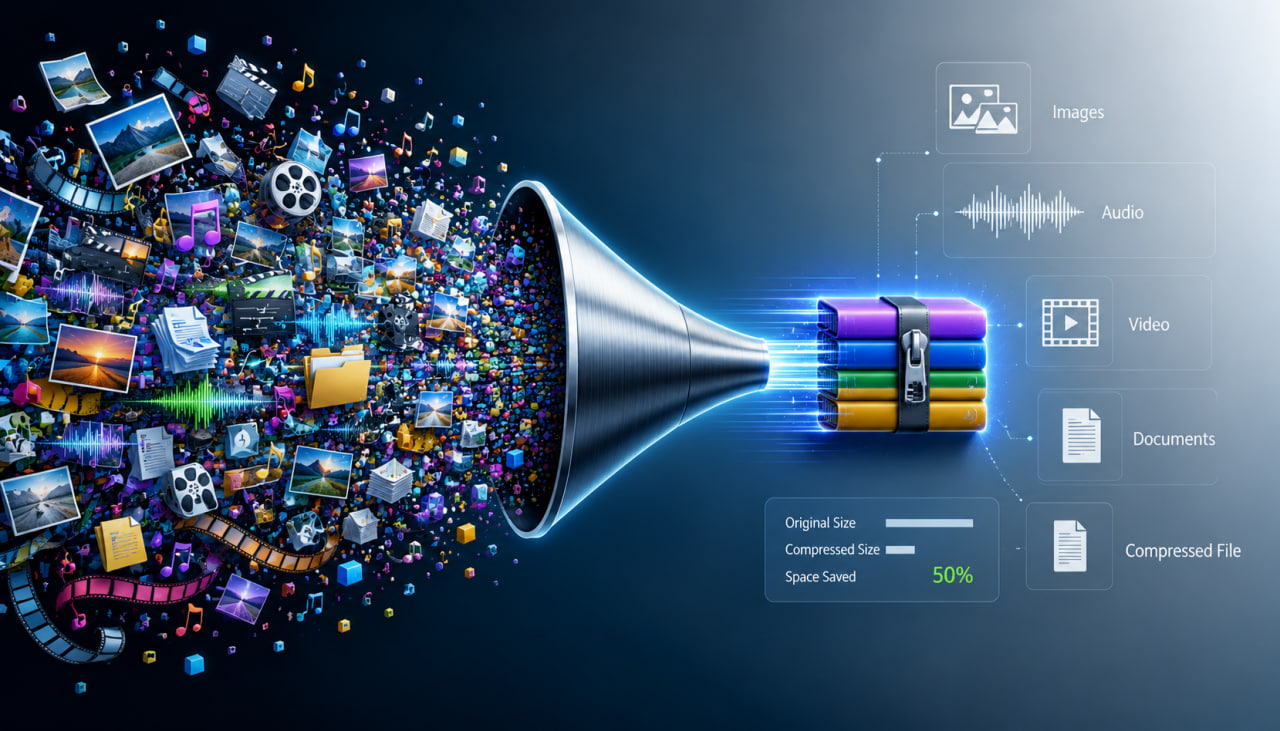
Data compression is one of the hidden miracles of the digital world. Every photo you send, every video you stream, every song you download, and every website you open depends on clever ways of making files smaller. Without compression, the modern internet would feel painfully slow, storage would be far more expensive, and high-definition video would be much harder to deliver. The surprising part is that compression often works by removing information. A JPEG image may discard details your eyes are unlikely to notice. An MP3 file may remove sounds your ears probably cannot hear clearly. A streaming video may simplify areas of the picture that barely change from frame to frame. Data compression works because not all information is equally important. Some details are essential. Others are repetitive, predictable, or invisible to human perception.