Neuro-Tech

Explore the cutting-edge world where neuroscience meets technology. From brain-computer interfaces to neural implants — learn how thoughts can control machines and reshape human potential.

Fiber Optics: The Light That Carries the Internet
Neuro-Tech Hi-Tech Smart Technology

Fiber Optics: The Light That Carries the Internet

Fiber optics is one of the quiet technologies that makes modern life possible. Every video call, cloud backup, online payment, streaming movie, search request, and international message depends on huge networks moving data at incredible speed. Much of that traffic travels not through copper wires or radio waves, but through thin strands of glass carrying pulses of light. At first, the idea sounds almost magical: information becomes light, travels through a glass fiber thinner than a human hair, and then turns back into digital data. But behind this magic is precise physics, advanced engineering, and decades of innovation. Fiber optic communication is the backbone of the modern internet because it can move enormous amounts of information quickly, reliably, and over long distances.
Science News 2026: The Biggest Discoveries and Breakthroughs So Far
Neuro-Tech Hi-Tech Bioengineering

Science News 2026: The Biggest Discoveries and Breakthroughs So Far

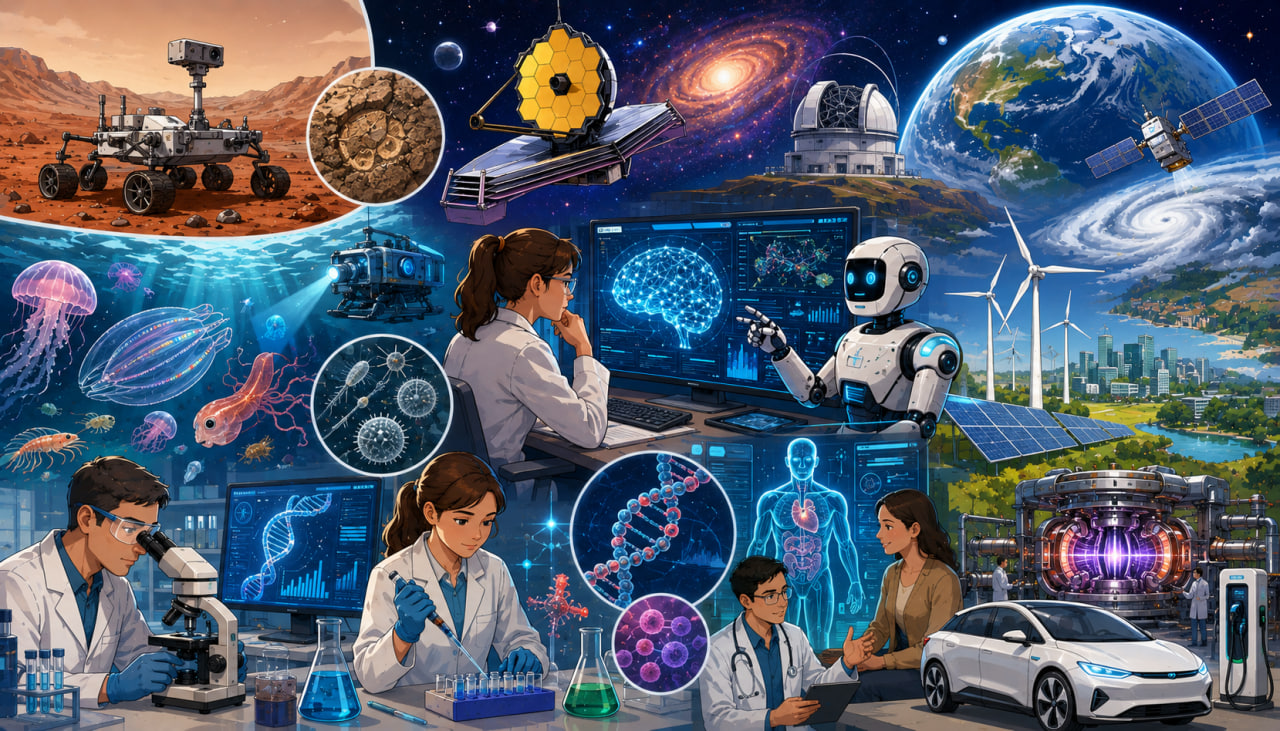
Science in 2026 is moving at an extraordinary pace. From exciting discoveries on Mars and the deep ocean to advances in quantum physics, medicine, artificial intelligence, and astronomy, researchers continue expanding humanity's understanding of the universe. While many breakthroughs are still being verified and refined, several developments have already attracted worldwide attention and may influence science for years to come. This overview highlights some of the most significant scientific news stories of 2026, explaining why they matter and how they could shape the future.

What Is 5G? A Simple Guide to the Fifth Generation of Mobile Networks
Neuro-Tech Hi-Tech Smart Technology

What Is 5G? A Simple Guide to the Fifth Generation of Mobile Networks

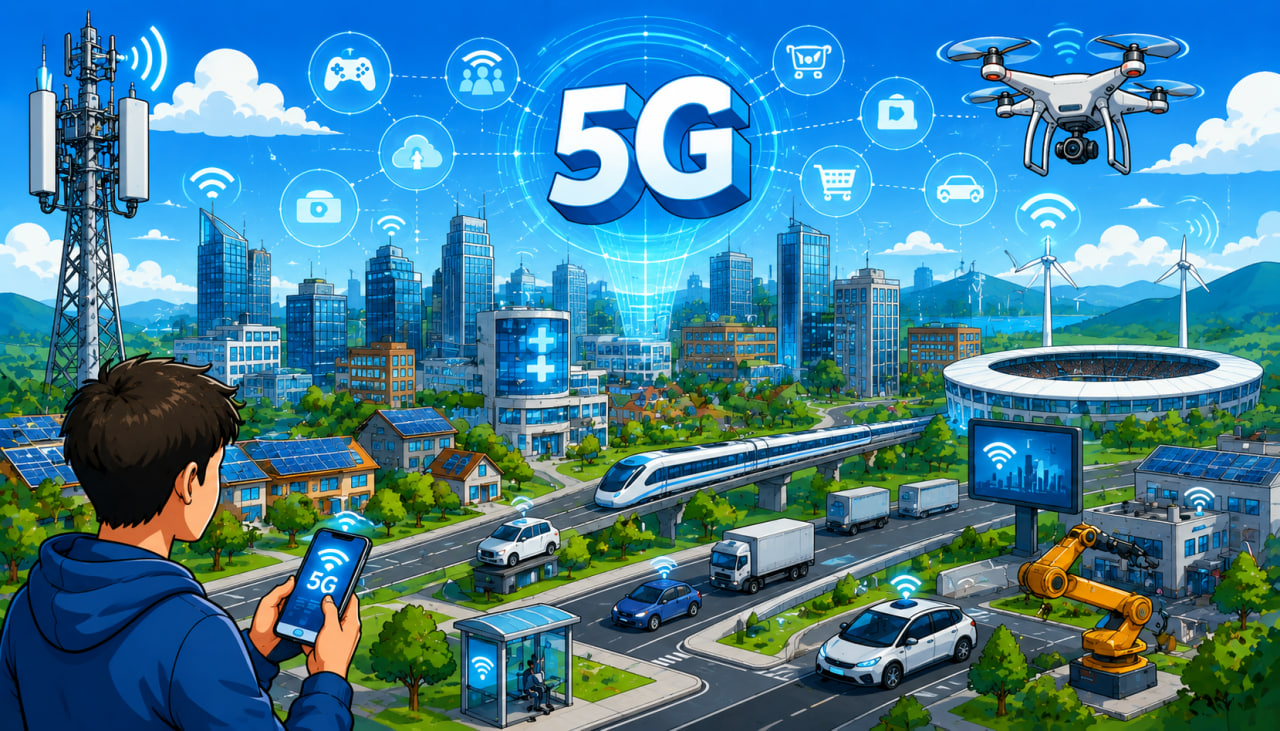
5G is the fifth generation of mobile communication technology. It is the successor to 4G LTE and was designed not only to make smartphones faster, but also to support a new digital infrastructure for cities, industry, transport, medicine, entertainment, and the Internet of Things. For most people, 5G means faster mobile internet, smoother video calls, quicker downloads, and better performance in crowded places. But technically, 5G is much more than a speed upgrade. It is a new network architecture built to connect millions of devices, reduce delay, improve reliability, and support services that older networks were not designed to handle. According to the International Telecommunication Union, 5G, formally known as IMT-2020, is built around three major usage scenarios: enhanced mobile broadband, ultra-reliable low-latency communications, and massive machine-type communications.

VPN Explained: What It Is, How It Works, and Which Type to Choose
Neuro-Tech Hi-Tech Smart Technology

VPN Explained: What It Is, How It Works, and Which Type to Choose

The internet has become an essential part of modern life. We use it for work, communication, banking, shopping, entertainment, and countless other activities. As more personal information moves online, concerns about privacy, security, and unrestricted access to information continue to grow. One technology that has become increasingly popular in recent years is the Virtual Private Network, commonly known as a VPN. Millions of people use VPN services daily, but many users are still unsure about what a VPN actually does and how to choose the right one. Understanding the strengths and limitations of VPN technology can help users make informed decisions and improve their online experience.

Molecular Machines: The Nobel Prize for Robots the Size of Molecules
Neuro-Tech Bioengineering Inventions

Molecular Machines: The Nobel Prize for Robots the Size of Molecules

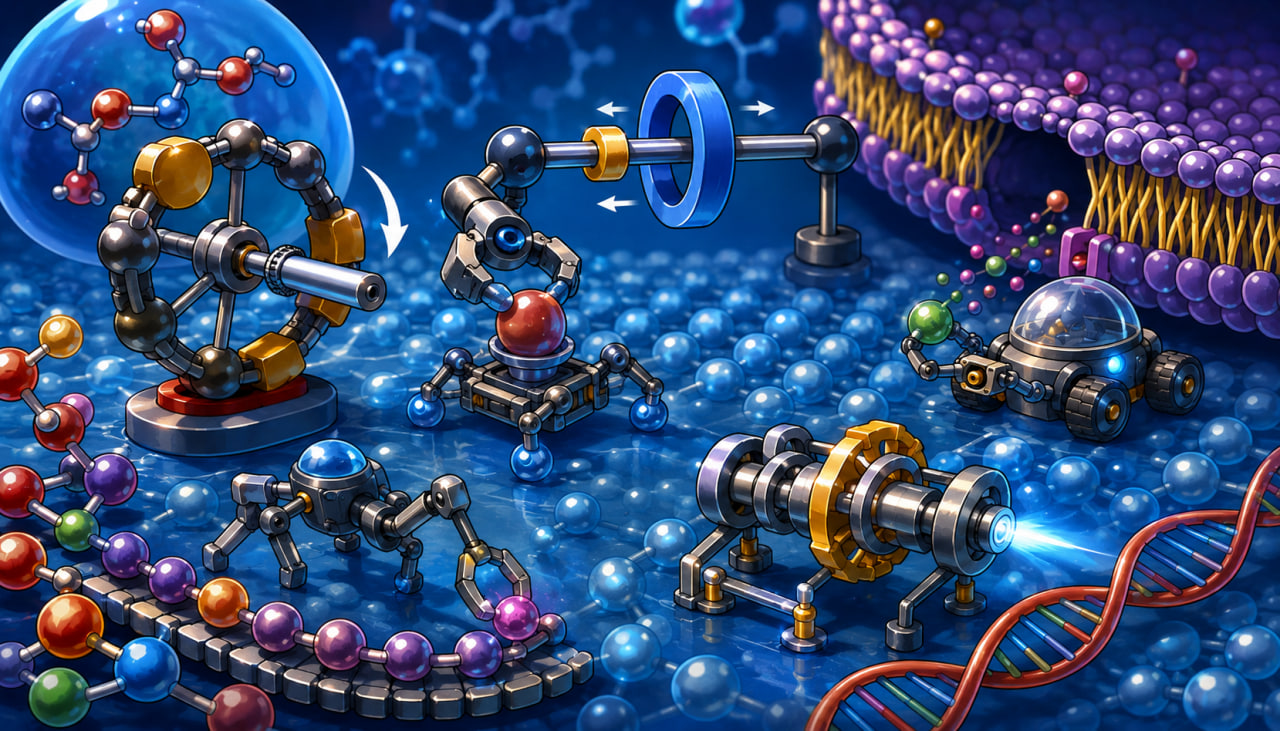
When people hear the word "robot," they usually imagine machines made of metal, wires, and electronic components. However, some of the most remarkable machines ever created are so small that millions of them could fit on the tip of a needle. These are molecular machines—structures built from individual molecules that can perform controlled movements and mechanical tasks. The development of molecular machines was such a groundbreaking achievement that the 2016 Nobel Prize in Chemistry was awarded to three scientists: Jean-Pierre Sauvage, Sir J. Fraser Stoddart, and Bernard L. Feringa. Their work opened the door to an entirely new field where chemistry, nanotechnology, and engineering intersect. Although molecular machines are still in the early stages of development, many scientists believe they could one day revolutionize medicine, computing, manufacturing, and materials science.

Echolocation: How Animals “See” With Sound
Neuro-Tech Science Be Smart

Echolocation: How Animals “See” With Sound

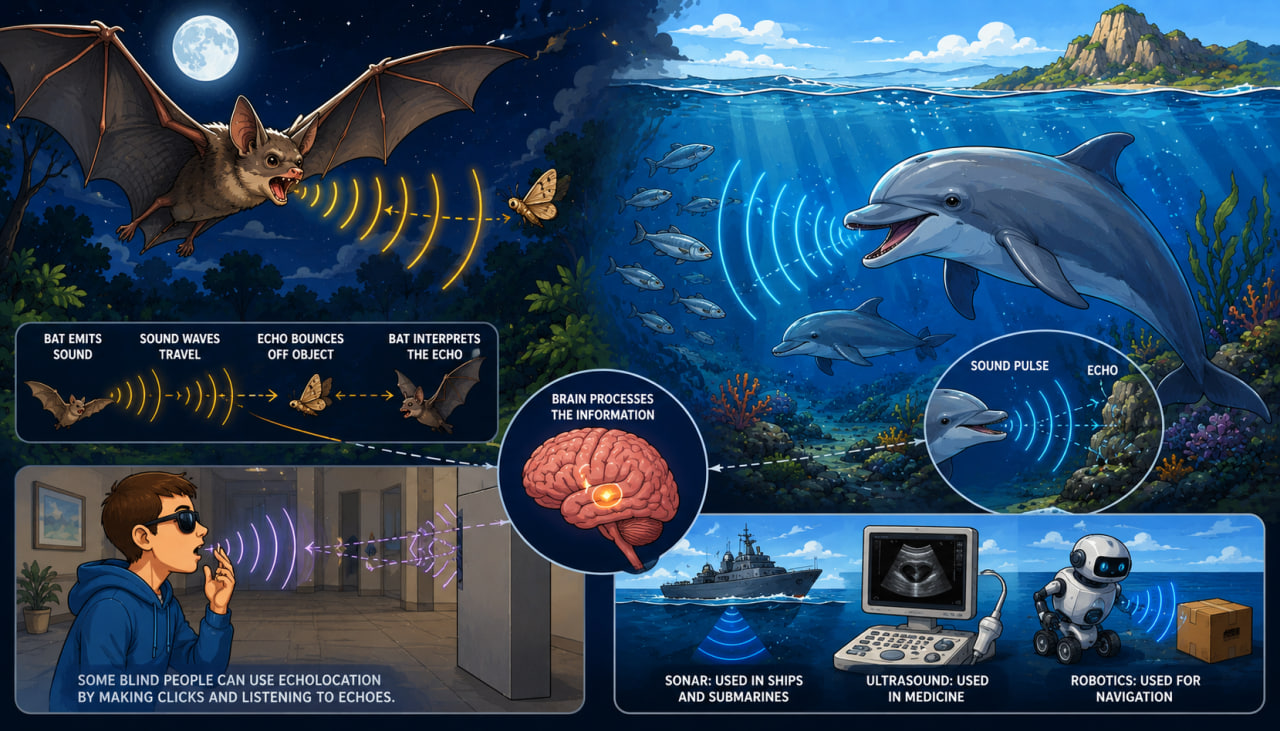
Echolocation is one of the most fascinating biological abilities in nature. It allows animals to navigate, hunt, and understand their surroundings using sound instead of vision. Bats flying in complete darkness and dolphins swimming through deep ocean waters rely on echolocation to survive. This remarkable system demonstrates how evolution created alternative ways to perceive the world beyond ordinary sight. Scientists also use the principles of echolocation in technologies such as sonar, medicine, and robotics.

Xenobots: Living Biological Constructs Built from Frog Cells
Neuro-Tech Hi-Tech Bioengineering

Xenobots: Living Biological Constructs Built from Frog Cells

Xenobots are a recent scientific development that blur the boundary between biology and robotics. They are not mechanical robots and not genetically modified animals. Instead, xenobots are microscopic biological constructs assembled from living cells of the African clawed frog (Xenopus laevis). These cells are arranged into specific shapes designed through computer modeling, allowing them to perform simple tasks such as movement and self-organization. Xenobots do not possess organs, brains, or reproductive systems. However, under controlled laboratory conditions, researchers observed a unique form of self-replication driven by physical movement. Their creation has opened new discussions about synthetic biology, cellular behavior, and the future of bioengineering.

Quantum Neural Networks: The Future of Intelligent Computing
Neuro-Tech AI & Ethics AI

Quantum Neural Networks: The Future of Intelligent Computing

Quantum neural networks (QNNs) represent a cutting-edge fusion of quantum computing and artificial intelligence. While classical neural networks process information using traditional bits (0s and 1s), quantum systems use qubits, which can exist in multiple states simultaneously thanks to superposition. This fundamental difference opens the possibility for dramatically enhanced computational power in certain tasks. Researchers believe that quantum neural networks could one day solve problems too complex for even the most advanced classical supercomputers. Although still largely experimental, QNNs are attracting significant attention in physics, computer science, and AI research. Understanding how they work requires exploring both quantum mechanics and machine learning principles.

Neuromorphic Chips: Computers That Work Like the Brain
Neuro-Tech Hi-Tech Smart Technology

Neuromorphic Chips: Computers That Work Like the Brain

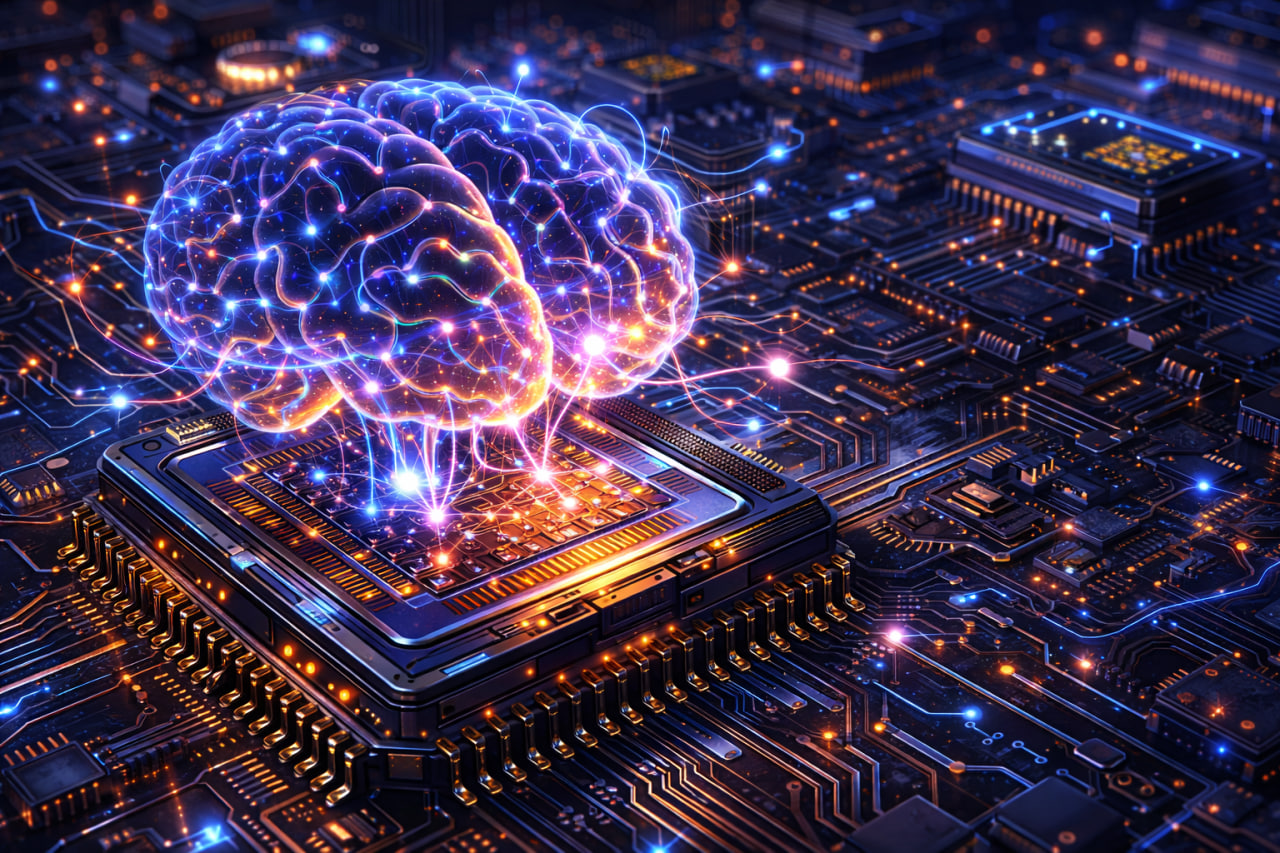
Neuromorphic chips are a new generation of processors designed to mimic the structure and function of the human brain. Unlike traditional computers that process information sequentially using rigid architectures, neuromorphic systems are inspired by biological neural networks. They attempt to replicate how neurons and synapses communicate, allowing machines to process information in parallel and adapt over time. This approach promises dramatic improvements in energy efficiency, pattern recognition, and real-time decision-making. As artificial intelligence becomes more integrated into daily life, neuromorphic computing may represent the next major shift in hardware design. Understanding how these chips work reveals why they are considered a potential revolution in computing.

Fiber Optics: How Light Carries Information
Neuro-Tech Hi-Tech Science

Fiber Optics: How Light Carries Information

Fiber optic technology is one of the most important foundations of the modern digital world. It enables the rapid transmission of information using light rather than electricity, making global communication faster, more stable, and more efficient. Every day, fiber optic networks carry internet traffic, phone calls, video streams, and data between continents in fractions of a second. Although the technology itself is invisible to most users, it quietly supports nearly all aspects of modern life. The principle behind fiber optics is elegant, relying on fundamental laws of physics rather than complex mechanical systems. Understanding how fiber optics work reveals why light has become the preferred carrier of information in the 21st century.