
Top 10 Facts Science Still Cannot Fully Explain
Some questions are not “unscientific.” They are simply not solved yet. They sit at the edge of physics, biology, consciousness studies, cosmology, and medicine.

Some questions are not “unscientific.” They are simply not solved yet. They sit at the edge of physics, biology, consciousness studies, cosmology, and medicine.
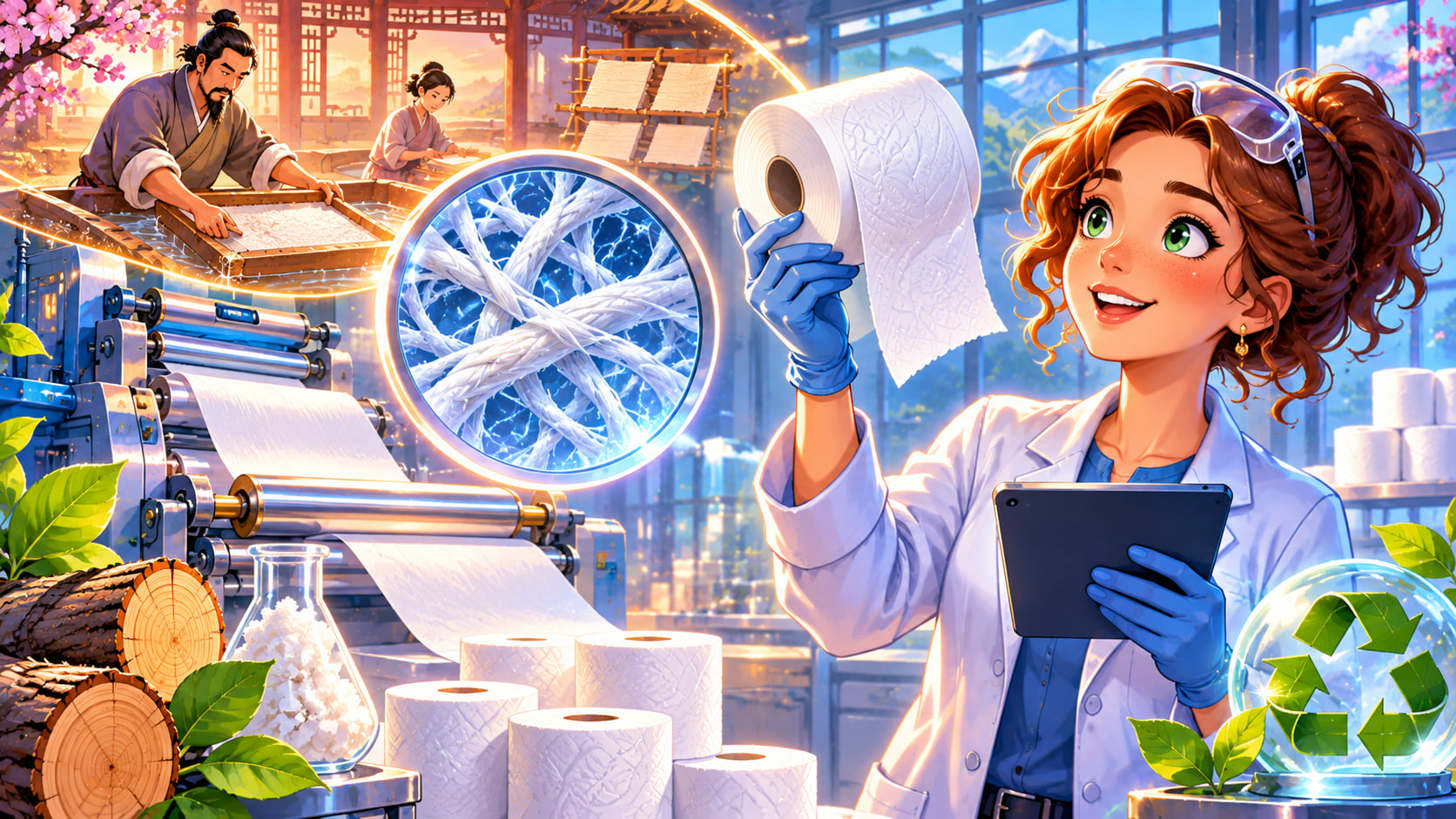
A small roll of white paper sits quietly in almost every modern bathroom. It rarely attracts attention until the last sheet disappears, yet its history stretches across centuries and continents. Behind its soft texture lies an extraordinary combination of ancient inventions, industrial engineering, and chemistry. Toilet paper is one of those everyday products that reveals surprisingly much about how civilization has changed.
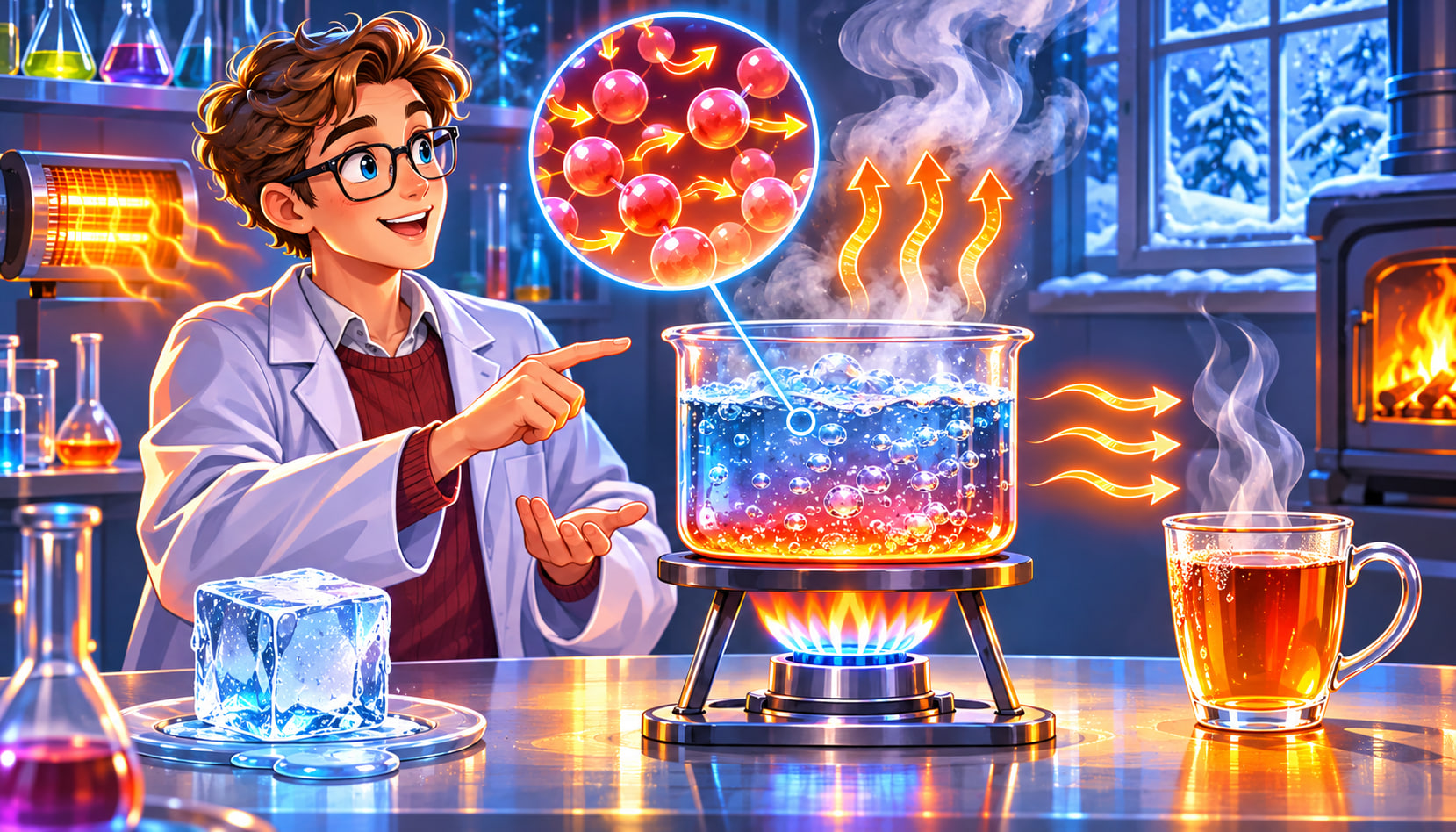
A metal spoon becomes hot in a bowl of soup, sunlight warms your face, and an ice cube slowly melts in a glass of water. These familiar events seem completely different, yet they share the same physical principle. Energy is moving from one place to another because of a temperature difference. This invisible process is called heat, and it plays a fundamental role in almost everything happening around us.
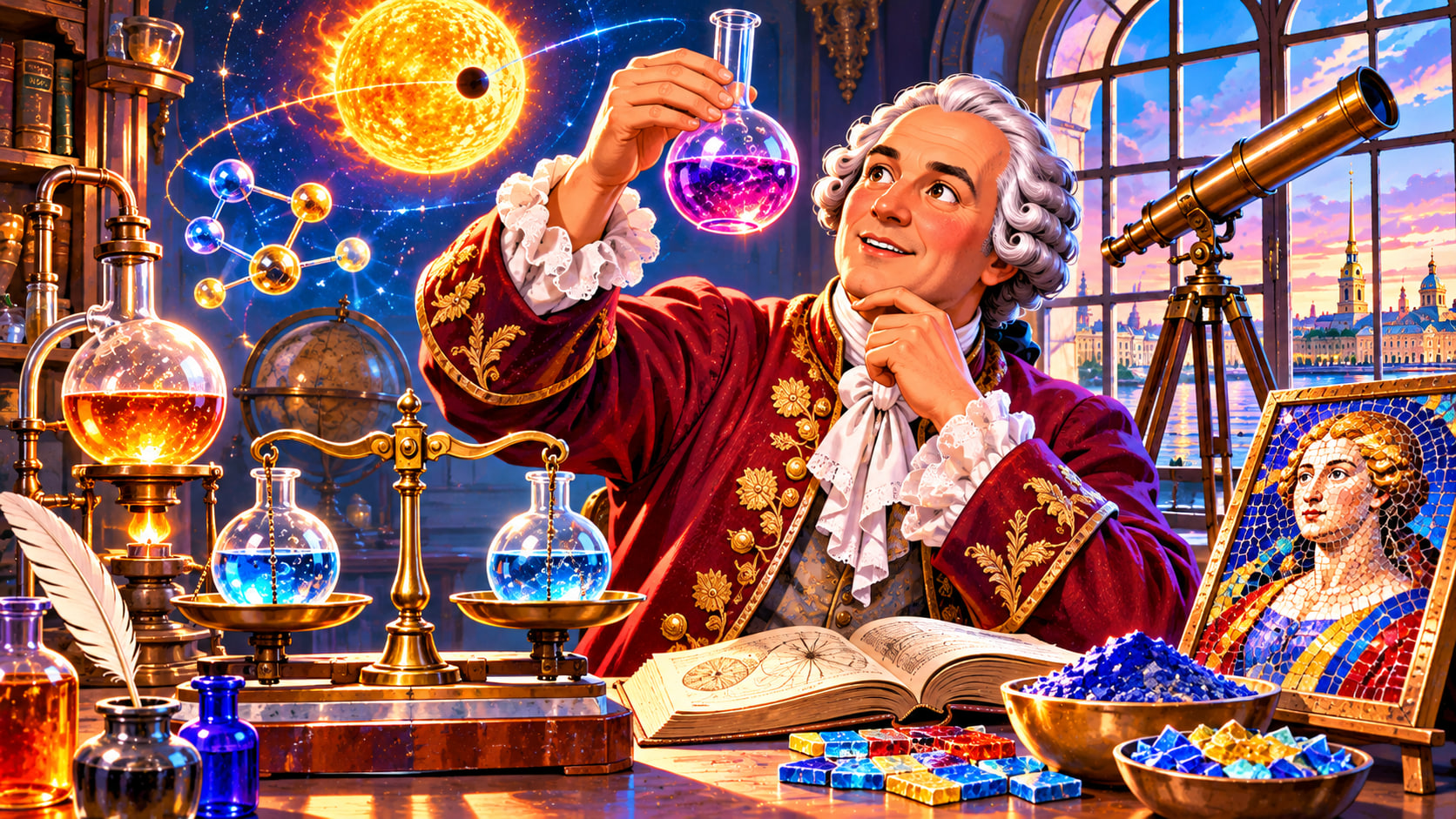
Imagine a young man leaving a remote fishing village in northern Russia, carrying a few books and an extraordinary desire to learn. Decades later, he would conduct important chemical experiments, study distant planets, develop new glassmaking techniques, and help establish a university. His name was Mikhail Lomonosov, one of the most remarkable intellectual figures of the eighteenth century.

A scientist studies ancient bones and discovers a lost branch of humanity. Another turns the Antarctic ice sheet into a telescope, while a third finds a way to edit the instructions inside living cells. Their work takes place in different laboratories, yet each discovery changes what humans can understand or accomplish. Today's most influential scientists are not simply answering old questions; they are creating entirely new possibilities.

Imagine an electric motor made from a single molecule. It has no familiar gears or blades. Yet it has a fixed base, a rotating component, and an electrical energy supply. Scientists have even made one that favors the same rotational sequence when current reverses.

Imagine standing on a coastline, surrounded by millions of liters of water, yet having nothing safe to drink. The ocean looks inviting, but its dissolved salts can make dehydration worse. Fortunately, scientists have developed ways to separate salt from water. Even a simple system using evaporation and condensation can transform seawater into freshwater.
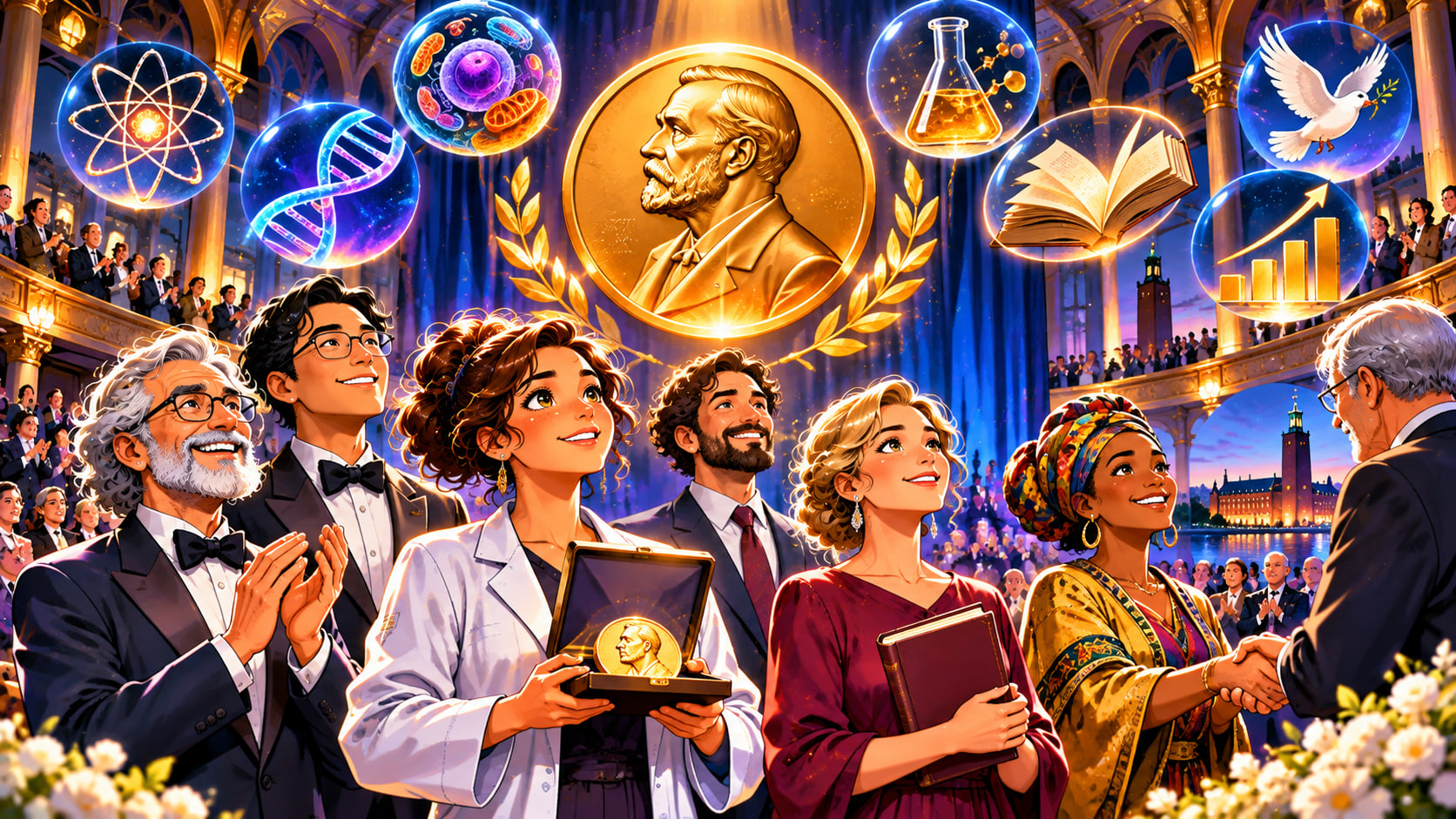
Every October, years of quiet work become worldwide headlines. A forgotten laboratory discovery suddenly makes news, while a writer or peace advocate gains an international audience. The Nobel Prizes are famous for their medals and ceremonies, but their real story begins with a nineteenth-century inventor's unusual will. More than a century later, these awards still shape how the world recognizes extraordinary achievements.

A stone arch holds up a Roman aqueduct. A steam engine drives a nineteenth-century factory. A microchip coordinates the movements of a robotic surgical instrument. All began with the challenge of turning knowledge and materials into practical solutions. The history of engineering is the story of humanity learning to build, measure, power, and connect its world.

Imagine a spacecraft traveling at 99% of the speed of light. Its passengers spend one year aboard, with their clocks and heartbeats behaving normally. Yet when they compare their time with clocks on Earth, more than seven years have elapsed there. This extraordinary difference is not a trick of perception: it follows from the structure of the universe.