
What Is Synthetic Biology and Why Is It Important? How Scientists Are Engineering Life
Imagine bacteria that manufacture life-saving medicines, yeast that produces valuable fragrances, or living cells programmed to detect disease.
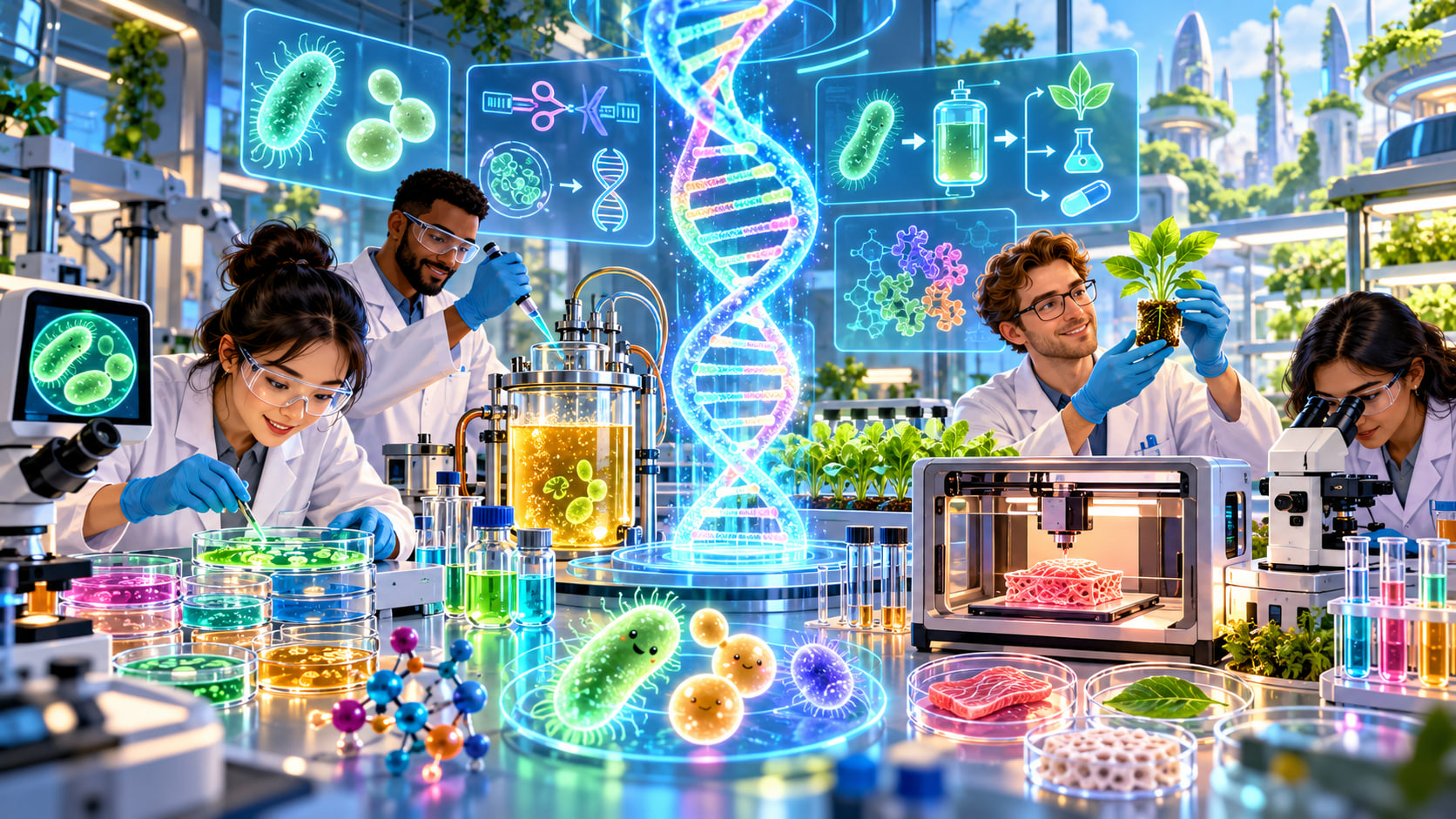
Imagine bacteria that manufacture life-saving medicines, yeast that produces valuable fragrances, or living cells programmed to detect disease.
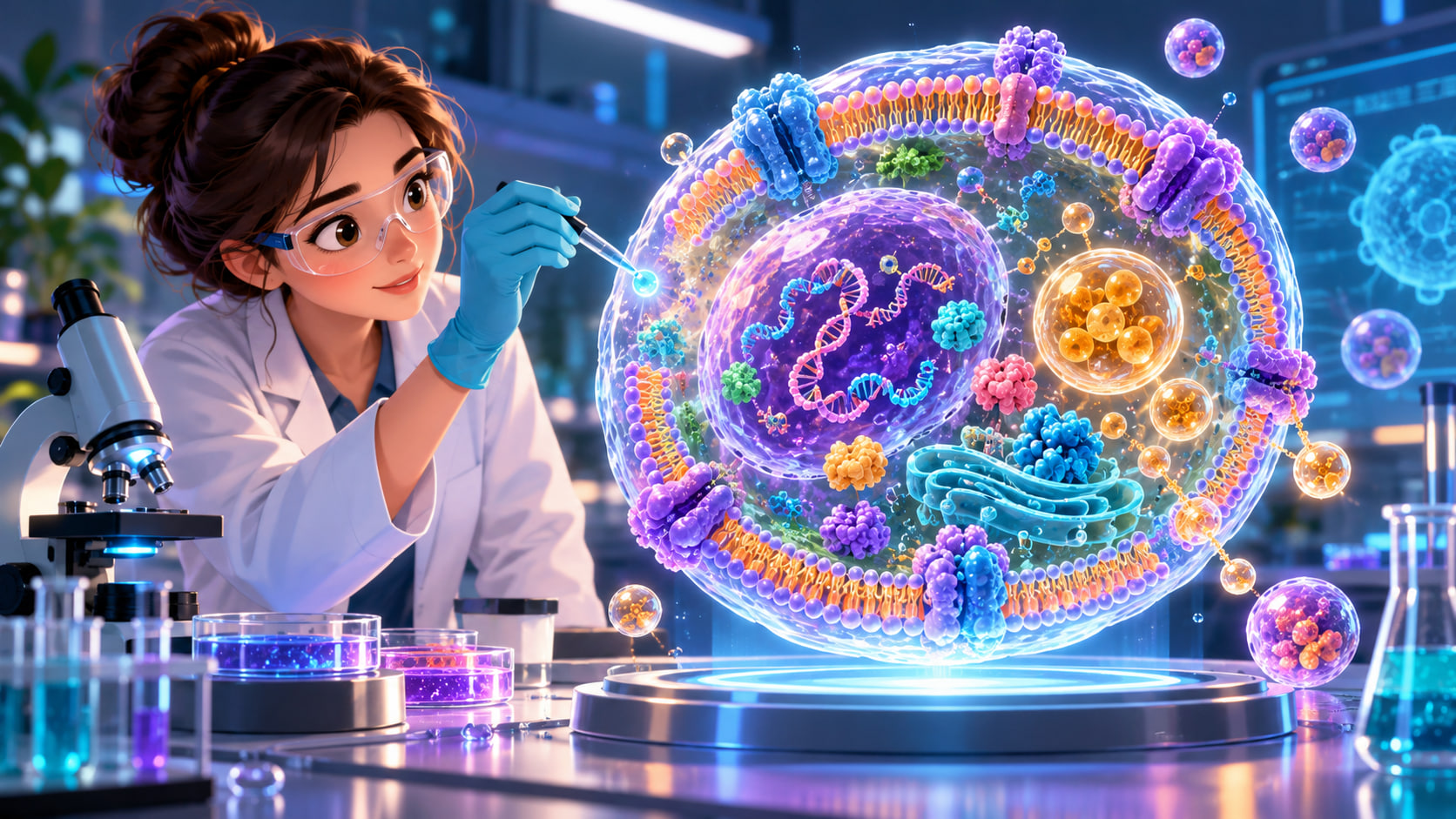
However, a membrane alone does not create life. Scientists must also introduce the machinery required for biological activity.

Perfume is one of humanity’s oldest forms of personal expression. Long before modern fragrance bottles appeared on dressing tables, aromatic resins, woods, flowers, oils, and spices were burned in temples, applied to the body, and used in ceremonies.
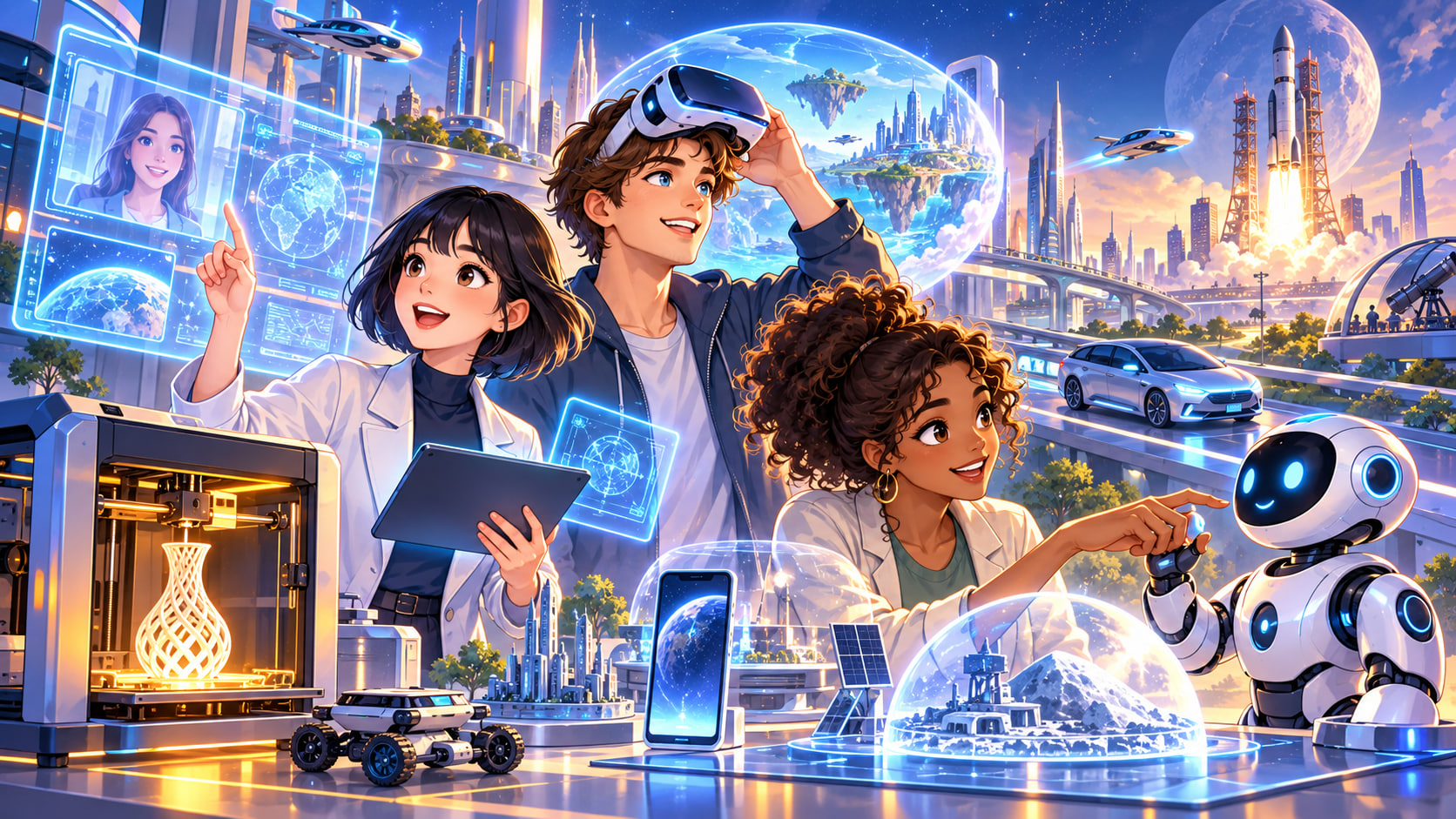
Science fiction has imagined artificial intelligence, video calls, space travel, intelligent robots, virtual worlds, wearable computers, and machines capable of creating objects on demand. Many ideas that once seemed impossible are now ordinary parts of modern life.
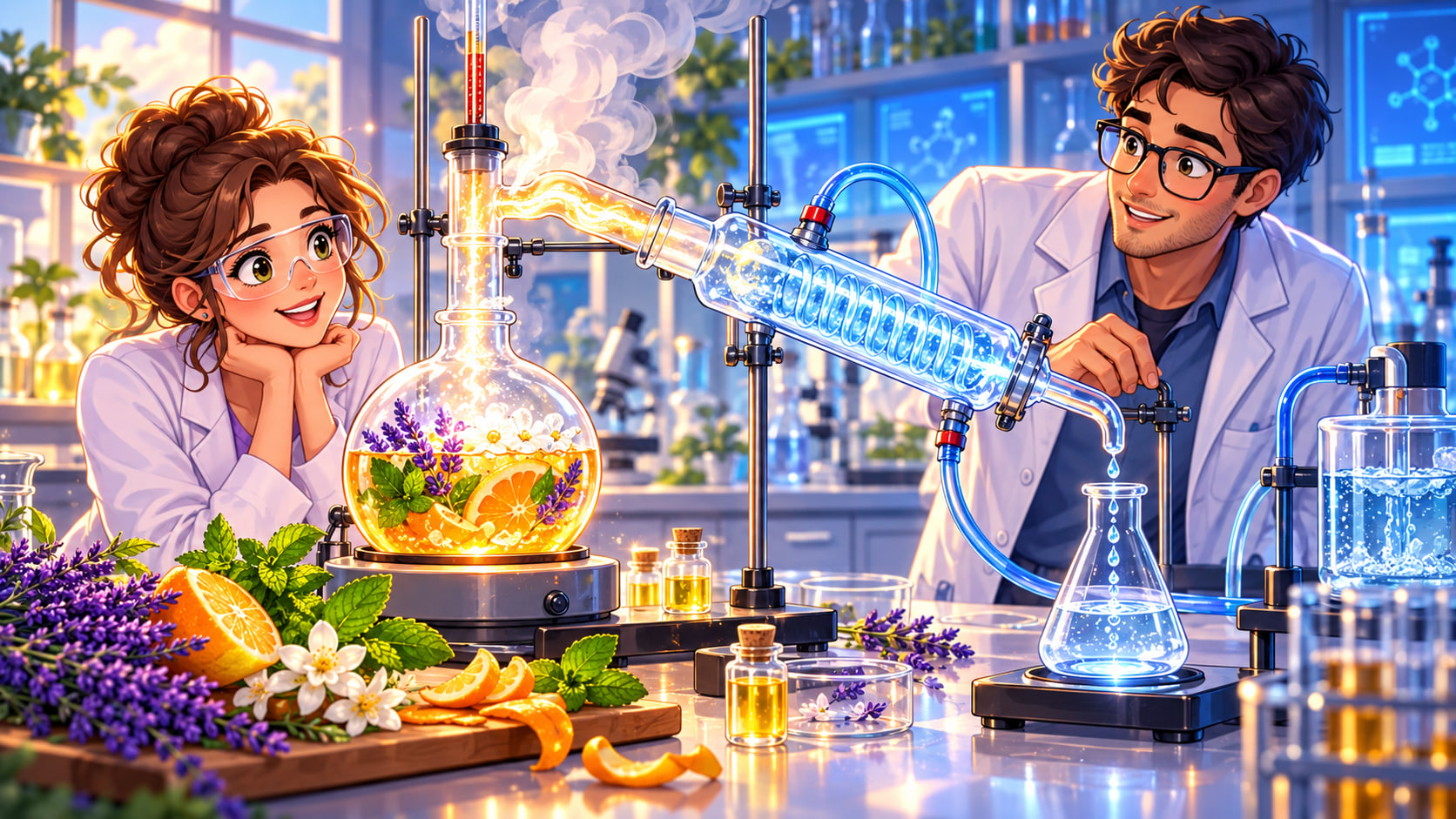
Distillation is one of the oldest and most useful separation technologies ever developed. It is used to purify water, manufacture chemicals, refine petroleum, produce fragrances, concentrate essential oils, prepare laboratory solvents, and create many alcoholic beverages.
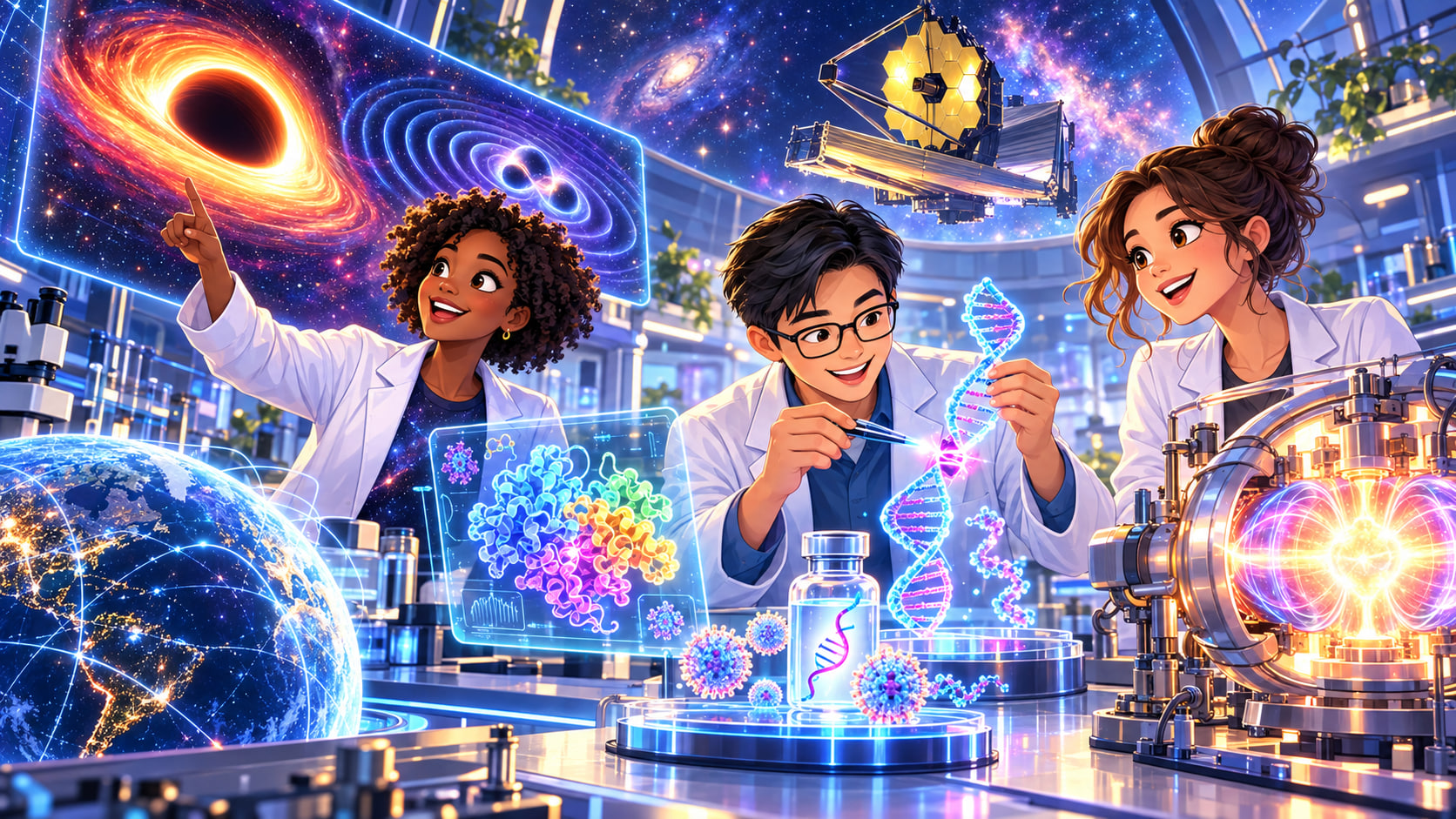
Over the past decade, science has achieved breakthroughs that once seemed impossible. Scientists have photographed black holes, developed revolutionary genetic treatments, unlocked the structures of millions of proteins, and brought humanity closer to controlled nuclear fusion.

From the dimensions of a doorway to the spacing of columns and the proportions of an entire façade, buildings depend on numerical relationships. Among the most famous of these relationships is the golden ratio, a mathematical proportion often associated with harmony, balance, and visual beauty.
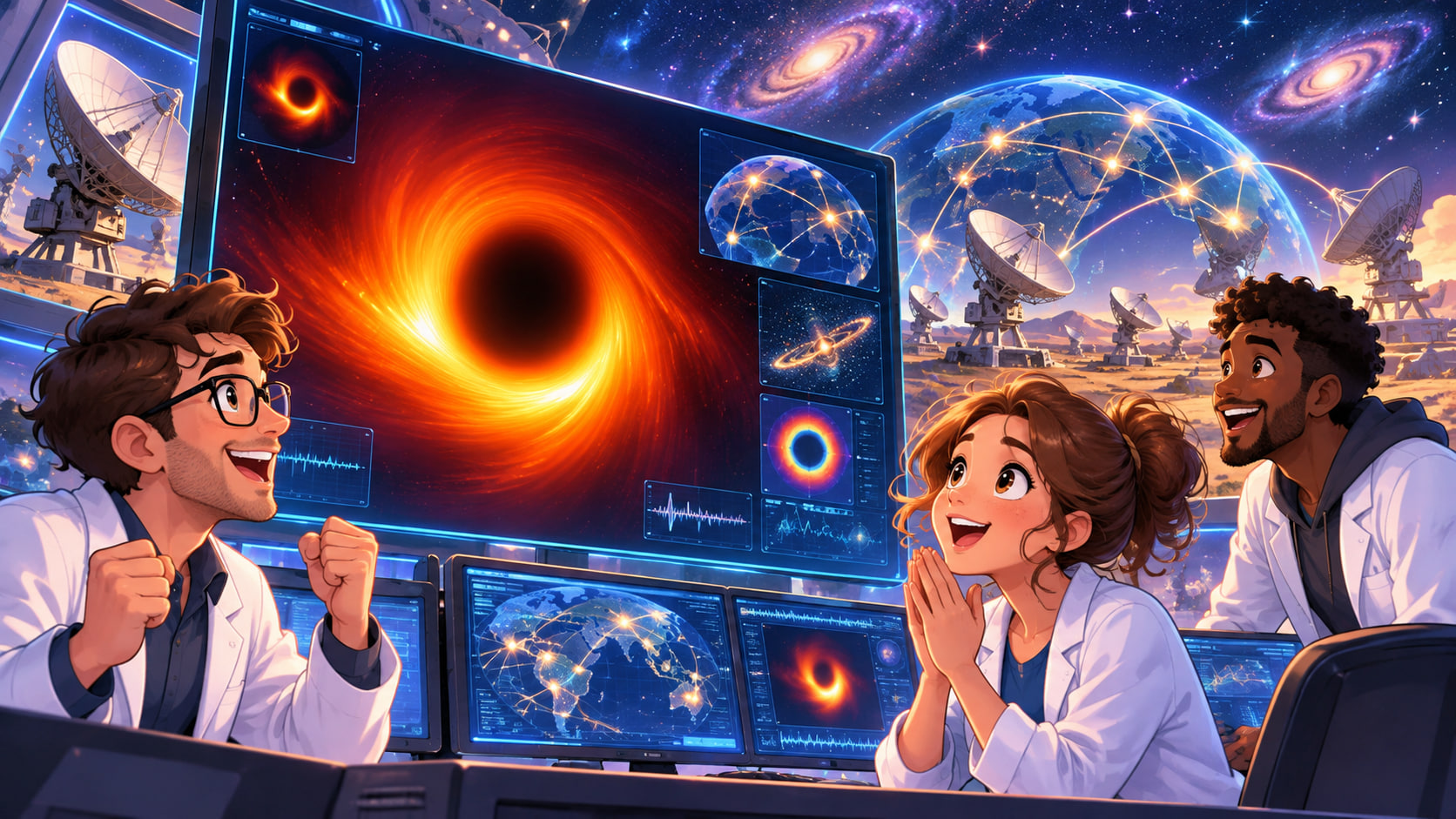
On April 10, 2019, humanity witnessed one of the most extraordinary achievements in the history of astronomy. Scientists unveiled the first-ever image of a black hole, transforming an object once considered impossible to photograph into an observable astronomical phenomenon.
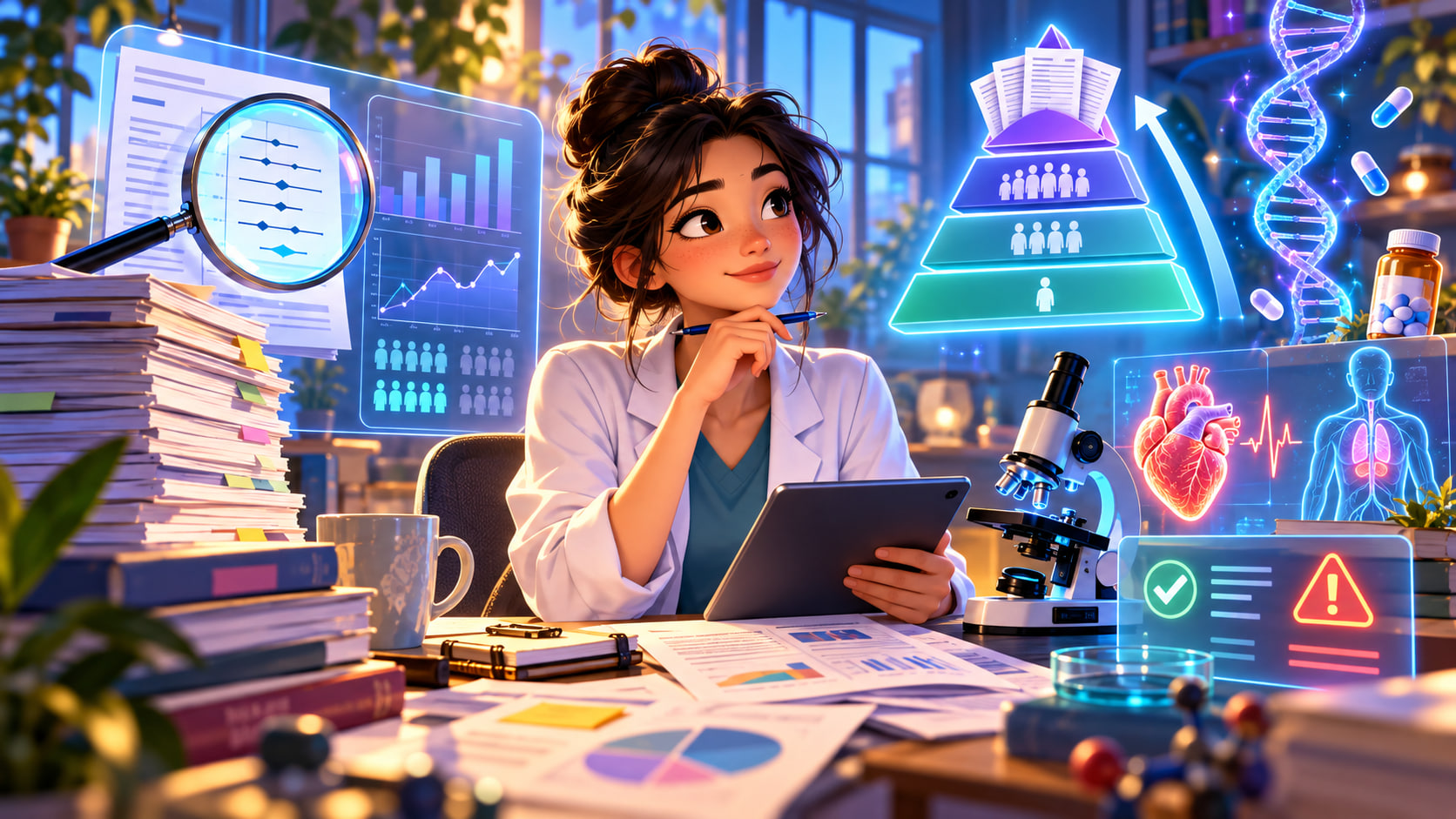
Every day, new headlines announce revolutionary treatments, miracle diets, and scientific discoveries that promise to transform human health. One study claims coffee prevents disease, while another suggests the opposite. A supplement appears promising in laboratory experiments, only to disappoint in clinical trials.
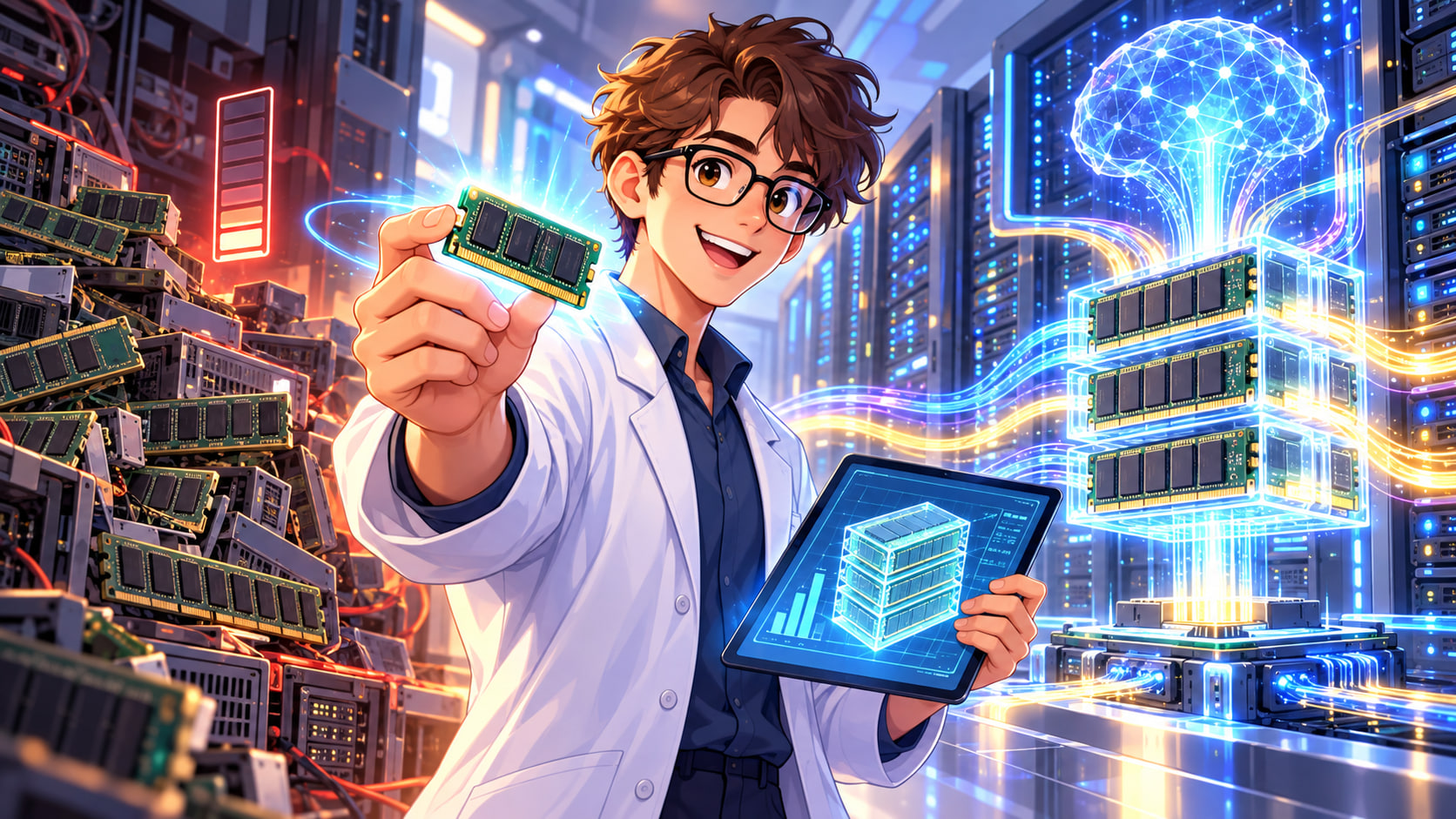
The global memory industry is facing an unusual challenge. Artificial intelligence is consuming enormous amounts of RAM, data centers are expanding rapidly, and manufacturers are struggling to keep up with demand.