
Top 10 Facts Science Still Cannot Fully Explain
Some questions are not “unscientific.” They are simply not solved yet. They sit at the edge of physics, biology, consciousness studies, cosmology, and medicine.
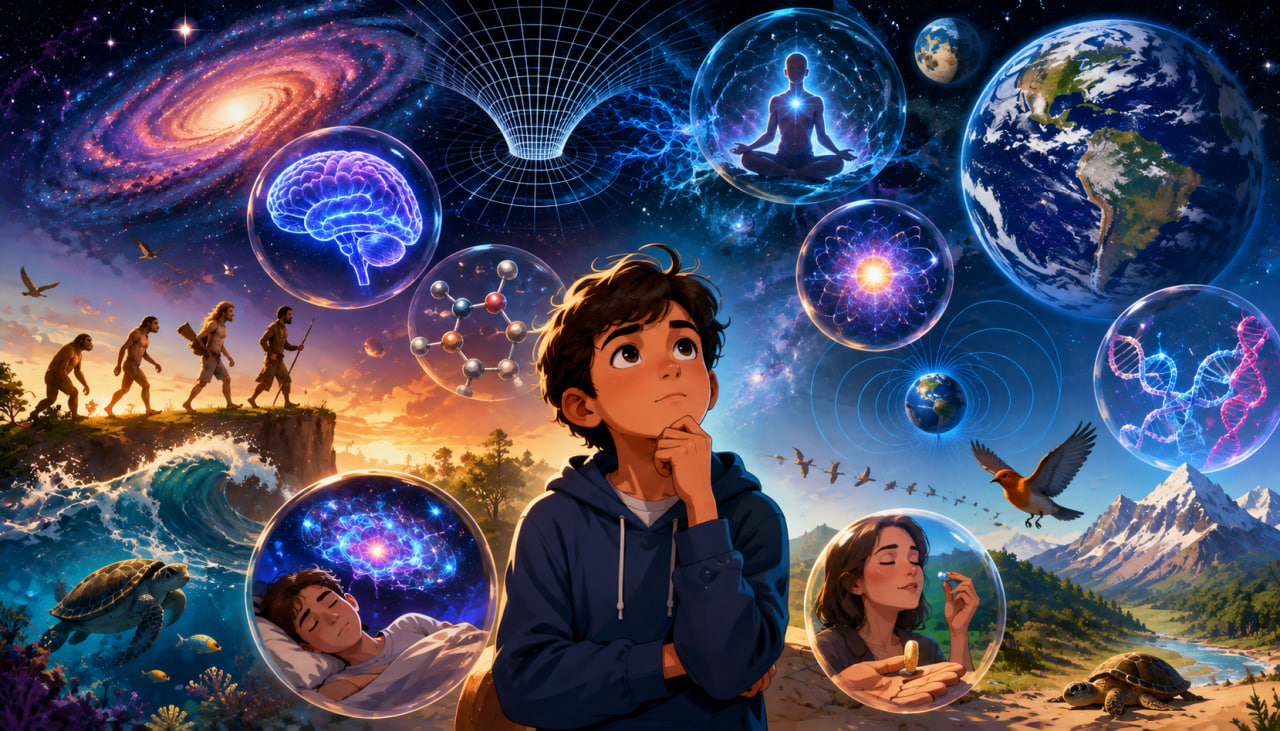
Some questions are not “unscientific.” They are simply not solved yet. They sit at the edge of physics, biology, consciousness studies, cosmology, and medicine.

Imagine standing on Mars billions of years ago. Instead of rusty dunes, a river might cross a plain toward a lake. Rain or snowmelt may have fed the river beneath volcanic mountains. Today, most of that landscape is a desert hostile to stable surface water.

Look closely at a snowflake, a sunflower, or a honeycomb, and something remarkable emerges. Their shapes seem carefully designed, with repeating patterns, precise angles, and surprising numerical relationships. Even the movement of distant planets follows equations that scientists can use to predict their positions years into the future.

A pizza, a spinning wheel, and the orbit of a planet have something obvious in common: circles. But what connects them to random numbers, the familiar bell curve, or the probability that a dropped needle crosses a line? Surprisingly, the same mathematical constant appears in all these situations.
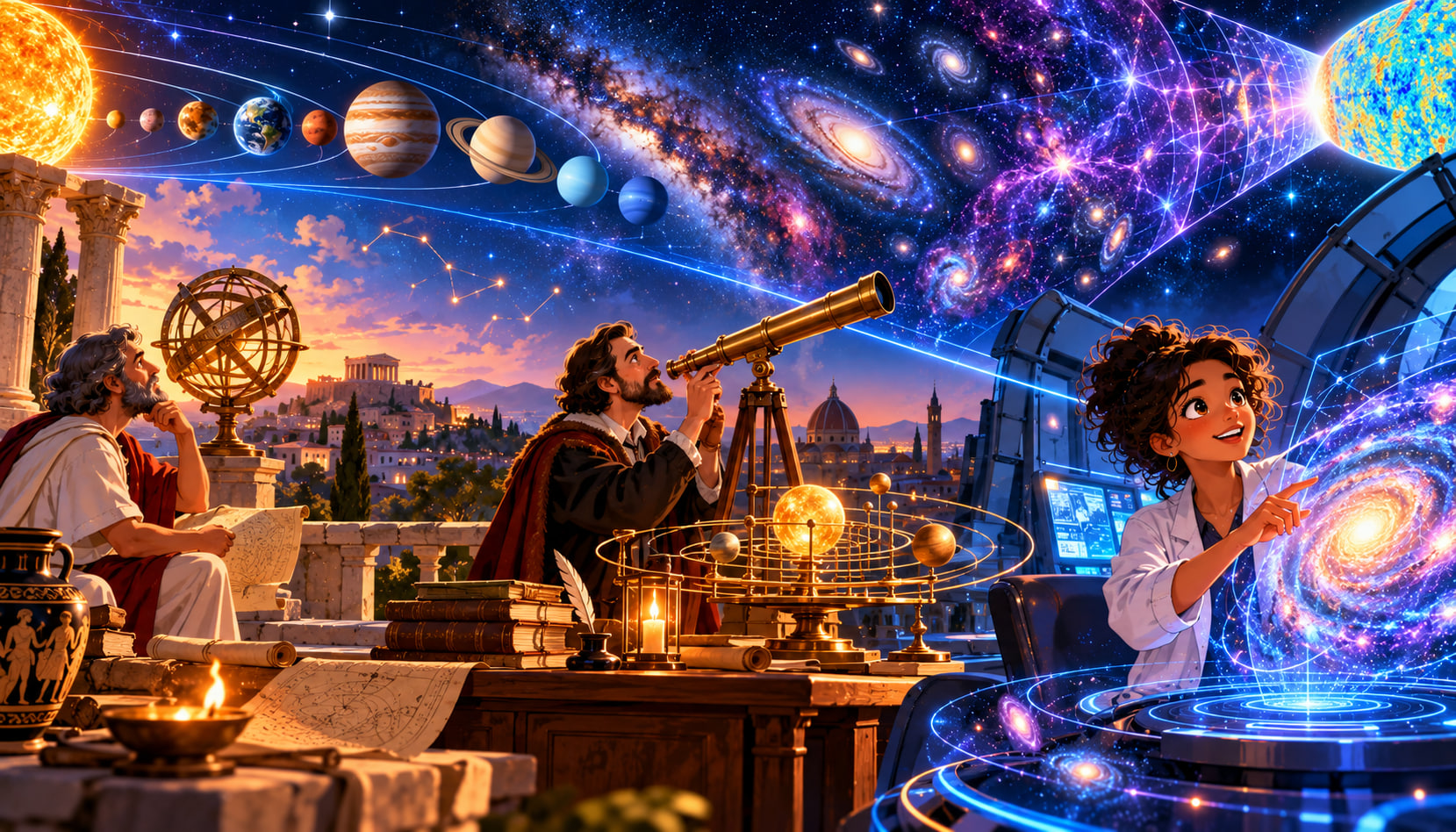
For thousands of years, humans have looked toward the night sky and wondered what exists beyond Earth. The Sun, Moon, planets, and stars inspired mythology, philosophical debates, and eventually scientific investigation.
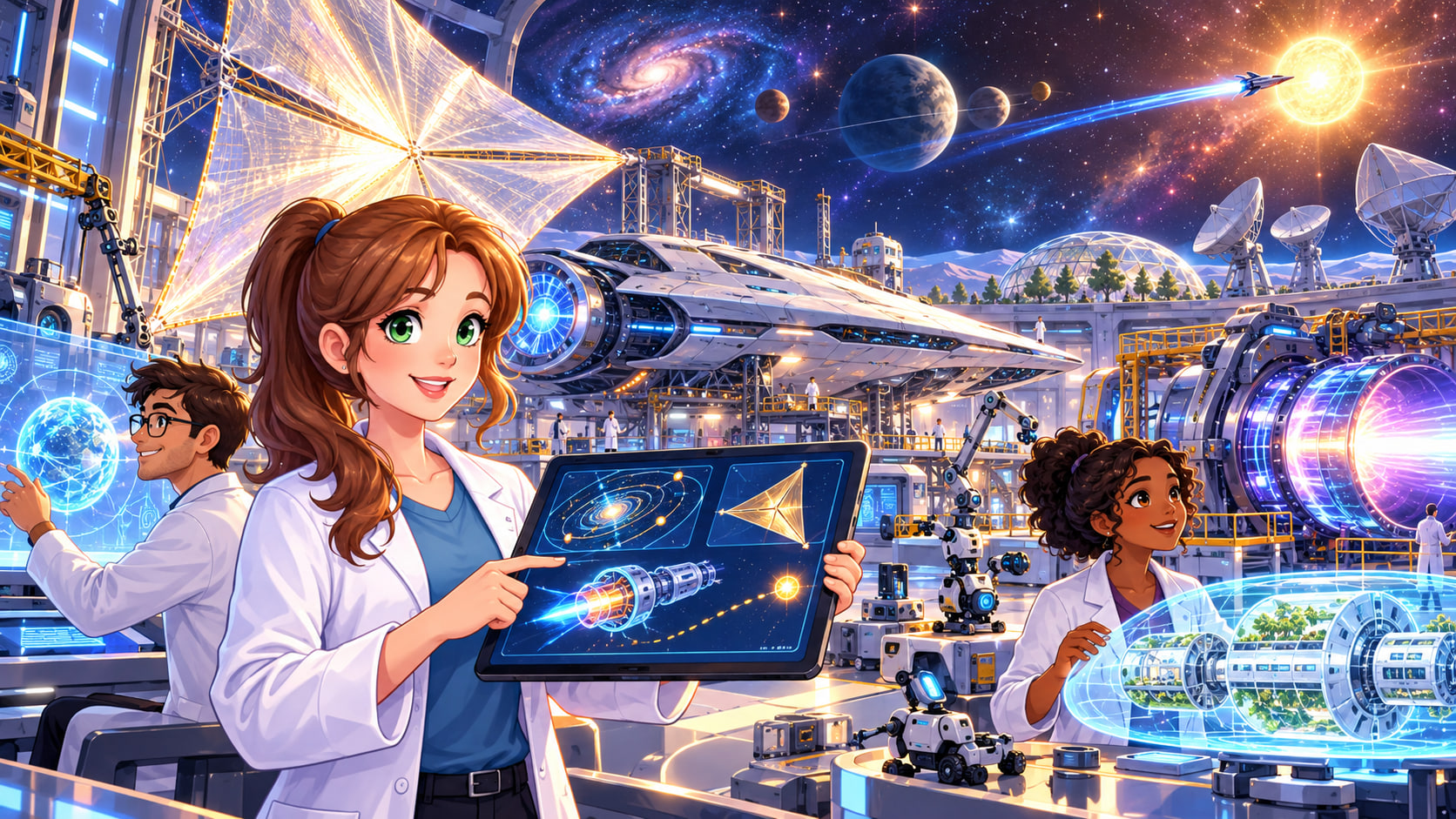
Humanity has already sent spacecraft beyond the planets, landed robots on Mars, and explored distant worlds throughout our Solar System. Yet traveling to another star remains one of the greatest challenges in science and engineering.
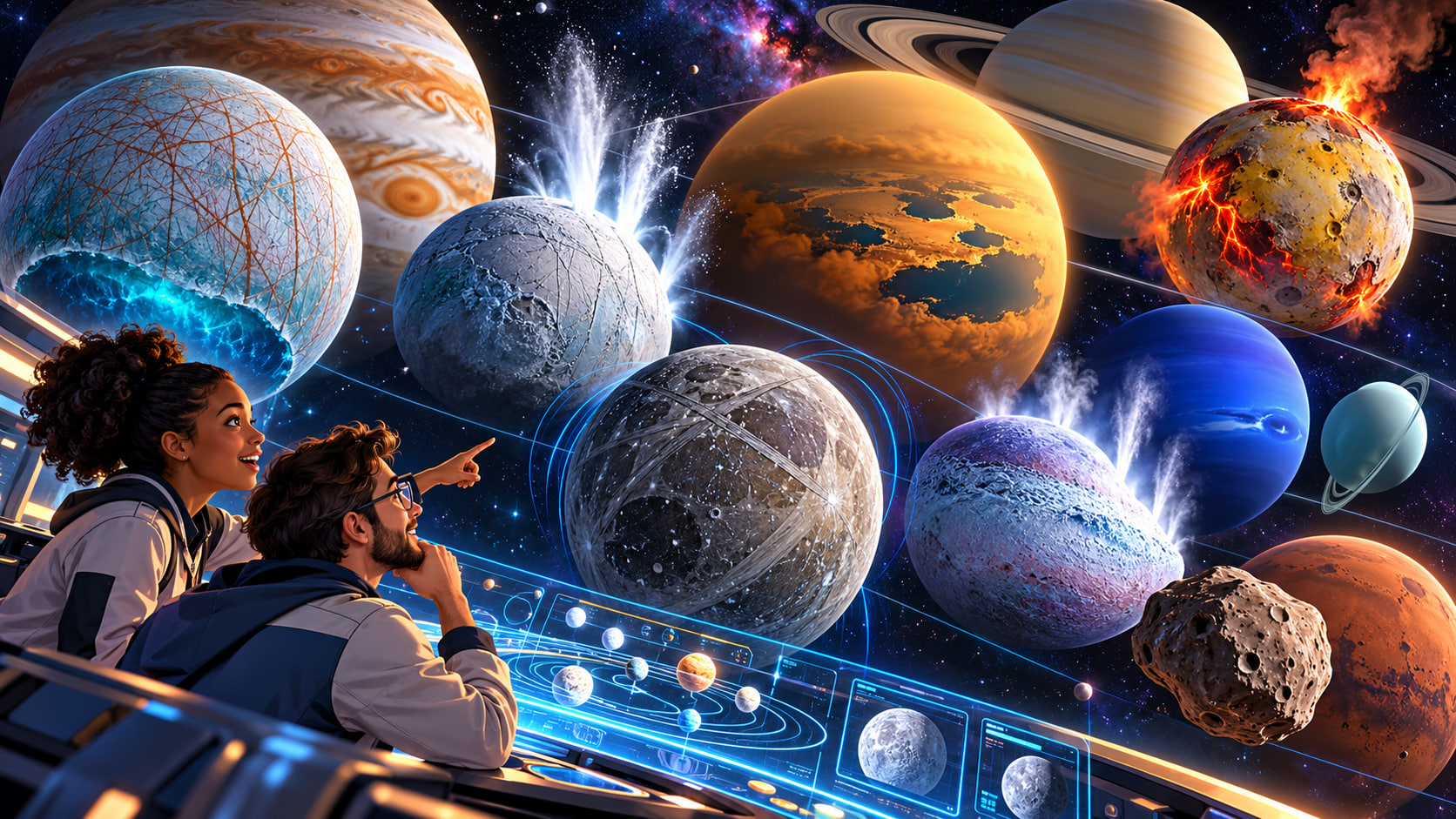
Some have hidden oceans beneath thick shells of ice. Others feature active volcanoes, methane lakes, towering cliffs, or mysterious geological formations.
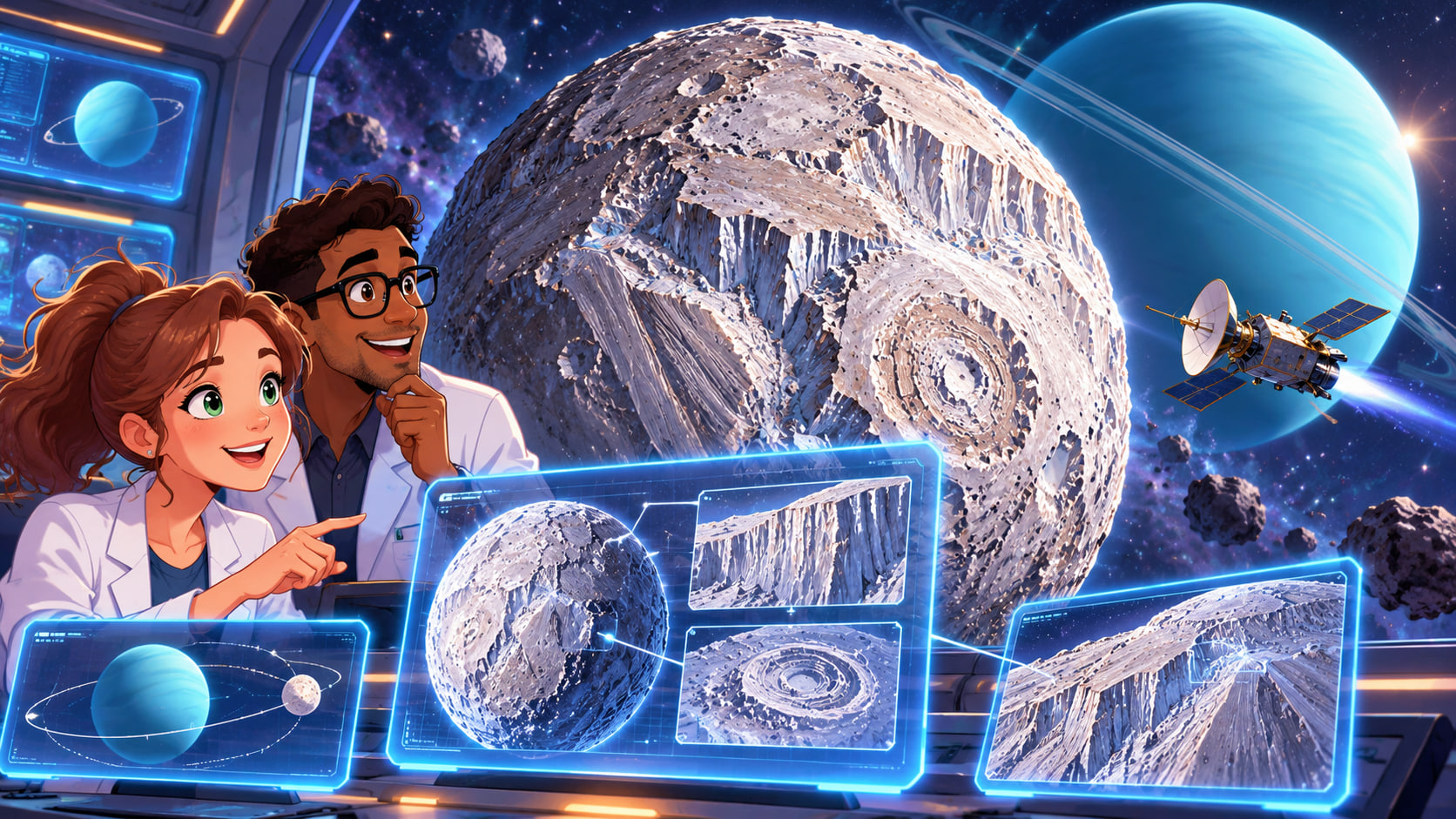
Miranda's strange appearance does not necessarily mean it was broken apart. Its surface may have been transformed by powerful geological activity from within.
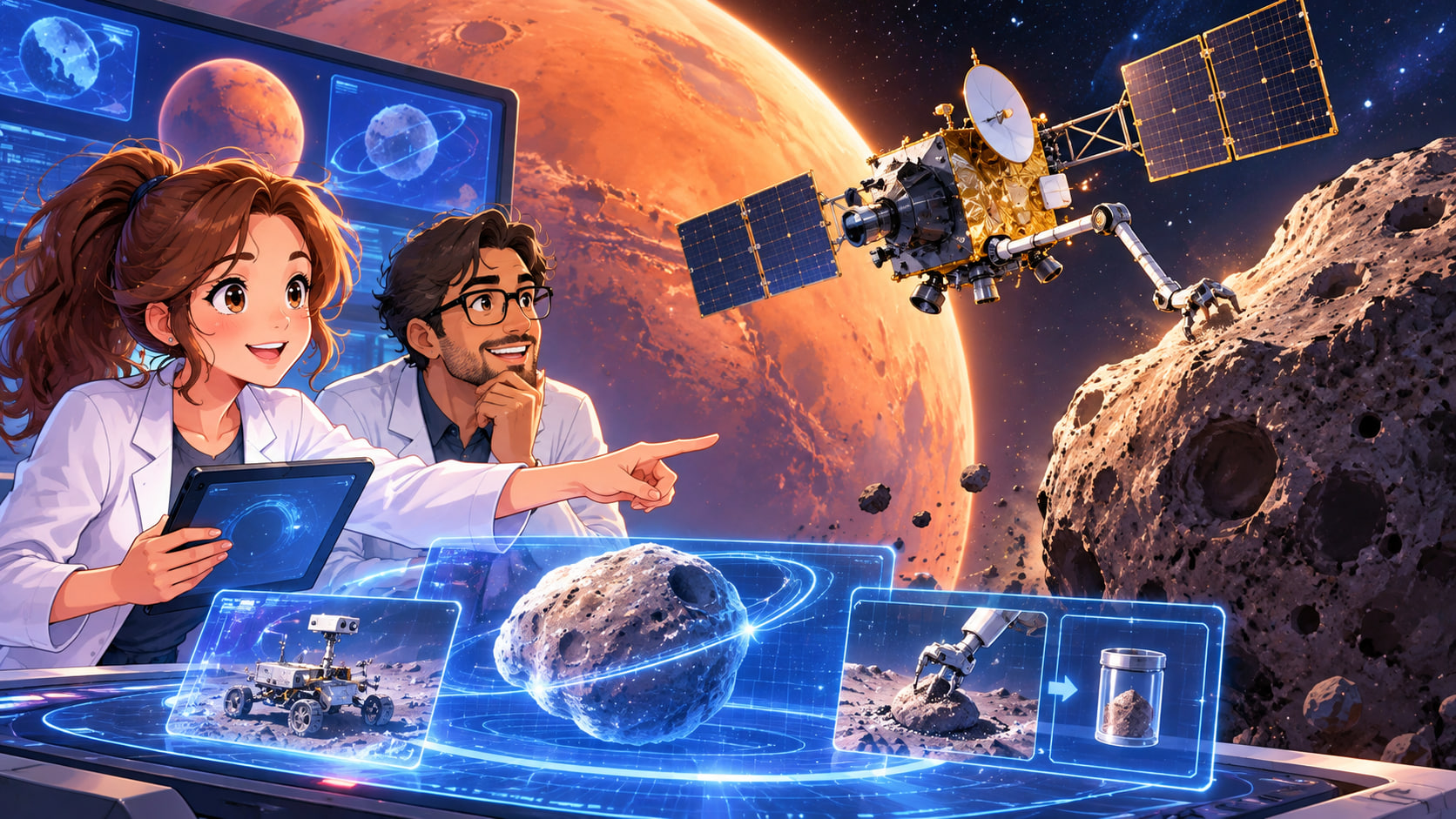
Unlike conventional Mars missions, MMX will not focus primarily on exploring the planet's surface. Instead, it will investigate its mysterious moons, collect material from Phobos, and bring those samples back to Earth.
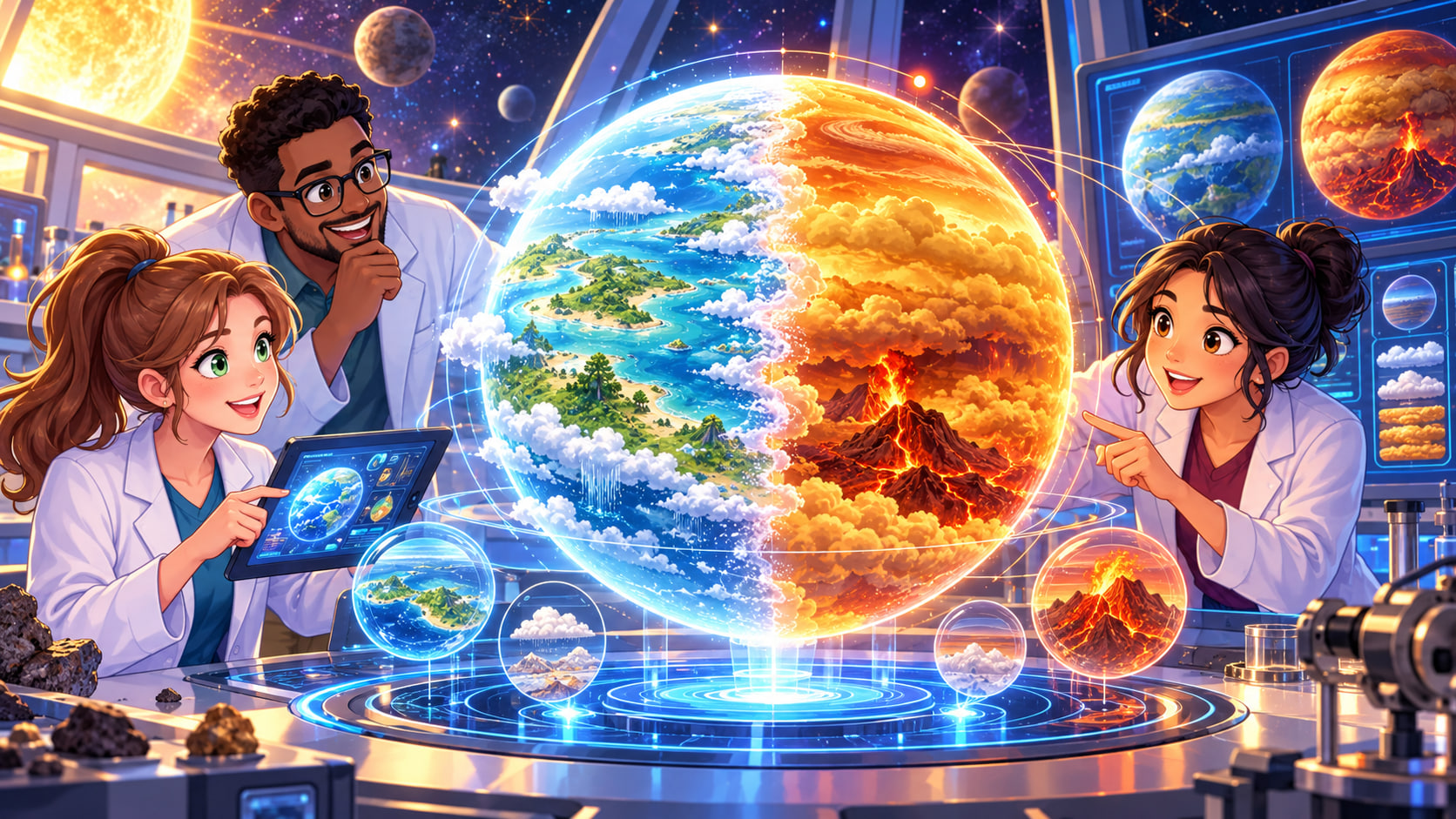
Today, Venus is one of the most hostile places in the Solar System. Its surface is hot enough to melt lead, its atmosphere is crushingly dense, and thick clouds of sulfuric acid hide the landscape from ordinary view.