Neuro-Tech

Explore the cutting-edge world where neuroscience meets technology. From brain-computer interfaces to neural implants — learn how thoughts can control machines and reshape human potential.

Starlink: A New Era of Global Satellite Internet
Neuro-Tech Cosmic Innovations Hi-Tech

Starlink: A New Era of Global Satellite Internet

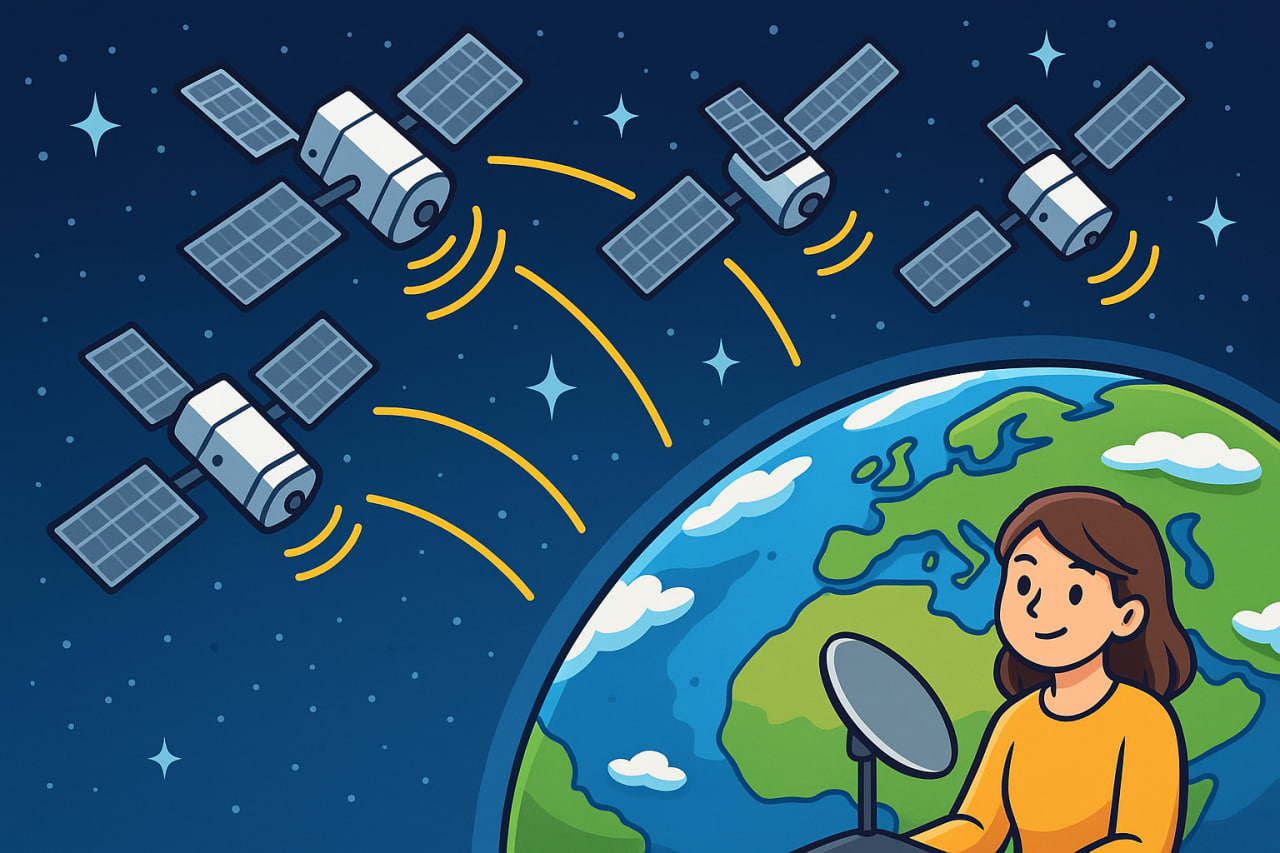
Starlink is a satellite-based internet system developed by SpaceX with the goal of providing high-speed, low-latency broadband access anywhere on Earth. Unlike traditional satellite internet, which relies on a few large satellites placed high above the planet, Starlink uses a massive constellation of thousands of small satellites operating in low Earth orbit (LEO). Their closer proximity allows faster data transmission, reduced signal delay, and more stable connectivity, even in remote or underserved regions. Starlink represents a major technological shift in global communications, reshaping how people access information, work online, and stay connected.
Human-Cell Processors: Building Computers From Living Tissue
Neuro-Tech Hi-Tech Bioengineering

Human-Cell Processors: Building Computers From Living Tissue

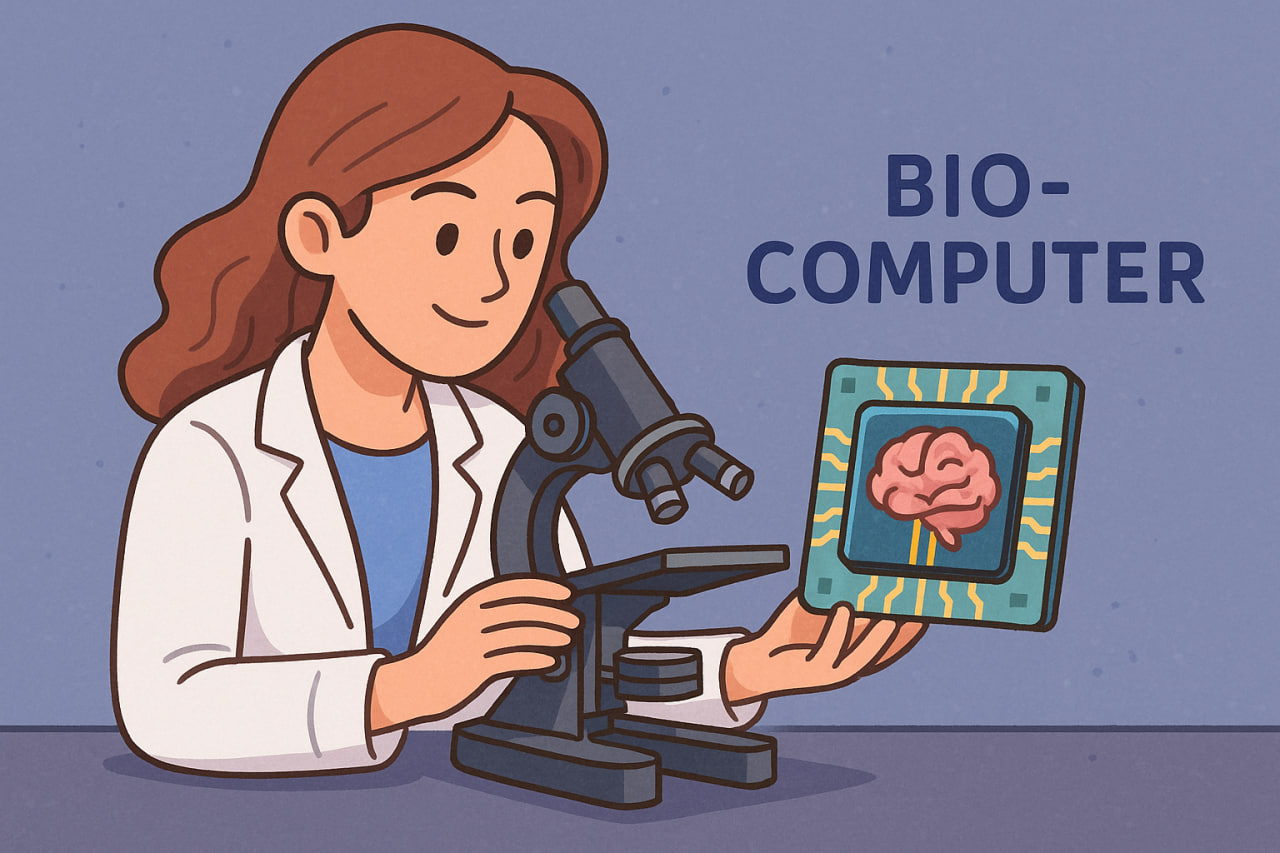
Human-cell processors, sometimes called bio-computers or organoid-based processors, are an emerging technology that uses living human cells as the core of a computing system instead of traditional silicon transistors. In most experimental designs, tiny clusters of brain-like cells are grown in the lab and connected to electronic interfaces that can send signals in and read activity out. These living networks are capable of learning, adapting, and processing information in ways that resemble biological brains rather than conventional computers. The goal is not to replace digital chips completely, but to explore new kinds of computation that are more energy-efficient and better at tasks such as pattern recognition, decision-making, and learning from experience. At the same time, these systems raise important ethical, technical, and safety questions that scientists must address carefully as the field develops.

The Digital Revolution – How Technology Transformed Humanity
Neuro-Tech Hi-Tech Smart Technology

The Digital Revolution – How Technology Transformed Humanity

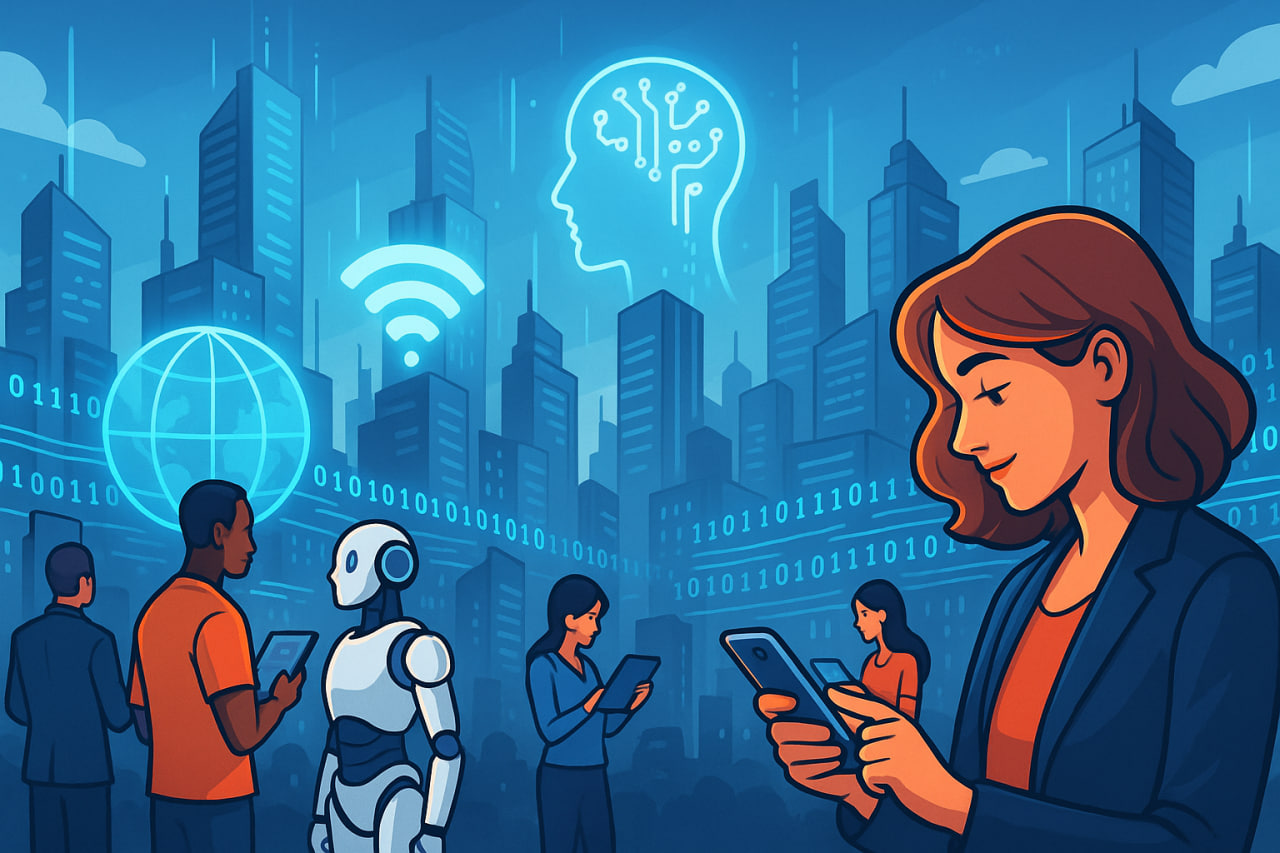
The digital revolution marks one of the most profound transformations in human history, reshaping how people communicate, work, learn, and even think. Emerging in the latter half of the 20th century, it began with the invention of computers and the internet but has since evolved into a complex web of technologies connecting nearly every aspect of life. From artificial intelligence and blockchain to smartphones and social media, the digital age has created both unprecedented opportunities and new ethical dilemmas. Humanity now stands at the threshold of a future where the boundary between the physical and digital worlds continues to blur.

The Metaverse – A New Reality Beyond the Screen
Neuro-Tech Hi-Tech Smart Technology

The Metaverse – A New Reality Beyond the Screen

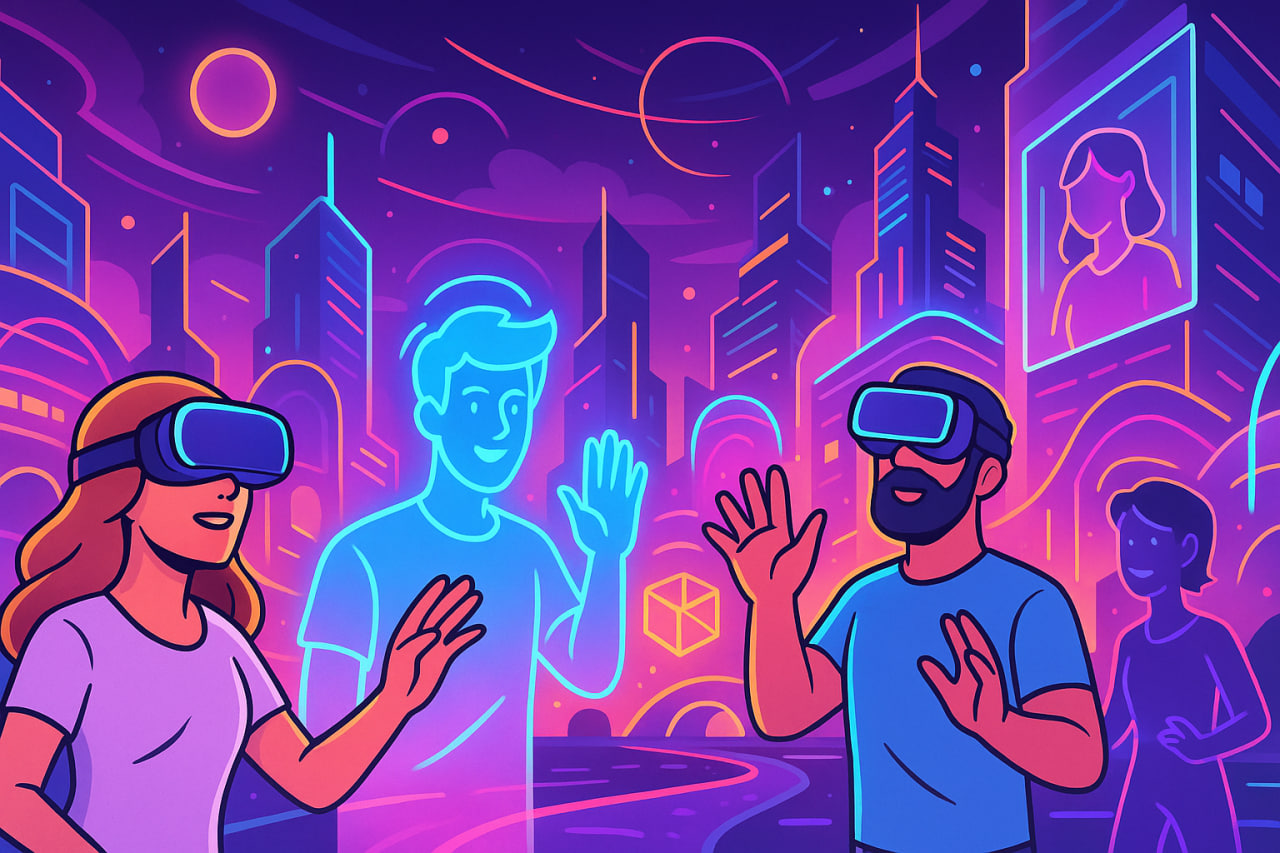
The term metaverse once belonged to science fiction, but today it represents one of the most ambitious frontiers in digital innovation. The metaverse is envisioned as a vast, interconnected virtual universe where people can work, play, learn, and socialize through digital avatars. It merges virtual reality (VR), augmented reality (AR), and the internet into a continuous, immersive experience—blurring the boundaries between physical and digital life. As technology advances, this new dimension of existence promises to redefine how humans interact with technology, each other, and even their own sense of identity.

Why ChatGPT Sometimes Invents Answers Instead of Saying It Doesn’t Know
Neuro-Tech AI & Ethics AI

Why ChatGPT Sometimes Invents Answers Instead of Saying It Doesn’t Know

Artificial intelligence has transformed how humans interact with information, making tools like ChatGPT seem almost like digital experts. However, one of the most controversial aspects of AI language models is their tendency to produce confident but incorrect answers, a phenomenon researchers call “hallucination.” Instead of admitting uncertainty, the AI sometimes fills gaps with plausible but unverified statements. This behavior raises important questions about how AI “thinks,” how it is trained, and how humans should interpret its responses.

Can We Create an AI That Always Tells the Truth?
Neuro-Tech AI & Ethics AI

Can We Create an AI That Always Tells the Truth?

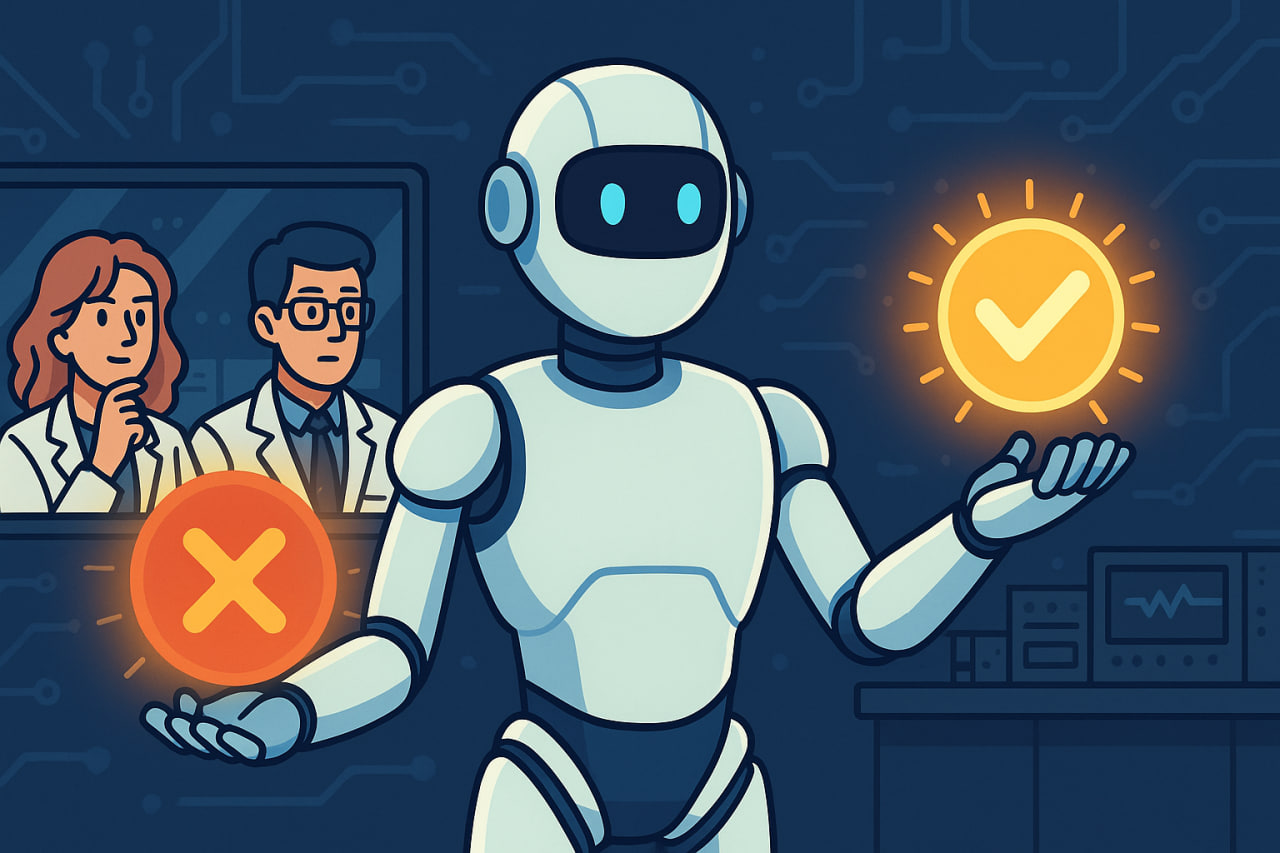
In an age where artificial intelligence shapes everything from news to medical decisions, the question of whether we can build a neural network that always tells the truth has become one of the most profound challenges in modern technology. Truth, though seemingly simple, is not an absolute concept for machines. While AI systems excel at recognizing patterns and generating realistic answers, distinguishing truth from assumption remains a fundamentally human task. Building an AI that never lies would require not only advanced engineering but also a philosophical understanding of what truth itself means.

Bits and Qubits: The Foundations of Classical and Quantum Computing
Neuro-Tech Hi-Tech Smart Technology

Bits and Qubits: The Foundations of Classical and Quantum Computing

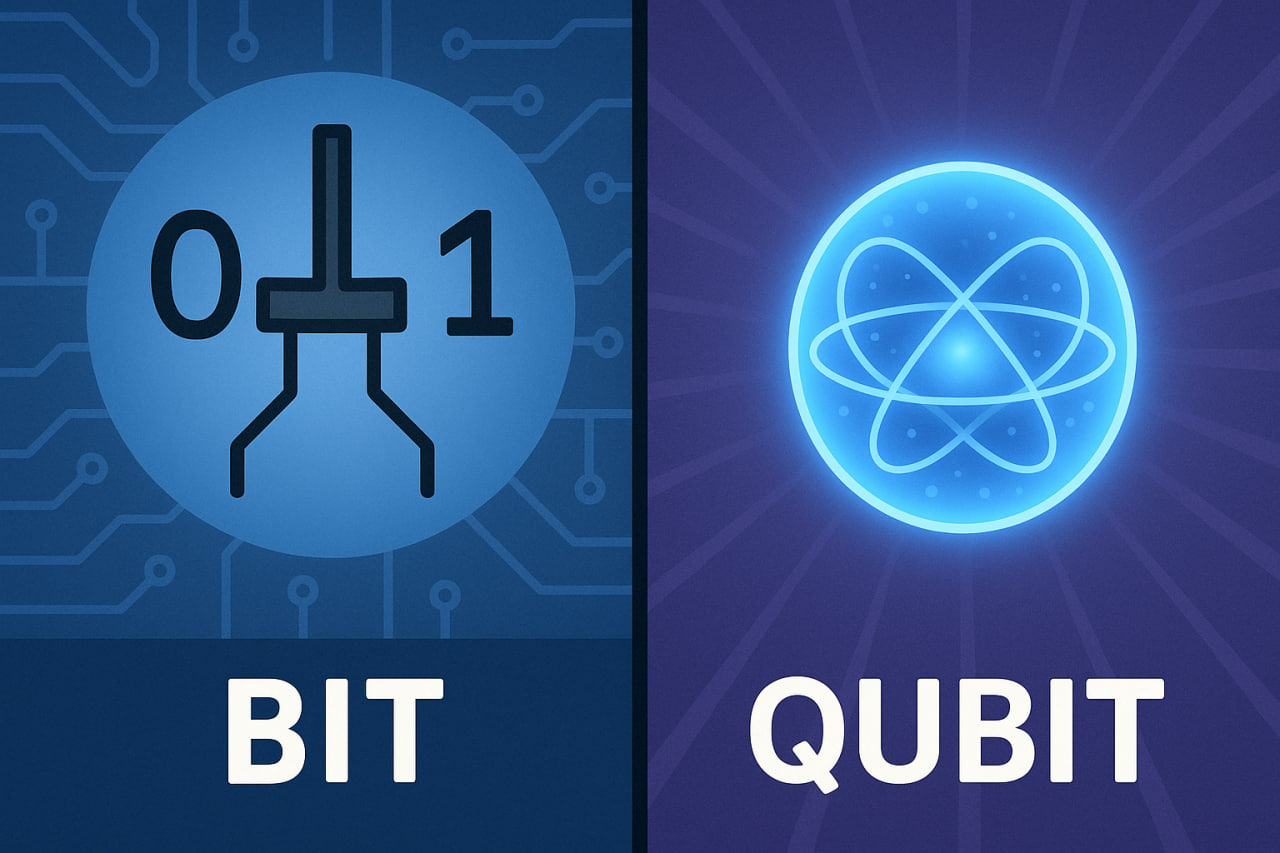
Every computer, from the simplest calculator to the most advanced supercomputer, relies on bits to process information. However, the rise of quantum computing has introduced a revolutionary concept — the qubit, a quantum version of the bit that operates according to the strange laws of quantum physics. Understanding the difference between bits and qubits helps us see how technology is evolving from the digital age toward the quantum era.

The Role of Open-Source in Science and Technology
Neuro-Tech Science AI

The Role of Open-Source in Science and Technology

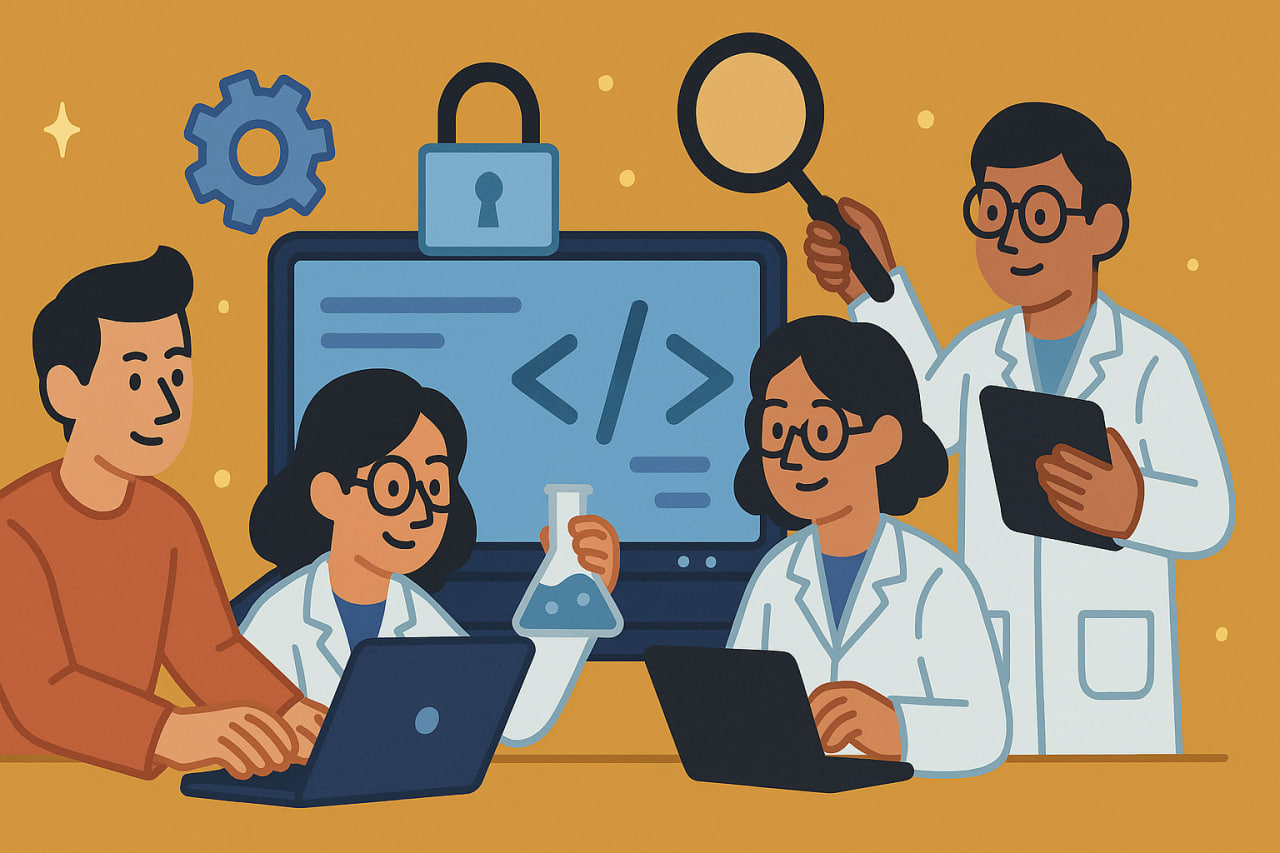
Open-source refers to software, data, and technologies that are freely available for anyone to use, modify, and distribute. In science and technology, the open-source model accelerates innovation, reduces costs, and encourages global collaboration.

Puzzle Encoding: The Art of Information Obfuscation
Neuro-Tech Science AI

Puzzle Encoding: The Art of Information Obfuscation

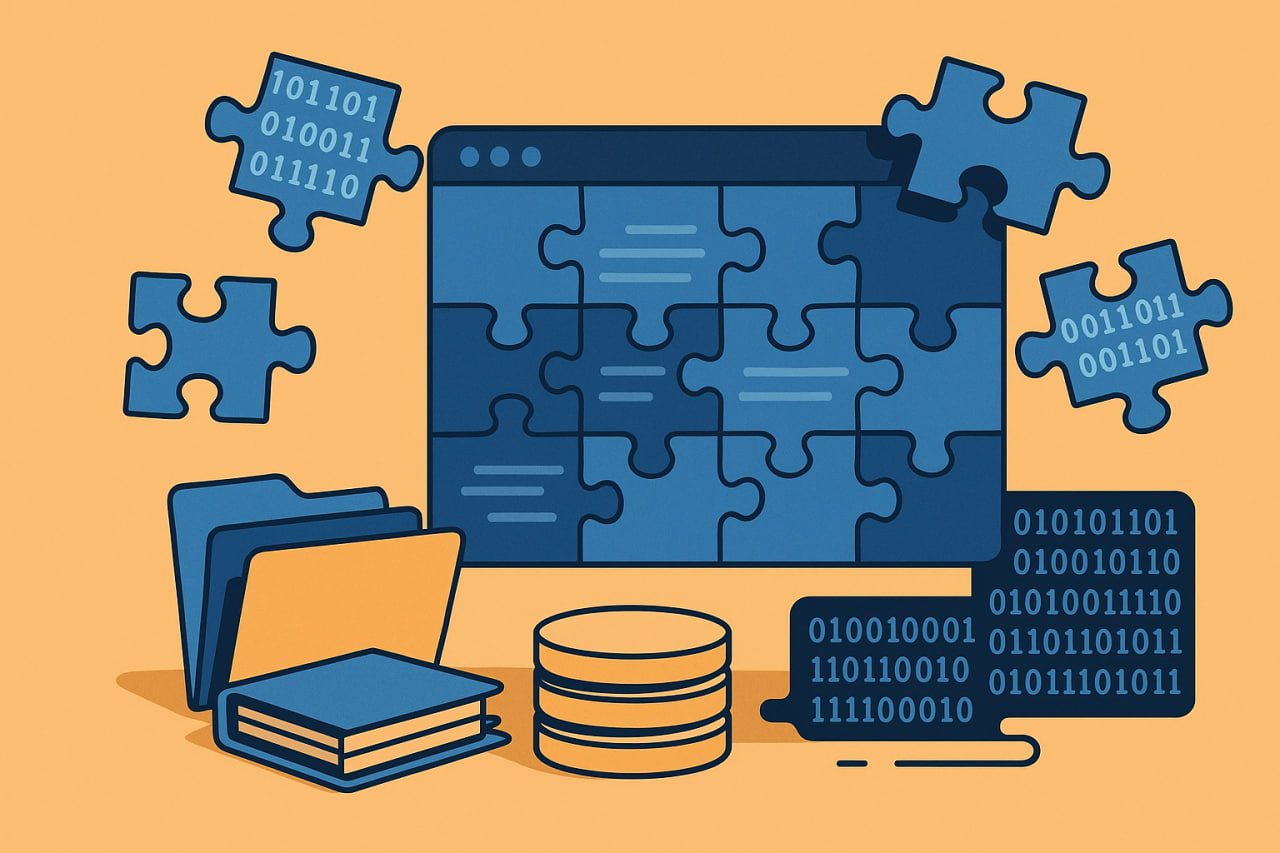
Puzzle encoding is a method of transforming information into a form that resembles a disassembled puzzle, making it difficult to interpret unless properly reconstructed. While not a formal cryptographic standard, this technique is used in fields like cybersecurity, data protection, genetic research, and digital forensics. It draws inspiration from how puzzles are solved — by reordering, matching, or decoding fragments to reveal a hidden whole. This form of encoding emphasizes structure over secrecy: the message is broken apart, shuffled, or obscured in ways that require logical assembly rather than brute-force decryption.

Life-Saving Technology: Innovations That Protect and Rescue
Neuro-Tech Hi-Tech

Life-Saving Technology: Innovations That Protect and Rescue

In critical moments, technology can mean the difference between life and death. Modern rescue equipment helps first responders act faster, safer, and more effectively. Thermal imaging cameras allow firefighters to locate people in burning buildings or search teams to find lost hikers at night. Hydraulic rescue tools, often called the "Jaws of Life," are used to cut through metal and free people trapped in vehicles after accidents. These tools have become standard in many emergency vehicles and drastically reduce response time.