Earth & Moon

What Are Lunar Maria (Lunar Seas)?
Space Stories Earth & Moon

What Are Lunar Maria (Lunar Seas)?

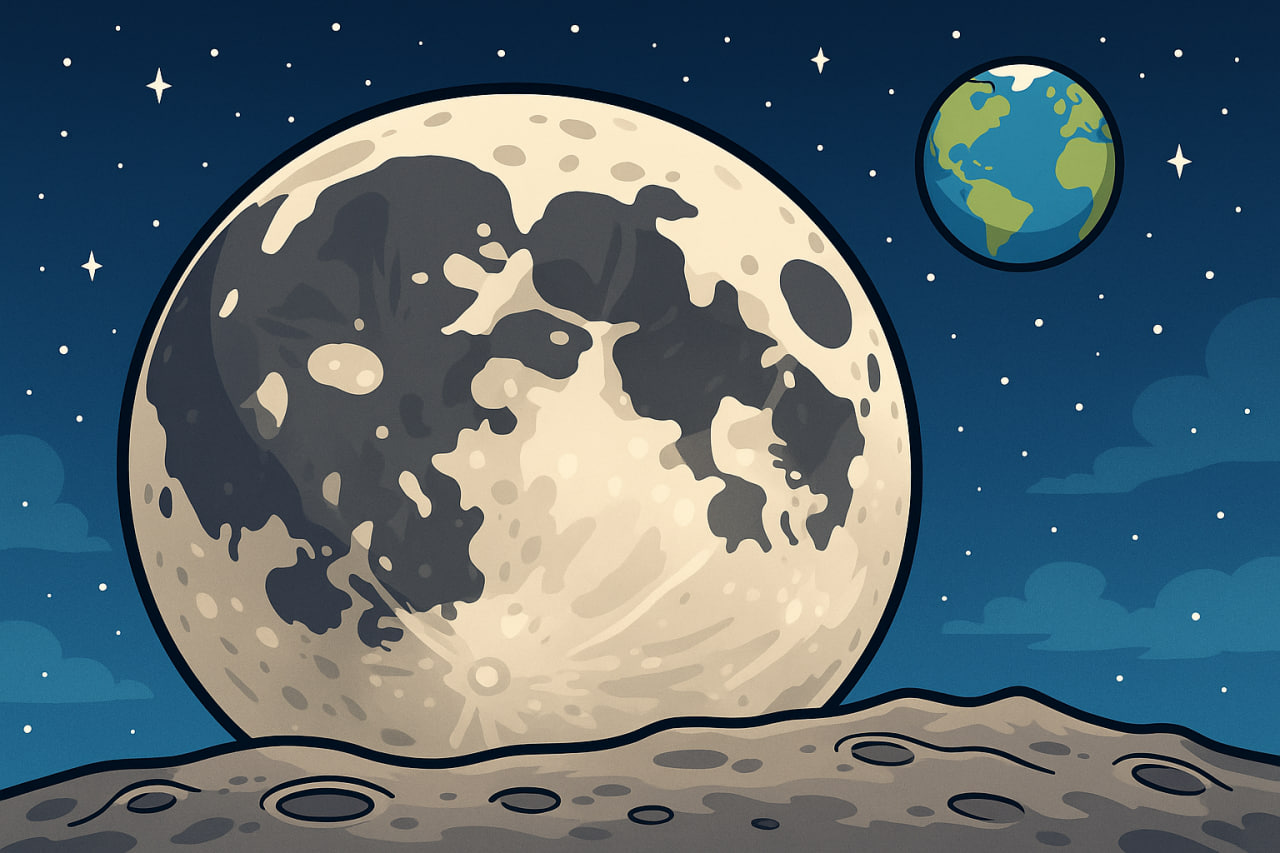
Lunar maria, often called “lunar seas,” are the large, dark plains visible on the surface of the Moon. Despite their name, they are not seas of water but vast areas of solidified lava. Ancient astronomers once believed these dark regions were actual oceans, which is how they got their name. Today, we know they are volcanic in origin and play an important role in understanding the Moon’s history.
How Earth’s Axis Changes
Be Smart Earth & Moon

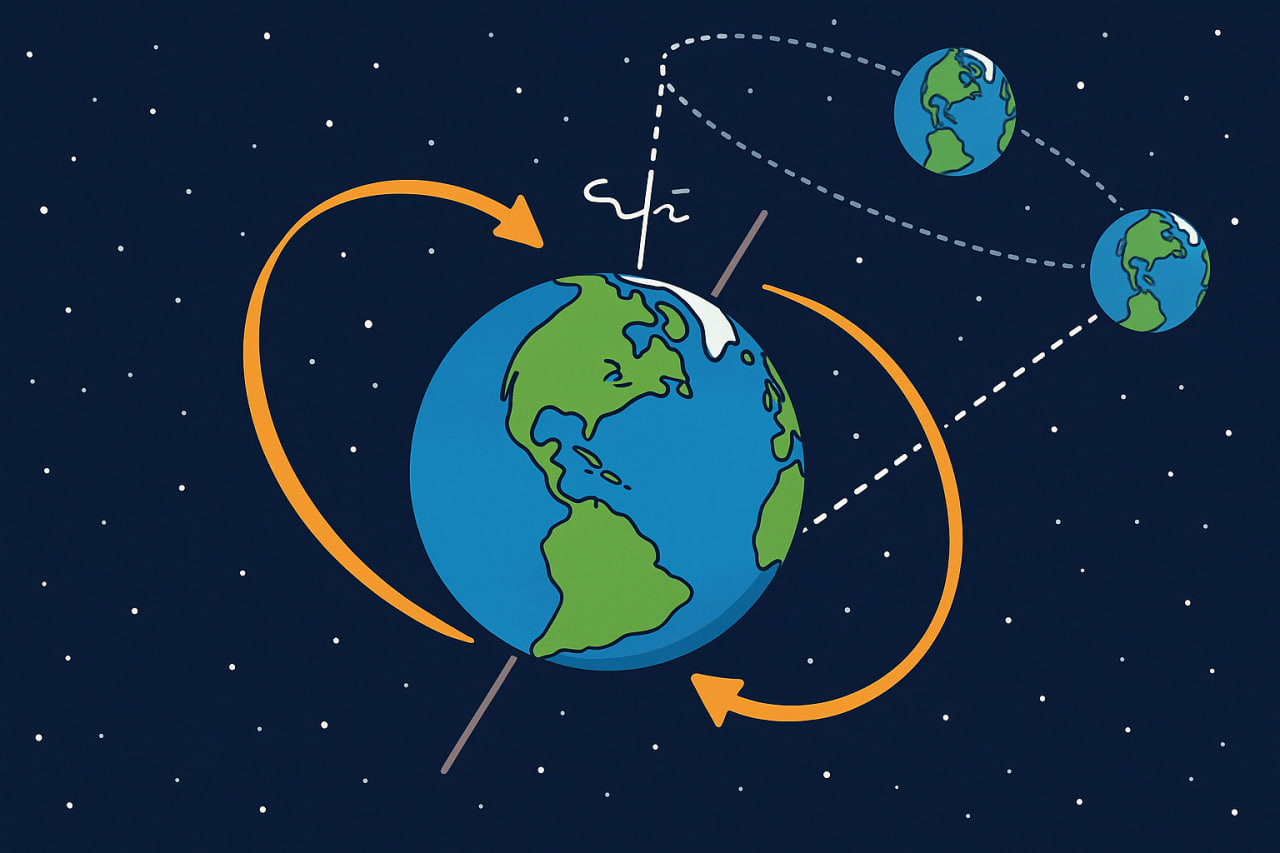
How Earth’s Axis Changes

The Earth does not stand perfectly still as it spins; its axis of rotation—the imaginary line running through the North and South Poles—slowly shifts over time. This change in Earth’s axis affects climate patterns, astronomical observations, and the planet’s long-term stability. The shifting of Earth’s axis occurs due to several natural processes, including precession, nutation, and axial tilt variations.

The Earth's Lithosphere: Structure, Function, and Importance
Be Smart Earth & Moon

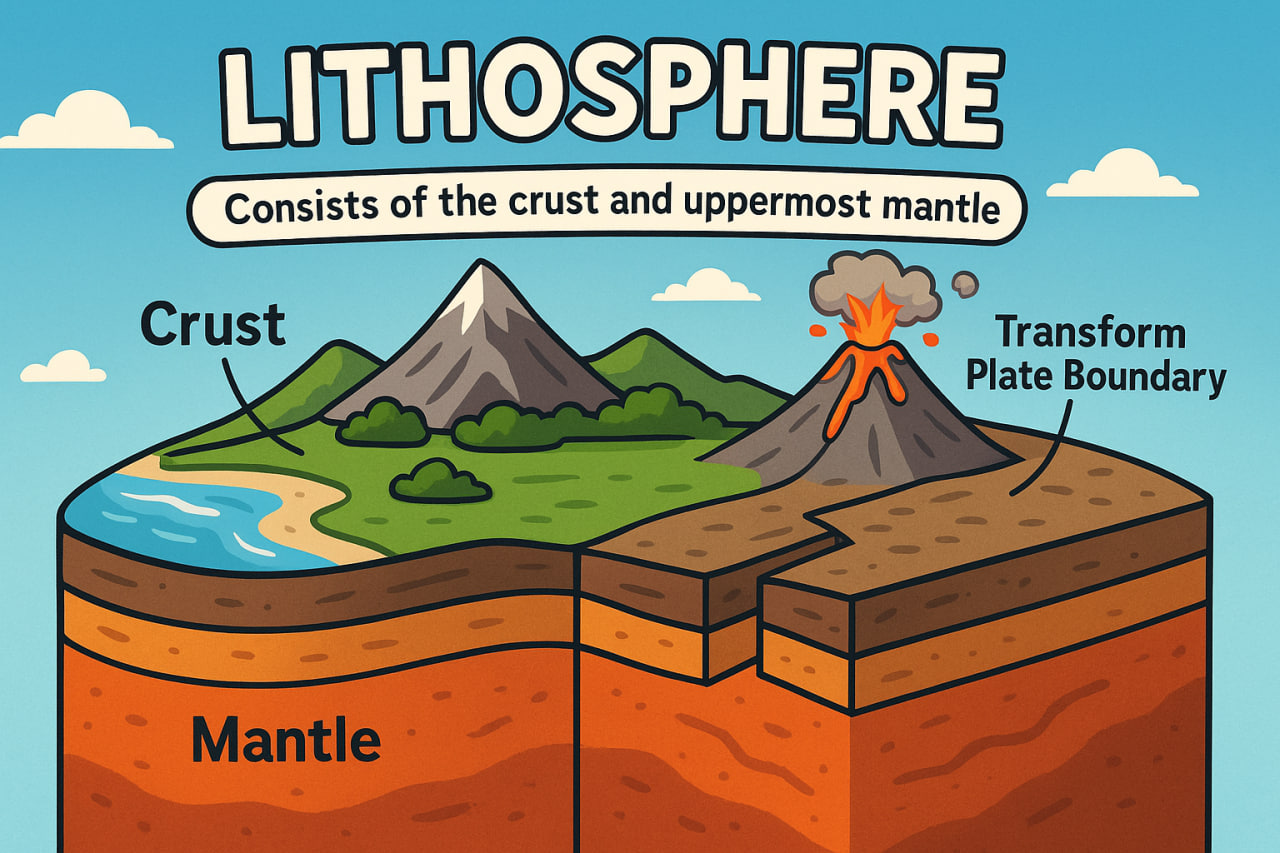
The Earth's Lithosphere: Structure, Function, and Importance

The lithosphere is the rigid outer shell of the Earth, encompassing the crust and the uppermost part of the mantle. It plays a critical role in shaping the planet’s surface, influencing geological activity, and supporting life. The lithosphere is divided into large tectonic plates, which move slowly over the softer asthenosphere beneath them, driving processes such as earthquakes, volcanism, and mountain building.

The Earth's Core: Structure, Composition, and Importance
Be Smart Earth & Moon

The Earth's Core: Structure, Composition, and Importance

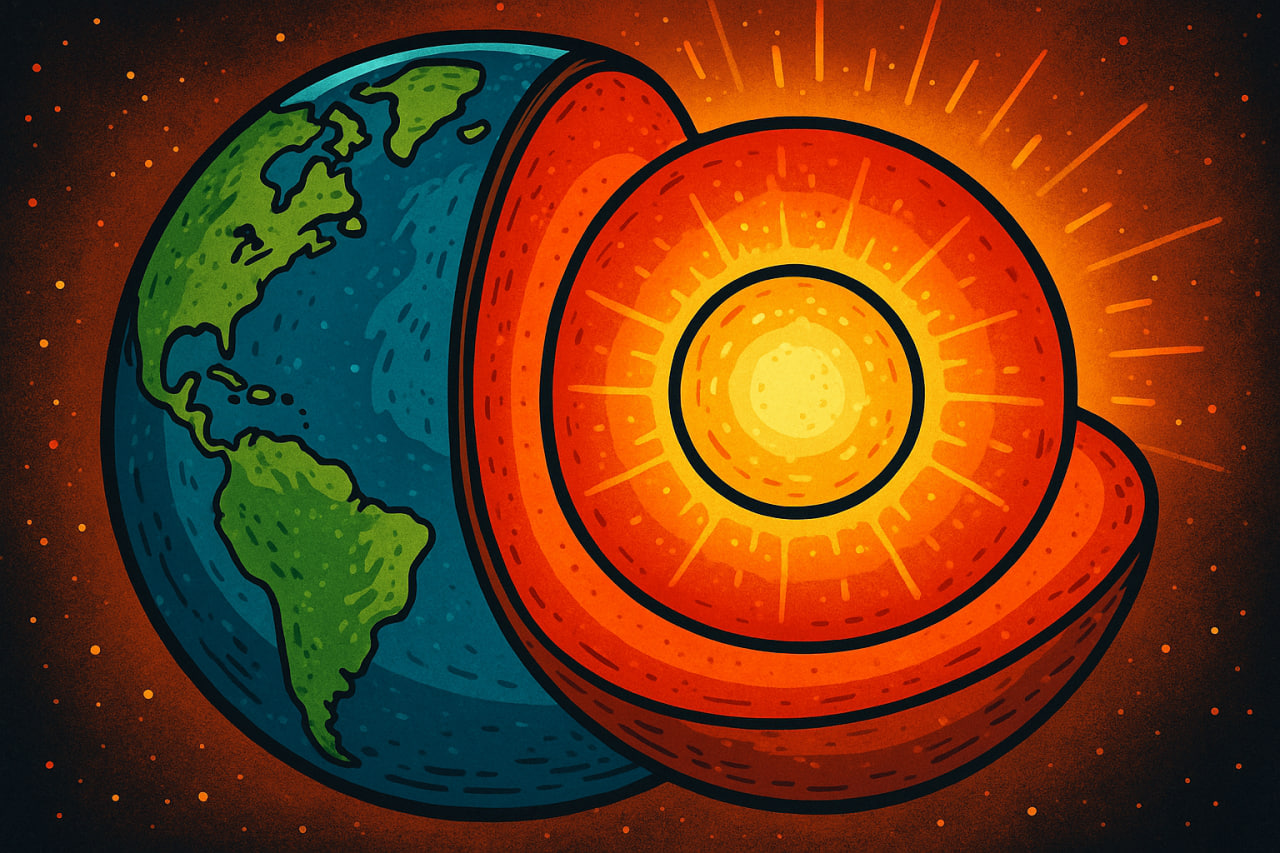
The Earth's core is one of the most fascinating and mysterious parts of our planet. Hidden deep beneath the surface, it plays a crucial role in maintaining Earth's magnetic field, regulating its geological activity, and sustaining conditions for life. Despite being inaccessible for direct observation, scientists have studied it through seismic data, experiments, and theoretical models, revealing a complex and dynamic structure.

The Earth's Mantle
Be Smart Earth & Moon

The Earth's Mantle

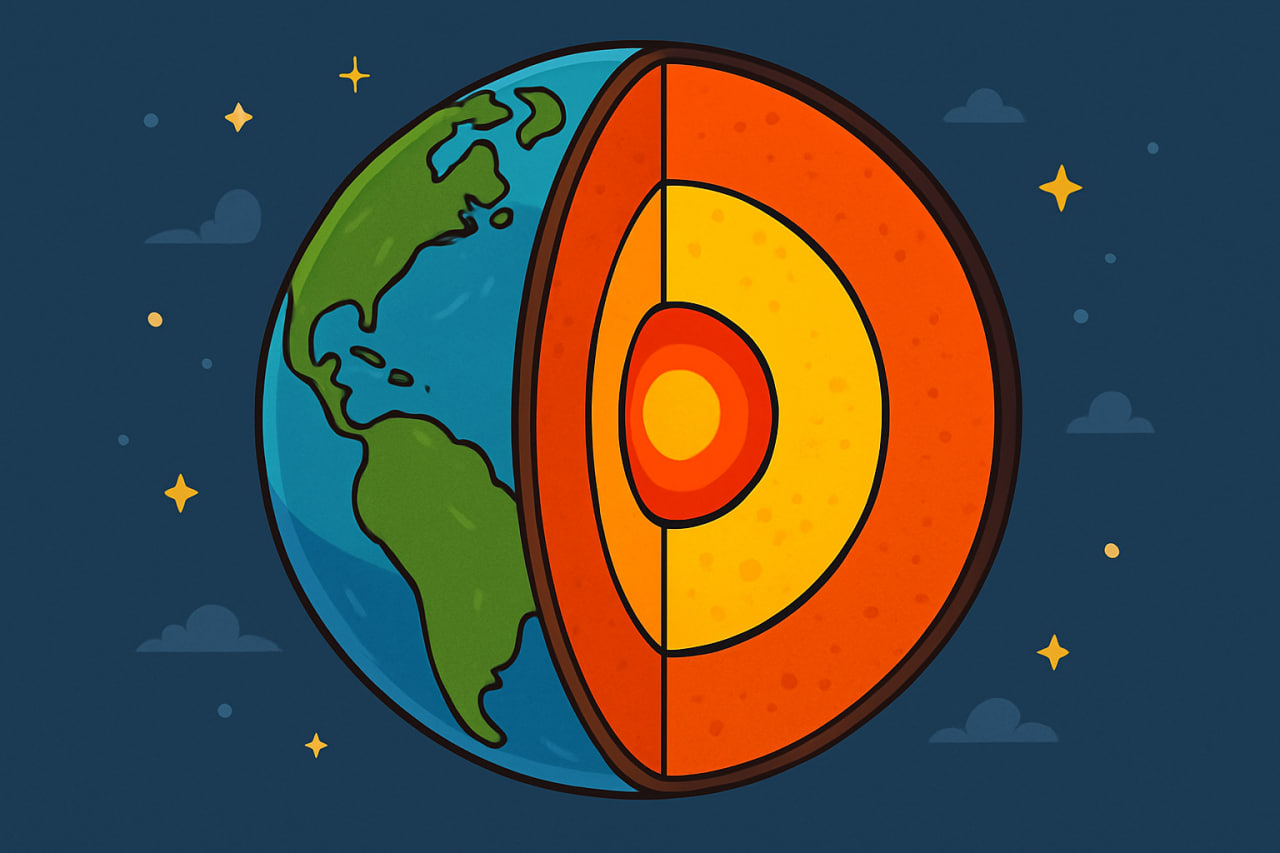
The mantle is a massive layer of rock located between the Earth's crust and core. It makes up about 84% of the Earth's total volume and plays a key role in the planet's geological activity. This region extends from roughly 35 kilometers below the surface (under continents) or 7–10 kilometers (under oceans) to a depth of around 2,900 kilometers.

How the First Satellite Was Launched
Space Stories History Earth & Moon

How the First Satellite Was Launched

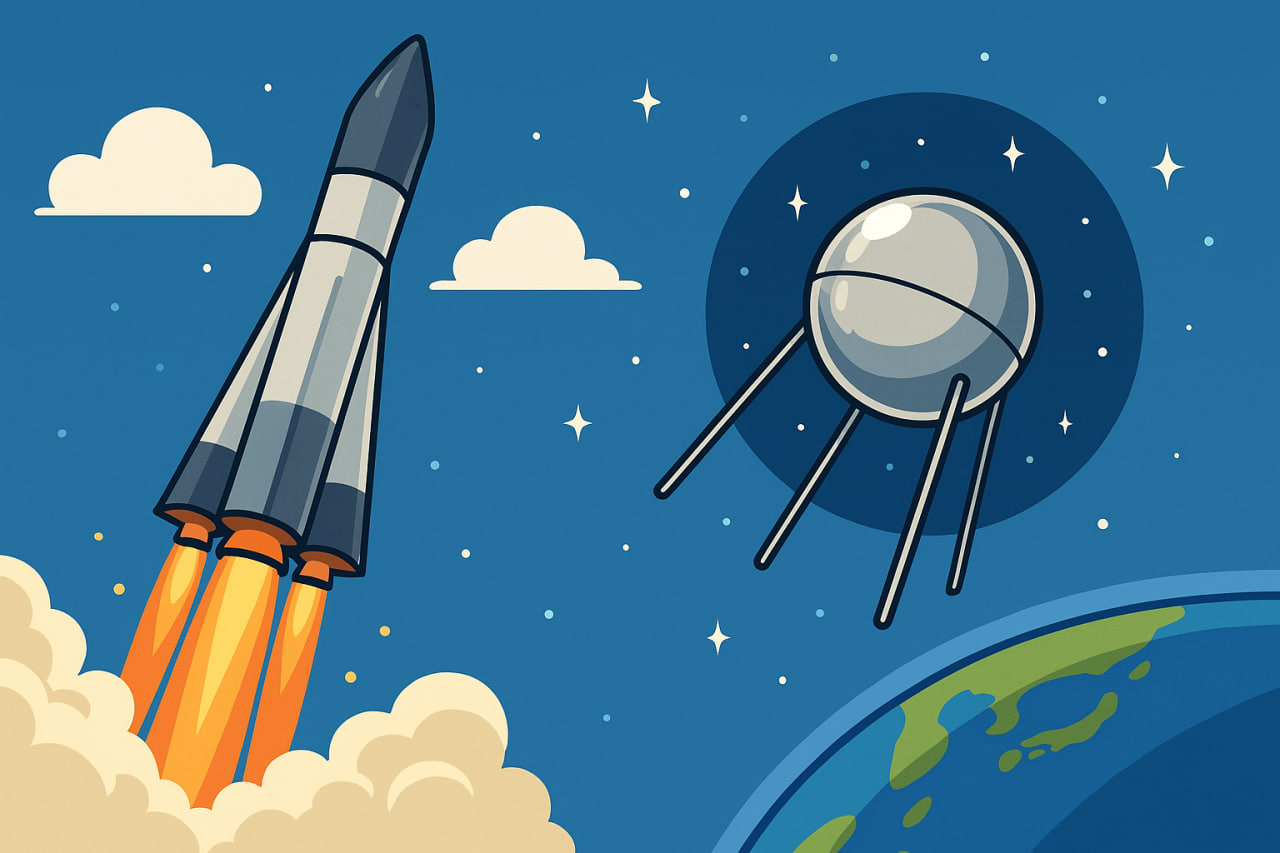
On October 4, 1957, the world changed forever when the Soviet Union launched Sputnik 1, the first artificial satellite to orbit Earth. This moment marked the beginning of the space age and triggered the space race between the USSR and the USA. Sputnik’s launch was not only a technological milestone but also a symbol of geopolitical power during the Cold War era. But how exactly was this tiny satellite launched into space — and why was it such a monumental achievement?

The First Cosmonauts
Space Stories History Earth & Moon

The First Cosmonauts

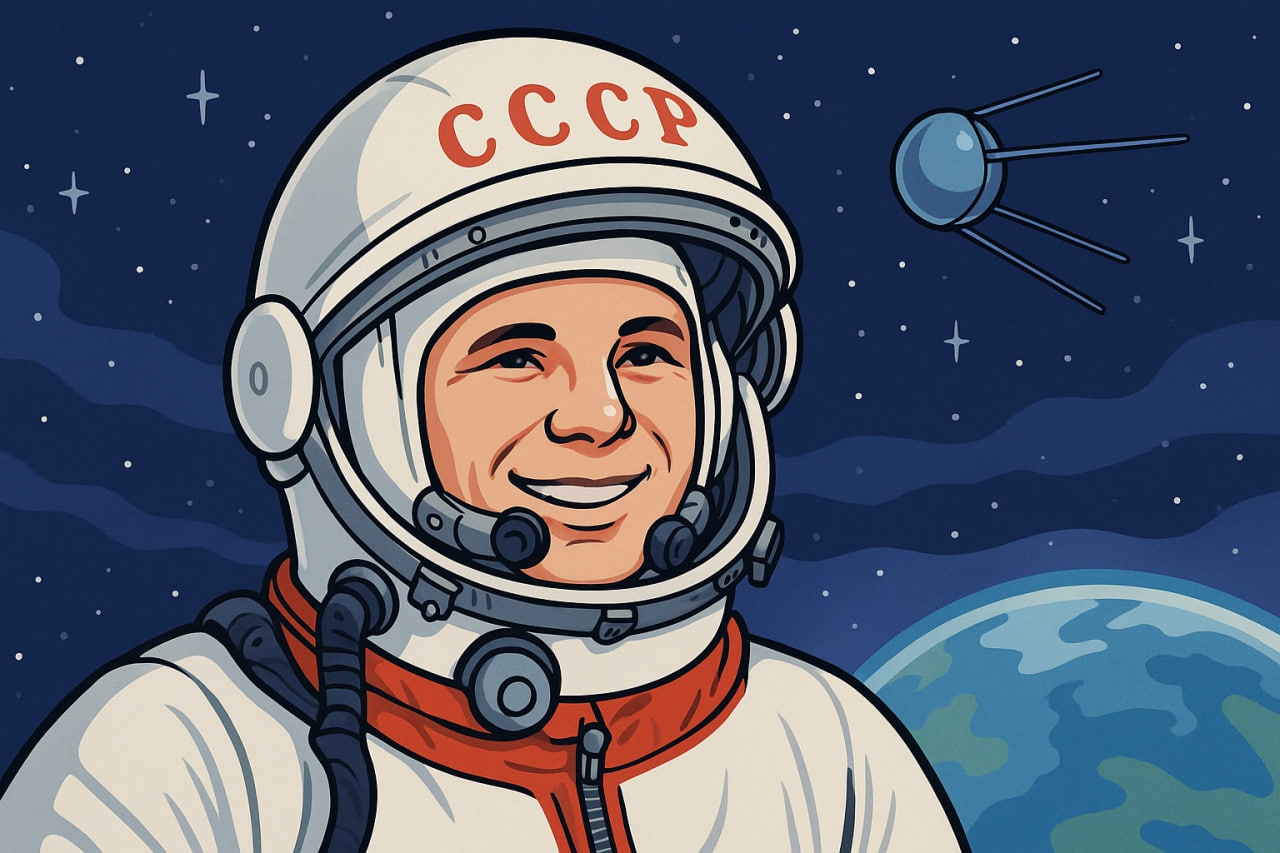
The early 1960s marked a turning point in history: humans began to leave the planet. The first cosmonauts (a term used in the Soviet space program) were not only explorers but test subjects, risking their lives in unproven spacecraft. Their courage and missions laid the foundation for all future spaceflight. Among them, Yuri Gagarin became the first person to orbit Earth — a moment that changed the course of science, politics, and human ambition.

The First Moon Landing
Space Stories History Earth & Moon

The First Moon Landing

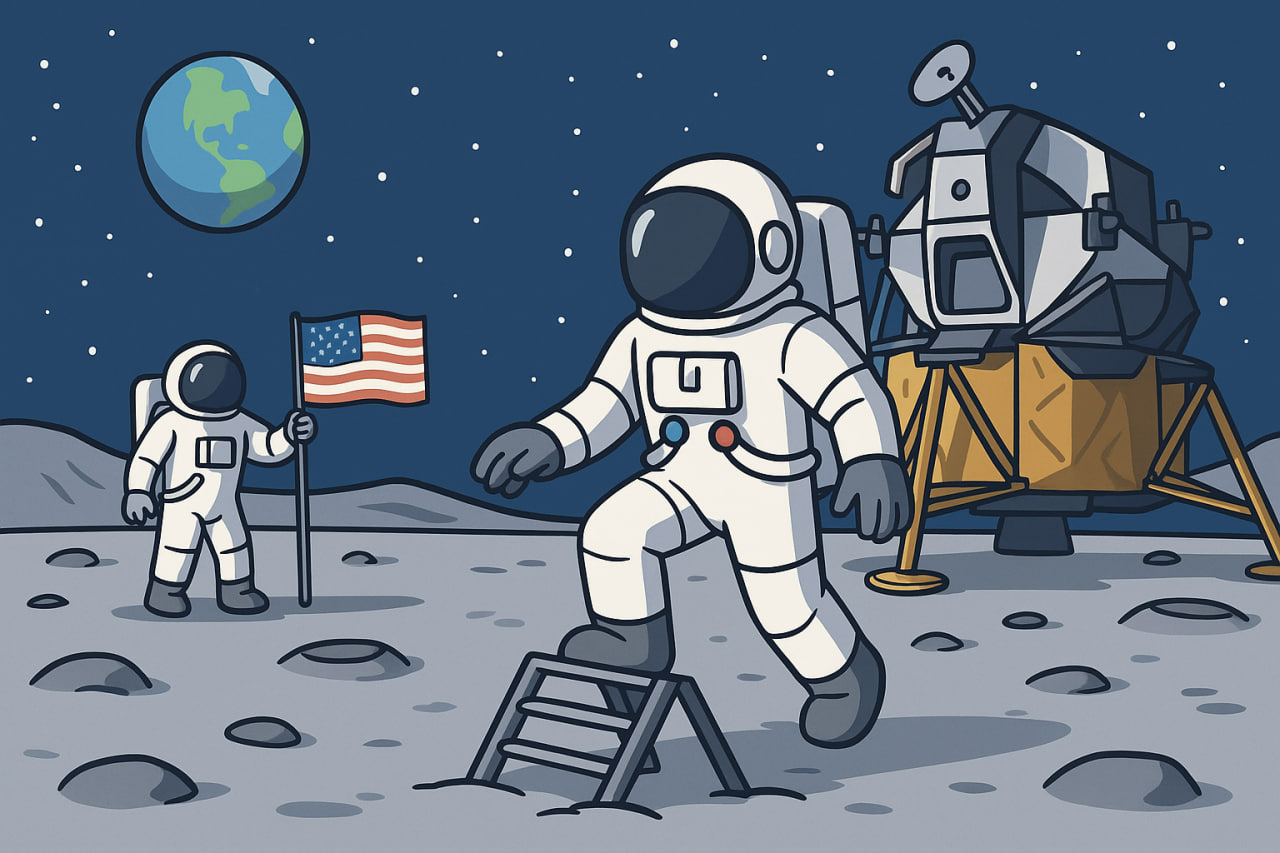
On July 20, 1969, millions of people across the globe watched in awe as Neil Armstrong stepped onto the surface of the Moon, delivering the iconic words: "That's one small step for [a] man, one giant leap for mankind." The Apollo 11 mission was not just a technical achievement, but a symbol of what humanity could accomplish through science, perseverance, and international effort. It marked the first time humans set foot on another celestial body.

Where Does Space Begin?
Space Stories Universe Solar System

Where Does Space Begin?

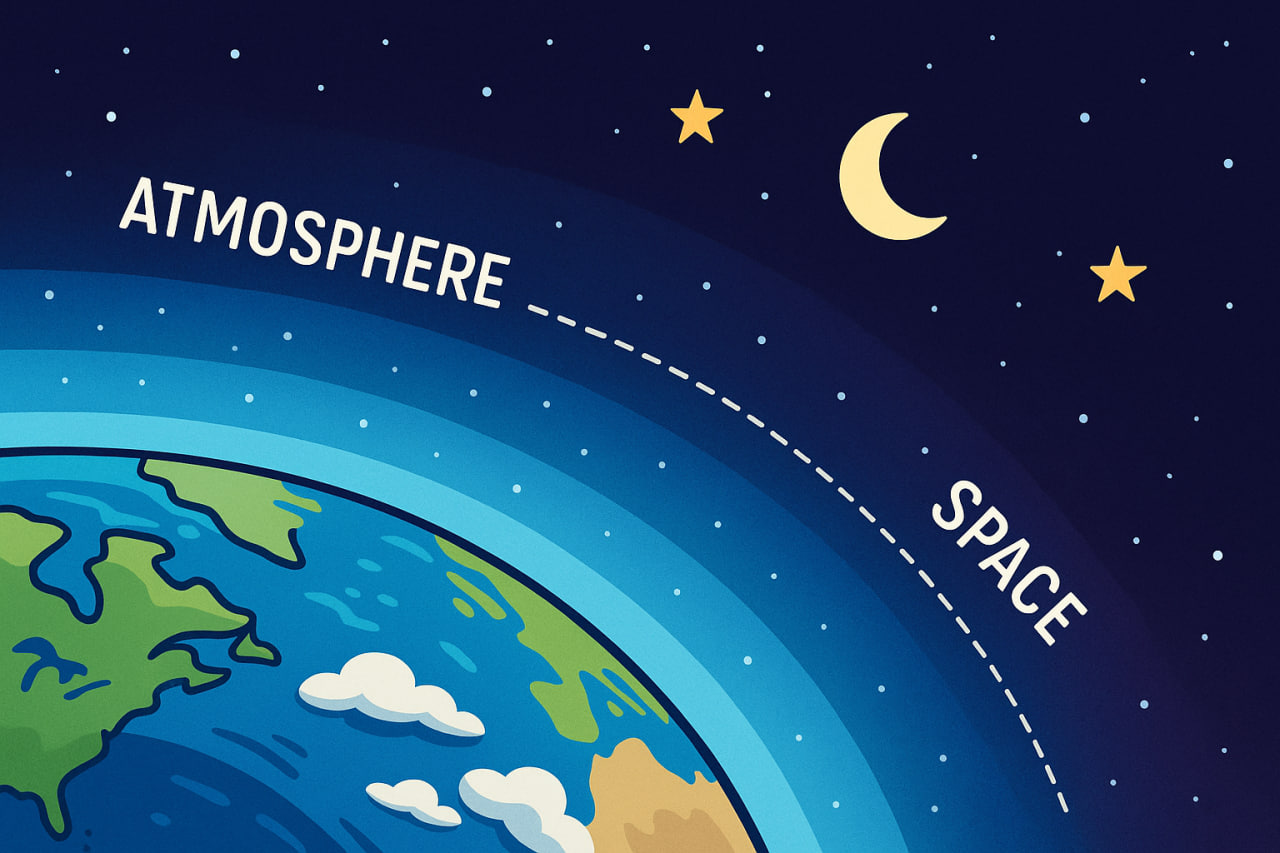
When we look up at the sky, it may seem like space begins just beyond the clouds. But scientifically defining where Earth ends and space begins is far more complex. The boundary between the atmosphere and outer space doesn’t have a visible line — instead, it’s defined by altitude, atmospheric density, and practical use (such as satellite orbit). The most widely accepted boundary is known as the Kármán line, but it’s not the only interpretation. Let’s explore how scientists define the edge of space — and why it matters.

Why Does the Earth Rotate?
Science Earth & Moon

Why Does the Earth Rotate?

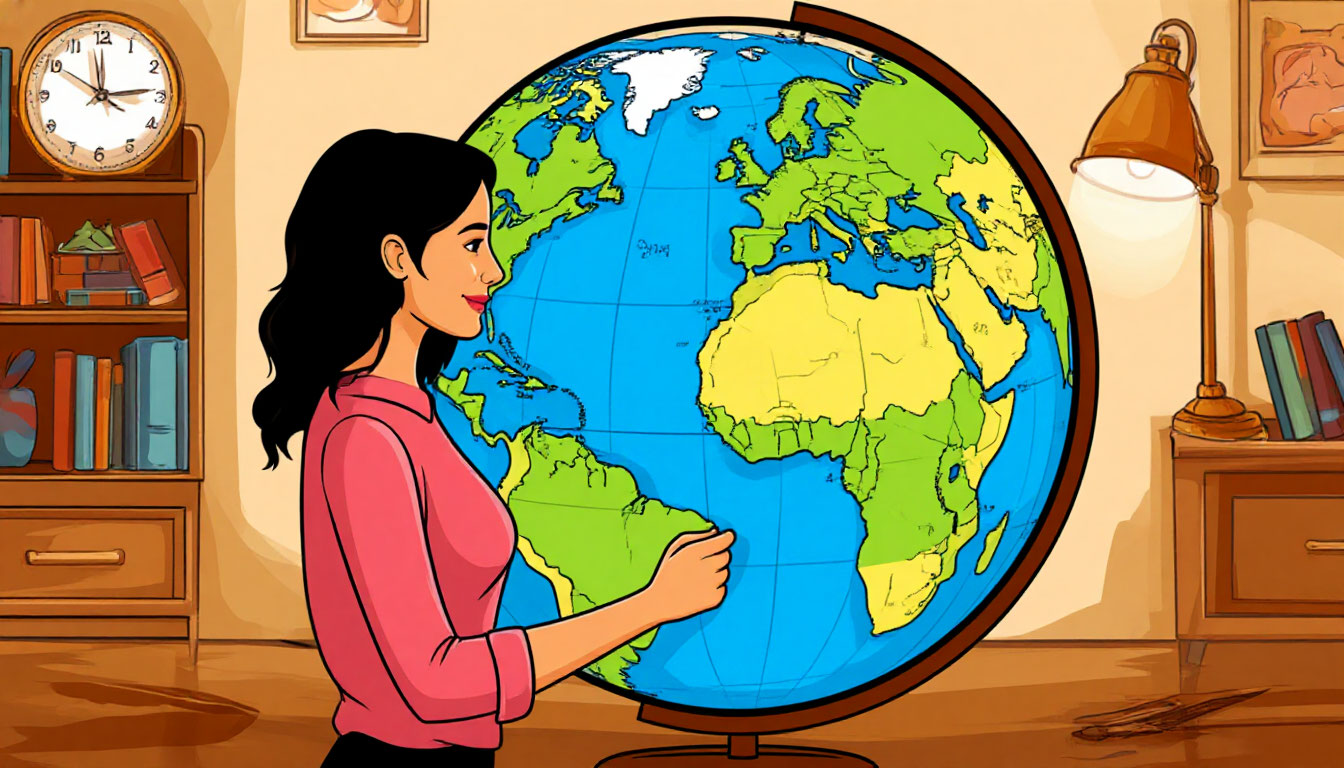
If you could watch Earth from space, you'd see it constantly spinning on its axis — a full rotation every 24 hours. This rotation causes day and night, drives weather systems, and influences many natural processes. But have you ever wondered why Earth rotates at all? The answer lies in the physics of how our solar system formed and the principles of angular momentum.