
Artificial Intelligence in Factories: The Automation of the Future
In the age of the Fourth Industrial Revolution, artificial intelligence (AI) is transforming traditional factories into smart, adaptive production hubs.
Useful articles about our universe and science
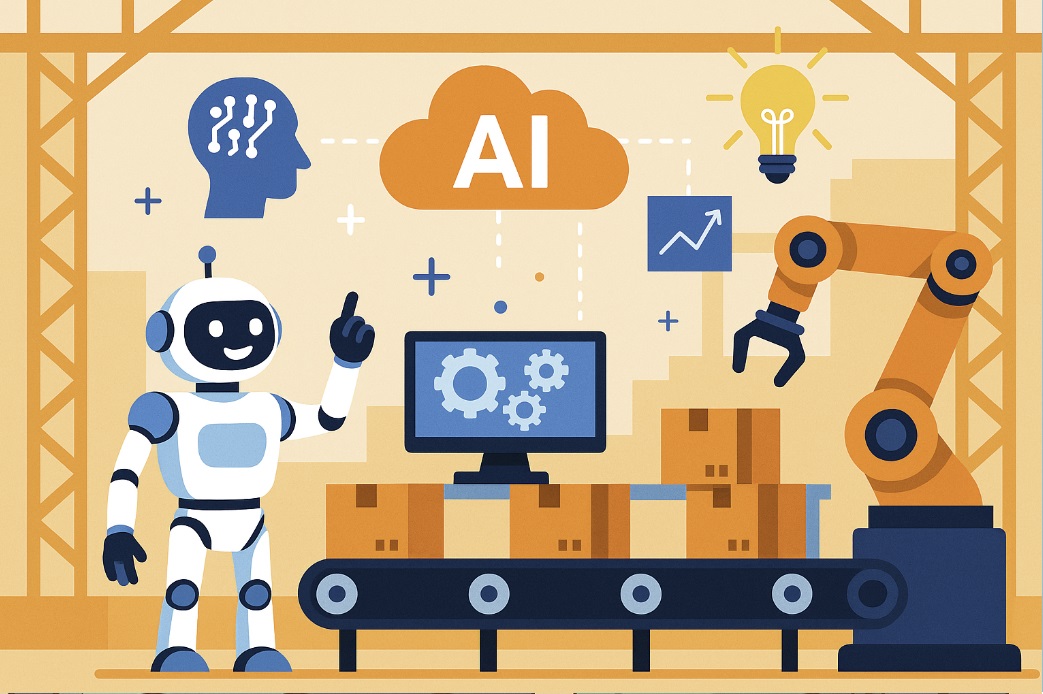
In the age of the Fourth Industrial Revolution, artificial intelligence (AI) is transforming traditional factories into smart, adaptive production hubs.
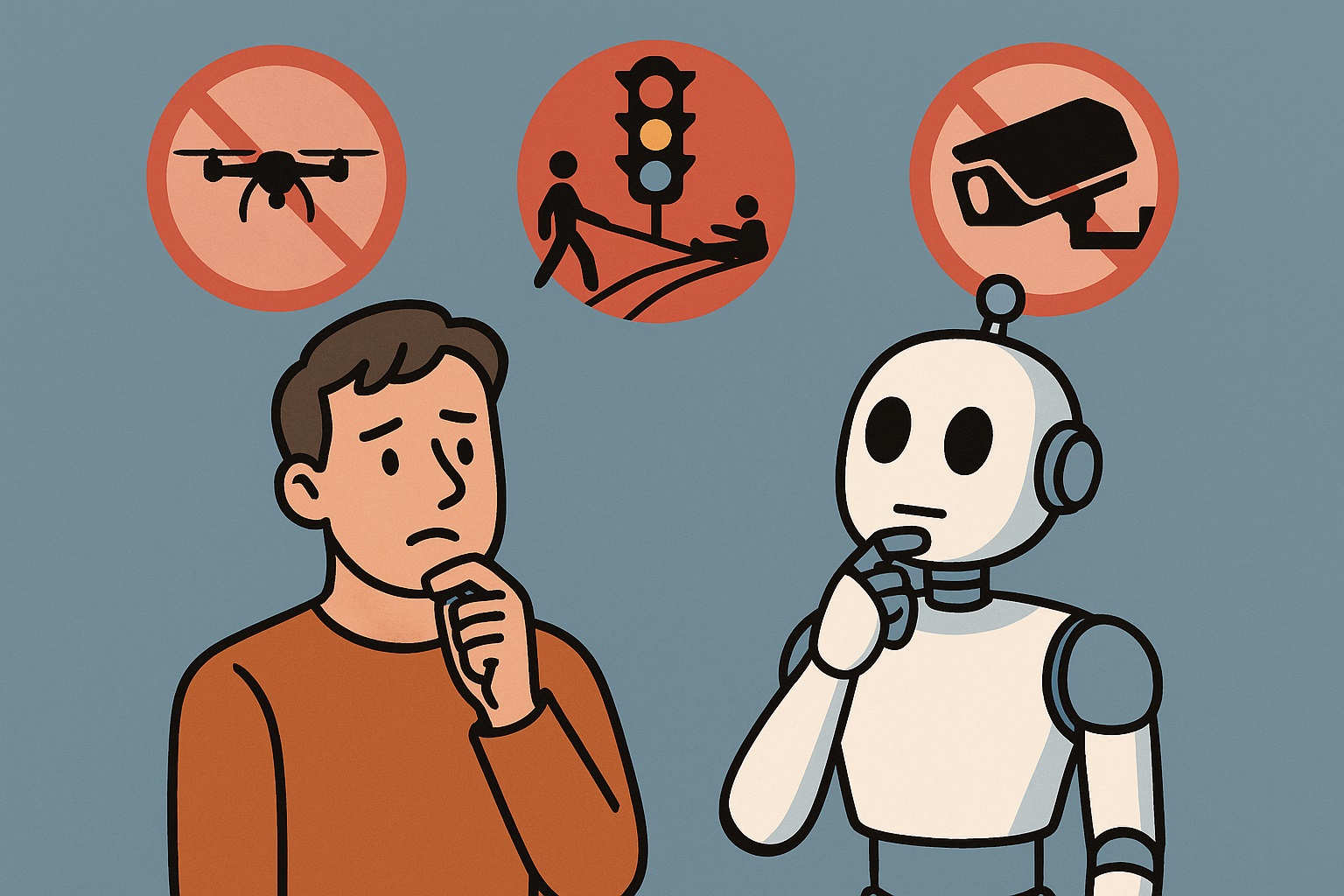
As robots become more integrated into our daily lives—whether in hospitals, homes, factories, or battlefields—society faces a growing number of ethical dilemmas.
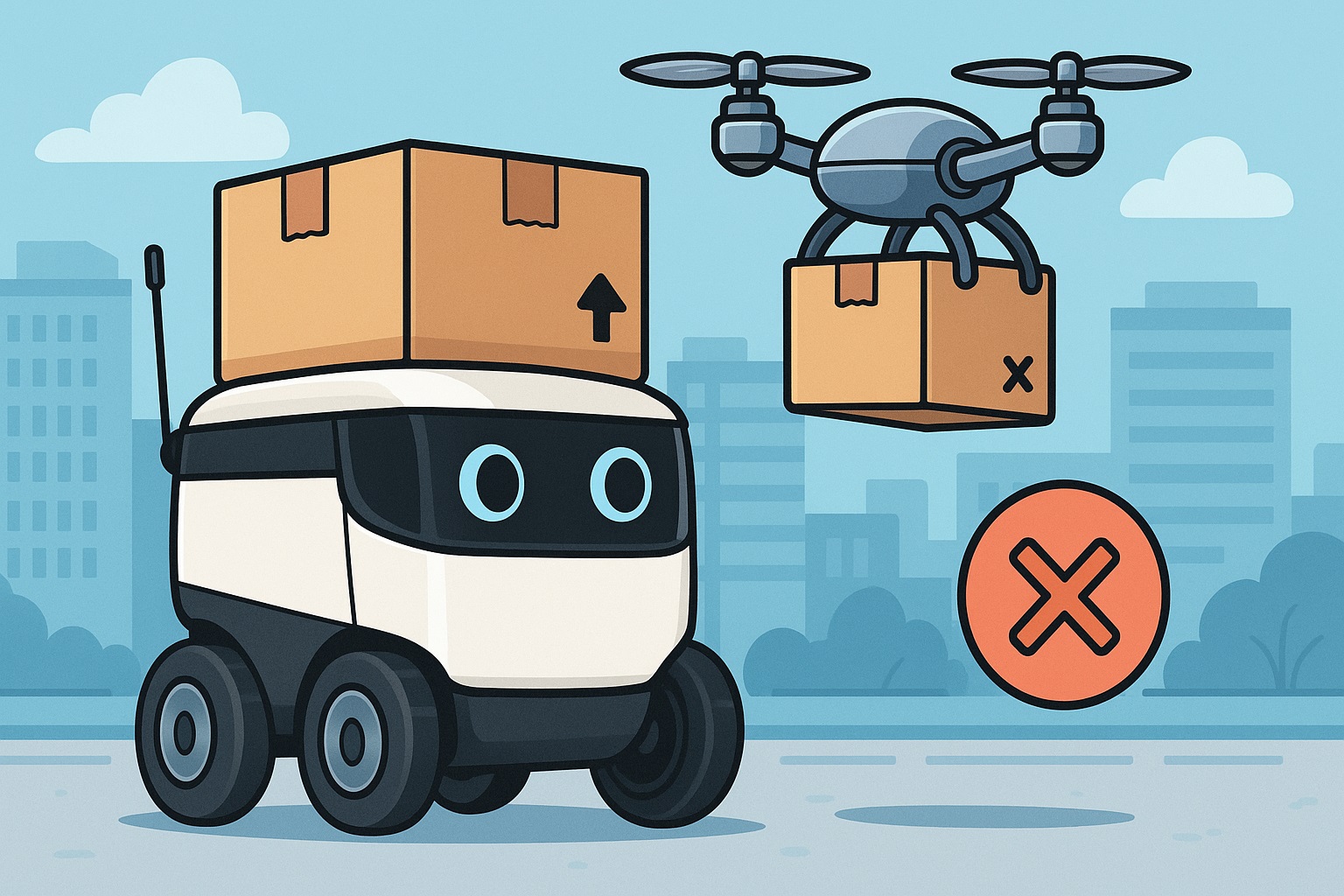
In the age of instant gratification and on-demand services, the demand for fast, efficient, and contactless delivery has skyrocketed.
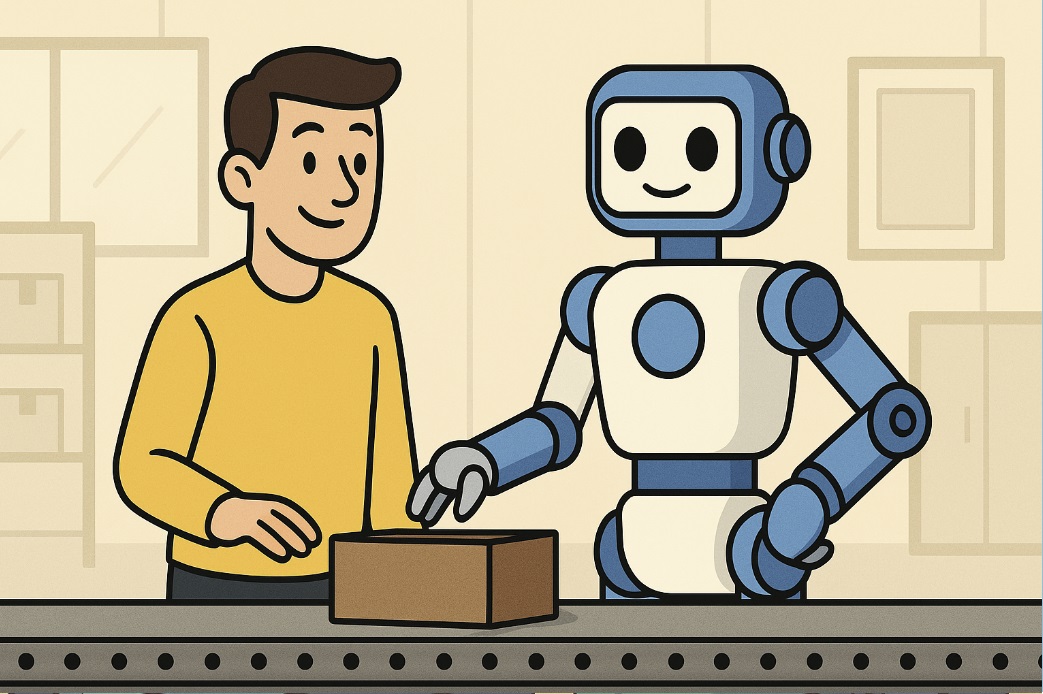
As automation transforms the modern workplace, a new class of machines is emerging to work with humans rather than instead of them.
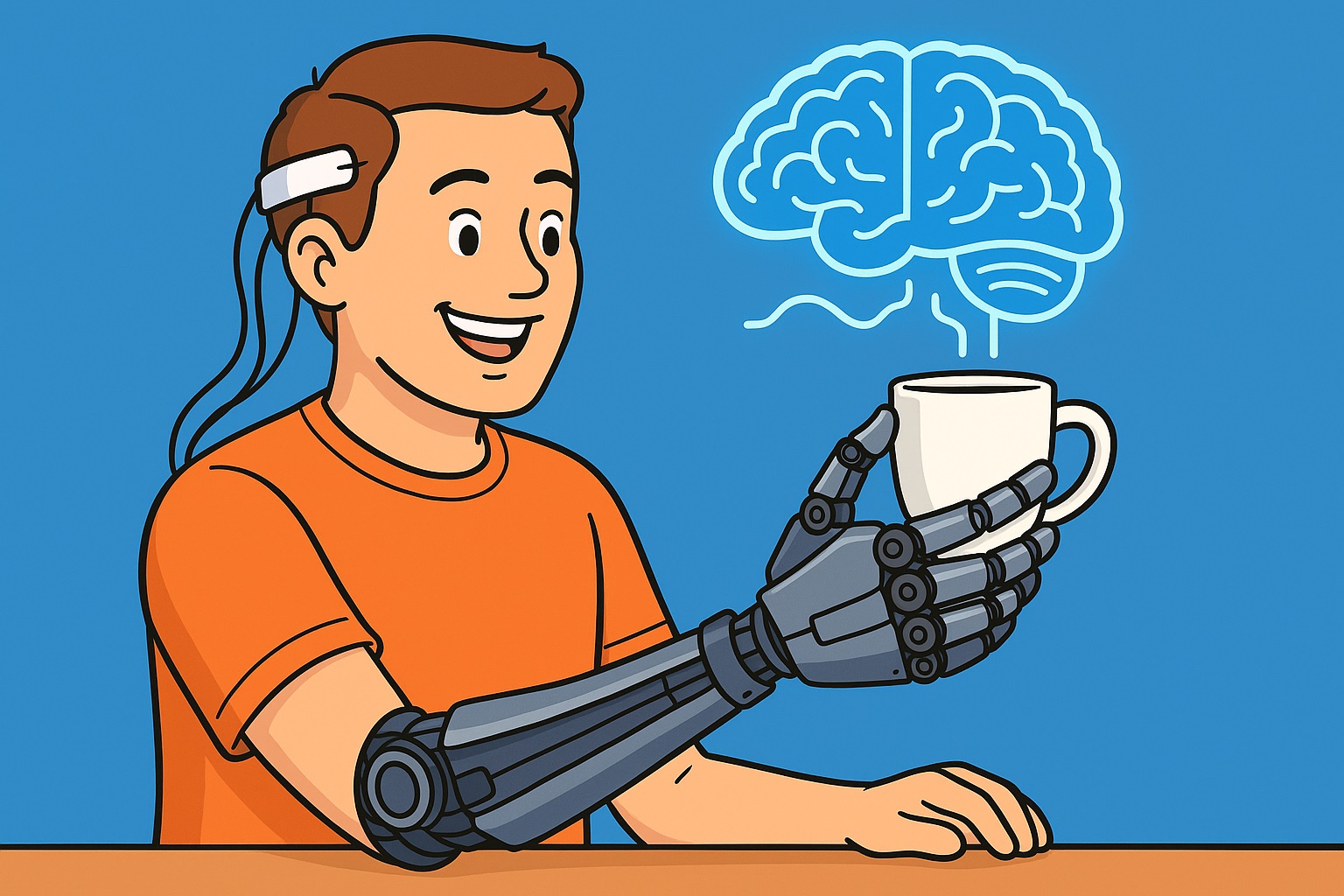
Prosthetics have come a long way from simple wooden limbs to advanced robotic arms and legs.
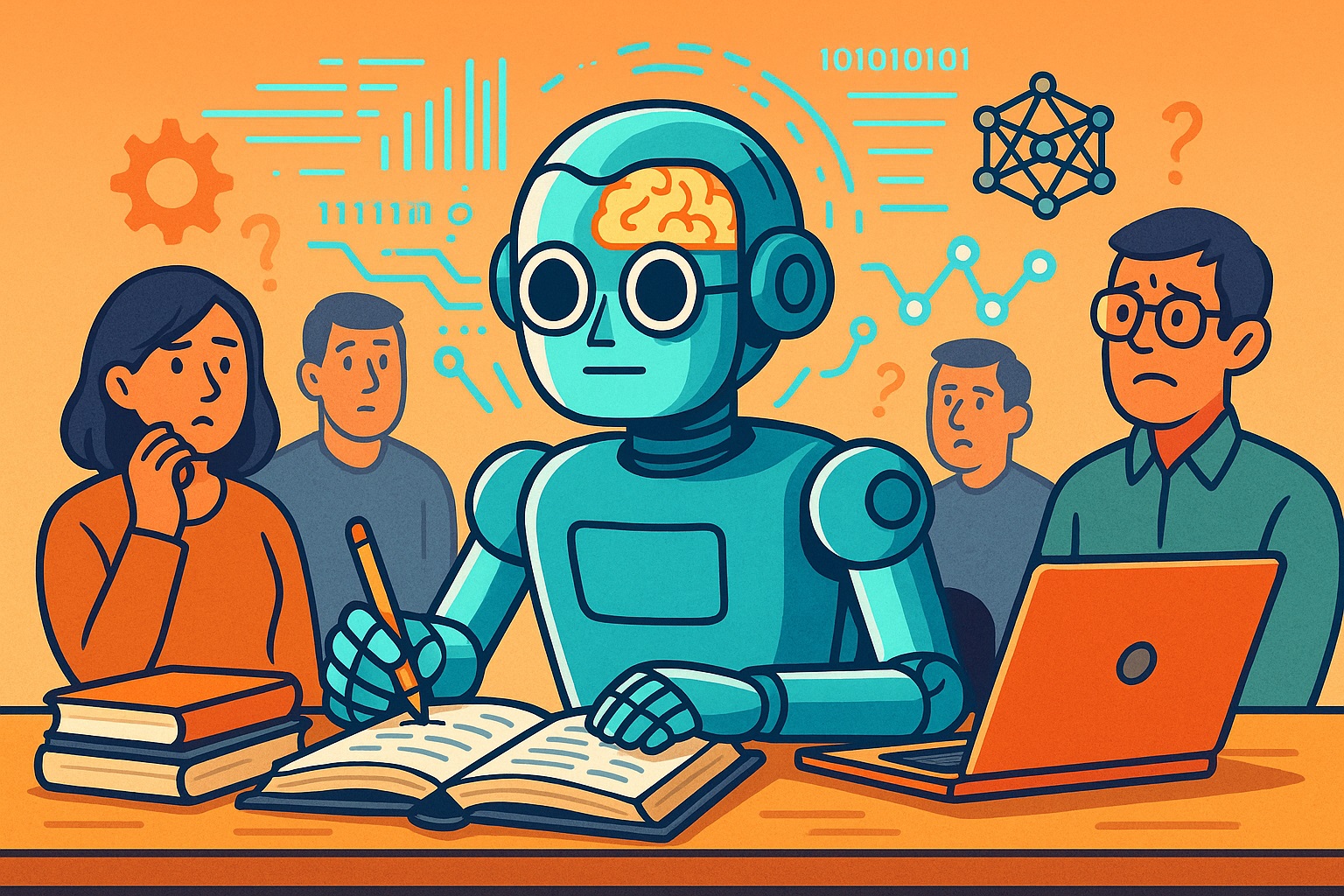
Self-learning systems — also known as autonomous learning algorithms — represent one of the most powerful frontiers in artificial intelligence (AI).
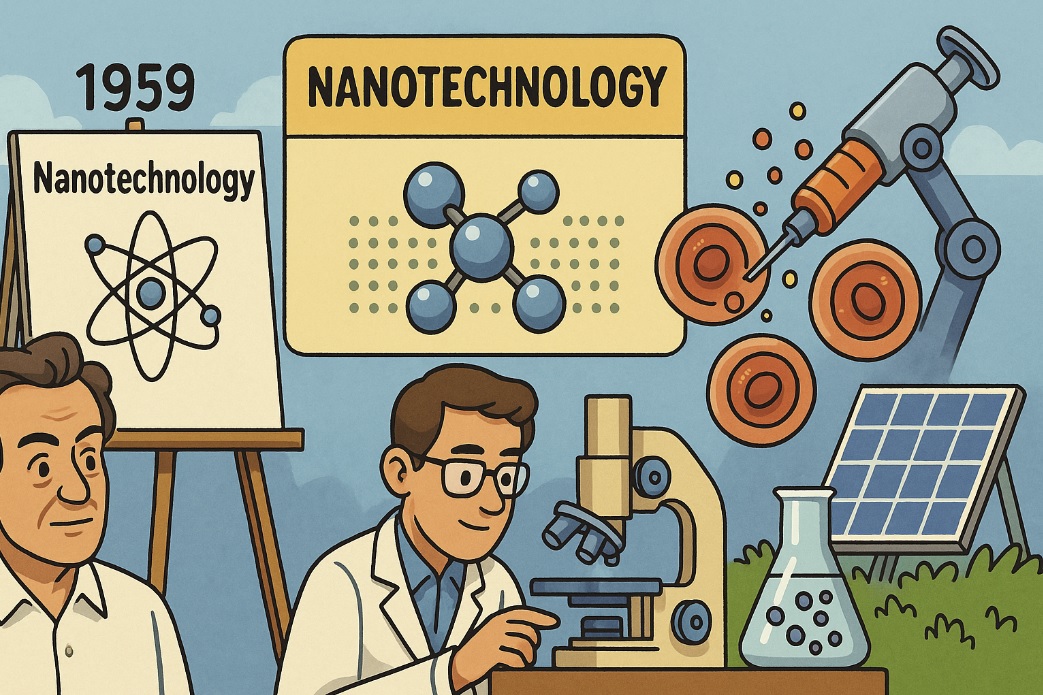
Nanotechnology — the manipulation of matter at the atomic and molecular scale — has transformed from a theoretical idea into one of the most promising fields of modern science.
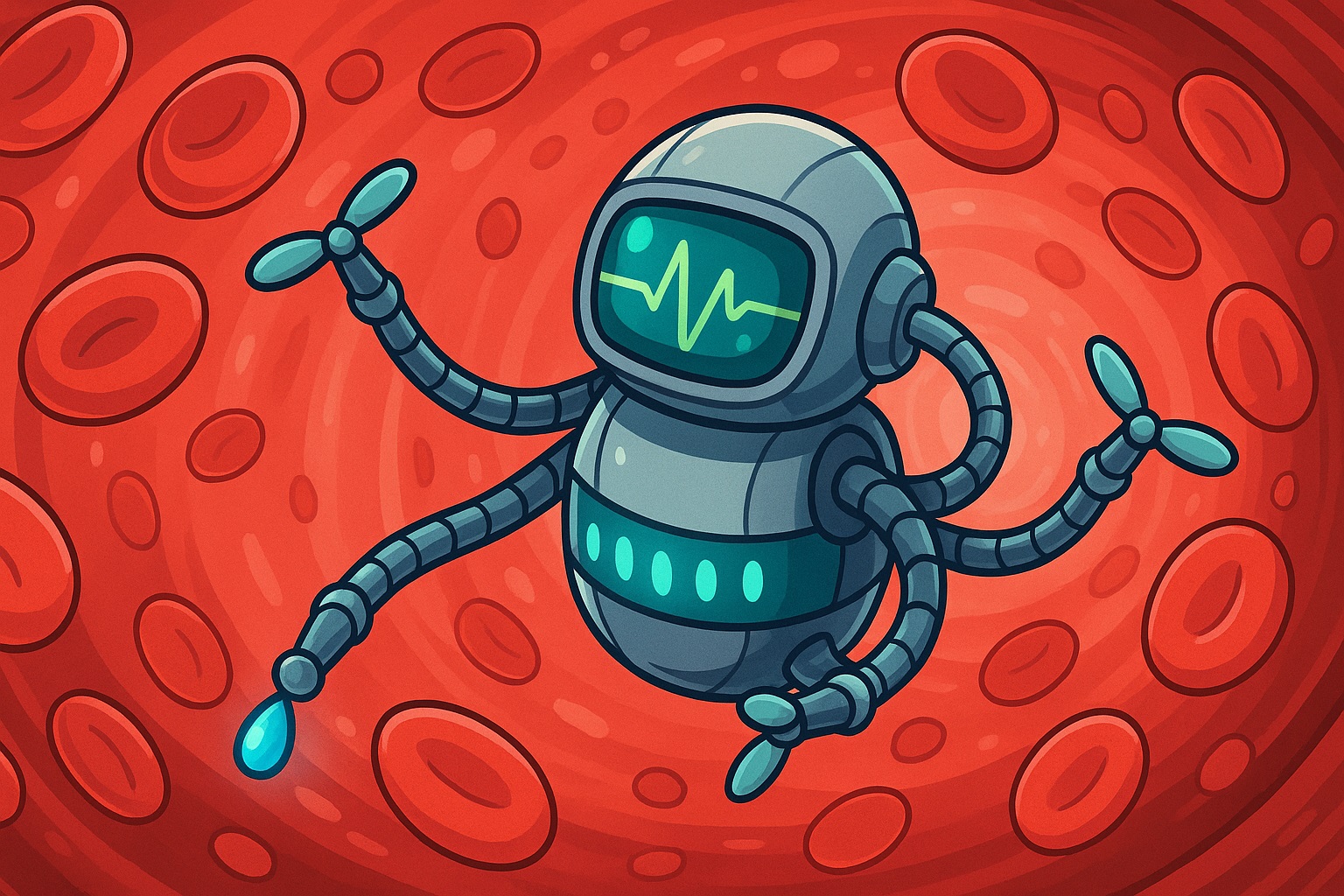
Imagine tiny machines flowing through your veins, diagnosing diseases, repairing cells, and even delivering medicine exactly where it’s needed.

As technology becomes more integrated into daily life, many people are exploring home automation* to simplify their routines. But is turning your house into a "smart home" really worth it?
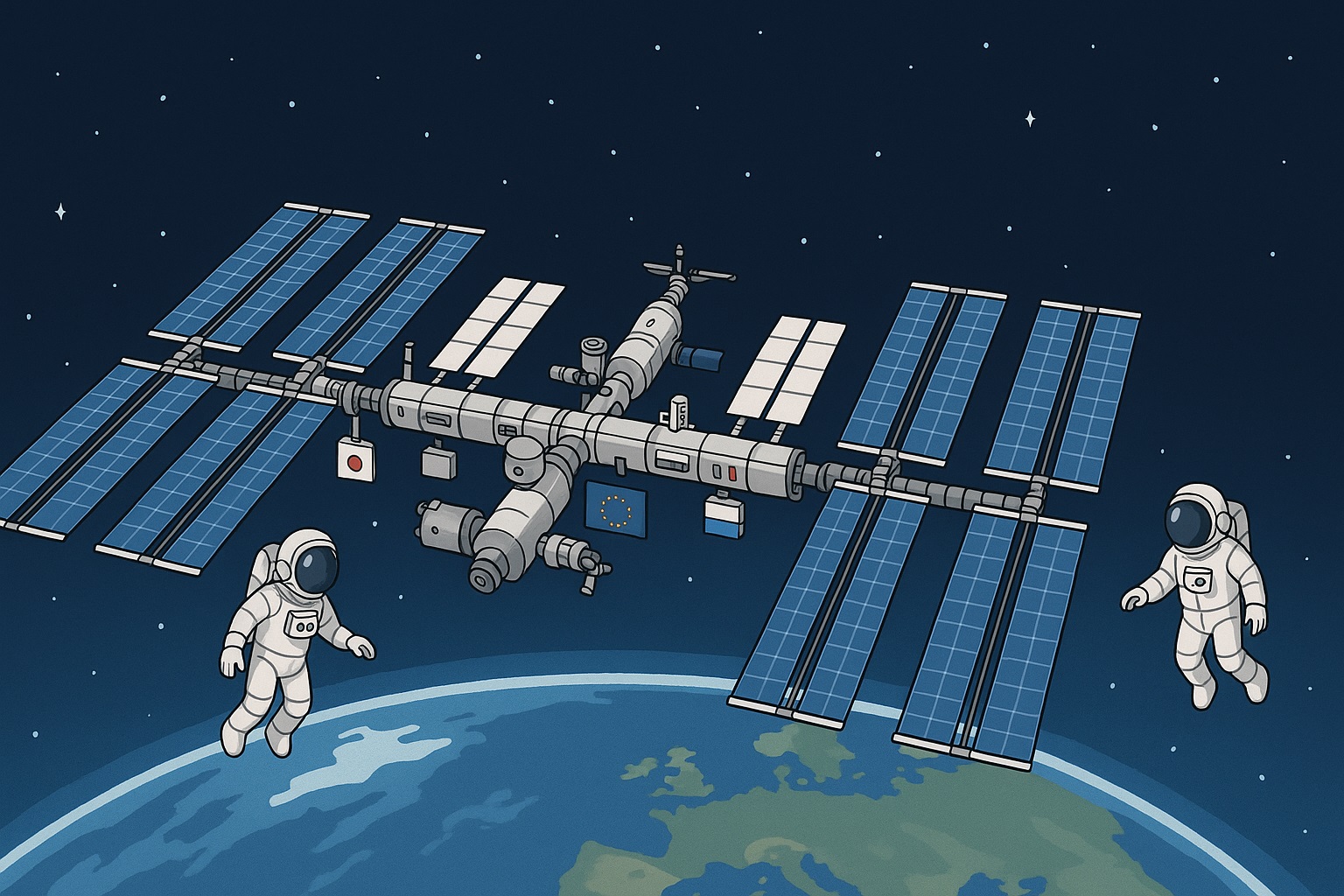
The International Space Station (ISS) stands as one of the greatest achievements in human collaboration and engineering.