
How Venus “Died” as a Habitable Planet
Venus is often described as a “dead” or “lost” world—not because the planet itself disappeared, but because it likely lost the conditions that could have supported life.
Useful articles about our universe and science
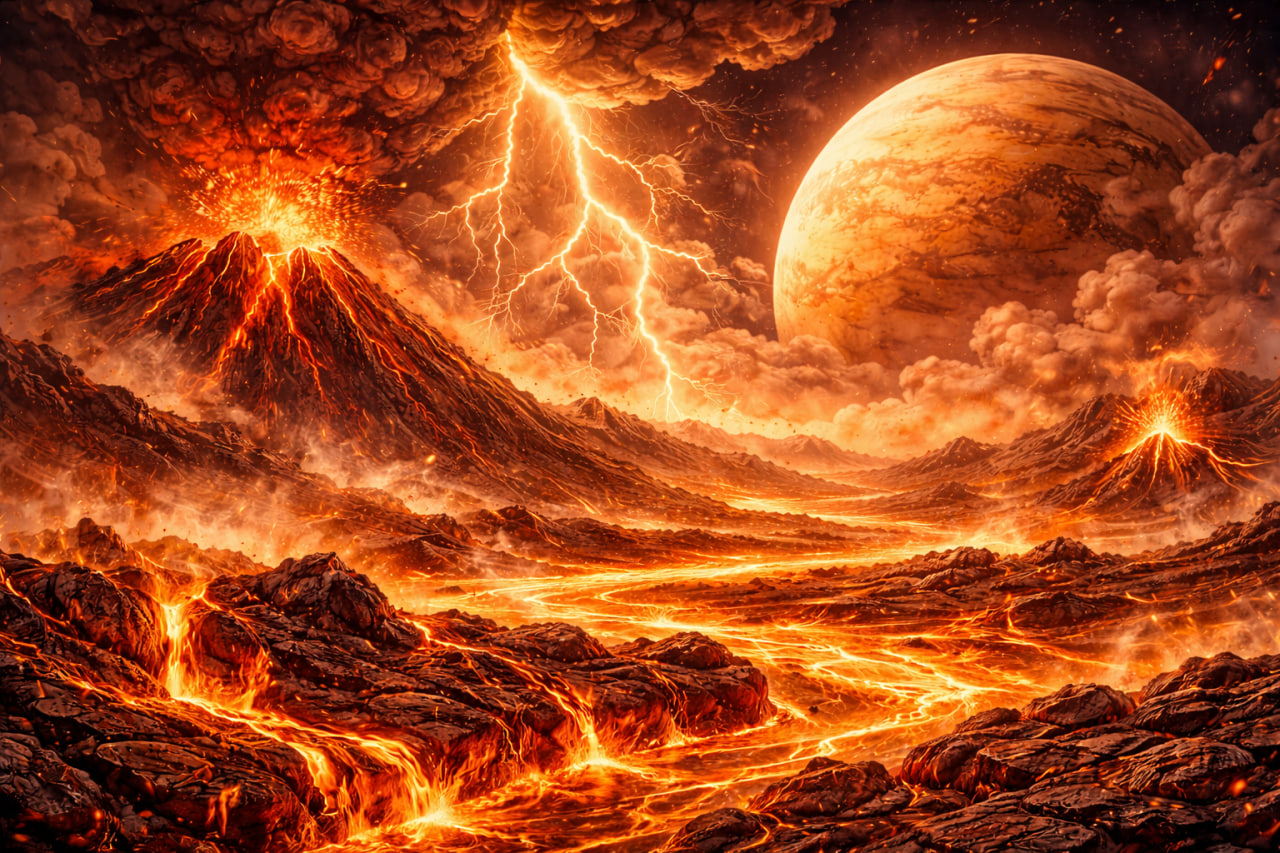
Venus is often described as a “dead” or “lost” world—not because the planet itself disappeared, but because it likely lost the conditions that could have supported life.
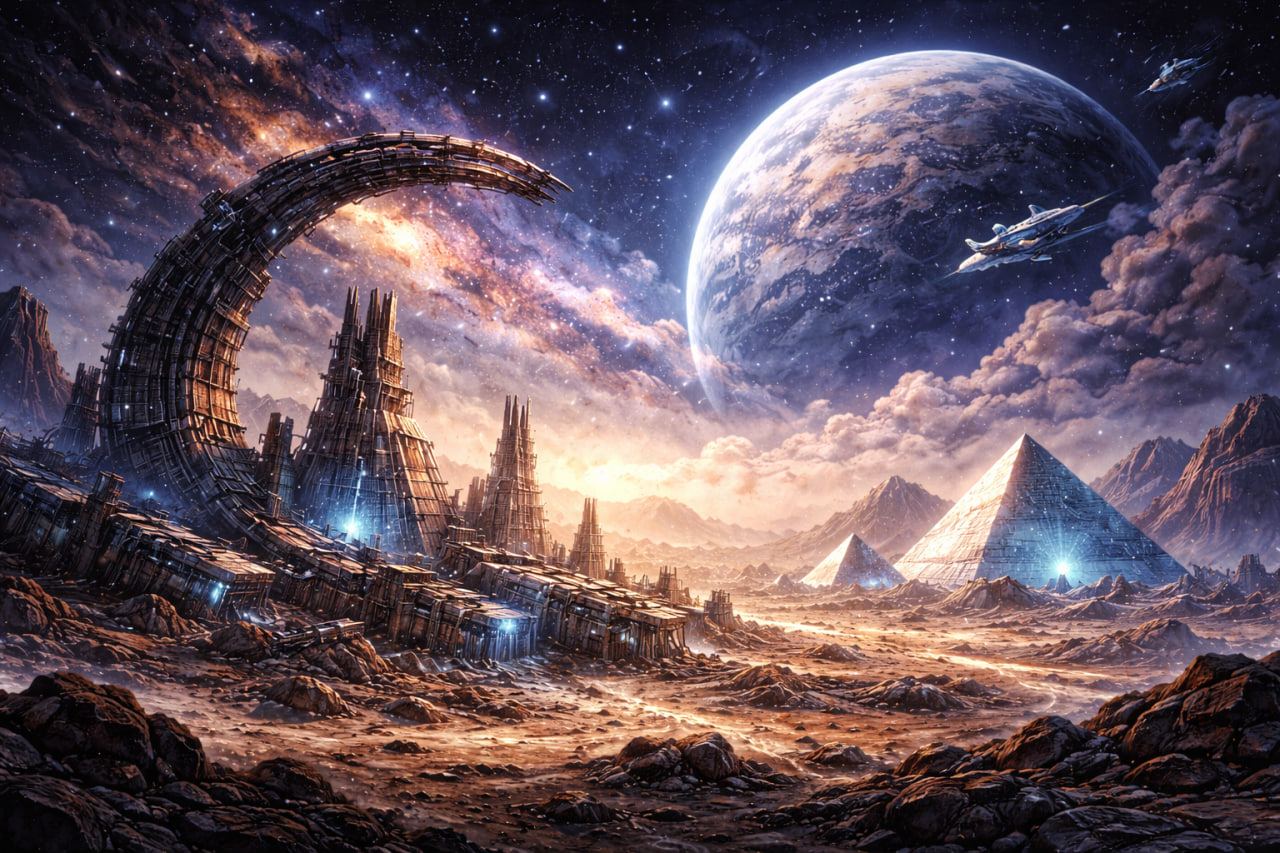
The idea of discovering traces of lost extraterrestrial civilizations has fascinated scientists and the public for decades.
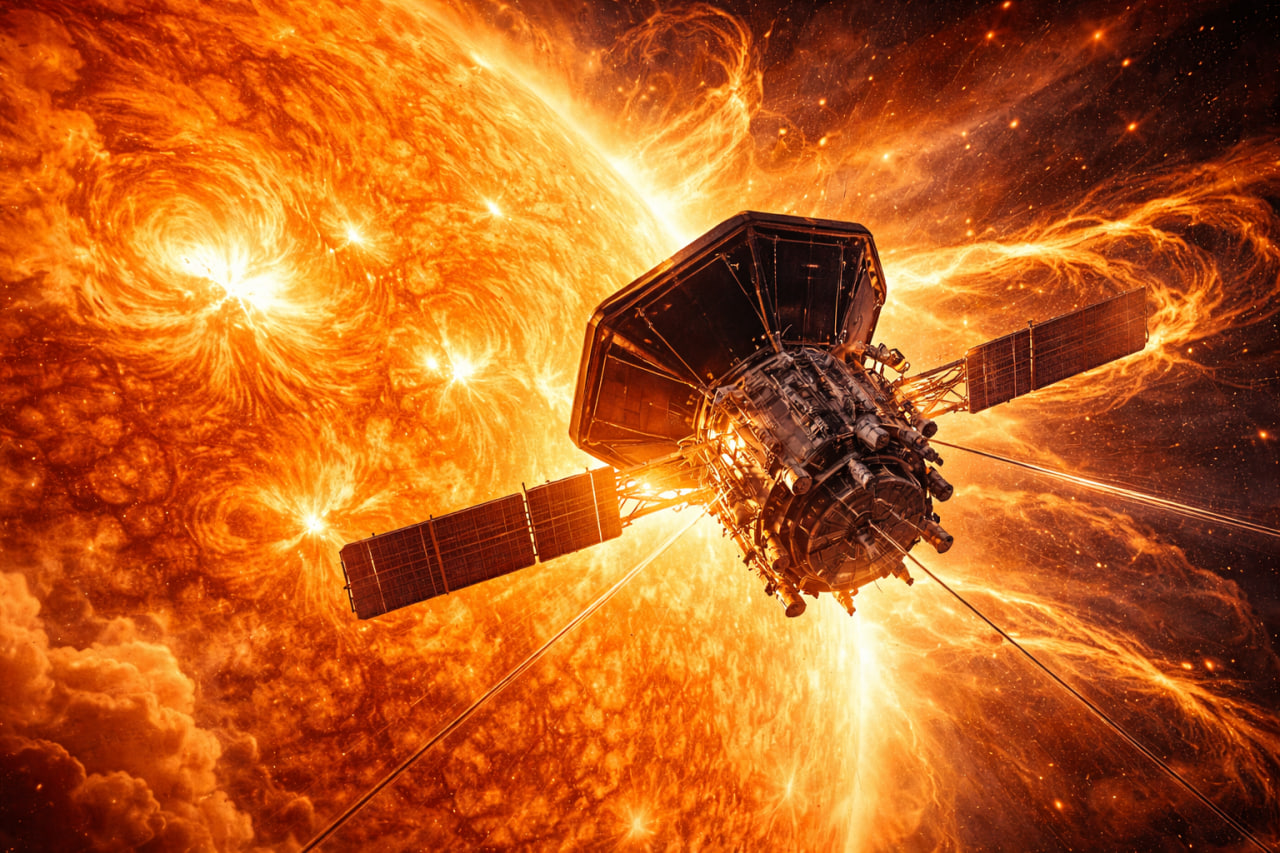
For the first time in history, humanity has sent a spacecraft into the outer atmosphere of the Sun.
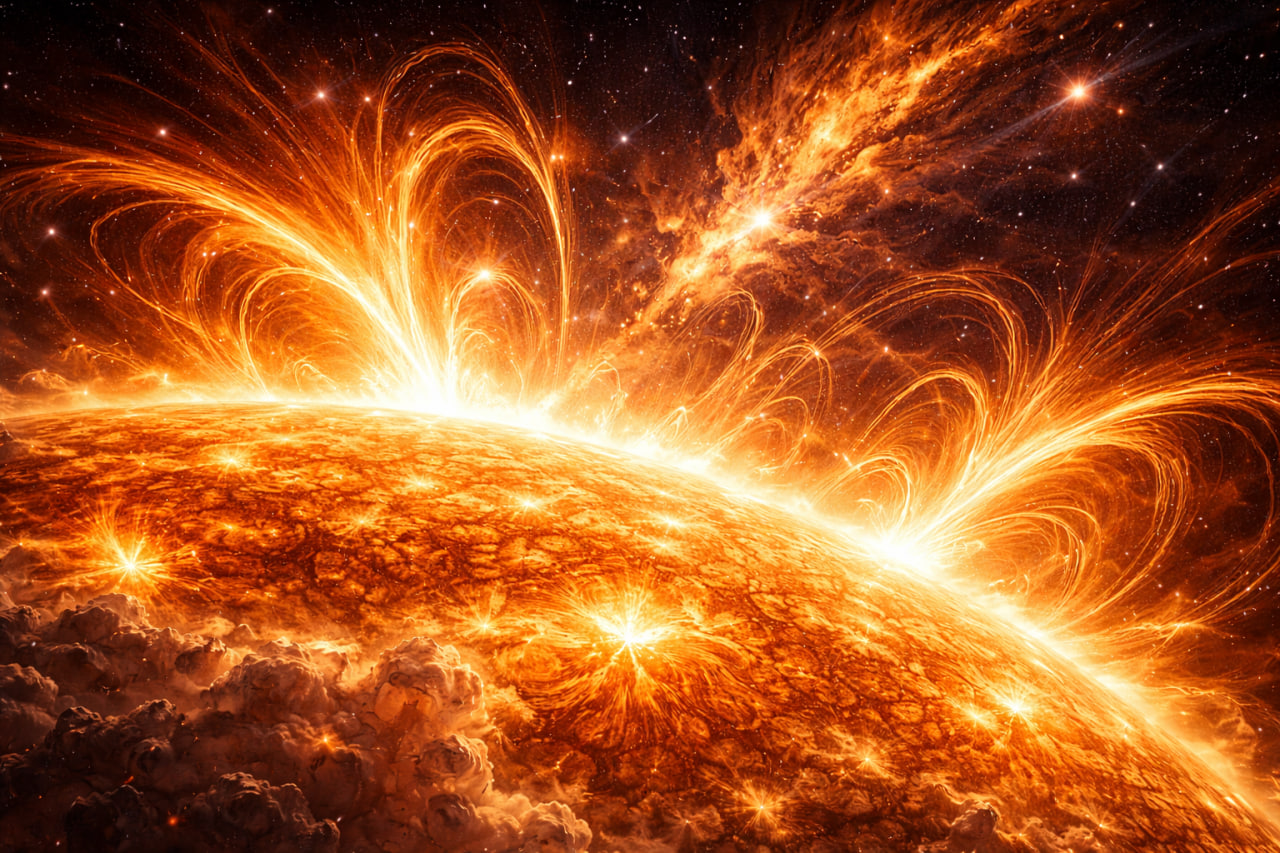
The solar corona is the outermost layer of the Sun’s atmosphere, extending millions of kilometers into space.
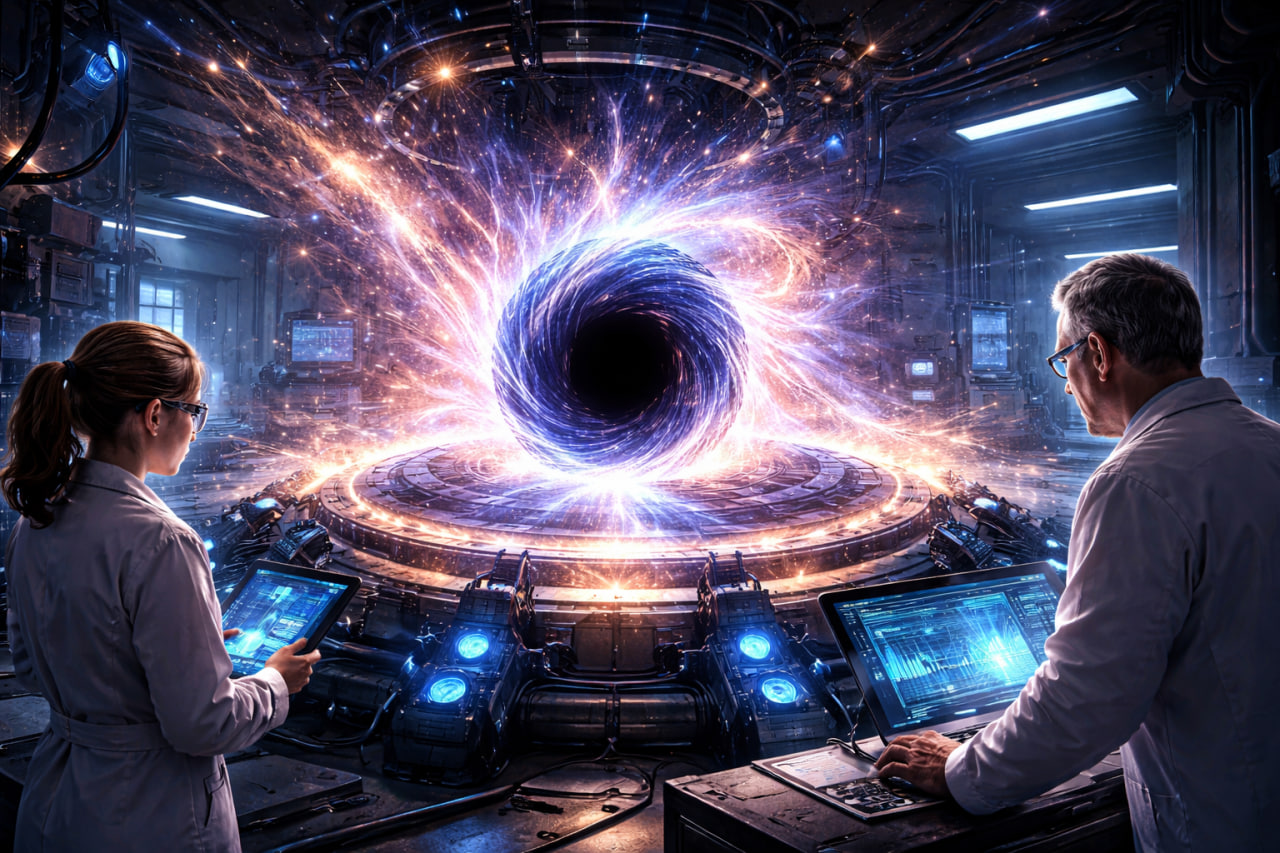
The idea of creating a mini black hole on Earth sounds like something from science fiction, but it is actually a topic that scientists have seriously explored in theoretical physics.
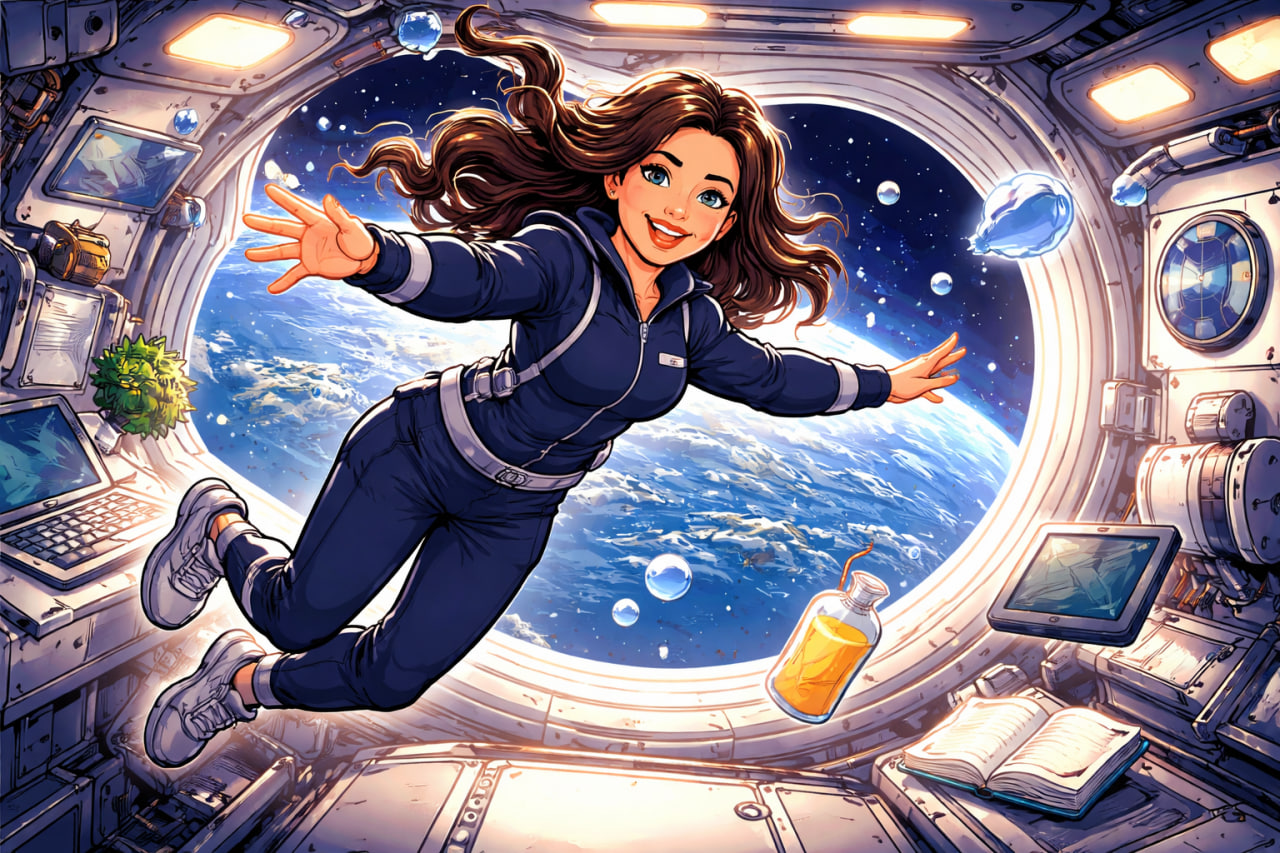
The state of weightlessness, also known as microgravity, occurs when objects appear to have no weight and float freely in space.
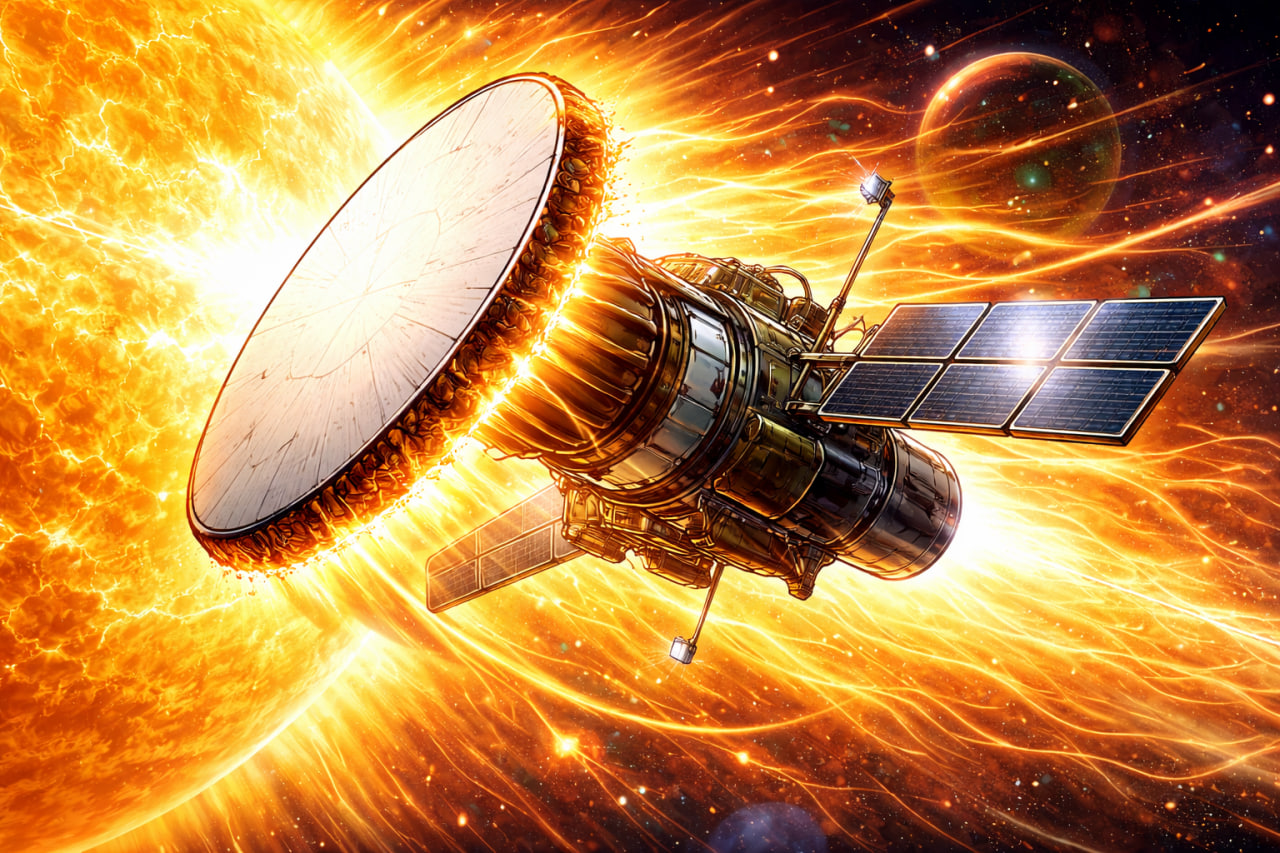
At first glance, sending a spacecraft into the Sun’s atmosphere sounds impossible. The Sun is an extremely hostile environment, with temperatures reaching millions of degrees and intense...
The phrase “Through hardships to the stars” symbolizes the idea that great achievements require perseverance, effort, and the ability to overcome obstacles.
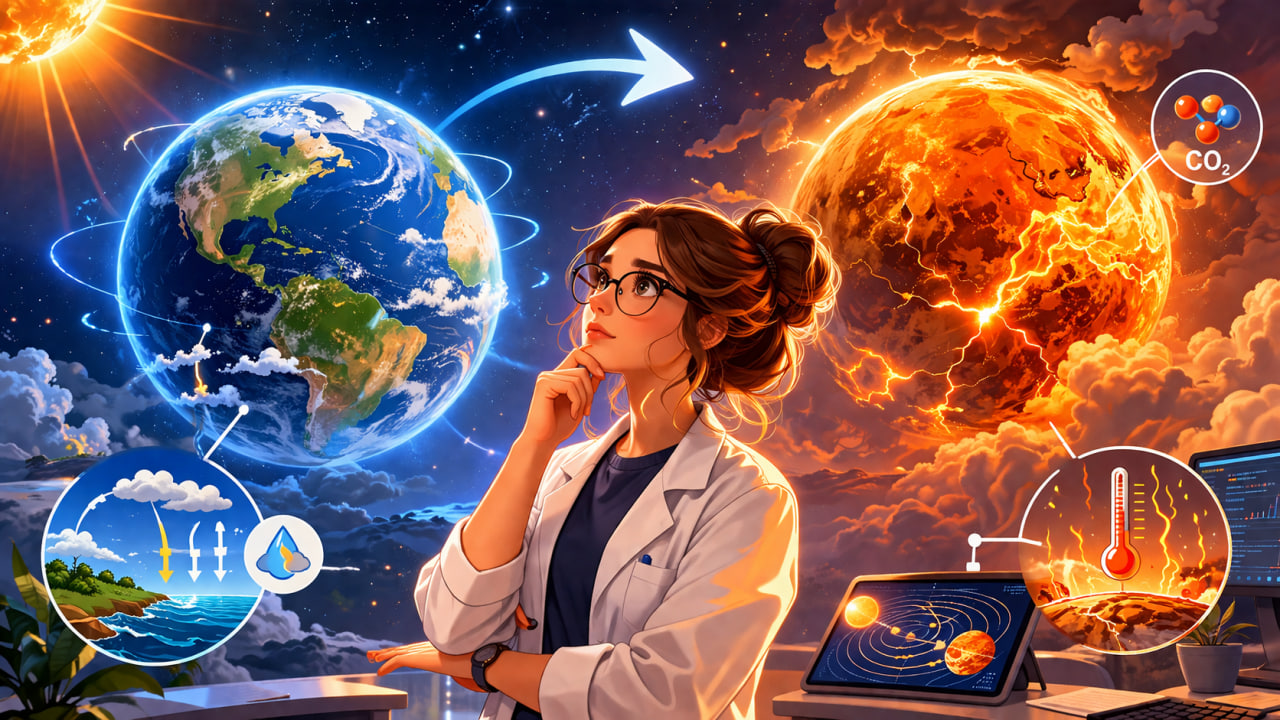
The idea that Earth could one day become like Venus—a hot, hostile planet with crushing pressure and toxic clouds—may sound alarming, but it raises important scientific questions about...
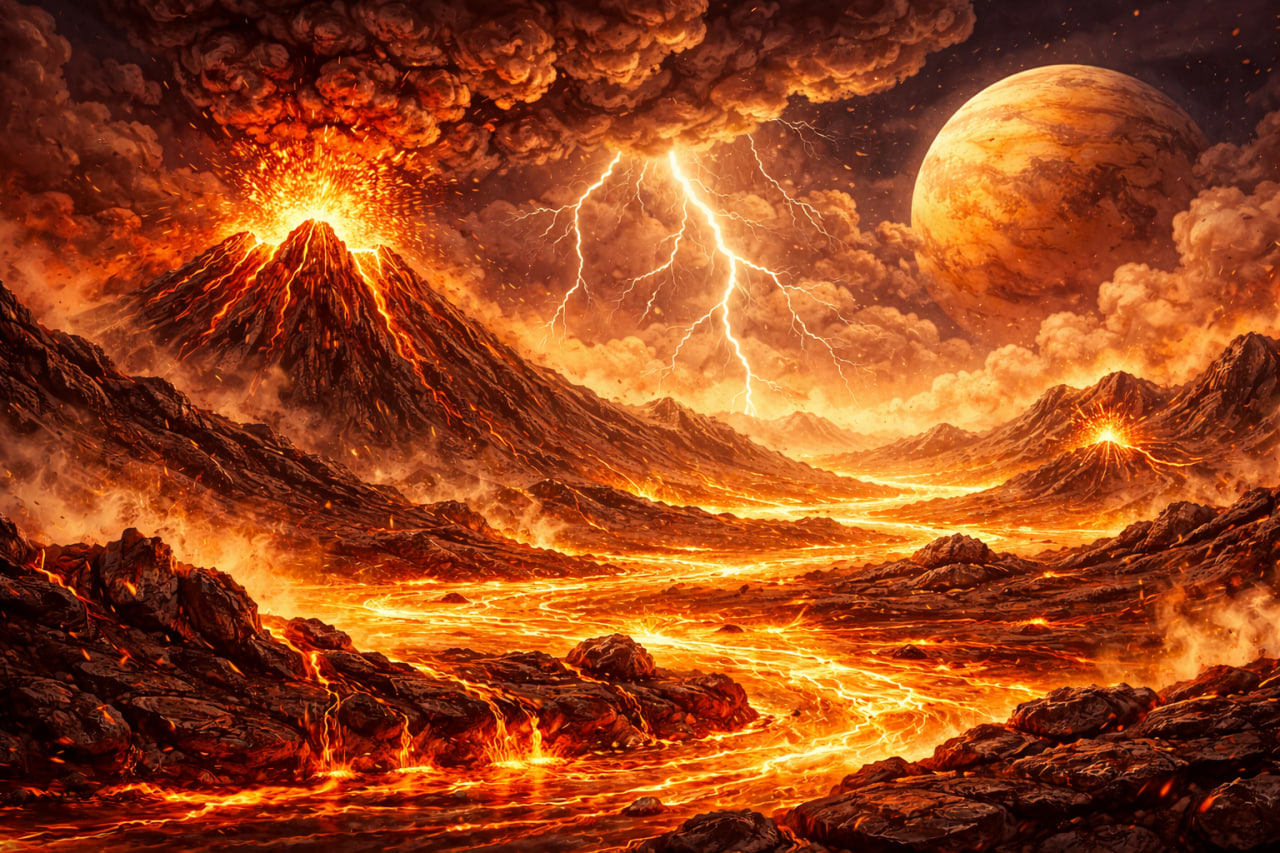
Venus is often called Earth’s “twin” because of its similar size, composition, and location in the inner Solar System.