
Phase Transitions: The Physics of Changing States of Matter
A phase transition is a fundamental physical process in which a substance changes from one state of matter to another, such as from solid to liquid or liquid to gas.
Useful articles about our universe and science

A phase transition is a fundamental physical process in which a substance changes from one state of matter to another, such as from solid to liquid or liquid to gas.

Boiling is a fundamental physical process that occurs when a liquid transforms into vapor throughout its entire volume.

In recent years, various messaging platforms have gained attention in Russia, including lesser-known or emerging services often discussed under names like “Messenger Max.
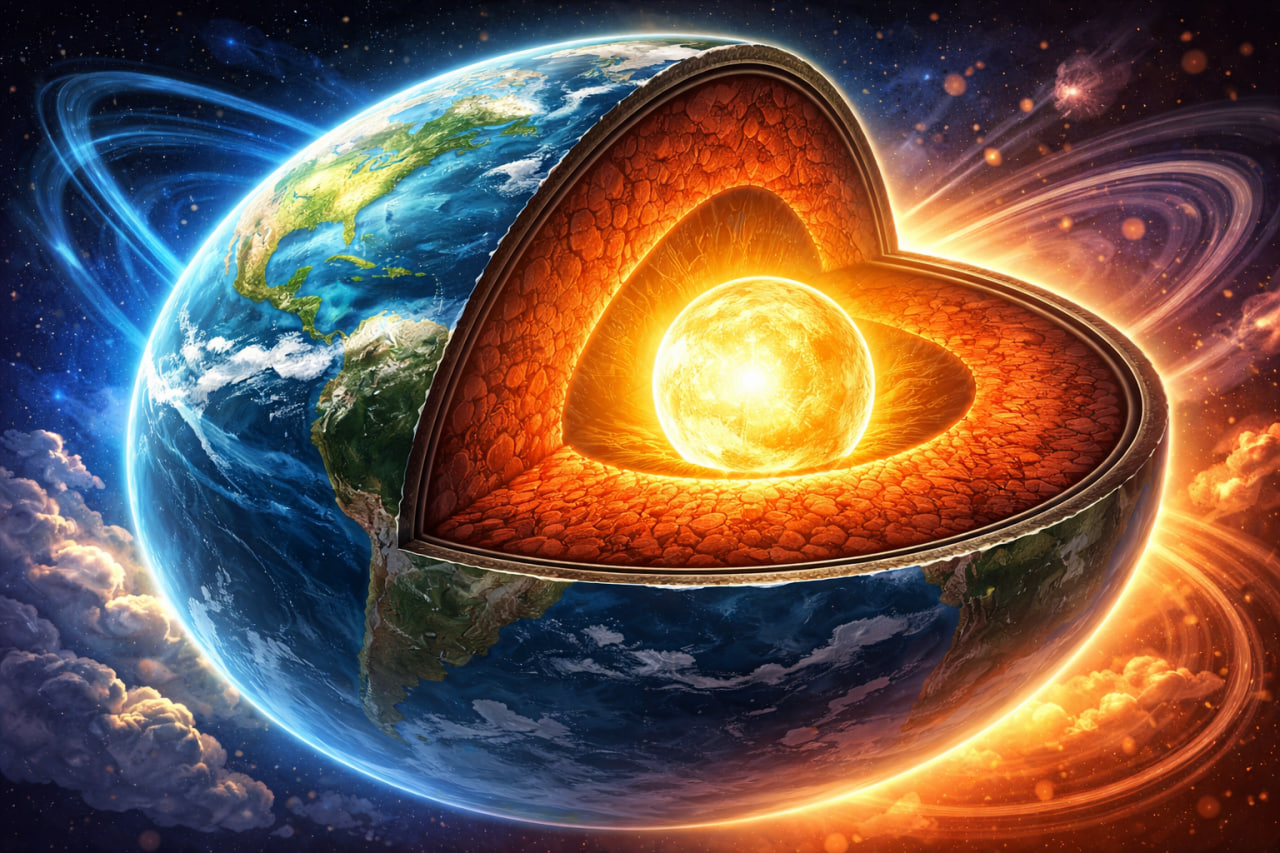
The interior of Earth is one of the most mysterious and fascinating parts of our planet.

Web browsers have become essential tools for productivity, communication, and daily tasks.

Chatbots have become powerful tools for improving productivity, automating tasks, and assisting with decision-making.
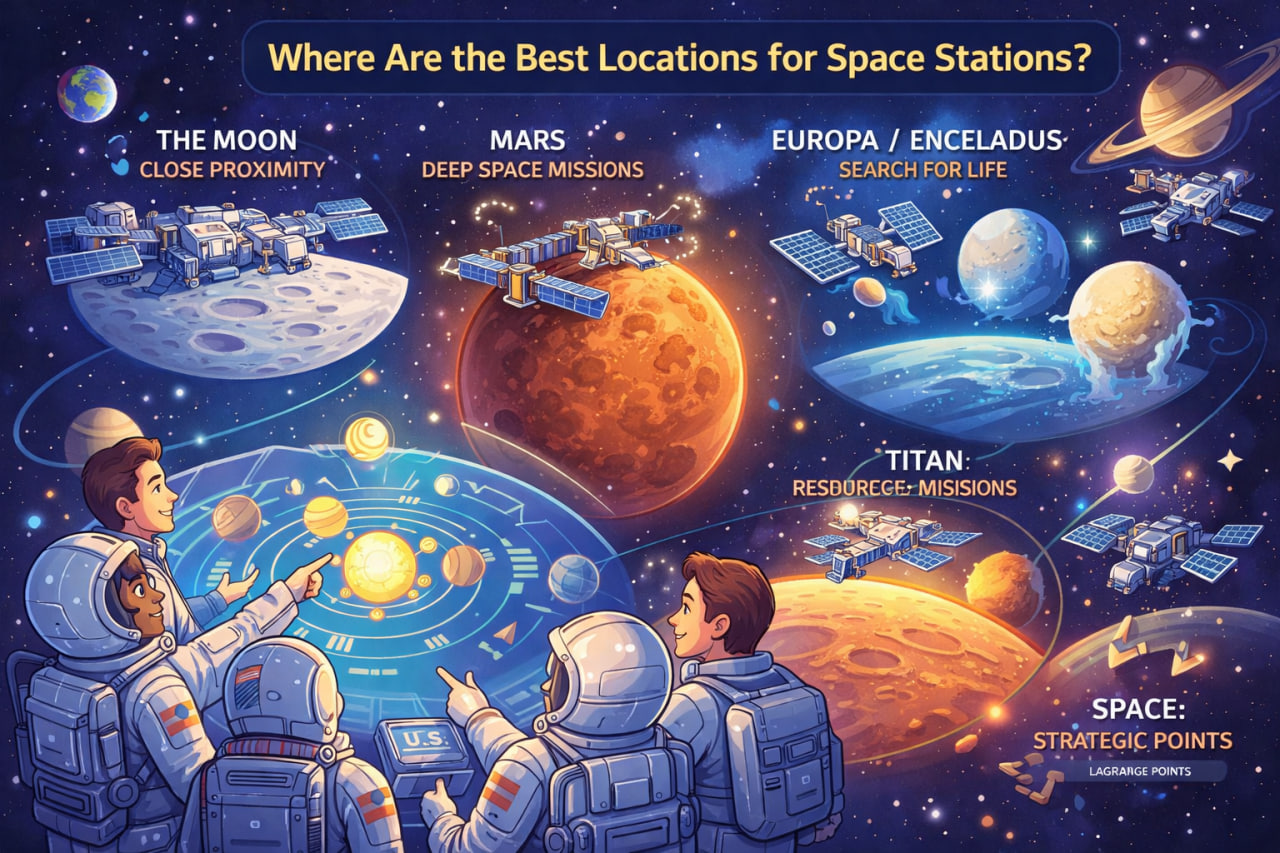
As humanity looks beyond Earth, the idea of placing space stations near other planets and moons becomes increasingly important.
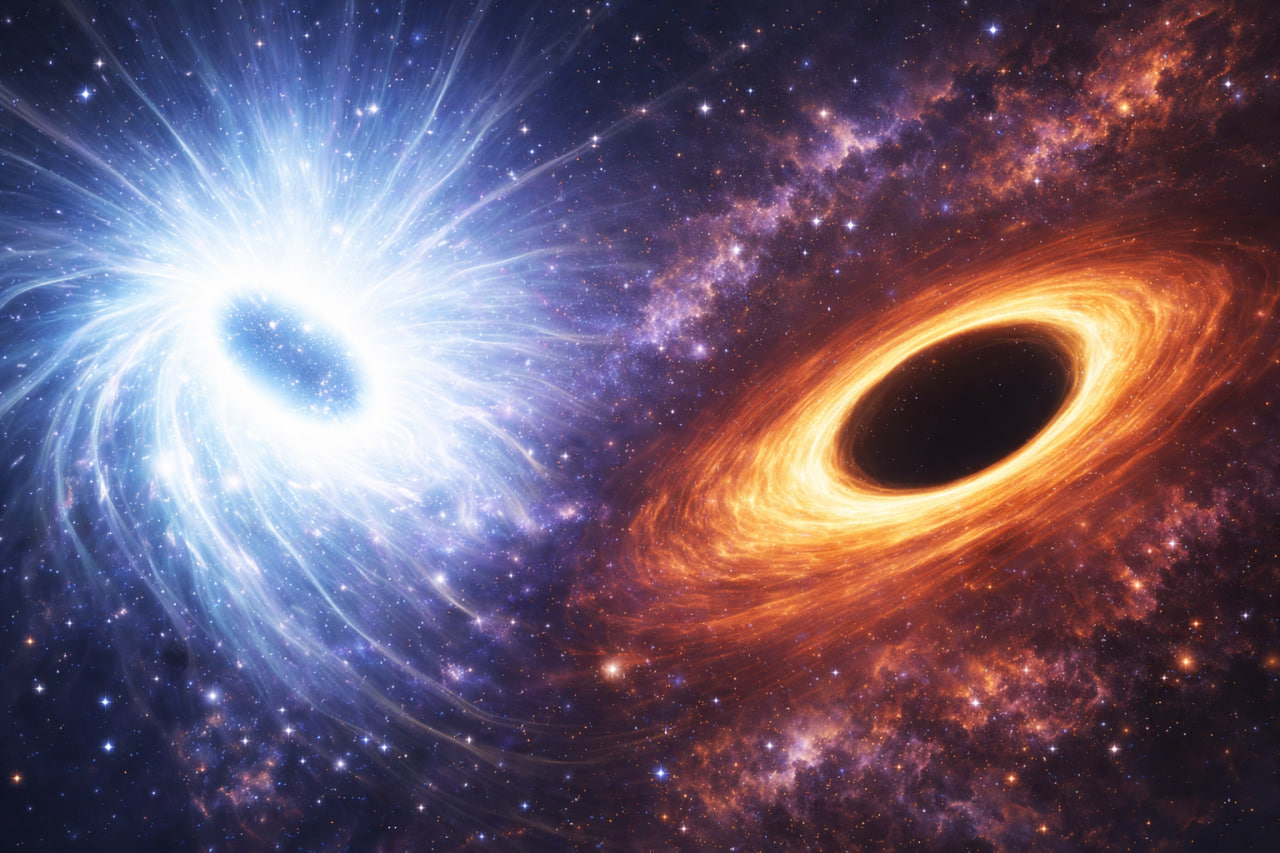
White holes are one of the most fascinating and speculative concepts in modern physics, often described as the theoretical opposites of black holes.

Wormholes are one of the most intriguing concepts in theoretical physics, often described as shortcuts connecting distant points in space and time.
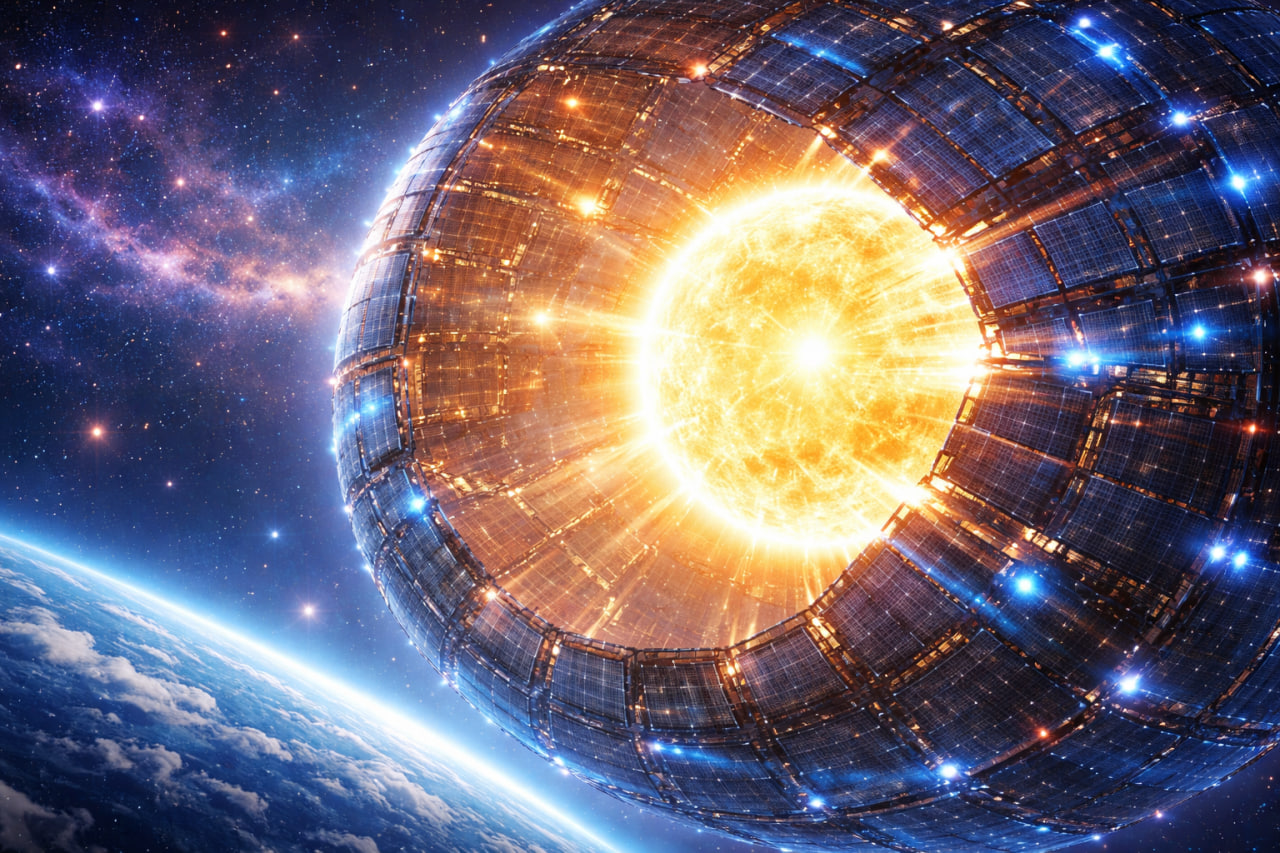
The concept of a Dyson sphere represents one of the most ambitious ideas in astroengineering, proposing a structure built around a star to capture a significant portion of its energy output.