
Nanotechnology: Transforming the World One Atom at a Time
Nanotechnology is the science and engineering of manipulating matter at the scale of atoms and molecules, typically between 1 and 100 nanometers.
Useful articles about our universe and science
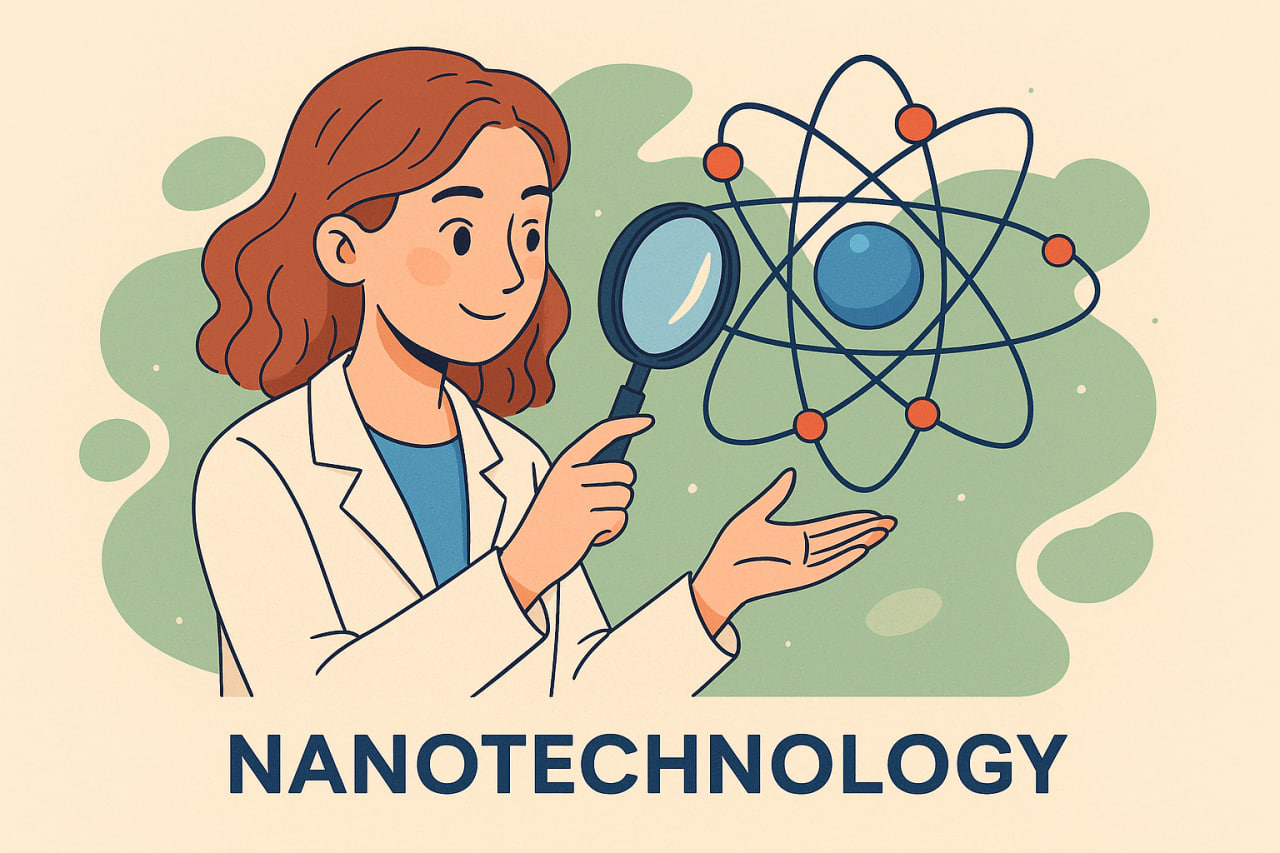
Nanotechnology is the science and engineering of manipulating matter at the scale of atoms and molecules, typically between 1 and 100 nanometers.
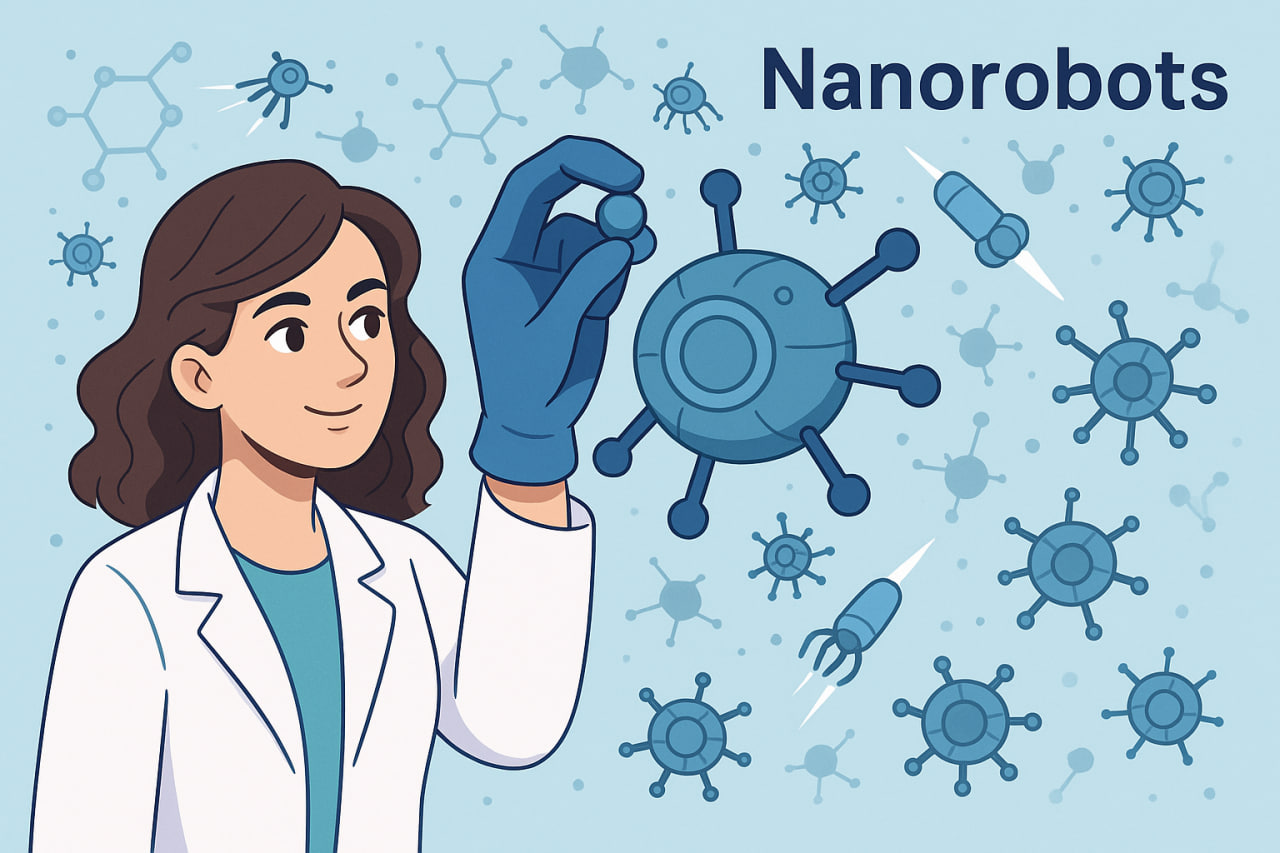
Nanorobots — tiny machines measured in billionths of a meter — represent one of the most revolutionary frontiers in modern science.
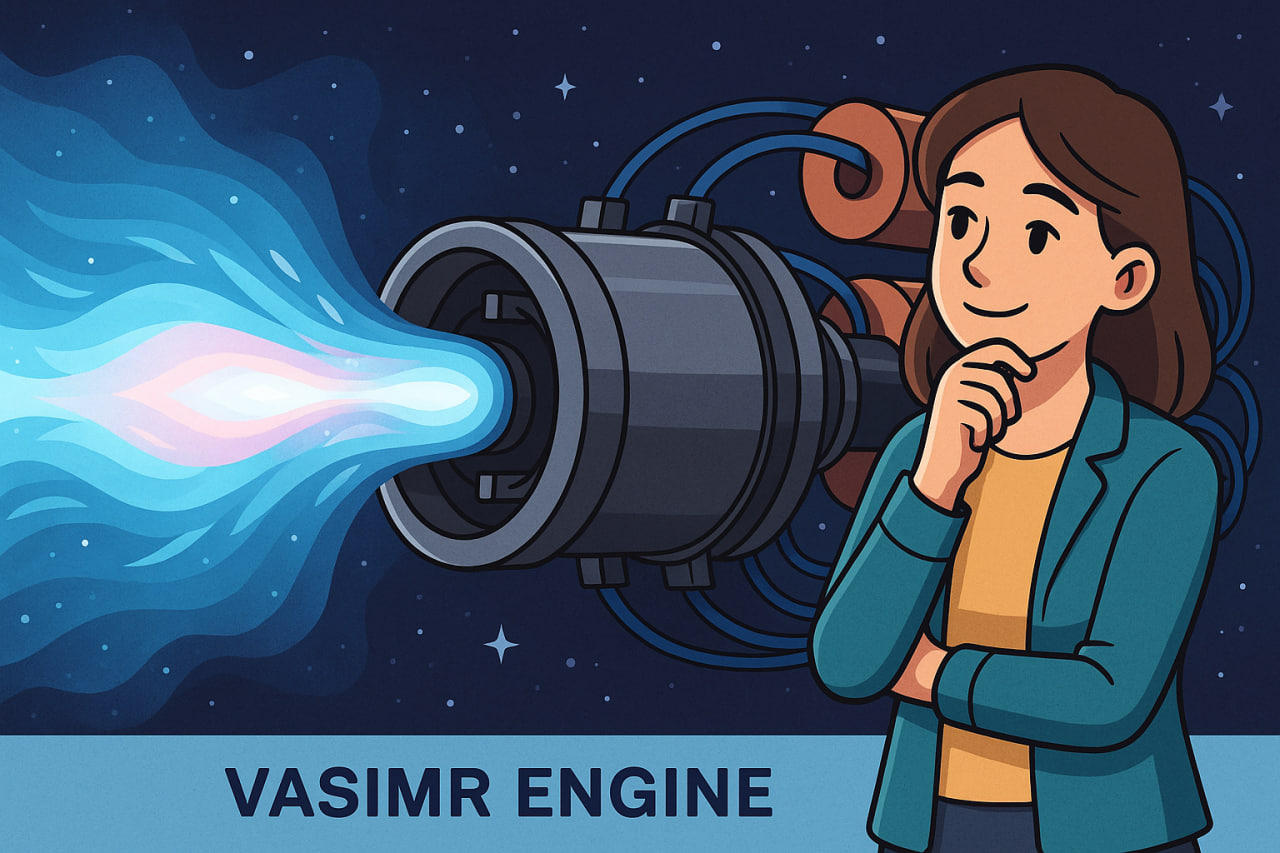
The VASIMR engine, short for Variable Specific Impulse Magnetoplasma Rocket, represents one of the most promising breakthroughs in advanced space propulsion.
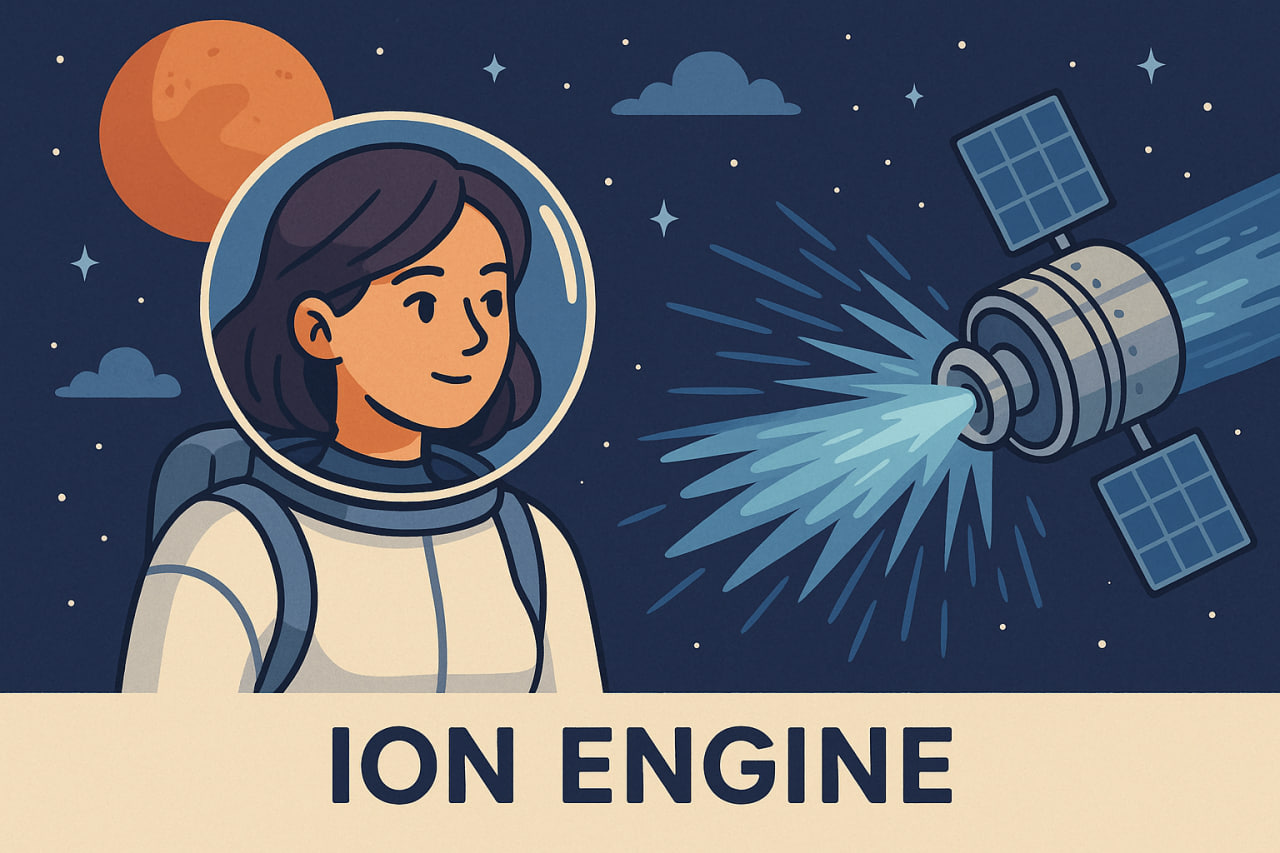
Ion engines represent one of the most advanced propulsion technologies ever developed, enabling spacecraft to travel vast distances using remarkably little fuel.

Rocket engines are the fundamental technology that makes space travel possible, enabling spacecraft to break free from Earth’s gravity and operate in the vacuum of space.
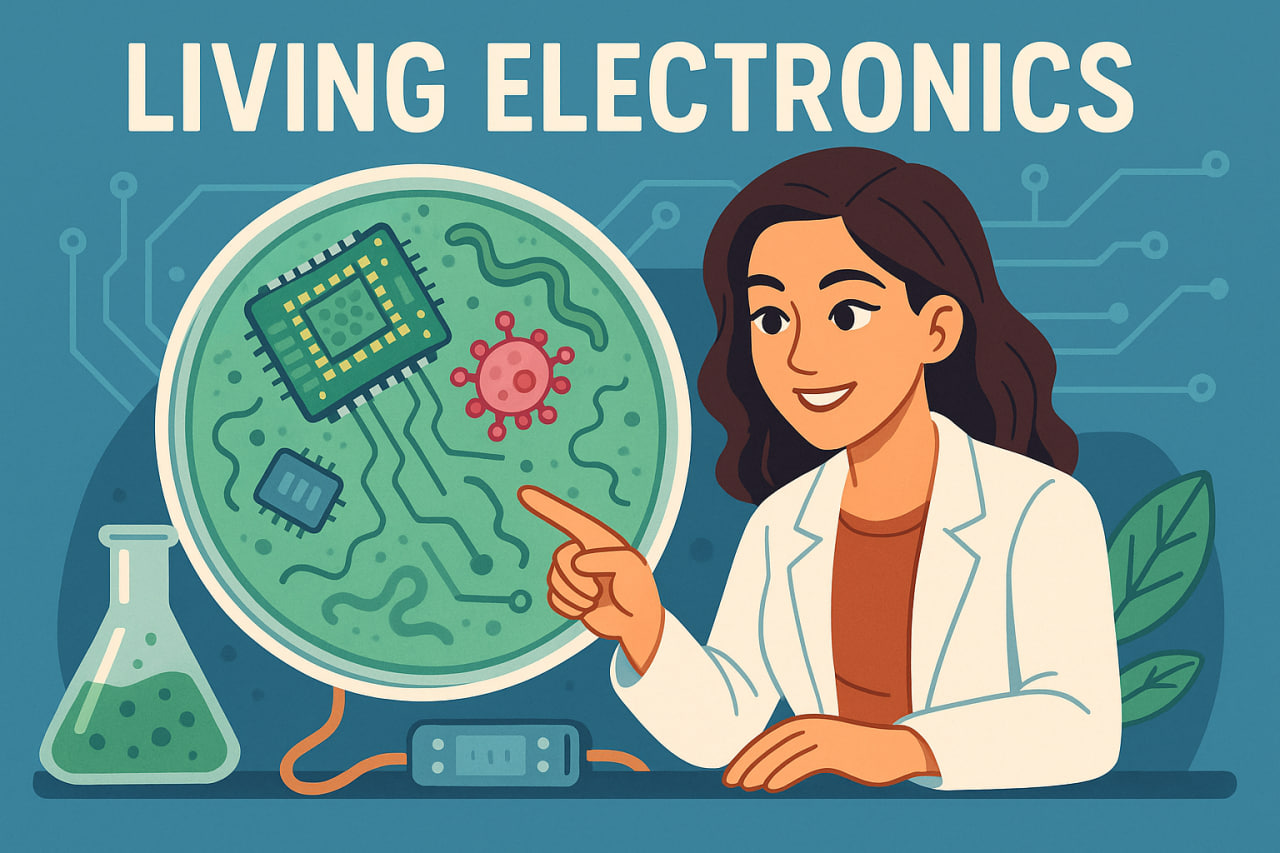
Living electronics, also known as bio-electronics or biological electronic systems, represent a rapidly evolving field that integrates living cells, biological materials, and electronic...

When a star enters the gravitational field of another, a dramatic astrophysical interaction begins that can reshape both stellar systems.

The death of a star is one of the most dramatic and influential processes in the universe, shaping galaxies and creating many of the elements essential for life.

The cooling of the universe is one of the most fundamental processes shaping cosmic evolution, beginning with the aftermath of the Big Bang and continuing today.

Carbon nanotubes (CNTs) are cylindrical nanostructures composed entirely of carbon atoms arranged in a hexagonal lattice, forming tubes with extraordinary mechanical, electrical, and thermal...