
Seismology
Seismology is the scientific study of earthquakes and the propagation of elastic waves through the Earth.
Useful articles about our universe and science
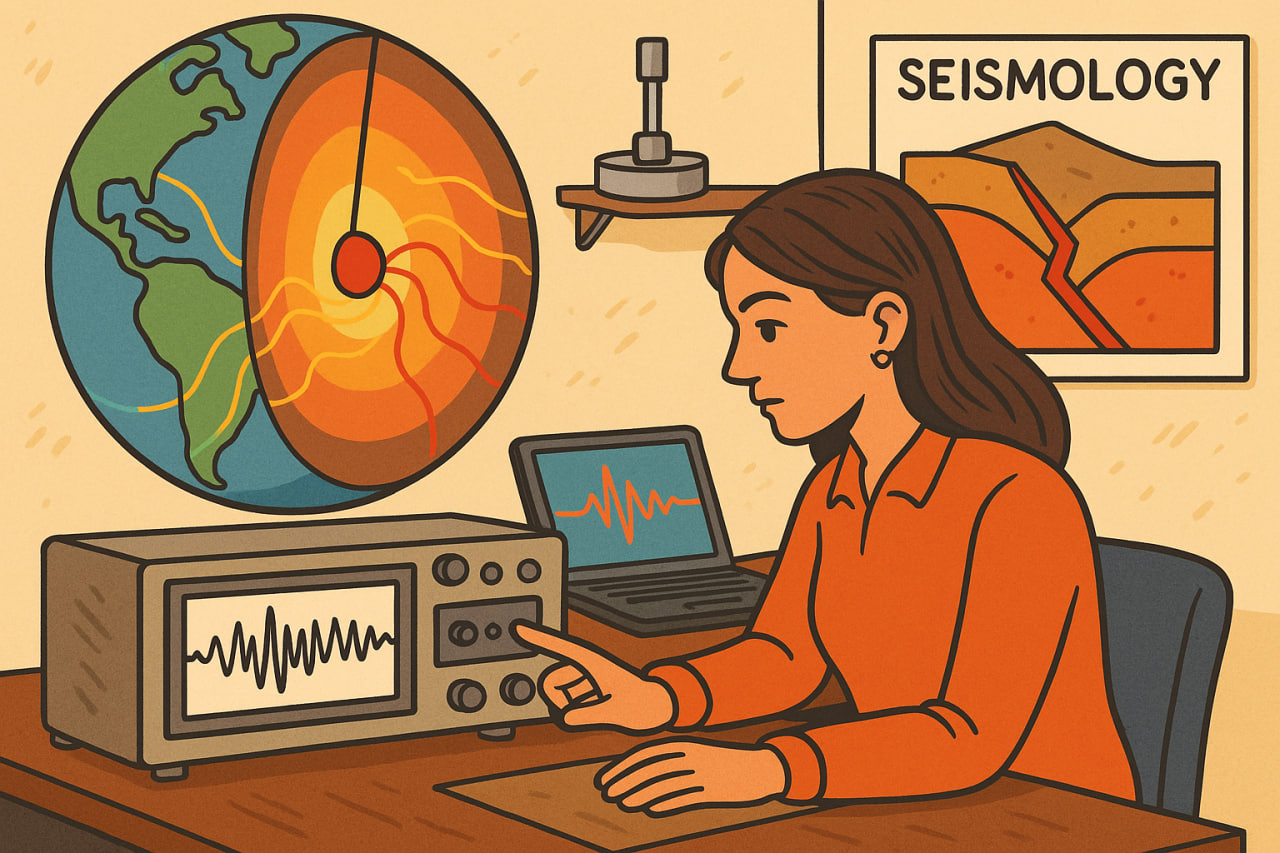
Seismology is the scientific study of earthquakes and the propagation of elastic waves through the Earth.
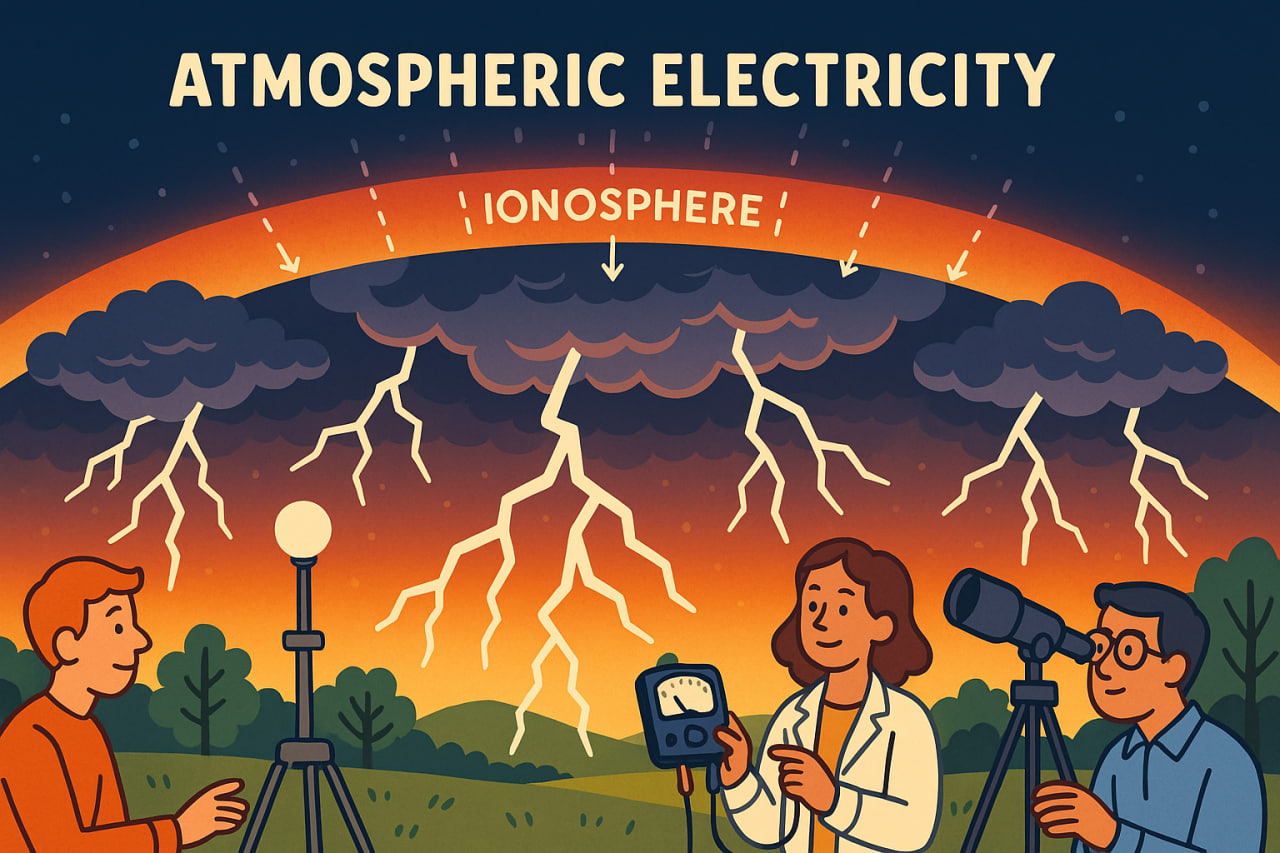
The atmosphere of our planet is not just a layer of air — it is also a vast electrical system filled with charges, currents, and fields that continuously interact between Earth and space.
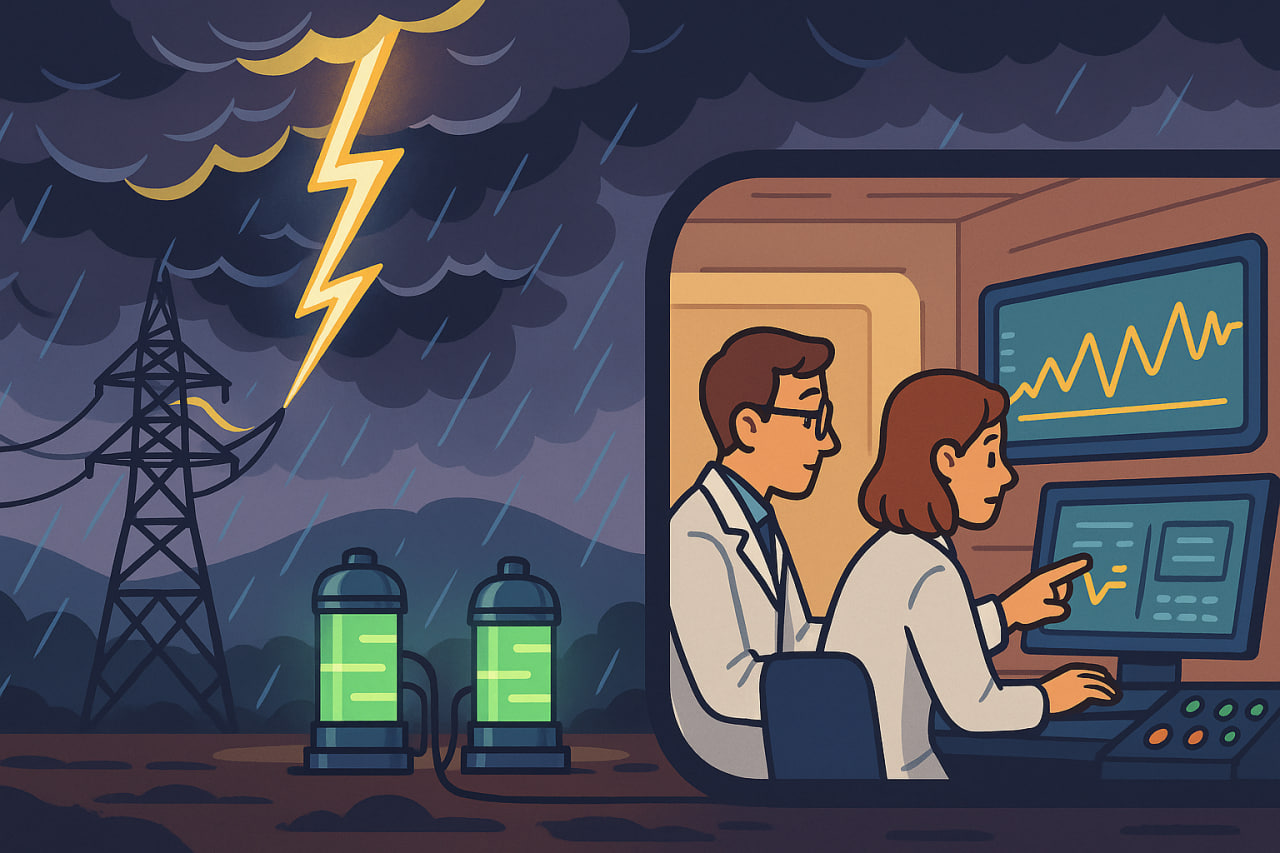
Thunderstorms are among nature’s most powerful displays of energy. A single lightning bolt can heat the air to temperatures five times hotter than the surface of the Sun and release enough...
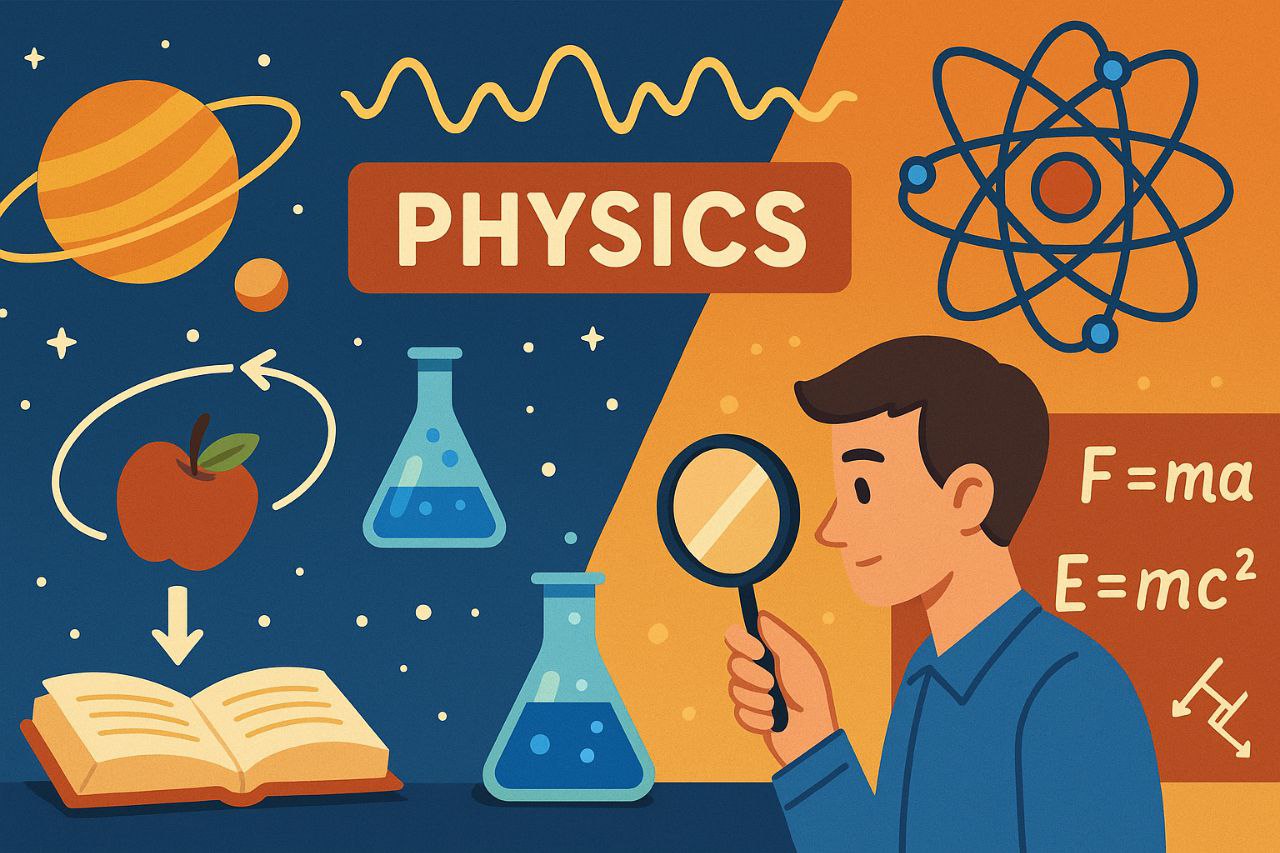
Physics is one of the most fundamental sciences — it seeks to understand how the universe works, from the motion of planets to the vibrations of atoms.
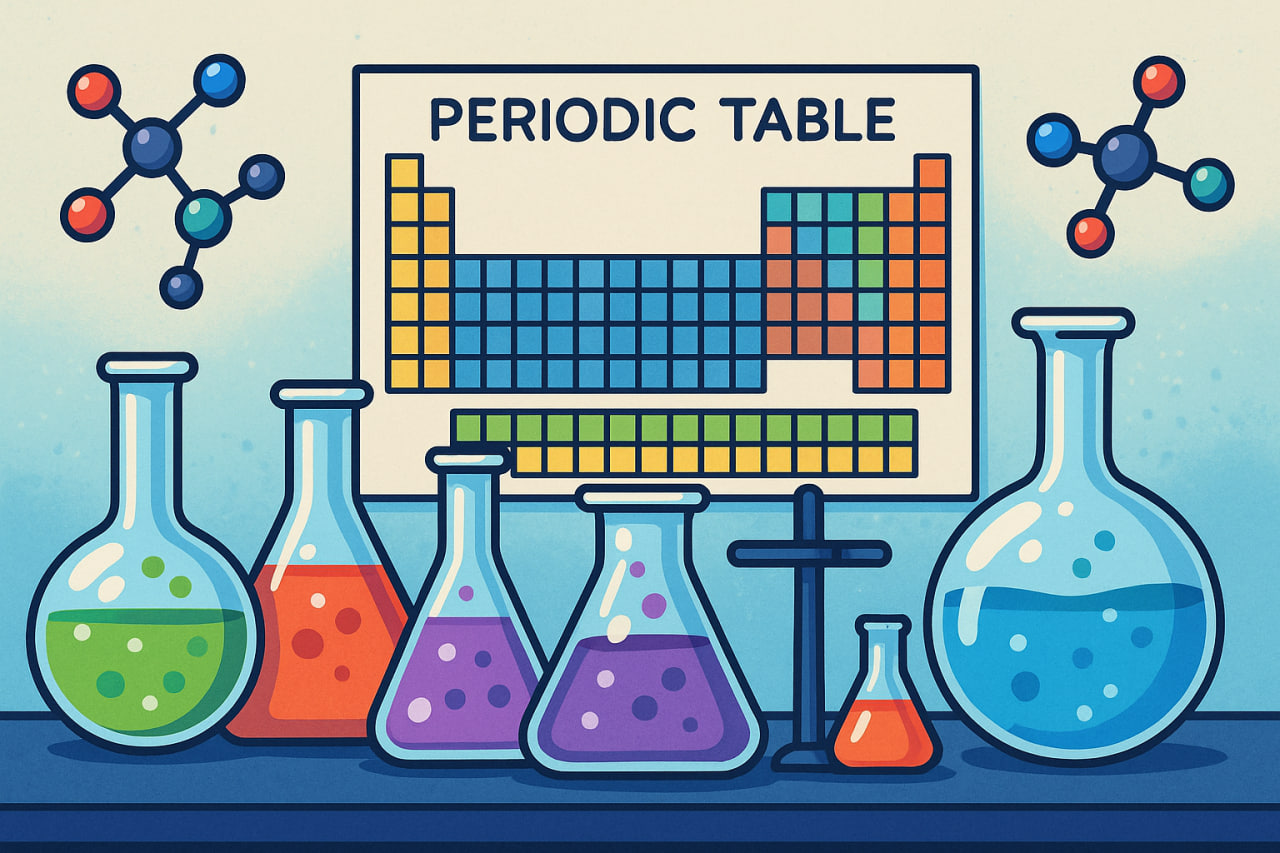
Chemistry is the central science that connects physics, biology, and Earth sciences. It explores how matter is structured, how substances interact, and how new materials are formed.
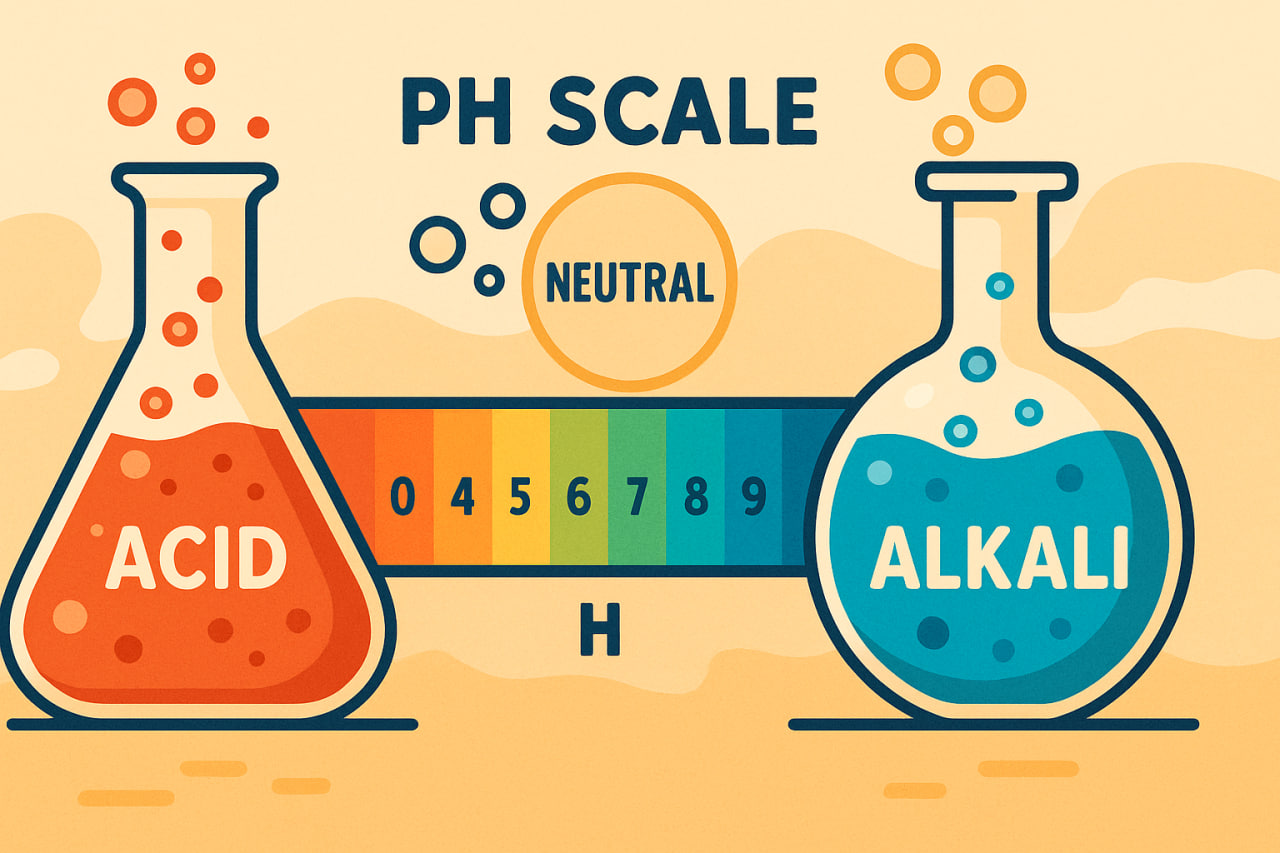
Acids and bases — or alkalis — are fundamental substances that shape the world around us and play a vital role in both nature and human life.
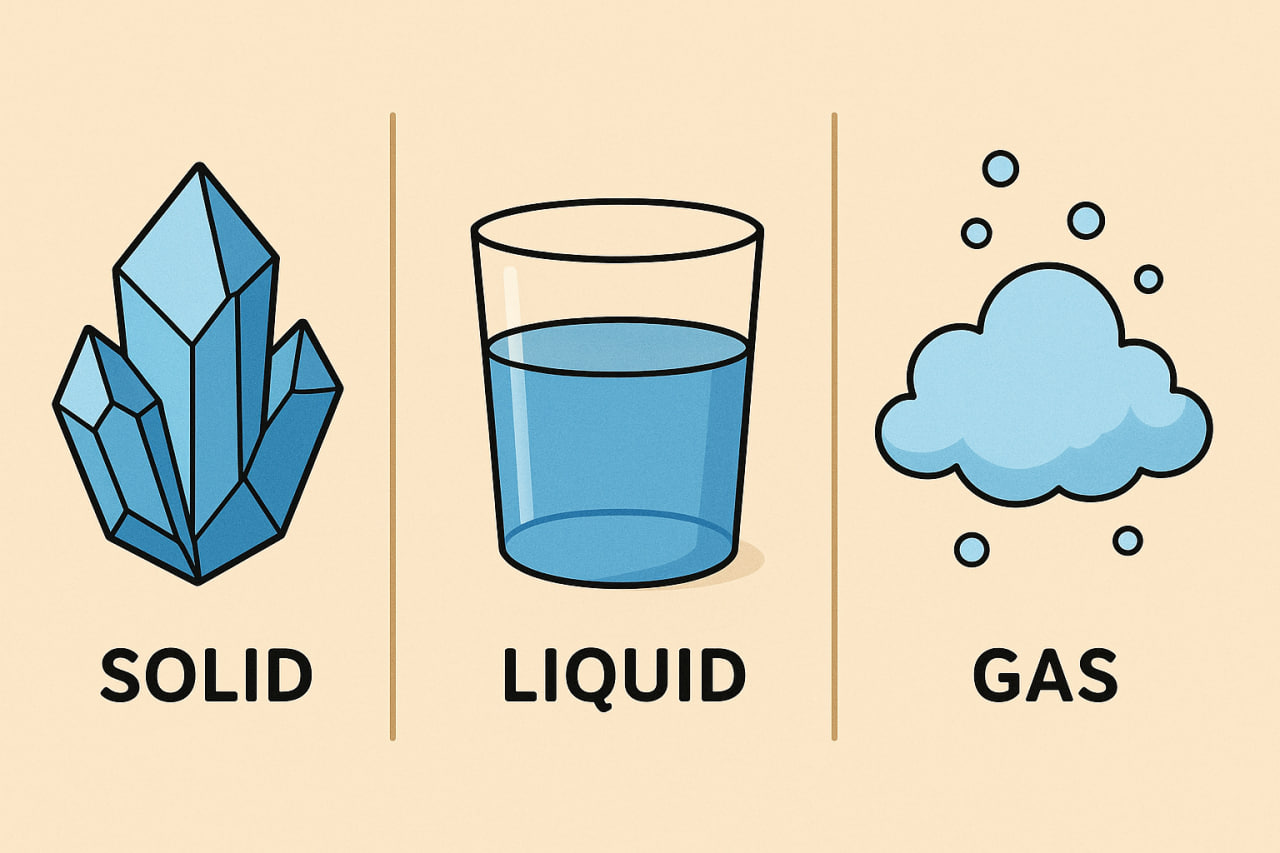
Everything around us — the air we breathe, the water we drink, the ground we walk on — is made of matter. Matter is anything that has mass and takes up space.
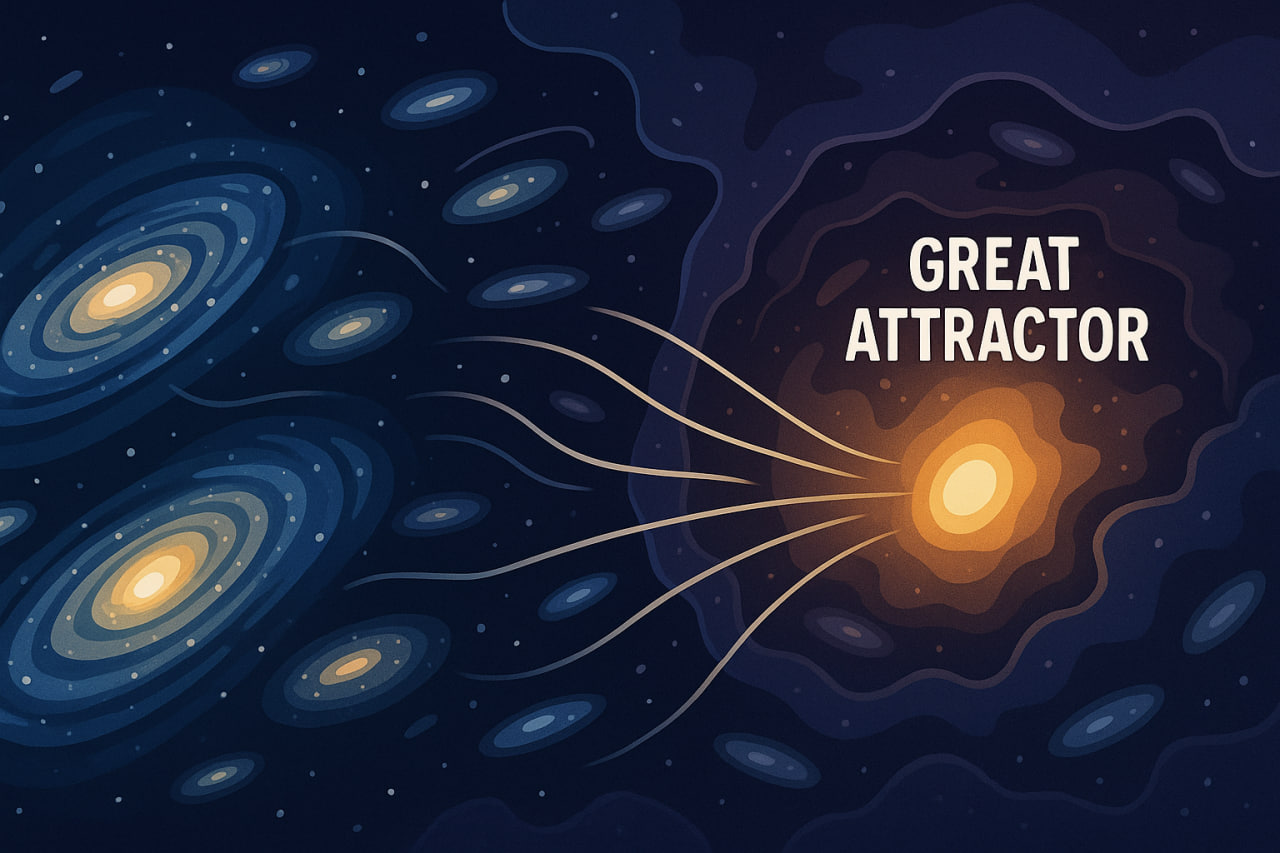
In the vastness of the universe, galaxies are not scattered randomly. They form clusters, filaments, and superclusters — immense cosmic structures shaped by gravity over billions of years.
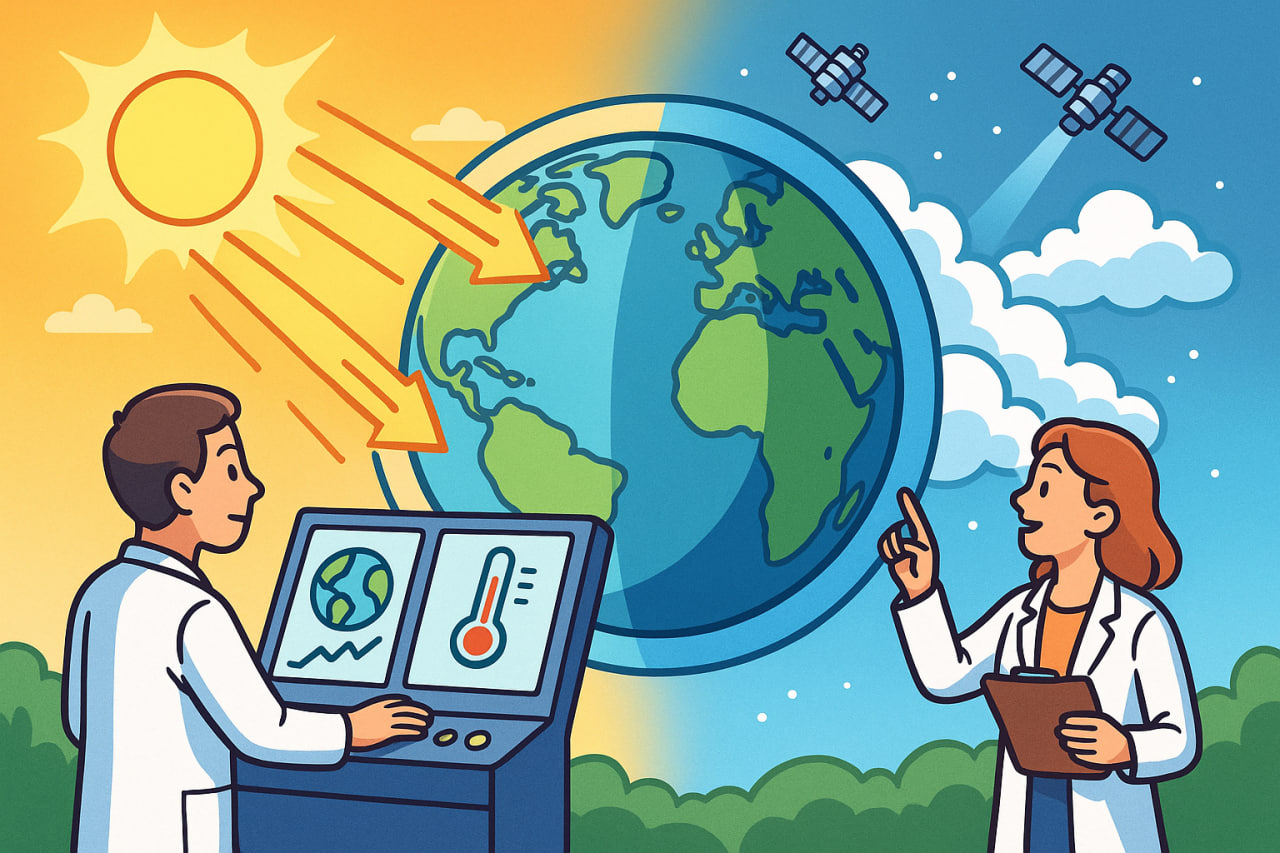
As the world faces accelerating climate change, scientists are exploring extraordinary technologies that might one day allow humanity to actively regulate the planet’s climate.

The question of whether machines could one day turn against humanity has fascinated scientists, philosophers, and storytellers for decades.