
How Planets and Galaxies Move in the Universe
The motion of planets and galaxies is one of the most fascinating aspects of astronomy.
Useful articles about our universe and science

The motion of planets and galaxies is one of the most fascinating aspects of astronomy.

When we look at the night sky or study our Solar System, one striking feature is that planets and stars are spherical.
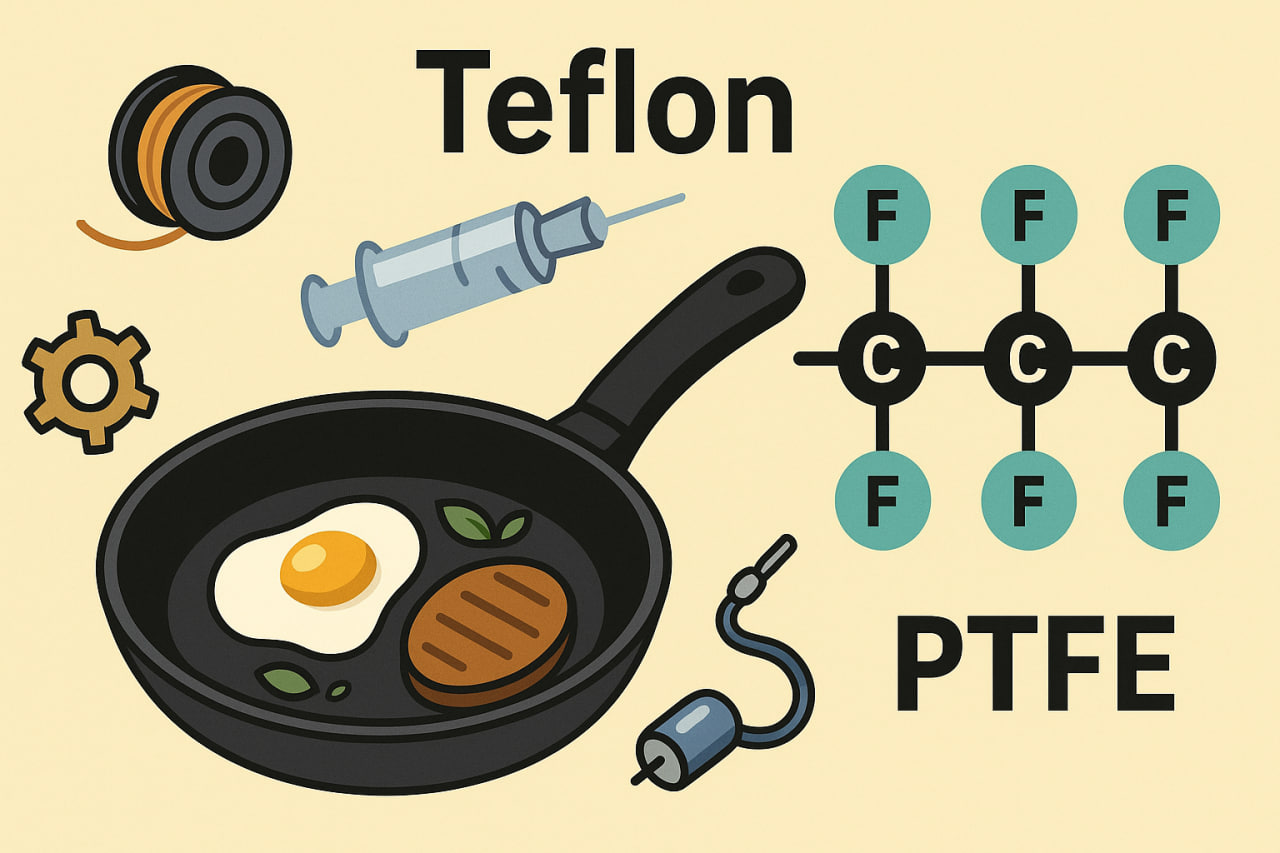
Teflon is the trade name for polytetrafluoroethylene (PTFE), a synthetic polymer discovered in 1938 by Roy Plunkett.

Cybersecurity refers to the practice of protecting systems, networks, and data from digital threats.

A computer virus is a type of malicious software program designed to disrupt the normal operation of a computer, steal information, or damage data.

Photosynthesis is a biological process by which plants, algae, and some bacteria convert light energy from the Sun into chemical energy stored in sugars.

The Dzhanibekov Effect describes how a rotating body flips when spinning around its intermediate axis of inertia.

Every rigid body has three principal axes of inertia: the axis with the greatest stability (maximum inertia), the axis with the least stability (minimum inertia), and the intermediate axis.
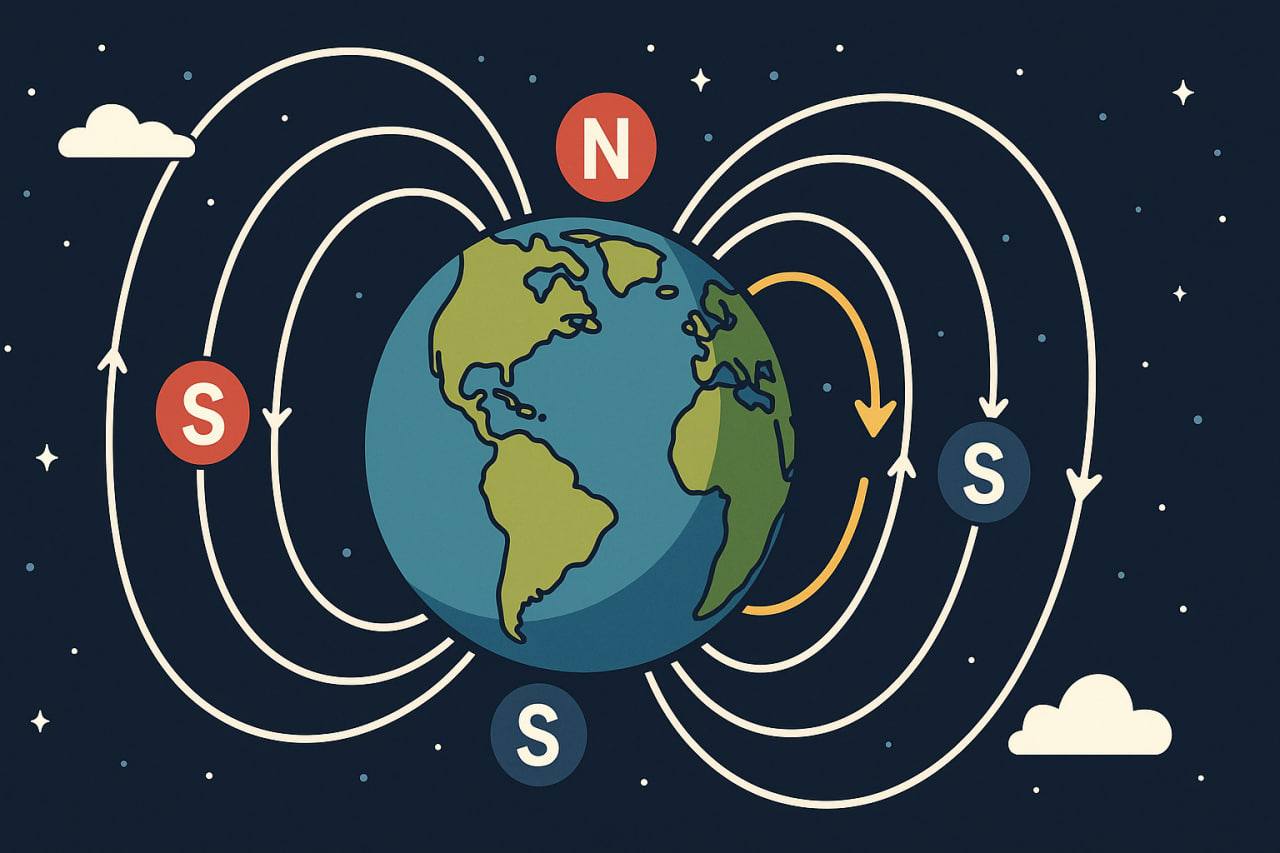
A magnetic pole reversal is a phenomenon in which Earth’s magnetic north and south poles switch places.
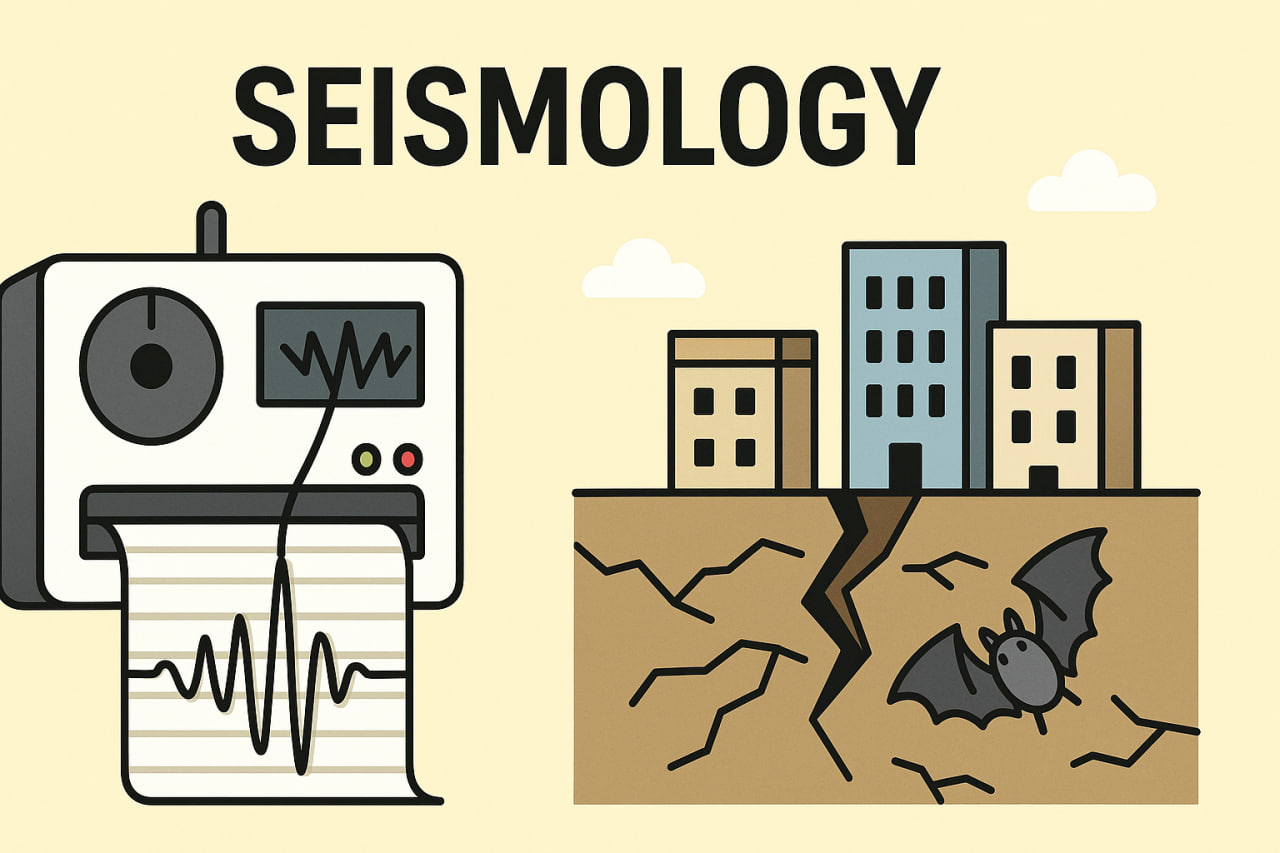
Seismology is the scientific study of earthquakes and the propagation of seismic waves through Earth.