
Astronomy: Exploring the Universe
Astronomy is the science that studies celestial objects, space, and the universe as a whole.
Useful articles about our universe and science
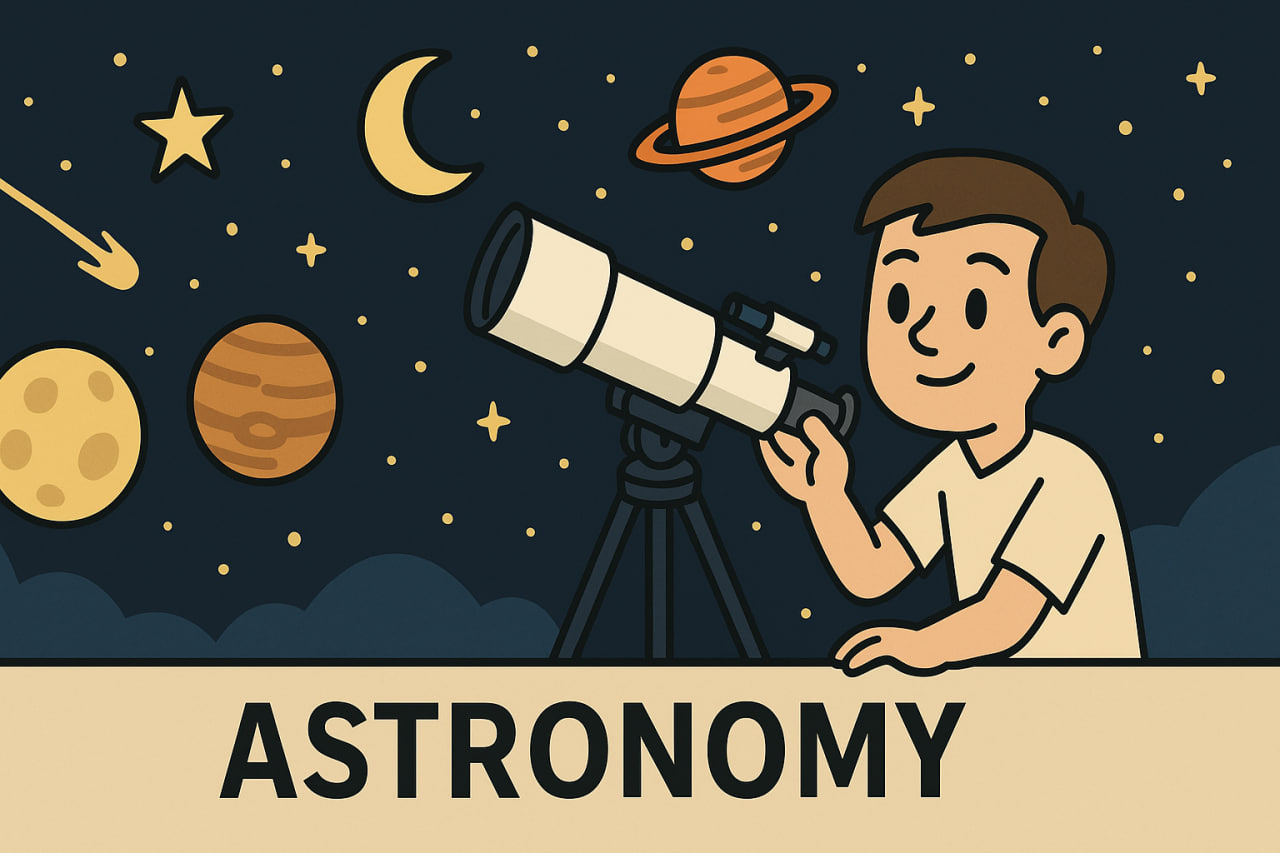
Astronomy is the science that studies celestial objects, space, and the universe as a whole.
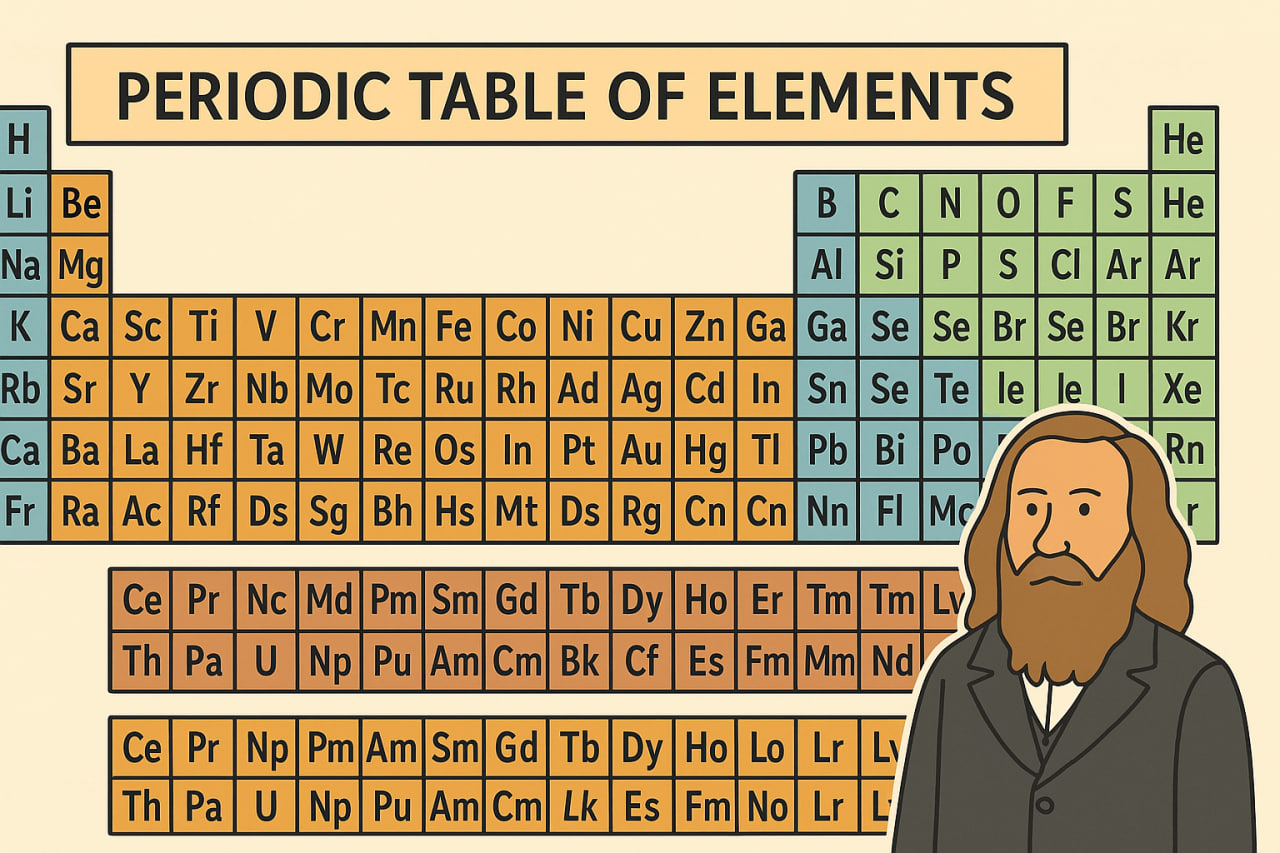
The Periodic Table of Elements was first created by Russian chemist Dmitri Mendeleev in 1869. He organized the known chemical elements according to their properties and atomic weights.
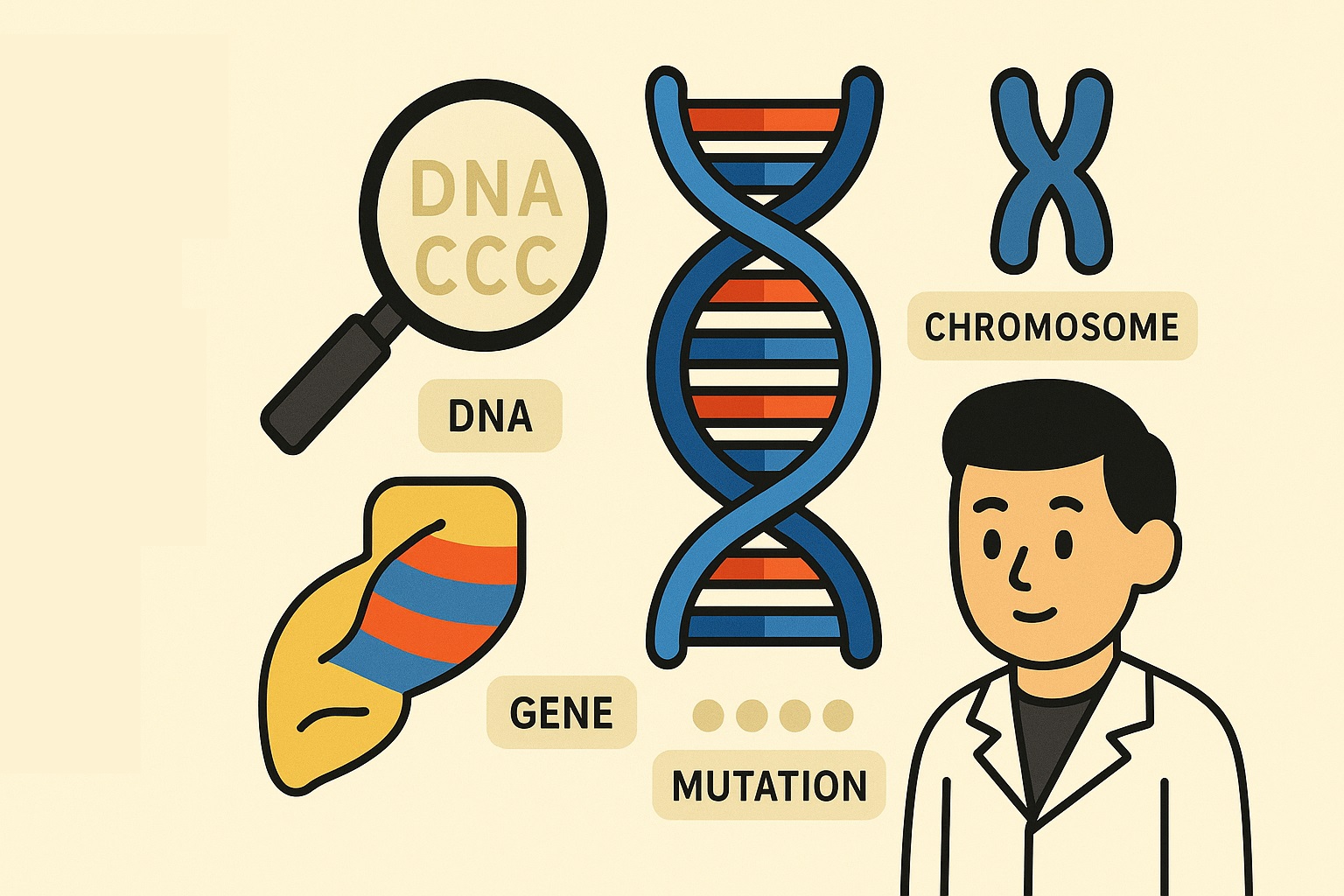
Genetics is the branch of biology that studies genes, heredity, and variation in living organisms. It explains how traits are passed from one generation to another through DNA.
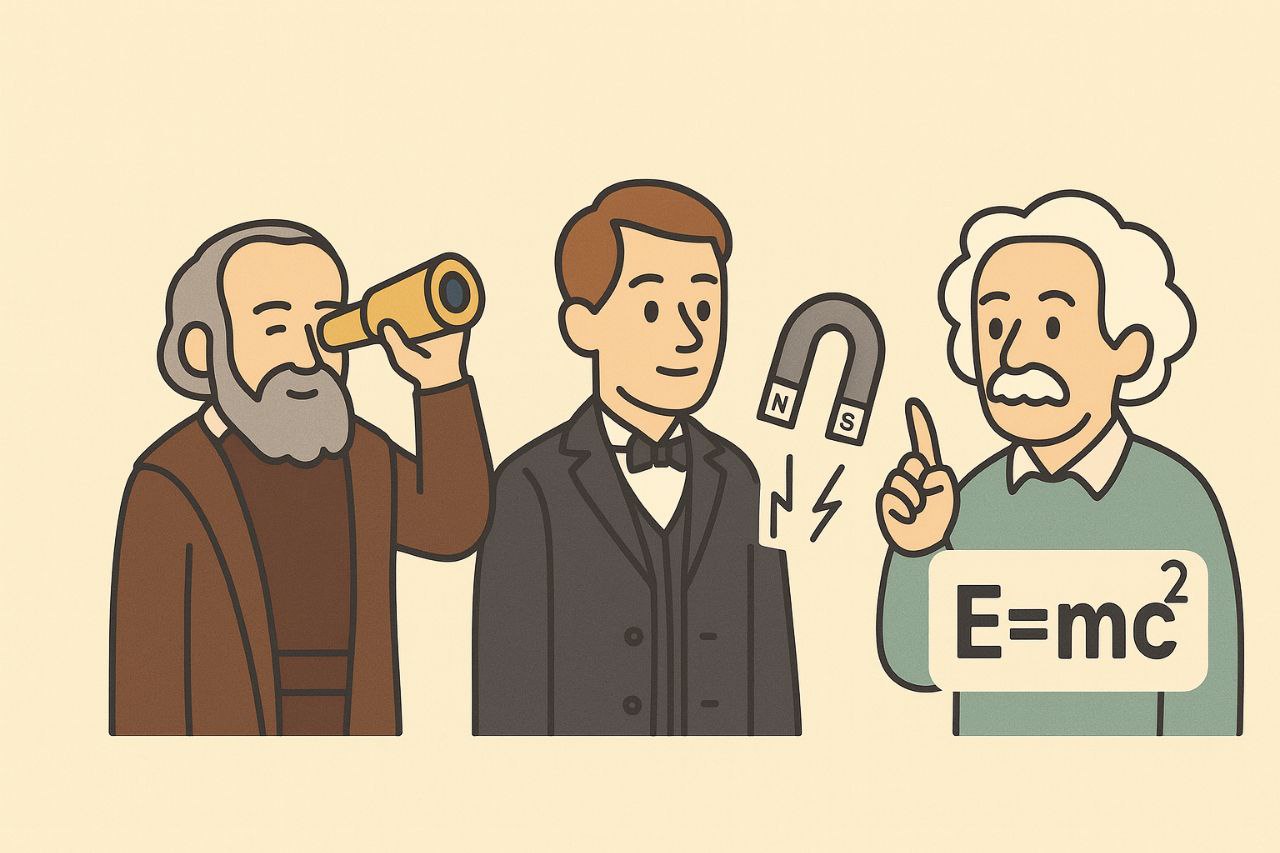
The origins of physics trace back to ancient civilizations, where people sought to explain natural phenomena through observation and reasoning.
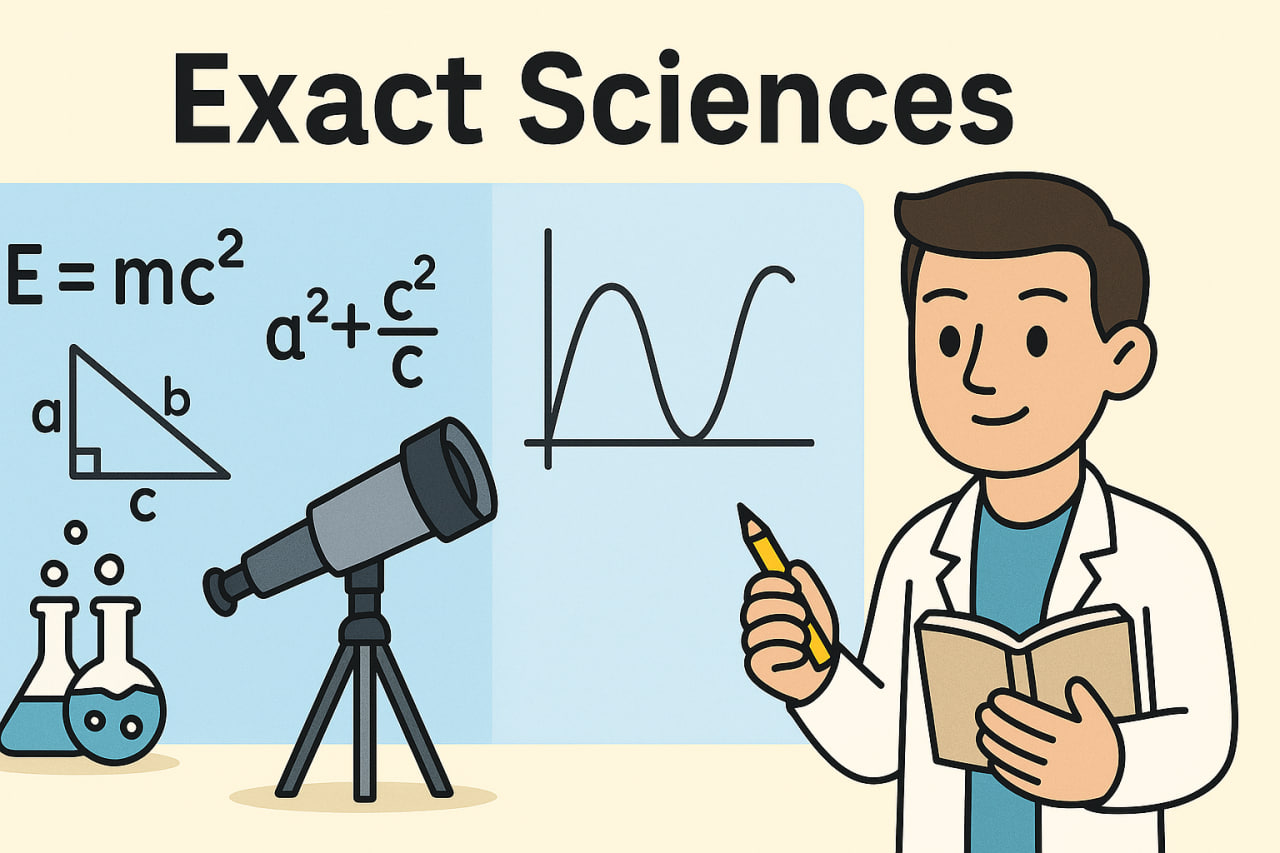
Exact sciences are branches of knowledge that rely on precise measurements, logical reasoning, and mathematical models to describe and predict natural phenomena.
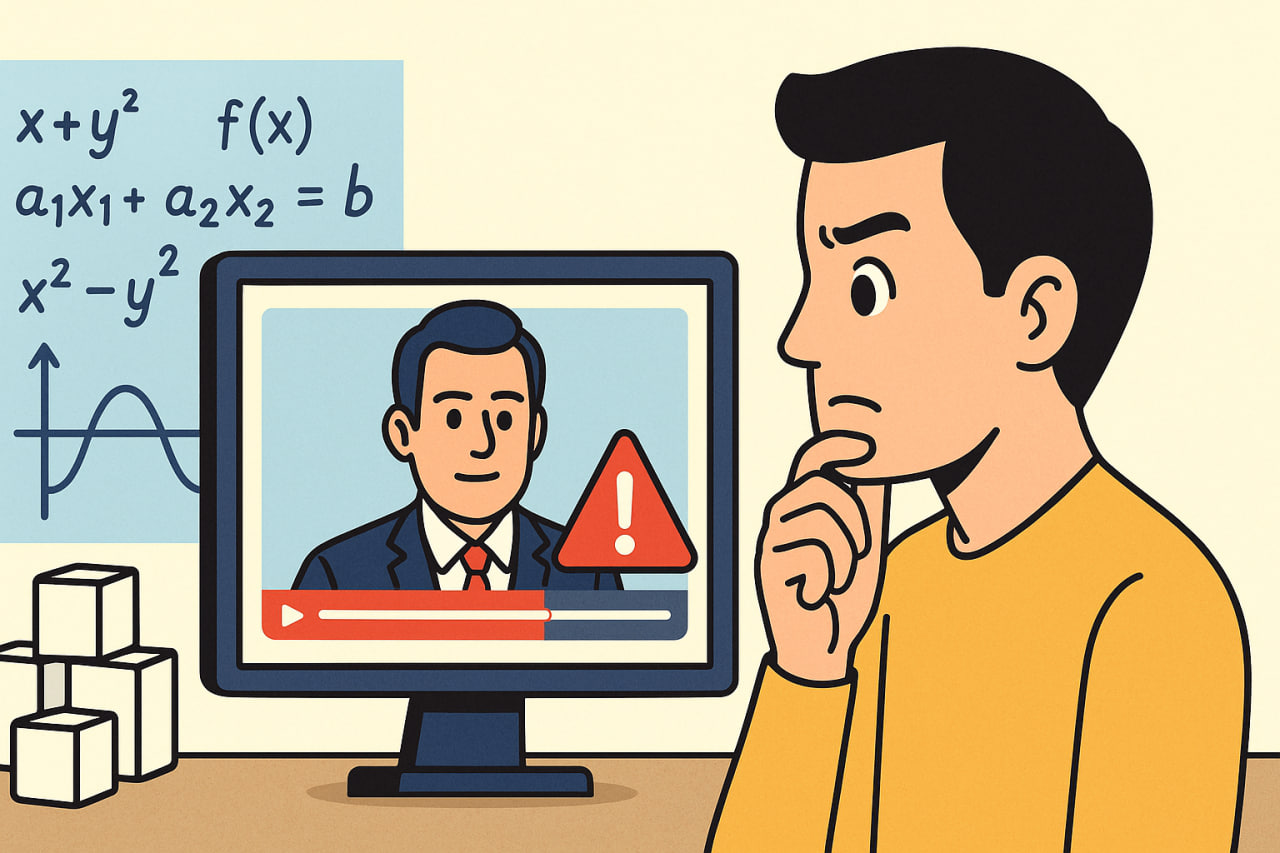
A deepfake is a type of synthetic media created using artificial intelligence (AI) and machine learning techniques, especially deep neural networks. The term comes from “deep learning” and “fake.
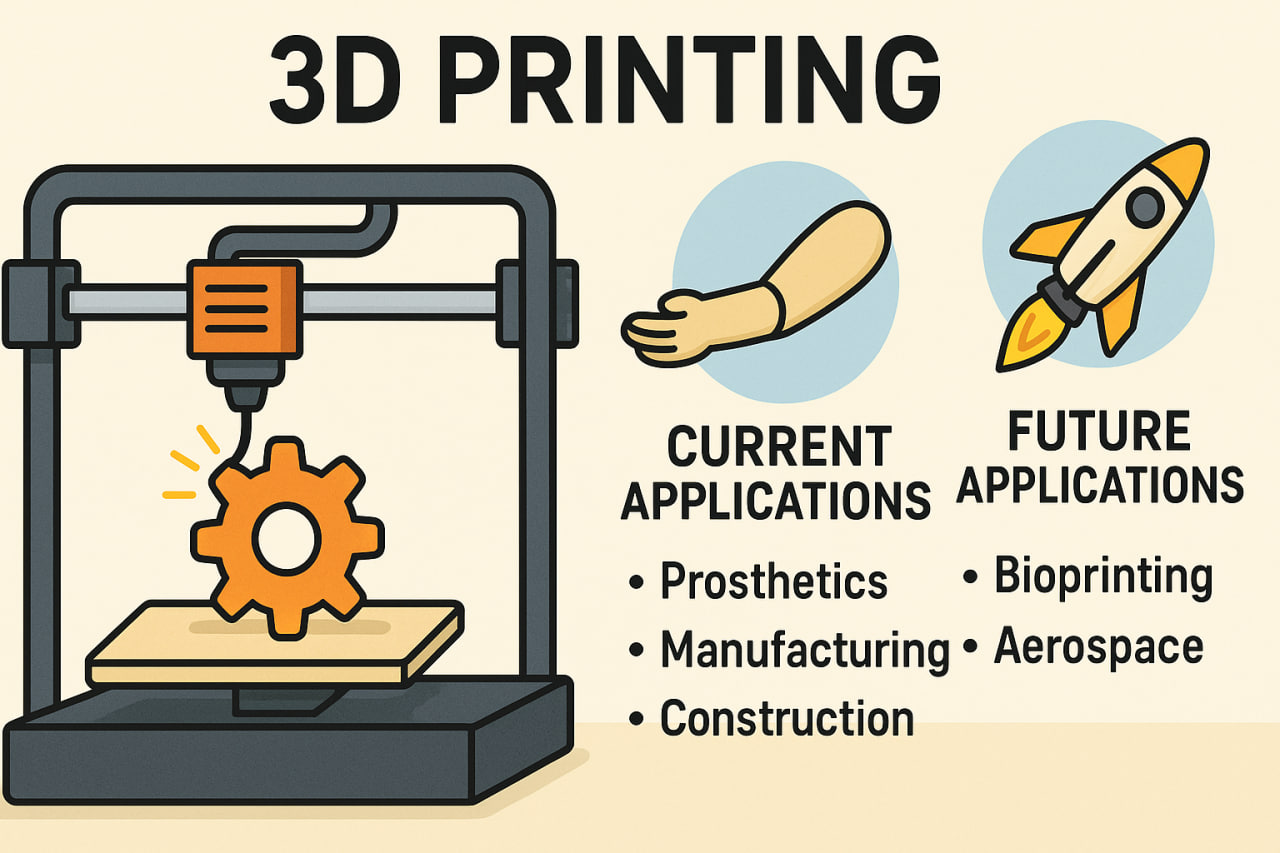
3D printing, also known as additive manufacturing, is a technology that builds objects layer by layer using materials such as plastics, metals, ceramics, or even biological tissue.

Artificial intelligence (AI) is a powerful tool that can improve many aspects of life, but it also carries risks.

Algebra is a fundamental branch of mathematics that deals with symbols and the rules for manipulating them.
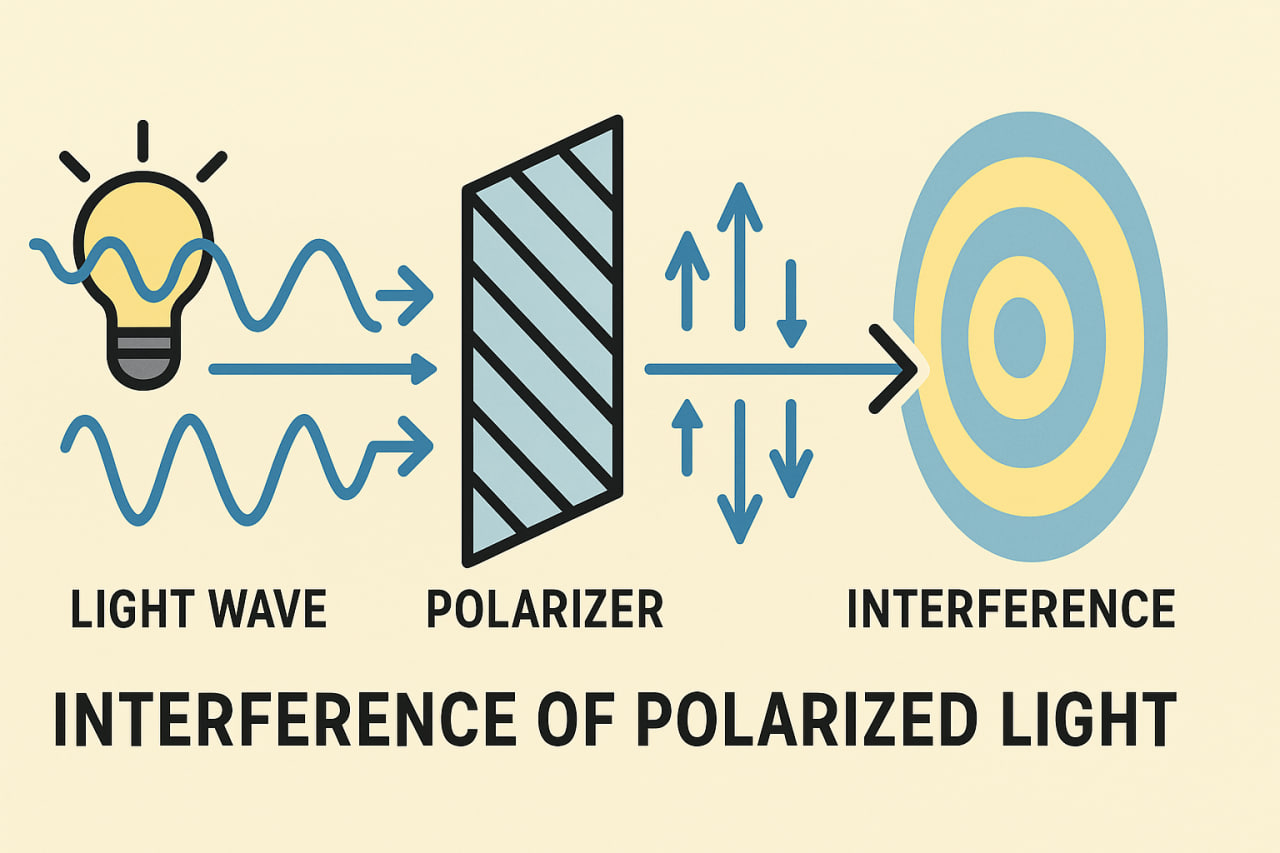
Interference is a physical phenomenon that occurs when two or more waves overlap, resulting in a new wave pattern.