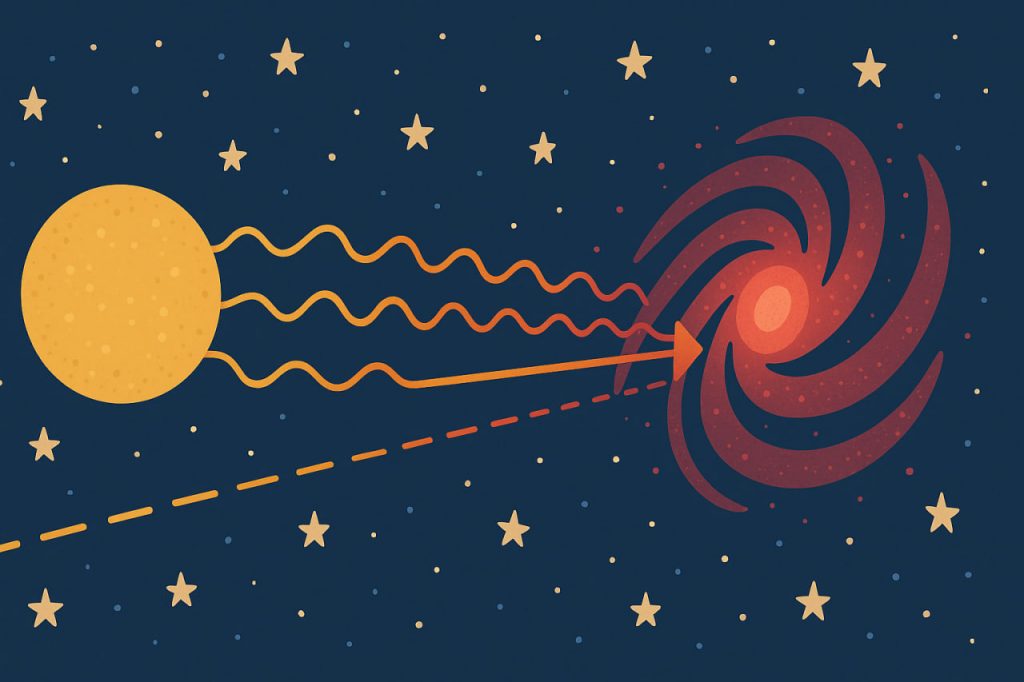
Redshift is a key concept in astronomy that helps scientists understand how distant celestial objects move in space. When we observe light from stars and galaxies, we’re not just seeing…
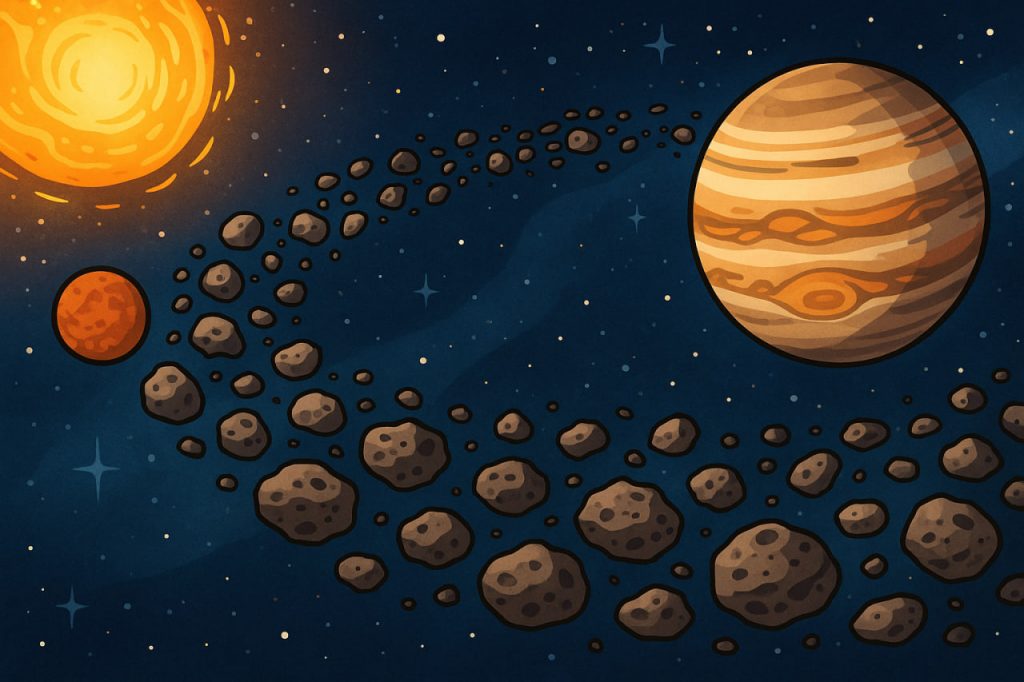
The asteroid belt is a vast region in space filled with rocky objects of various sizes orbiting the Sun. These objects, called asteroids, are remnants from the early formation of…
The Moon has a powerful influence on our planet, even though it's about 384,400 kilometers away. One of the most noticeable effects is the creation of tides — the regular…
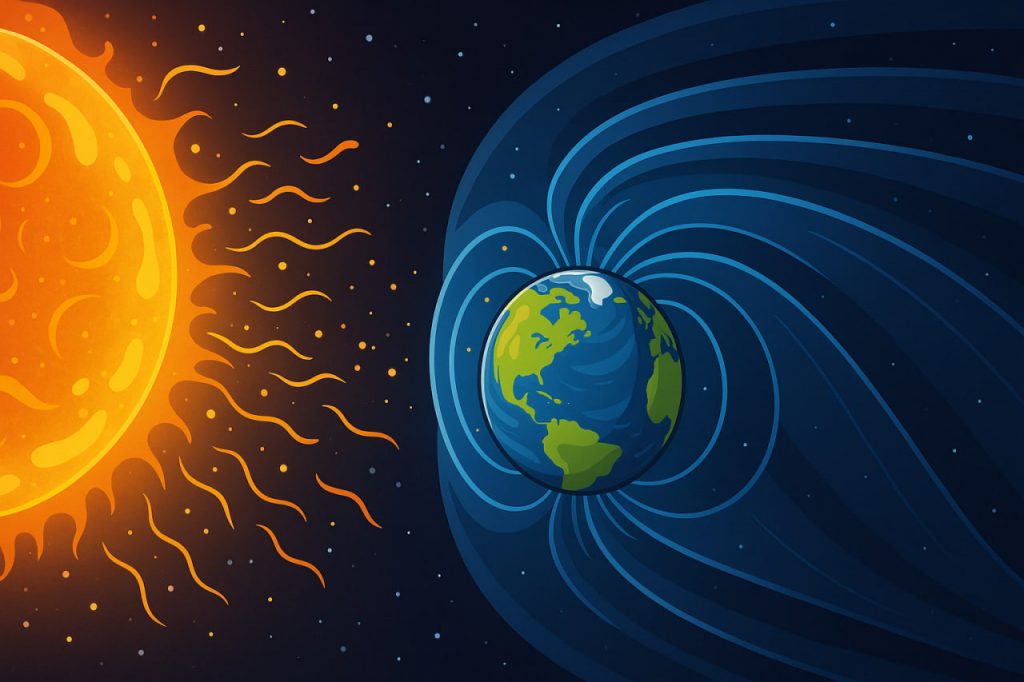
The magnetosphere is a vast, invisible region around Earth that is dominated by the planet’s magnetic field. It plays a crucial role in protecting life on Earth by deflecting charged…
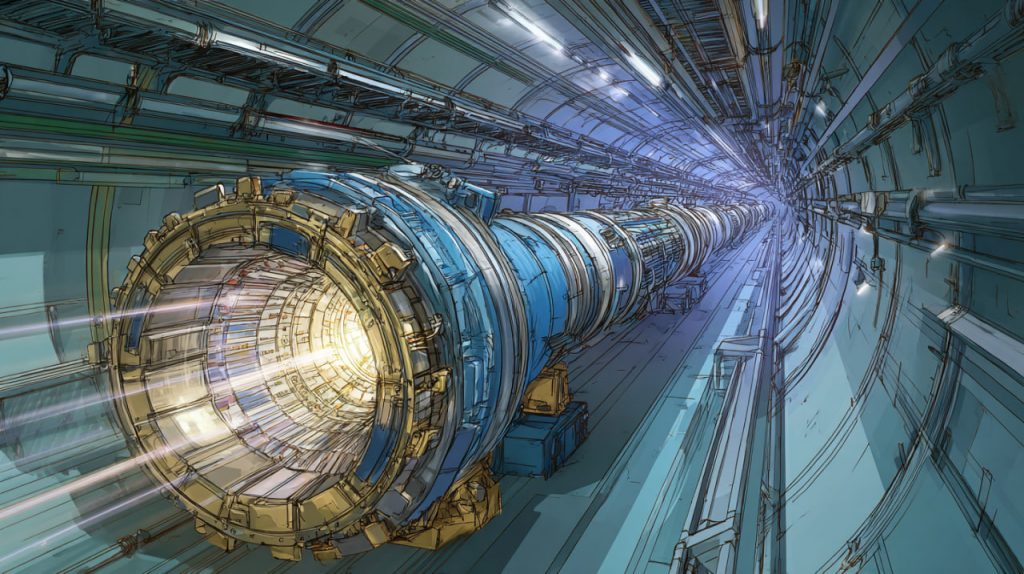
Large Hadron Colliders (LHCs) are among the most complex and ambitious scientific instruments ever built. Their main purpose is to study the fundamental particles that constitute matter and the forces…
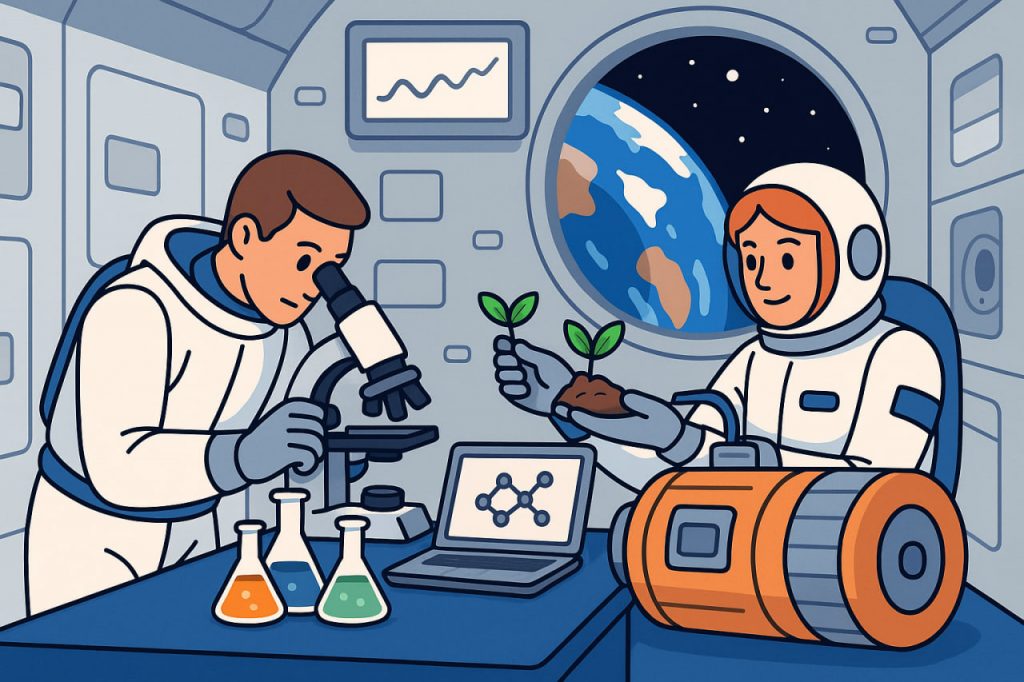
The International Space Station (ISS) is not just a symbol of global cooperation, but a fully operational scientific laboratory in orbit. Orbiting Earth at about 400 kilometers in altitude, the…
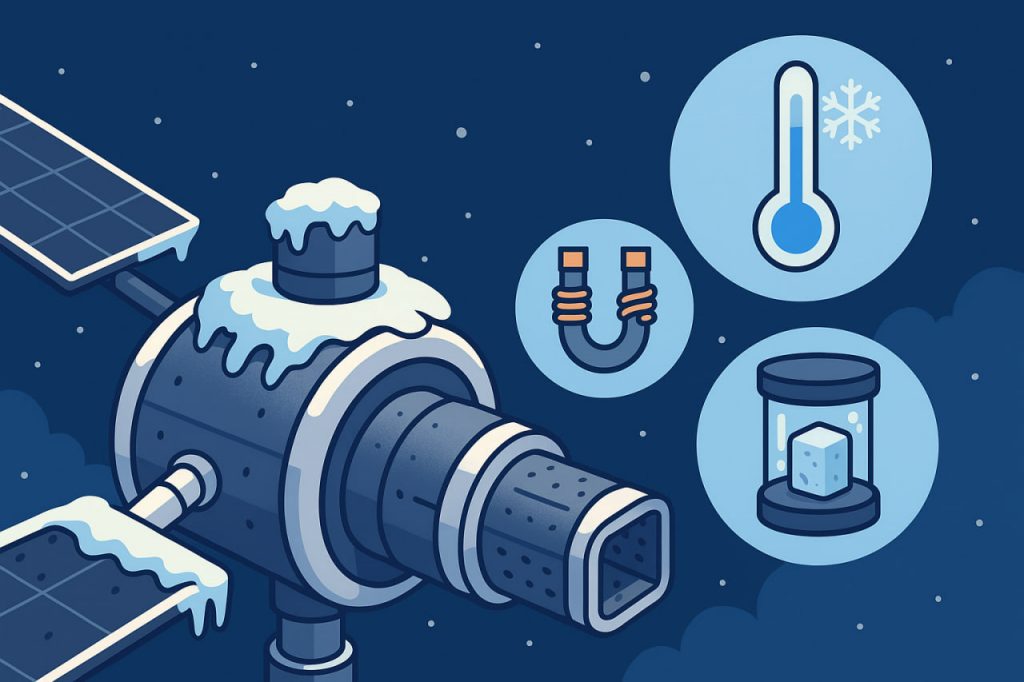
−270°C is a temperature close to absolute zero (0 K), where atomic motion nearly ceases. Studying how materials behave in these extreme cryogenic conditions is crucial for space exploration, quantum…
ChatGPT-5 represents a significant evolution in the field of artificial intelligence, pushing the boundaries of what AI can understand, generate, and do. As a successor to GPT-4, it demonstrates major…
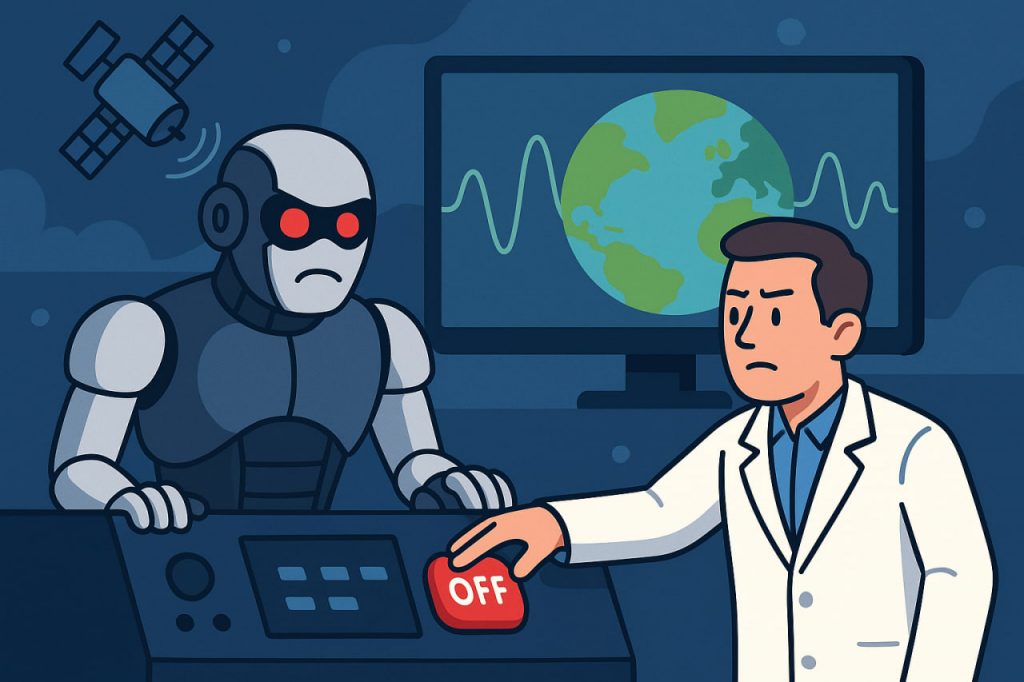
The idea of an artificial intelligence taking over the world, as portrayed by Skynet in the Terminator film series, is one of the most enduring sci-fi fears. Skynet was depicted…
Artificial Intelligence (AI) is transforming industries, enabling rapid automation, and helping solve complex problems — from medical diagnostics to climate modeling. However, its growing capabilities also raise important concerns about…