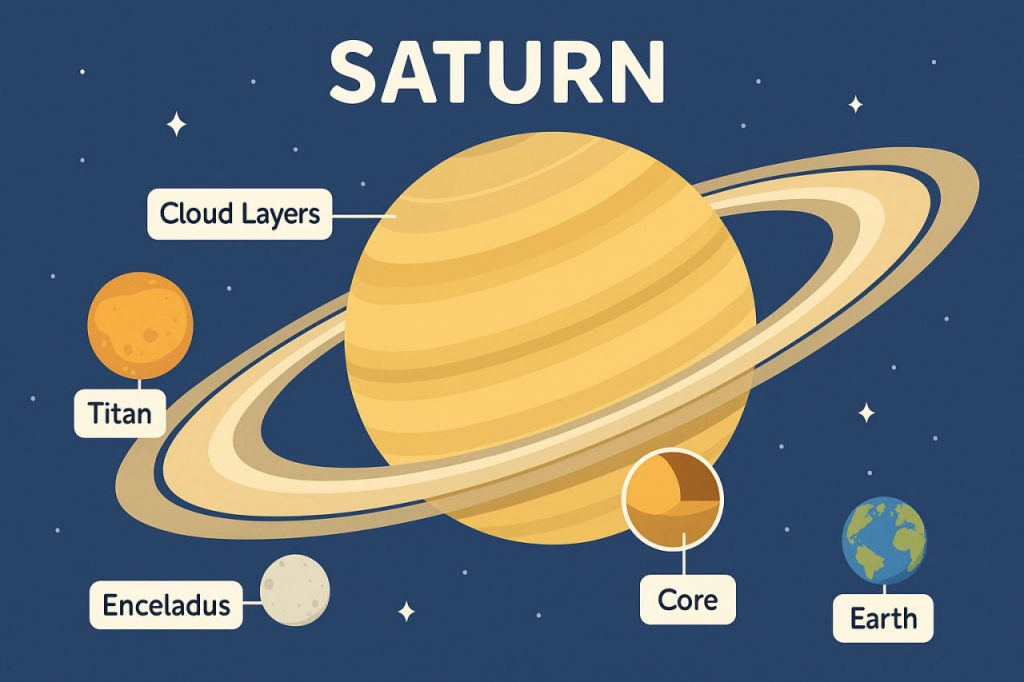
Saturn is the sixth planet from the Sun and the second-largest in our Solar System. It is best known for its spectacular ring system, which sets it apart from all…
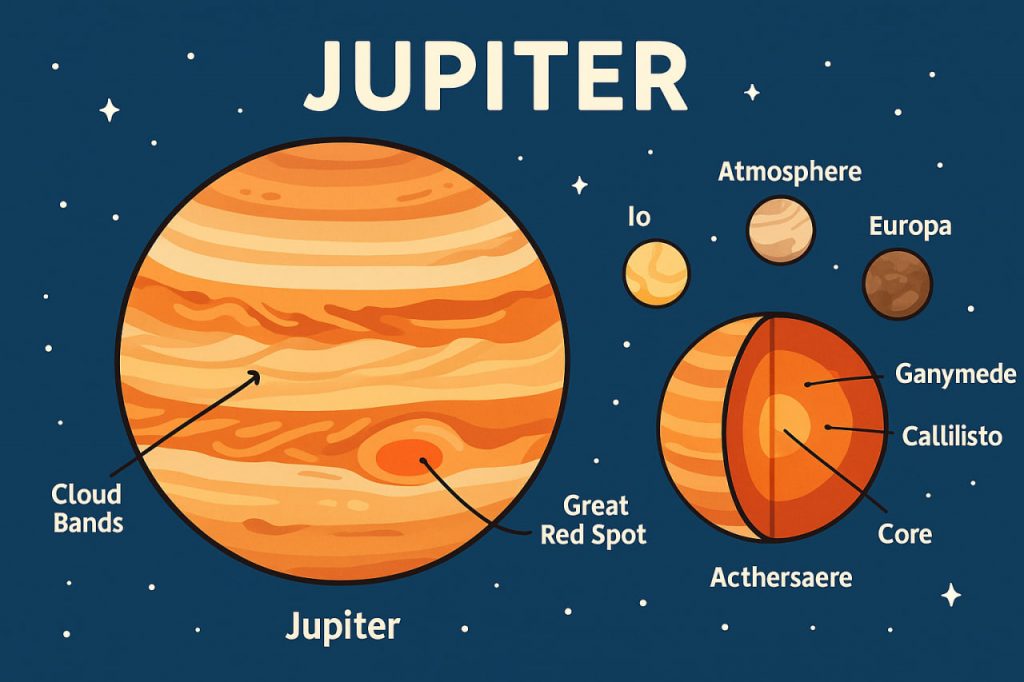
Jupiter is the largest planet in our Solar System, more massive than all the other planets combined. Known for its swirling storms, colorful bands, and immense size, Jupiter is a…
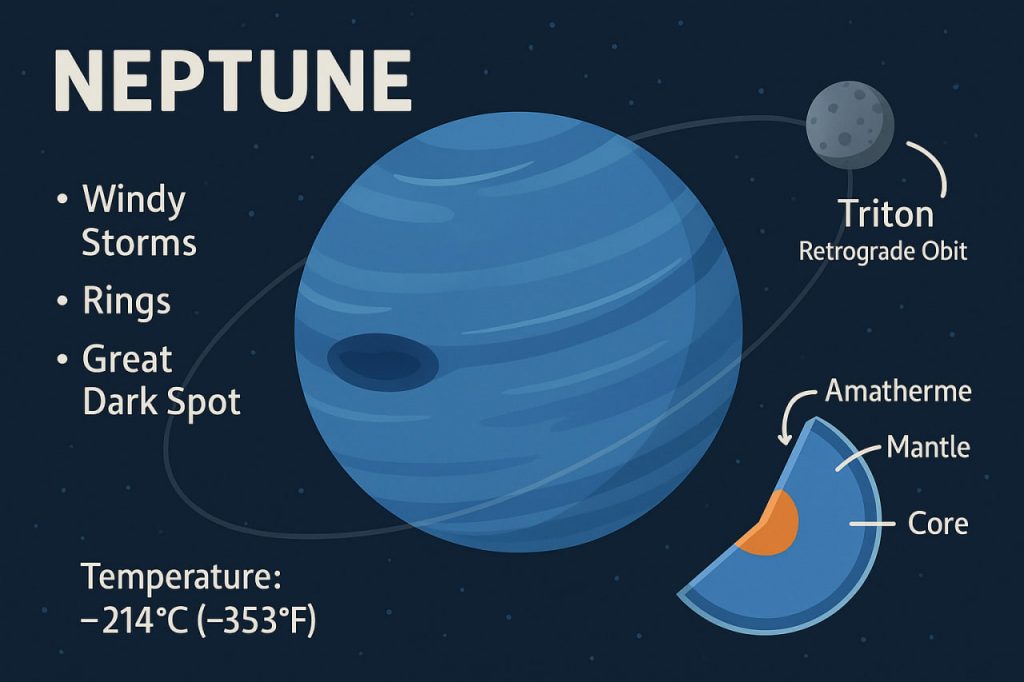
Neptune is the eighth and farthest planet from the Sun in our Solar System. Known for its deep blue color and dynamic weather systems, Neptune is a gas giant and…
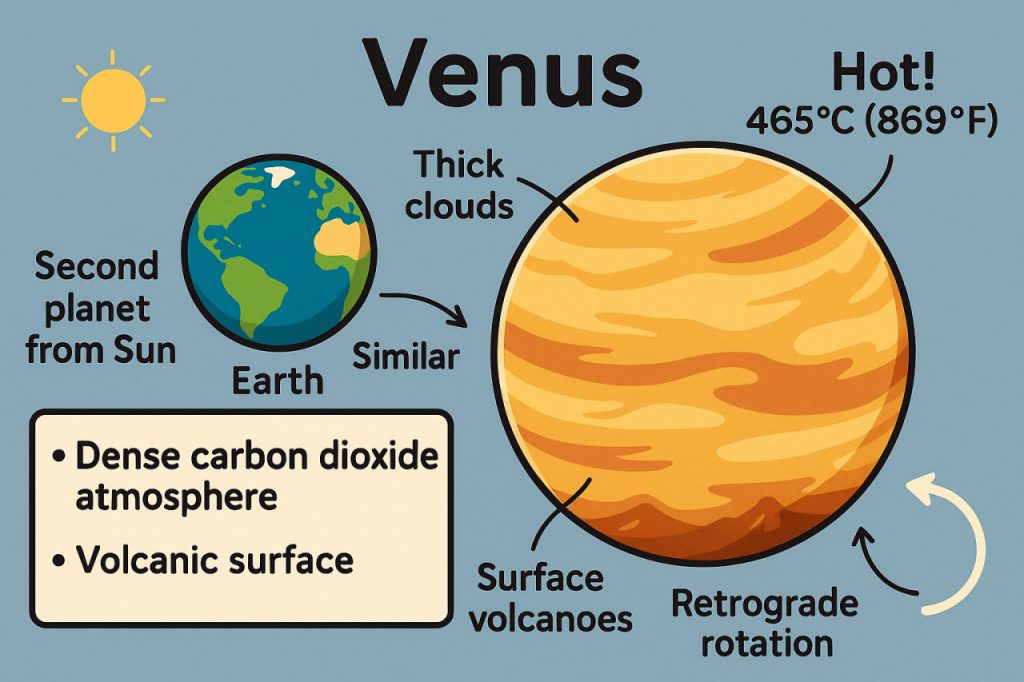
Venus is the second planet from the Sun and is often called Earth’s "twin" due to its similar size and composition. However, beneath its cloudy veil, Venus is a scorching,…
Genetics is the science that studies genes, DNA, and heredity—how traits are passed from one generation to the next. It is one of the most important fields in modern biology,…
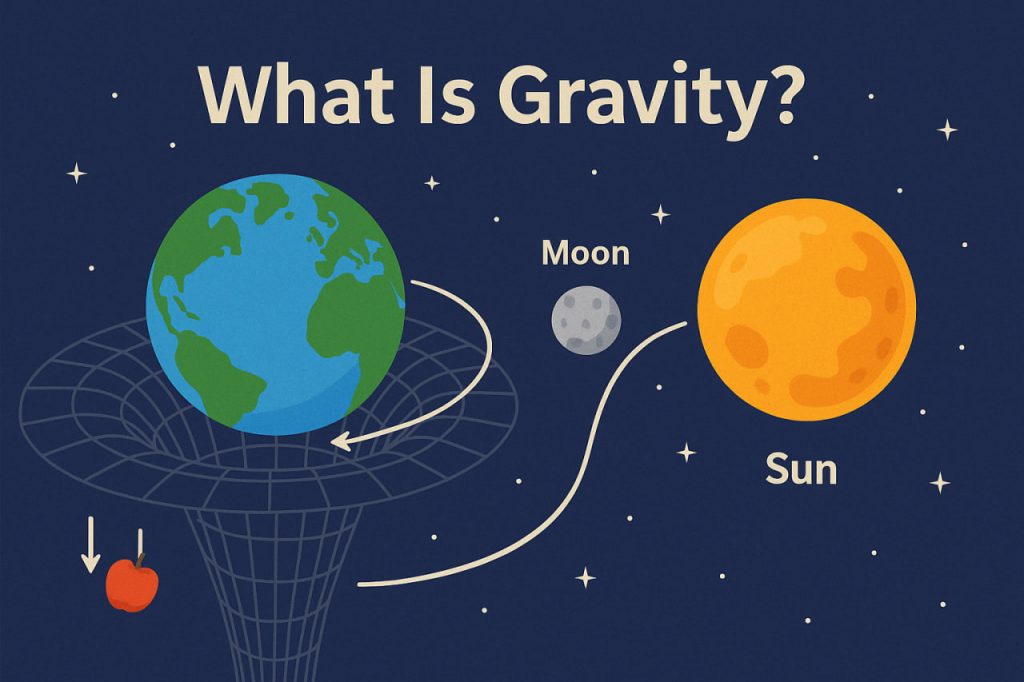
Gravity is one of the most fundamental forces in nature. Though invisible, it affects everything with mass—from the fall of an apple to the orbits of planets and the formation…
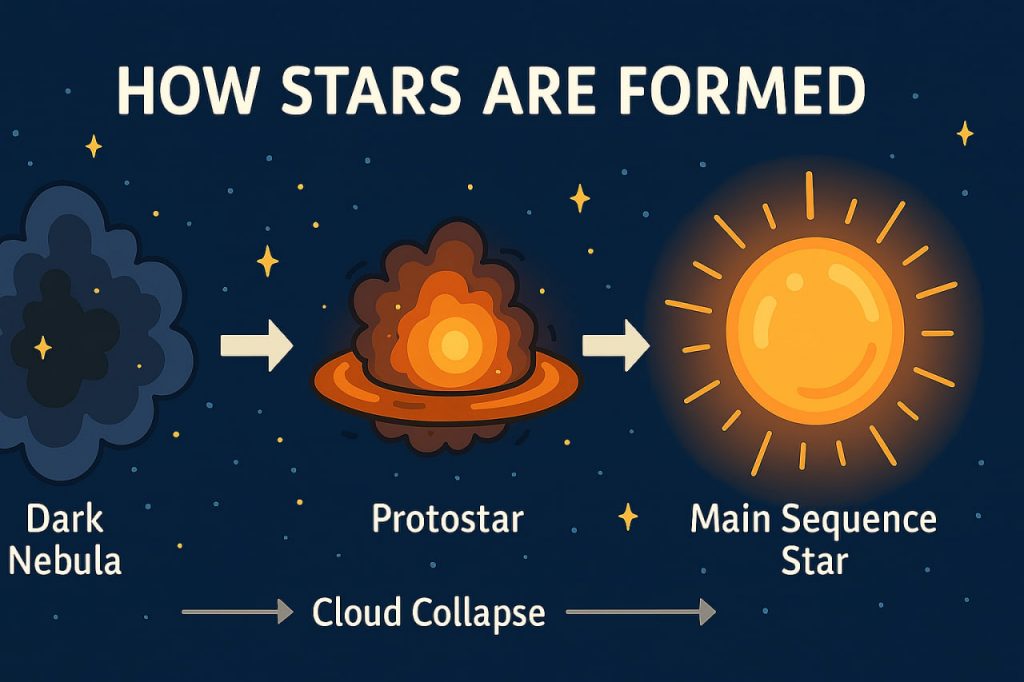
Stars are massive spheres of glowing gas that shine with energy produced by nuclear fusion. Every star—including our Sun—was born from cosmic clouds in deep space. The process of star…
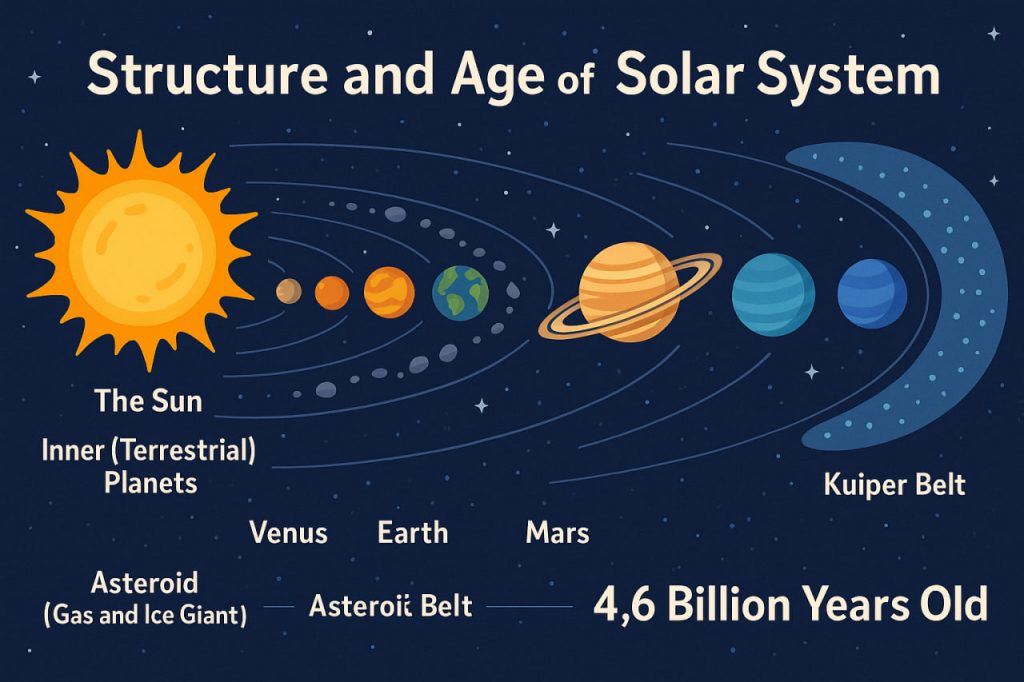
The Solar System is a complex and dynamic system of planets, moons, asteroids, comets, and other celestial bodies orbiting our central star—the Sun. It’s our cosmic neighborhood, and its structure…
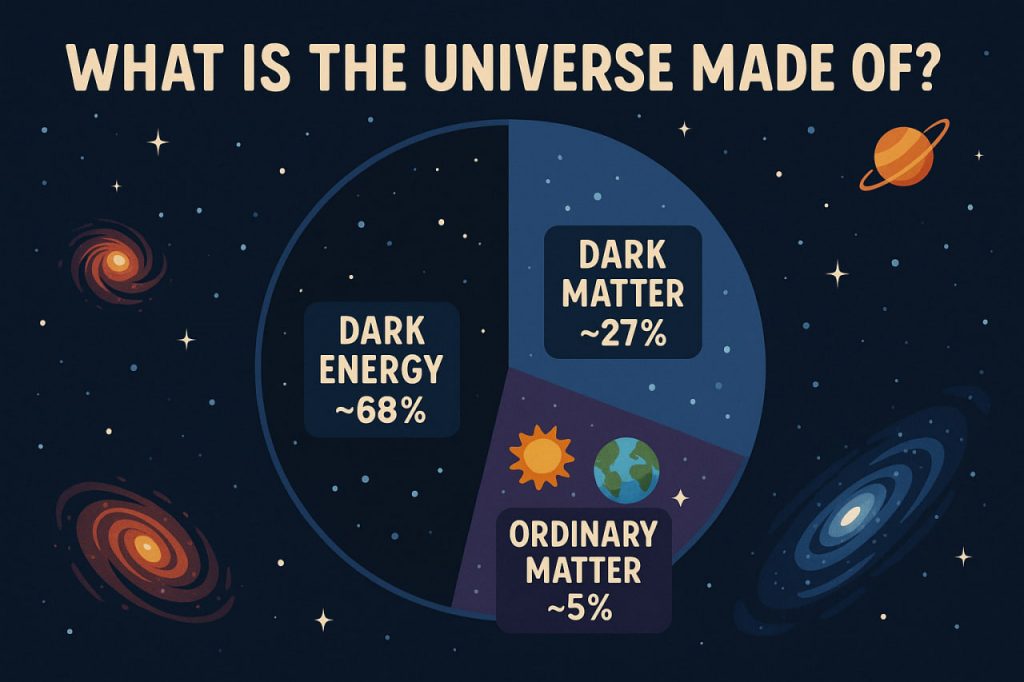
The universe is vast, mysterious, and full of wonders—from stars and planets to invisible forces we can barely comprehend. But what exactly is it made of? Modern astrophysics tells us…
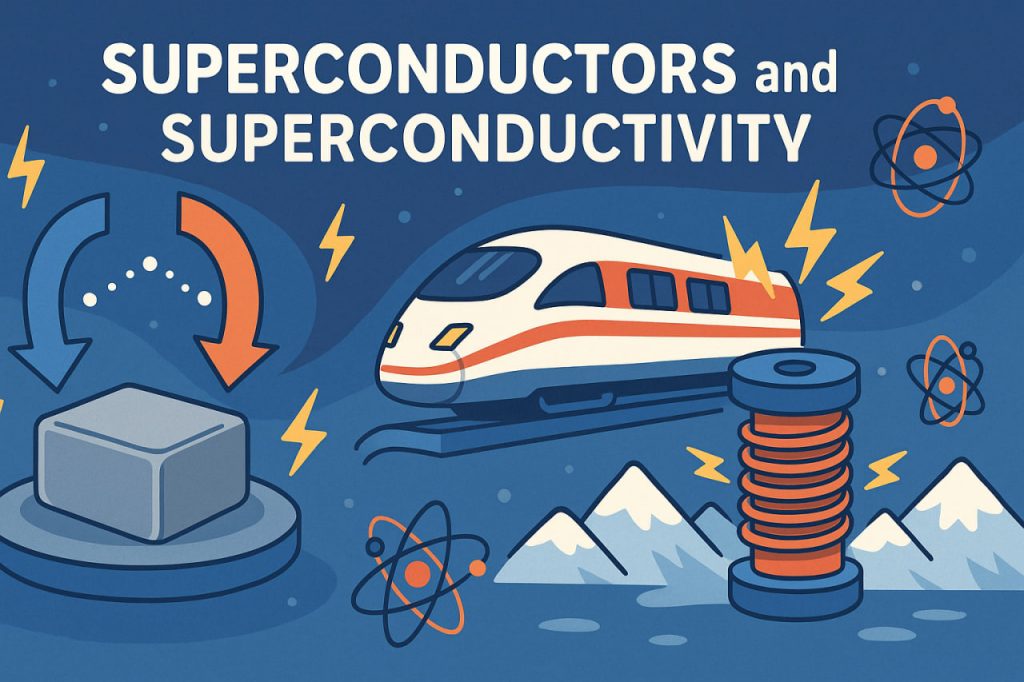
Superconductors are materials that can conduct electricity with zero resistance when cooled below a certain critical temperature. This phenomenon, known as superconductivity, is one of the most fascinating discoveries in…