Hi-Tech

How Neutrinos Are Detected and What They Tell Us
Hi-Tech Science New Discoveries

How Neutrinos Are Detected and What They Tell Us

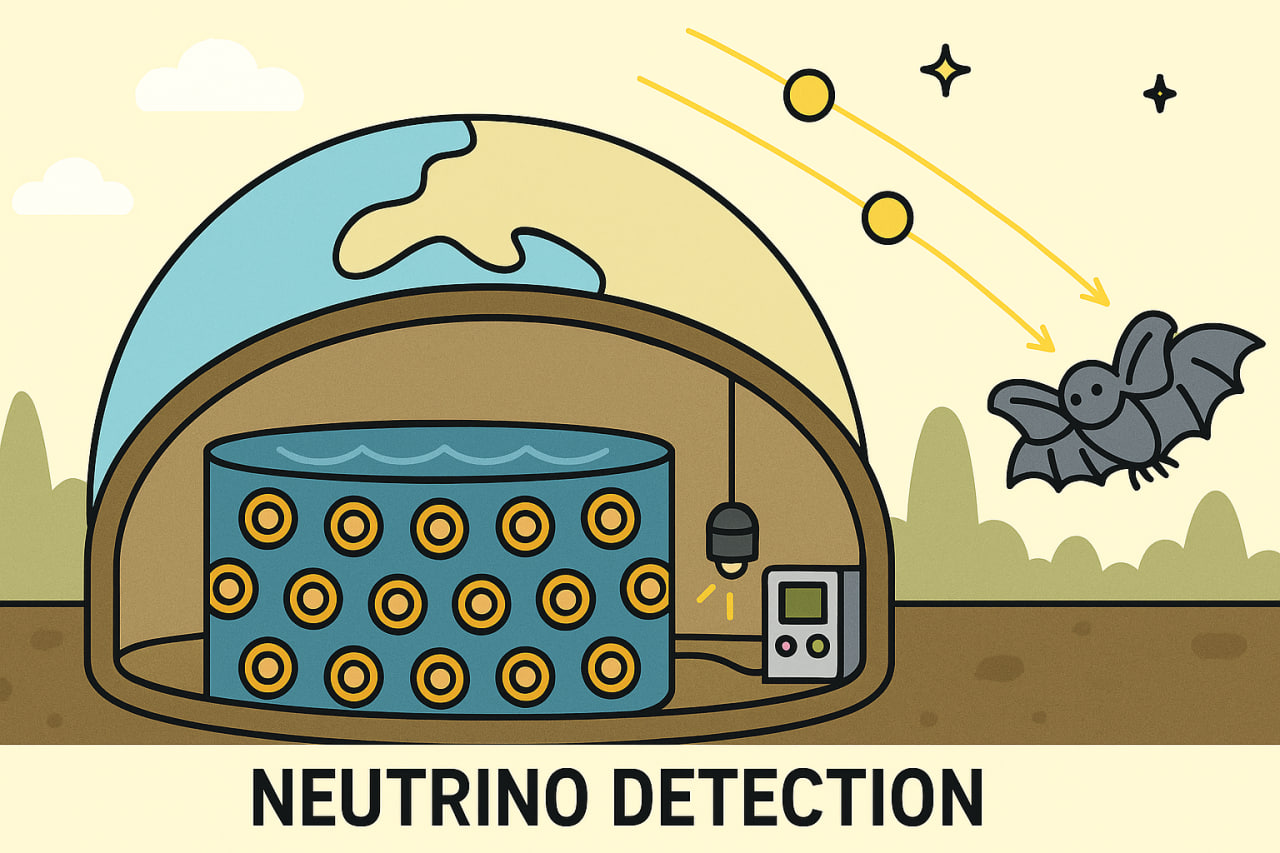
Neutrinos are extremely difficult to detect because they interact only via the weak nuclear force and gravity. Unlike charged particles, they do not interact with electromagnetic fields, meaning they pass through matter almost without a trace. This makes them nearly invisible to ordinary detectors.
Nuclear Power Plant with a Closed Cycle
Hi-Tech Science

Nuclear Power Plant with a Closed Cycle

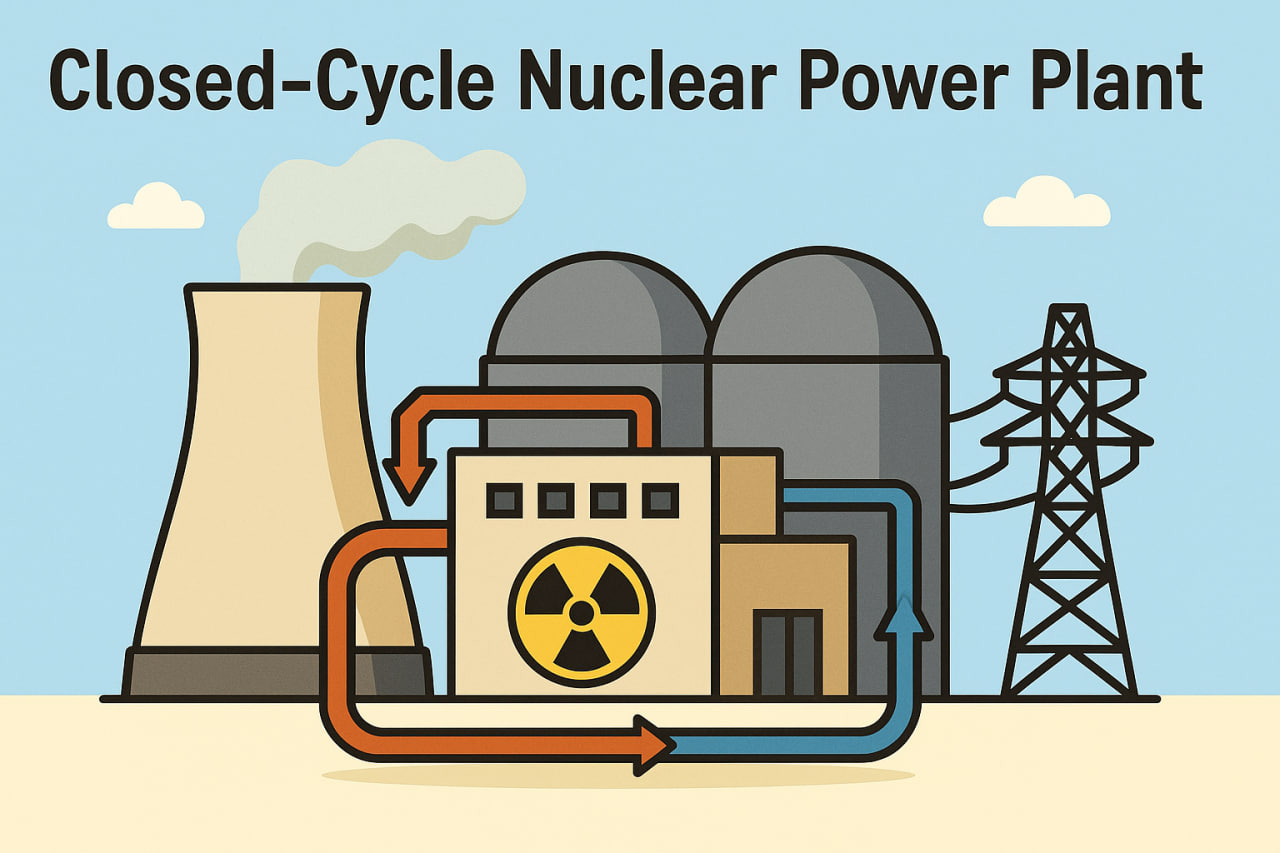
A closed-cycle nuclear power plant is a type of nuclear facility where the nuclear fuel cycle is designed to reuse materials and minimize waste. Unlike the traditional open cycle, in which spent fuel is treated as waste, the closed cycle allows for the recycling of valuable components such as uranium and plutonium, reducing the need for fresh resources and lowering radioactive waste volumes.

How to Turn Wind into Electricity
Hi-Tech Science Be Smart

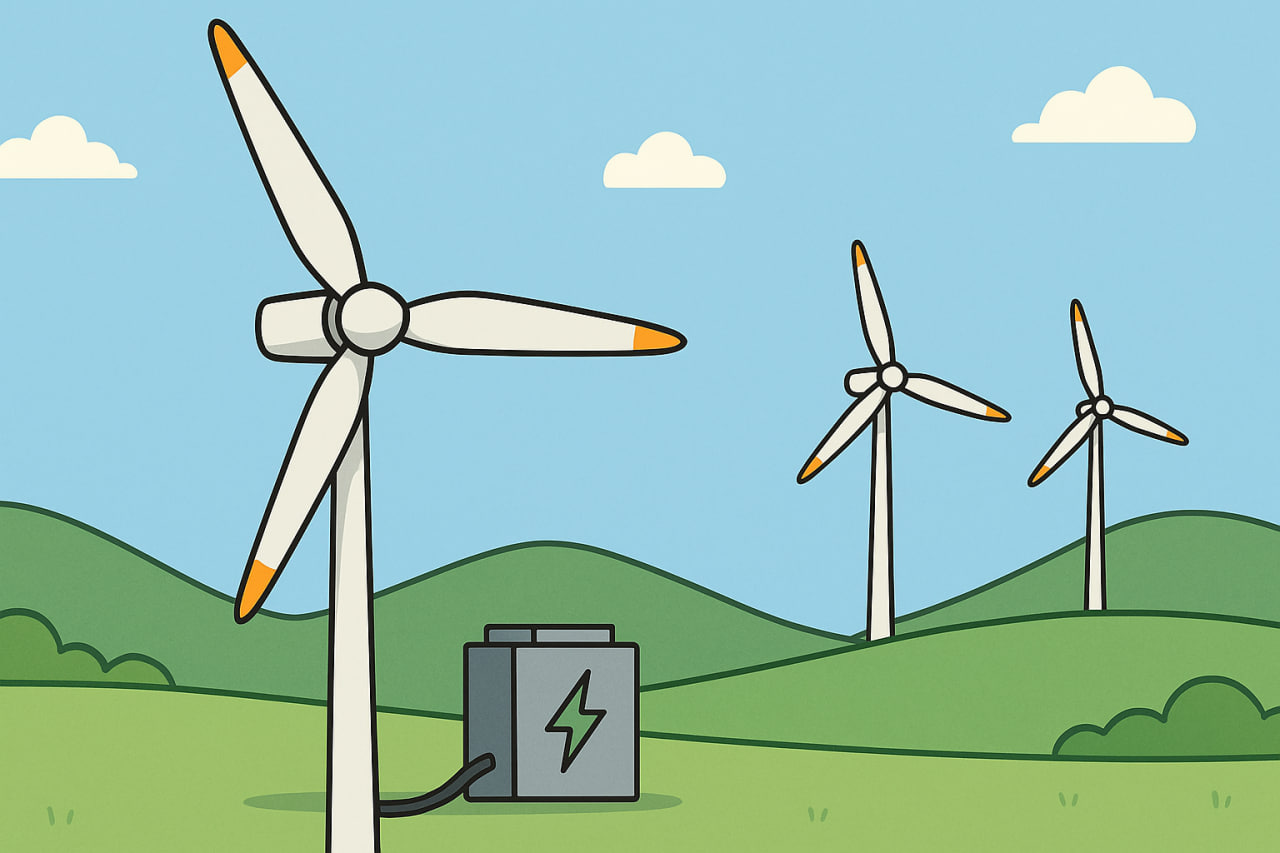
How to Turn Wind into Electricity

Wind energy is a form of renewable energy that converts the kinetic energy of moving air into usable electricity. It is one of the fastest-growing energy sources in the world, helping reduce reliance on fossil fuels and lowering greenhouse gas emissions. Wind power is clean, sustainable, and available in many regions across the globe.

Geothermal Energy: Power from Earth’s Heat
Hi-Tech New Discoveries Be Smart

Geothermal Energy: Power from Earth’s Heat

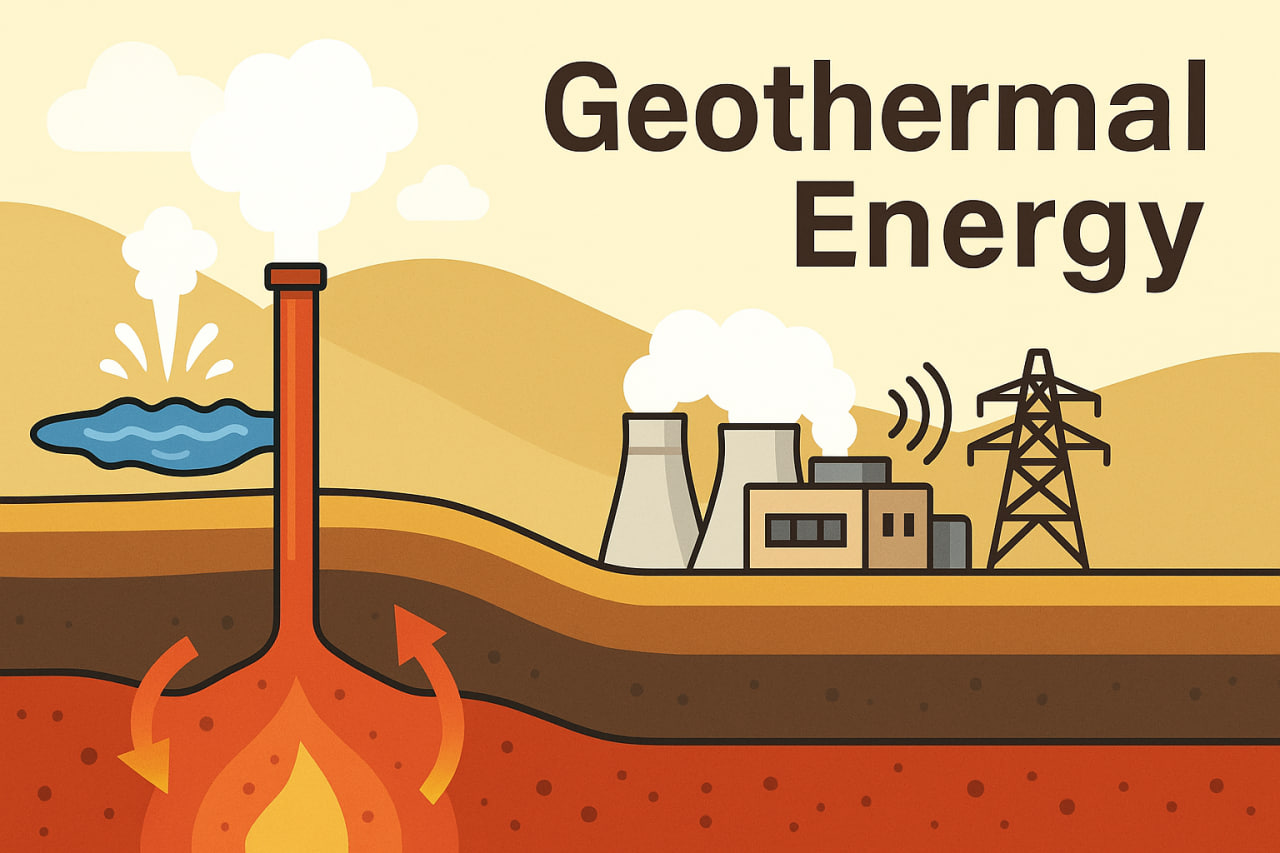
Geothermal energy is a form of renewable energy that harnesses heat stored beneath Earth’s surface. This heat originates from the planet’s formation and the natural radioactive decay of minerals in the mantle and crust. Geothermal energy can be used directly for heating buildings and water or converted into electricity through specialized power plants.

Green Energy: Powering a Sustainable Future
Hi-Tech Science New Discoveries

Green Energy: Powering a Sustainable Future

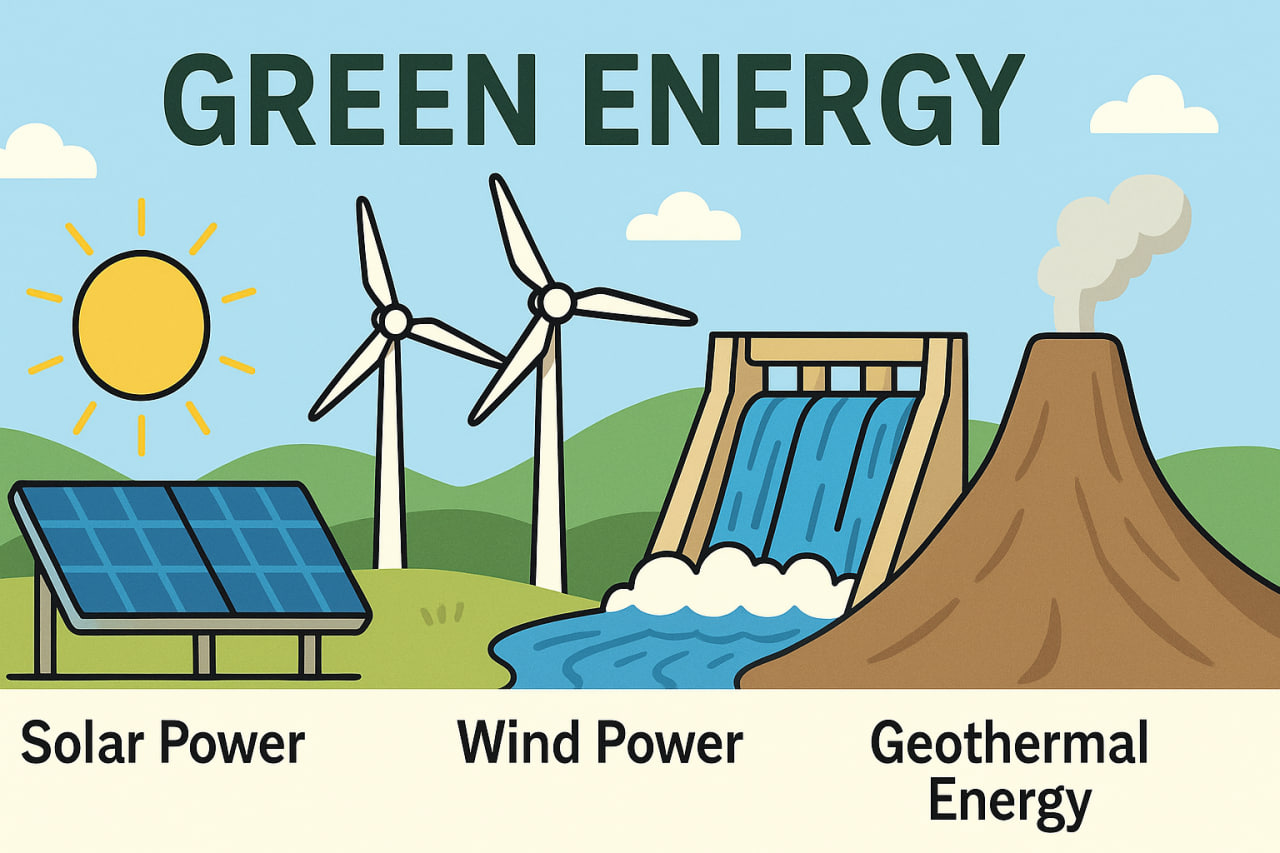
Green energy refers to power produced from renewable, environmentally friendly sources that generate little or no greenhouse gas emissions. Unlike fossil fuels, green energy relies on natural processes such as sunlight, wind, and water flow. Its goal is to provide clean, sustainable electricity while reducing the negative impact of energy production on the climate and ecosystems.

3D Printing: Current Possibilities and Future Perspectives
Hi-Tech Smart Technology New Discoveries

3D Printing: Current Possibilities and Future Perspectives

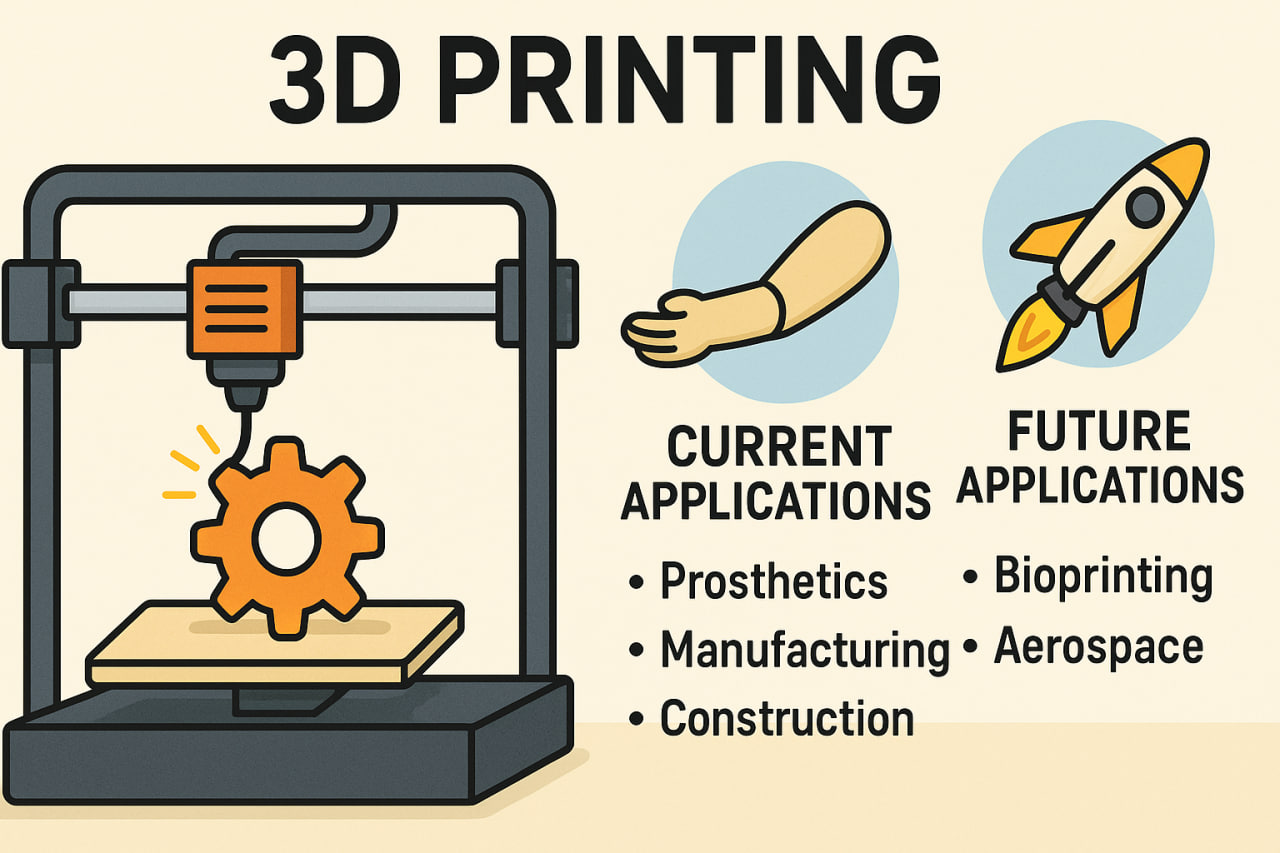
3D printing, also known as additive manufacturing, is a technology that builds objects layer by layer using materials such as plastics, metals, ceramics, or even biological tissue. Unlike traditional manufacturing, which removes material by cutting or shaping, 3D printing adds material only where needed, reducing waste. This flexibility allows the creation of complex shapes that would be impossible with conventional methods.

Robotics: History and Modern Developments
Hi-Tech Smart Technology New Discoveries

Robotics: History and Modern Developments

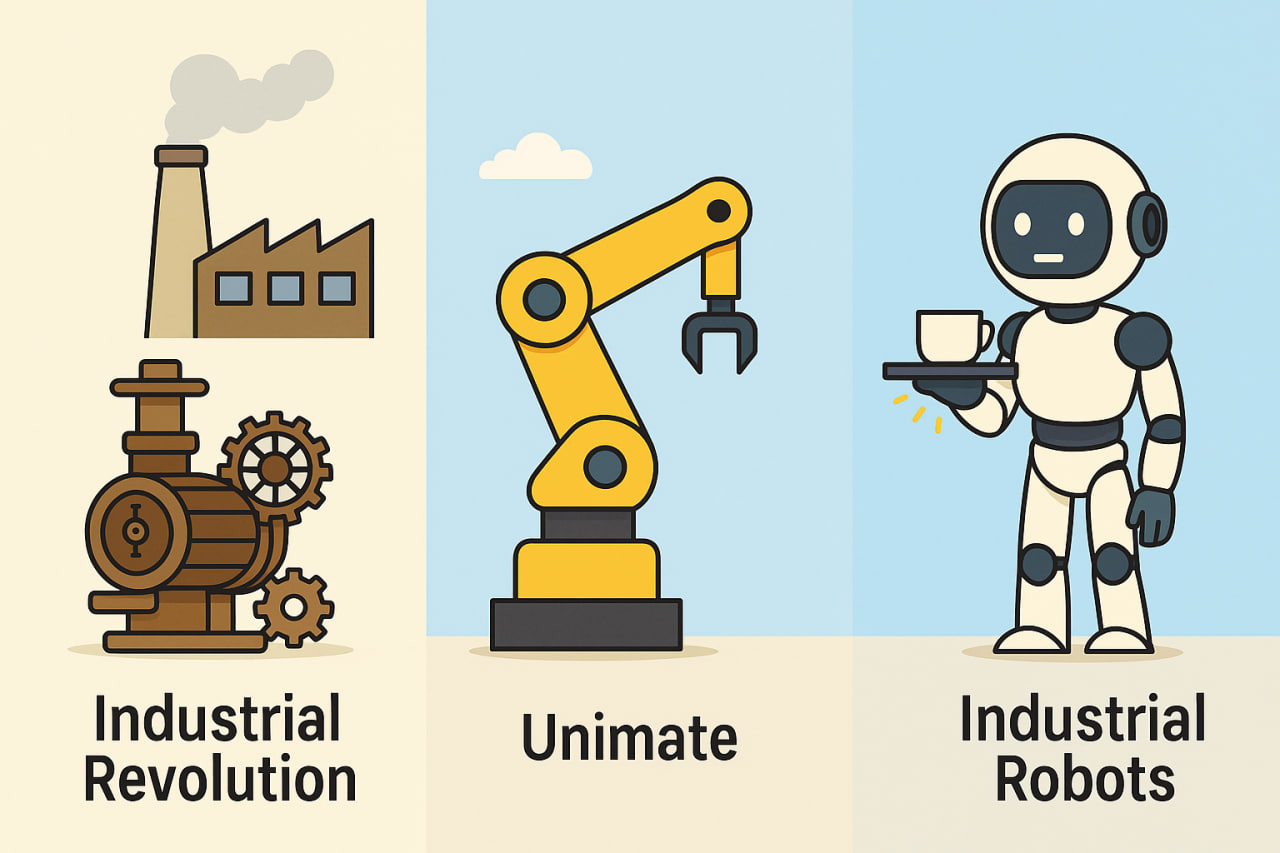
The concept of robotics dates back thousands of years, long before modern technology. Ancient inventors created automata, self-operating machines powered by water, air, or mechanical gears. In ancient Greece, engineers like Hero of Alexandria built devices such as automated theaters and early mechanical toys. In medieval times, clockmakers in Europe constructed mechanical figures that moved with precision. These inventions were not true robots, but they demonstrated humanity’s desire to imitate life through machines.

Drones: Technology, Uses, and Future Perspectives
Hi-Tech Smart Technology New Discoveries

Drones: Technology, Uses, and Future Perspectives

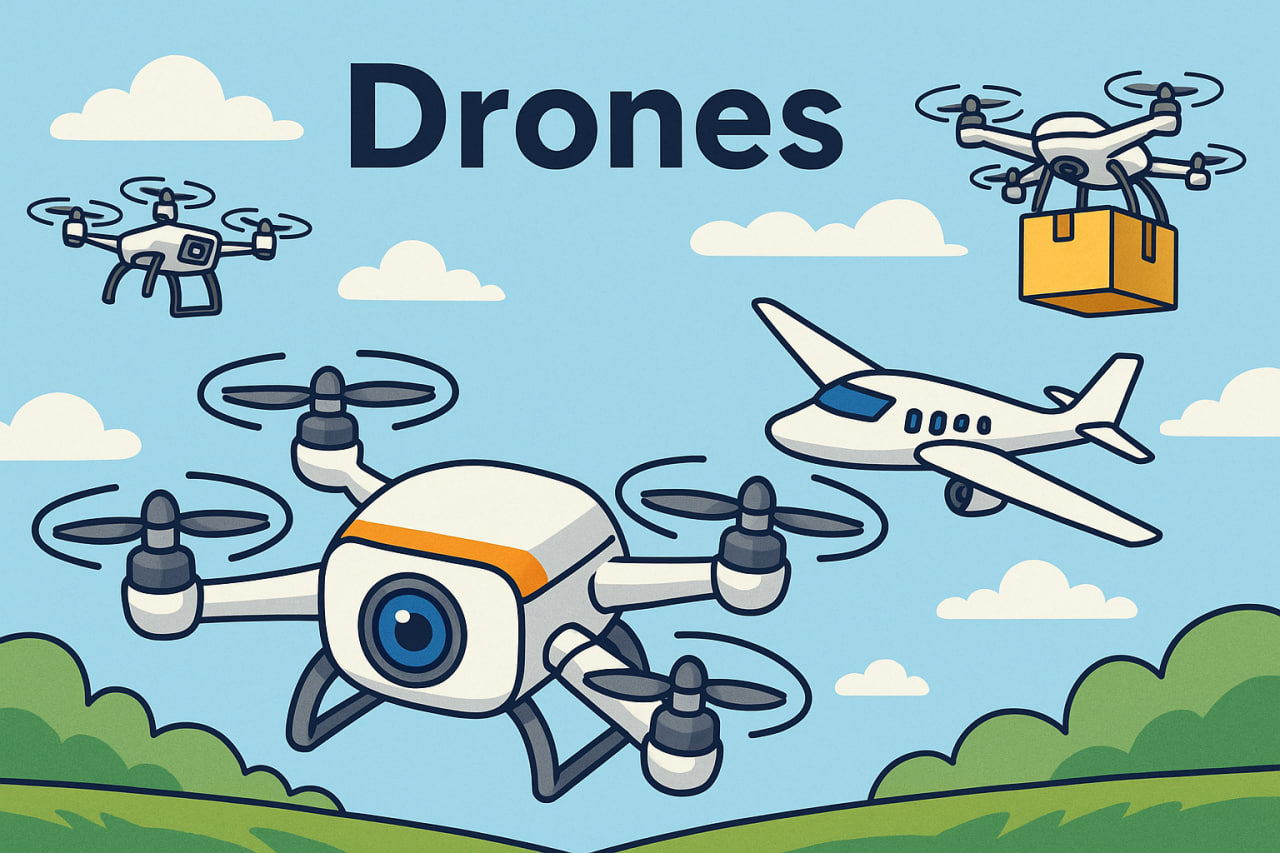
Drones, also known as unmanned aerial vehicles (UAVs), are aircraft that operate without a human pilot on board. They can be remotely controlled by operators or fly autonomously using onboard sensors and navigation systems. Originally developed for military purposes, drones have expanded into many civilian applications. Today, they are used in photography, delivery services, agriculture, emergency response, and scientific research. Their flexibility and adaptability make them one of the fastest-growing technologies of the 21st century.

Compass: History and Modern Use
Hi-Tech Smart Technology New Discoveries

Compass: History and Modern Use

The compass is one of humanity’s most important navigation tools. It revolutionized exploration by allowing people to determine direction regardless of the weather or visible landmarks. From ancient seafarers to modern hikers, the compass remains a symbol of guidance and discovery.

Space Probes: Humanity’s Messengers Beyond Earth
Space Stories Hi-Tech Smart Technology

Space Probes: Humanity’s Messengers Beyond Earth

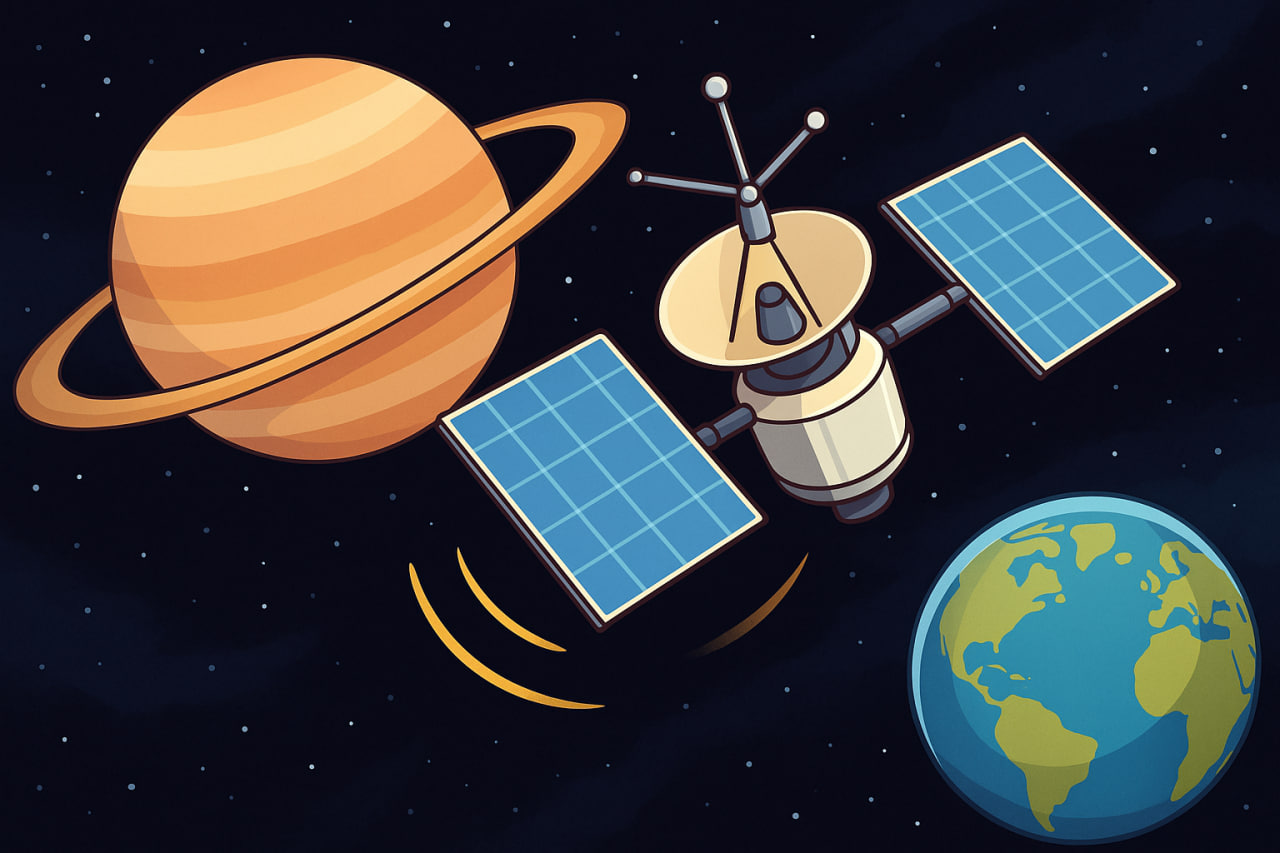
Space probes are unmanned spacecraft designed to explore the Solar System and beyond. Unlike satellites that orbit Earth, space probes travel far into space to study planets, moons, comets, asteroids, and even interstellar space. They are essential tools for advancing our understanding of the universe without risking human lives in dangerous and distant missions.