
The History of the Internet: From Military Research Networks to a Global Communication System
The internet was no longer one experimental network. It had become an expanding collection of interconnected systems.

The internet was no longer one experimental network. It had become an expanding collection of interconnected systems.

Imagine trying to store thousands of photographs on a machine that fills an entire room. Just a few generations ago, this would have been an extraordinary technological challenge.

For thousands of years, humans have looked toward the night sky and wondered what exists beyond Earth. The Sun, Moon, planets, and stars inspired mythology, philosophical debates, and eventually scientific investigation.

An umbrella seems like one of the simplest objects in everyday life. Open it when rain begins, close it when the sky clears, and carry it until the next storm.

Perfume is one of humanity’s oldest forms of personal expression. Long before modern fragrance bottles appeared on dressing tables, aromatic resins, woods, flowers, oils, and spices were burned in temples, applied to the body, and used in ceremonies.

Few scientists symbolize the moral complexity of modern science as strongly as J. Robert Oppenheimer.
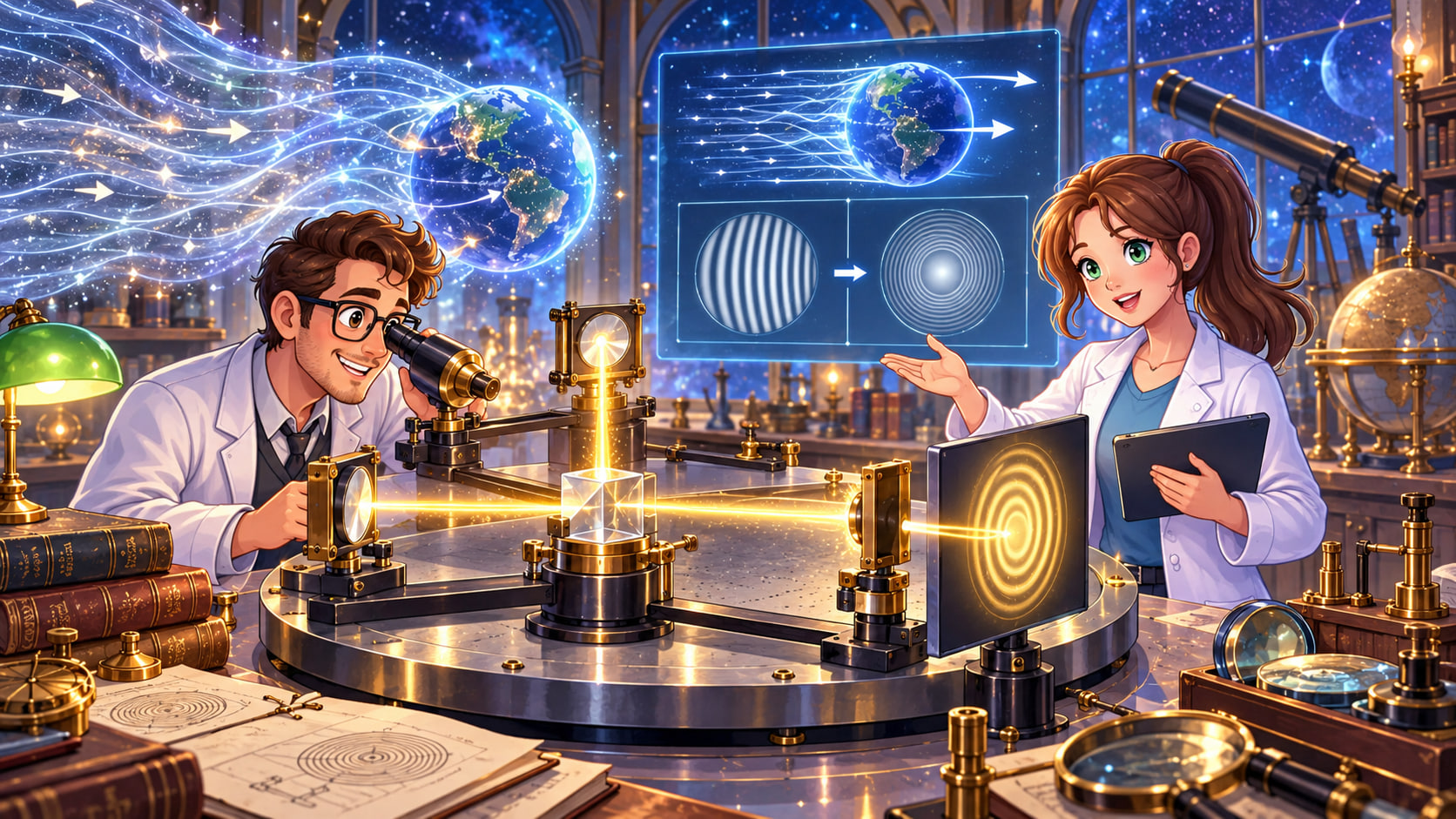
Science advances through ideas, calculations, observations, and debate. But some of its most important turning points come from experiments that force researchers to reconsider assumptions that once seemed obvious.

Science is often described as a steady accumulation of facts. New discoveries are added, old mistakes are corrected, and knowledge gradually becomes more accurate.

The telephone is one of the most transformative inventions in modern history. What began as an experimental device for carrying the human voice over wires eventually became a global communication system connecting billions of people.

The compass is one of the most important navigation inventions in human history. Long before GPS, satellites, radar, or digital maps, travelers learned to use Earth’s magnetic field to determine direction.