
The History of Umbrellas: From Ancient Inventions to Modern Smart Technologies
An umbrella seems like one of the simplest objects in everyday life. Open it when rain begins, close it when the sky clears, and carry it until the next storm.

An umbrella seems like one of the simplest objects in everyday life. Open it when rain begins, close it when the sky clears, and carry it until the next storm.

For more than a century, aviation has relied primarily on two different approaches to flying: airplanes that generate lift through their wings and helicopters that use rotating blades to rise vertically.
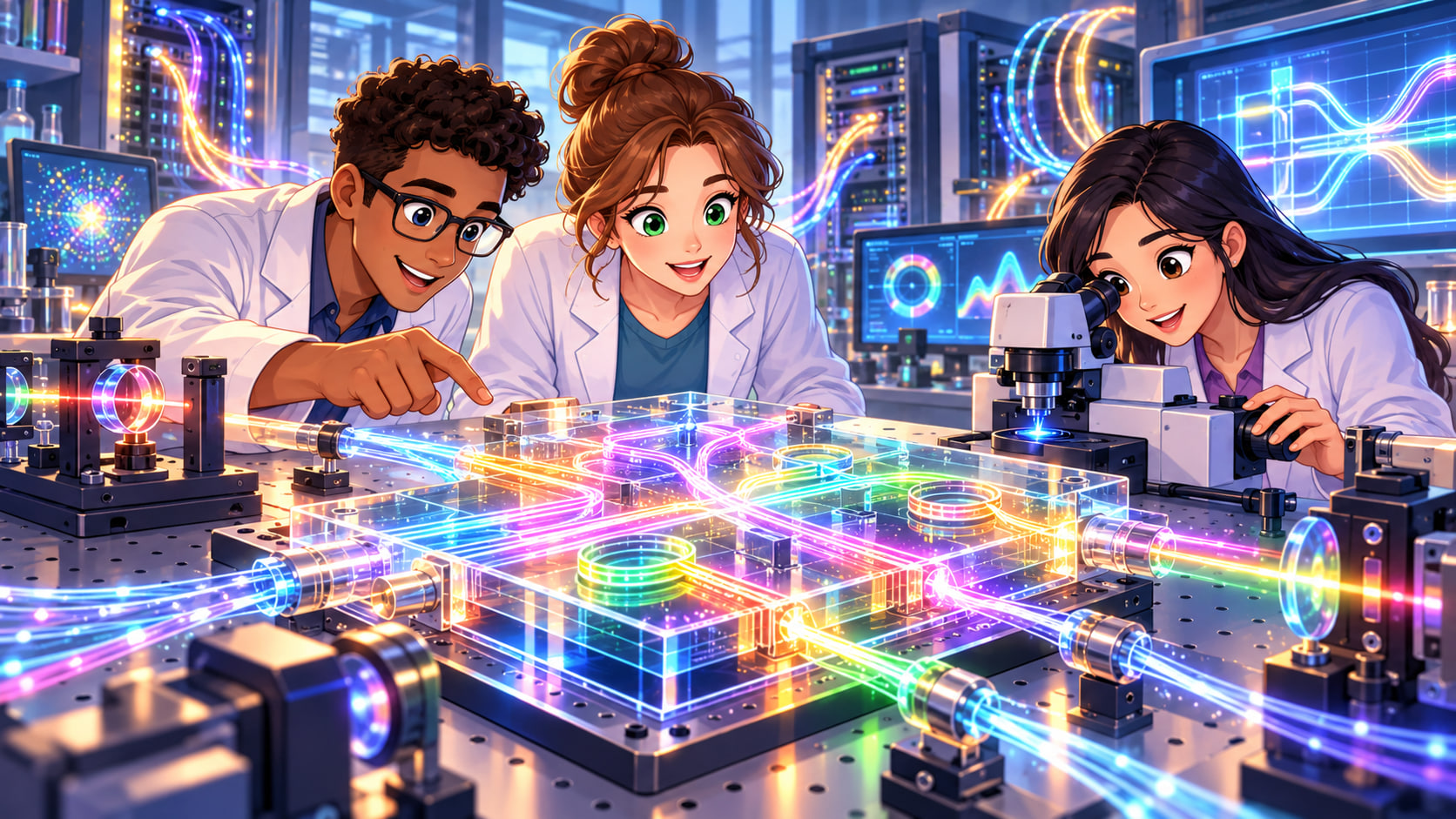
Traditional processors rely on transistors and the controlled movement of electrical charges. Photonic processors use the properties of light to transmit information and perform certain mathematical operations.

Unlike tanks or military fighting vehicles, civilian armored cars are usually based on production sedans, SUVs, vans, or luxury vehicles. Their protection is hidden inside the bodywork.

Neon lighting has made a spectacular comeback. Once associated mainly with vintage advertising signs, Las Vegas casinos, and bustling city streets, its unmistakable glow now appears in modern apartments, gaming rooms, restaurants, luxury hotels, and futuristic architectural designs.
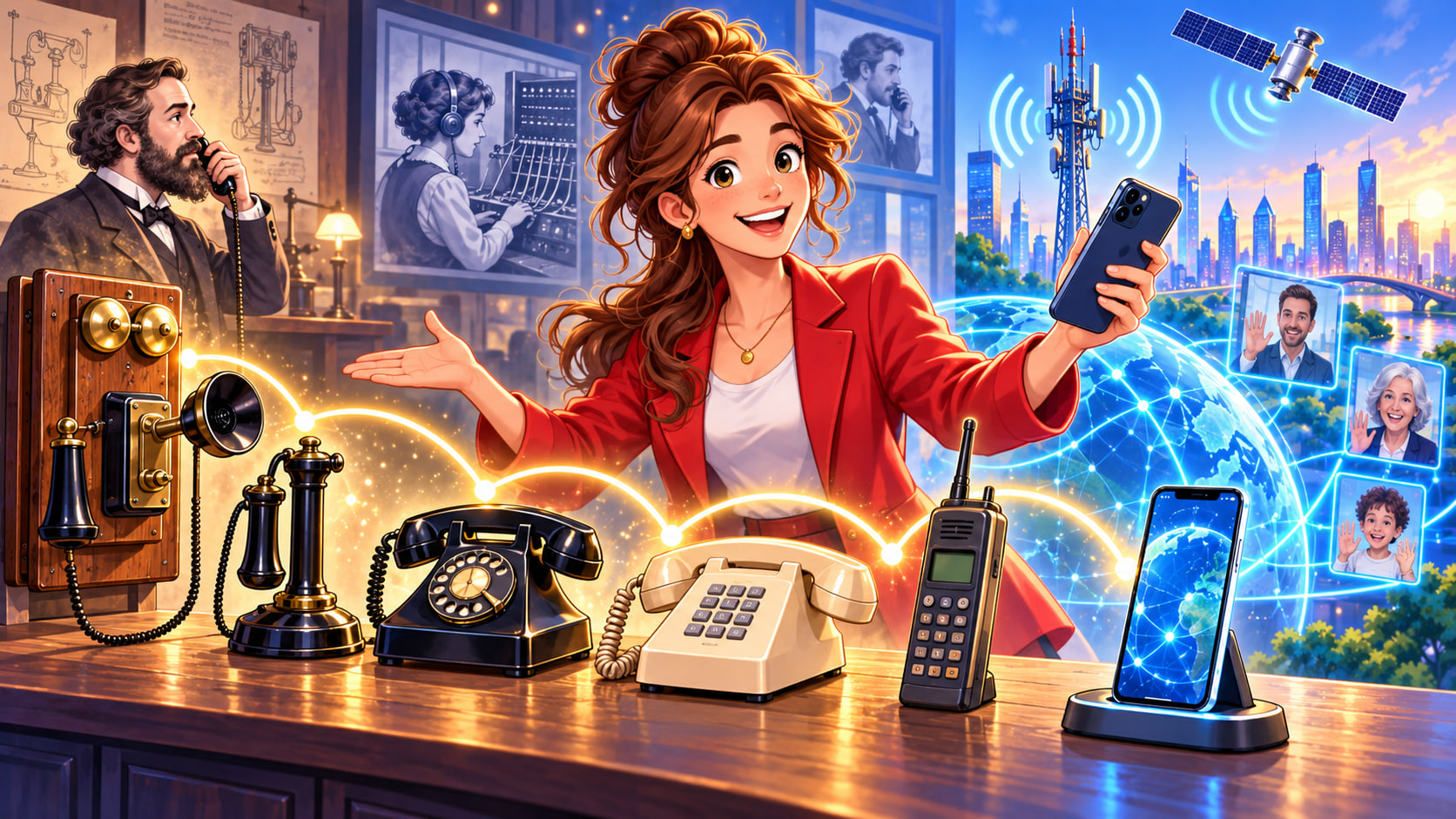
The telephone is one of the most transformative inventions in modern history. What began as an experimental device for carrying the human voice over wires eventually became a global communication system connecting billions of people.

The compass is one of the most important navigation inventions in human history. Long before GPS, satellites, radar, or digital maps, travelers learned to use Earth’s magnetic field to determine direction.
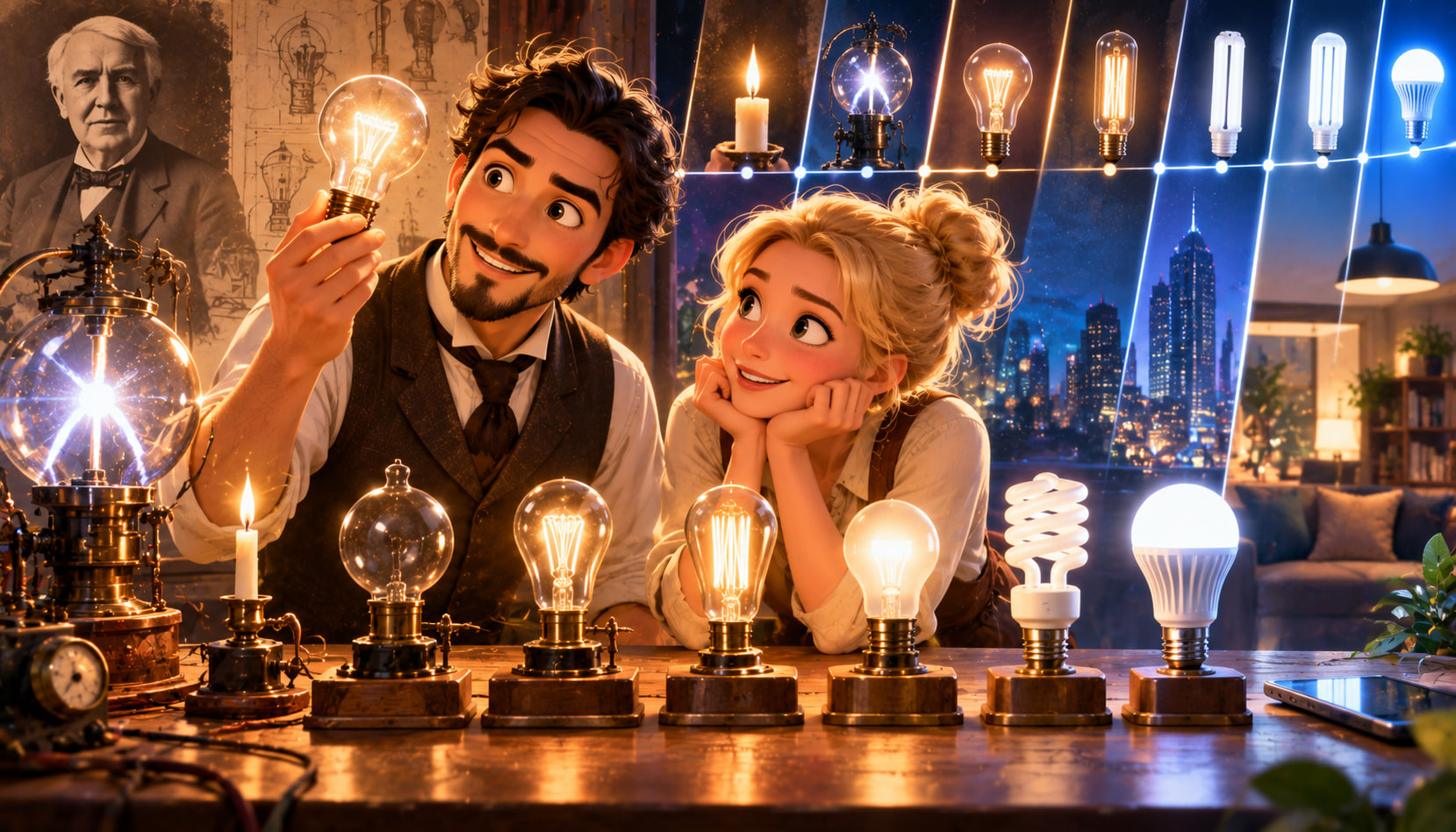
The light bulb is one of the most familiar inventions in everyday life, yet its history is far more complex than the popular story that one person simply “invented” it.
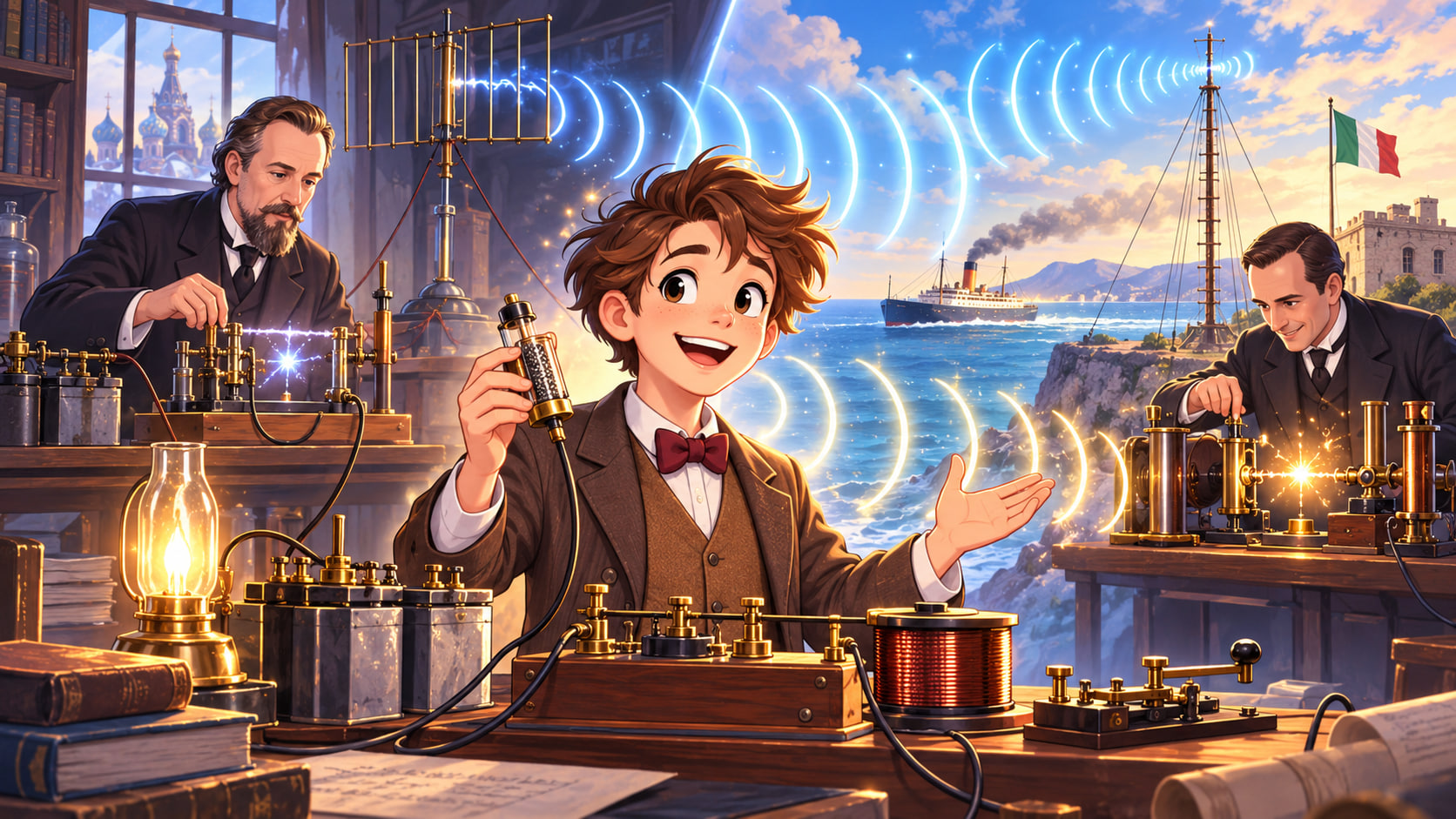
Radio changed the world by making it possible to send information through the air without wires. It transformed communication at sea, military coordination, news, entertainment, science, and eventually everyday life.
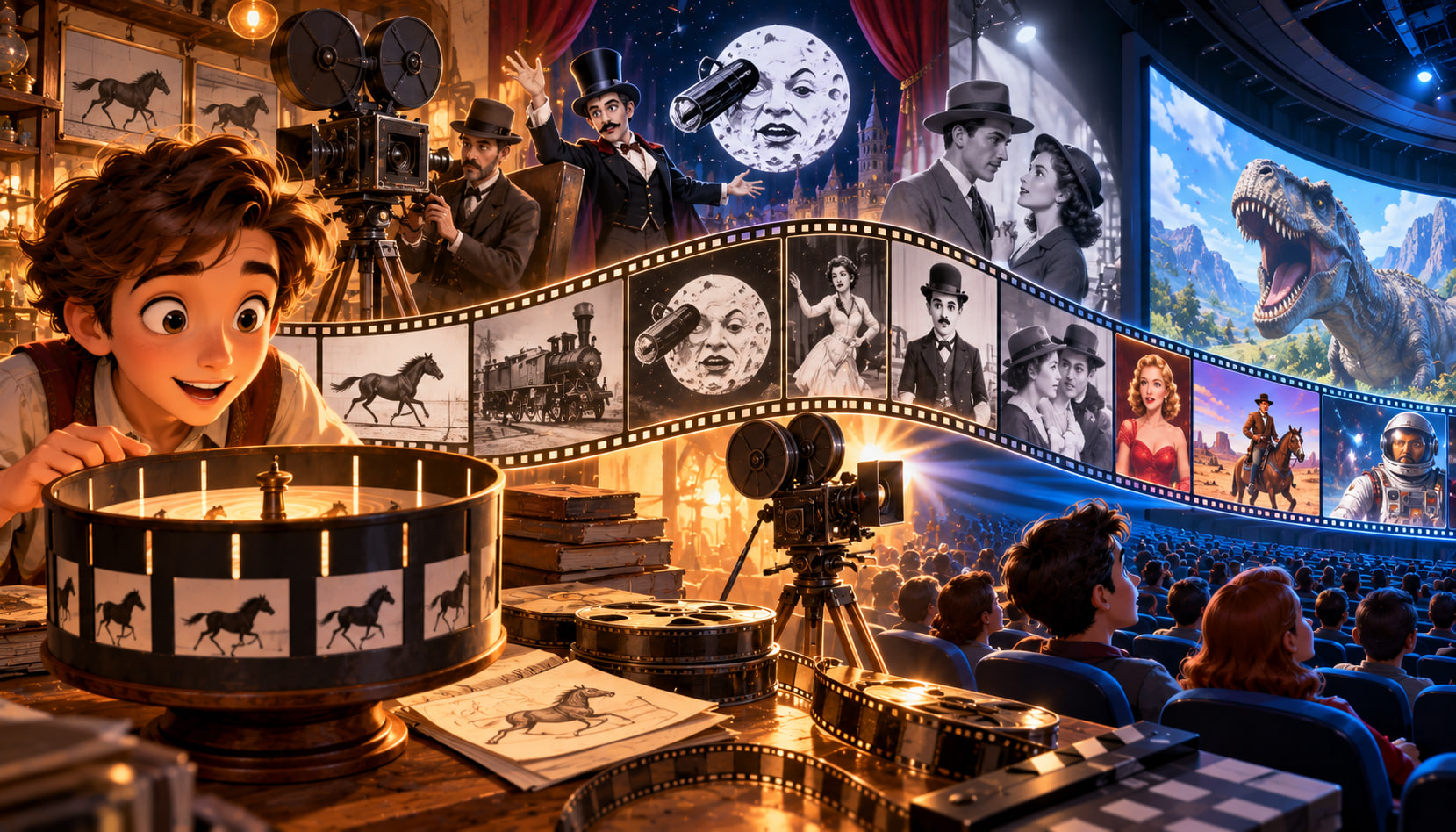
Cinema did not begin with Hollywood, movie theaters, or even cameras. Its roots go back to simple optical toys that created the illusion of movement from a sequence of still images.