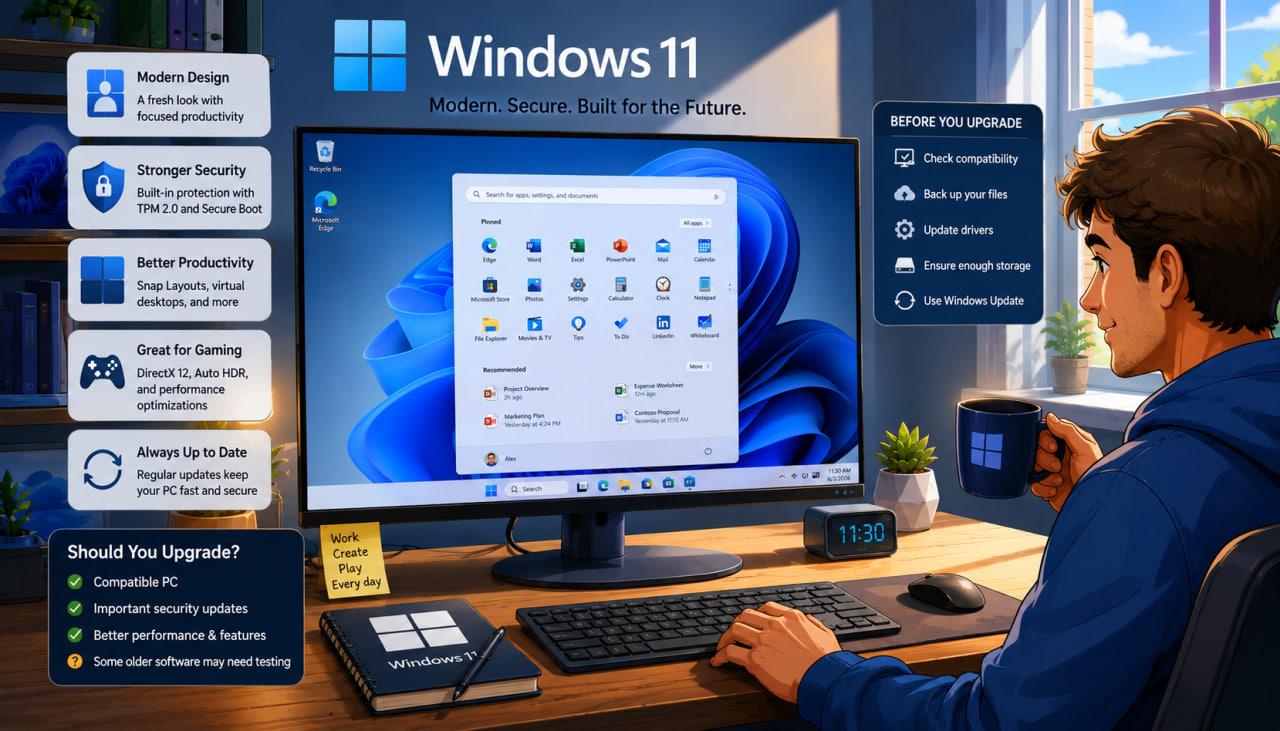
Windows 11 has matured considerably since its original release. It now offers a modern interface, stronger hardware-based security, improved window management, better support for current processors, and continued access to Microsoft’s latest features.
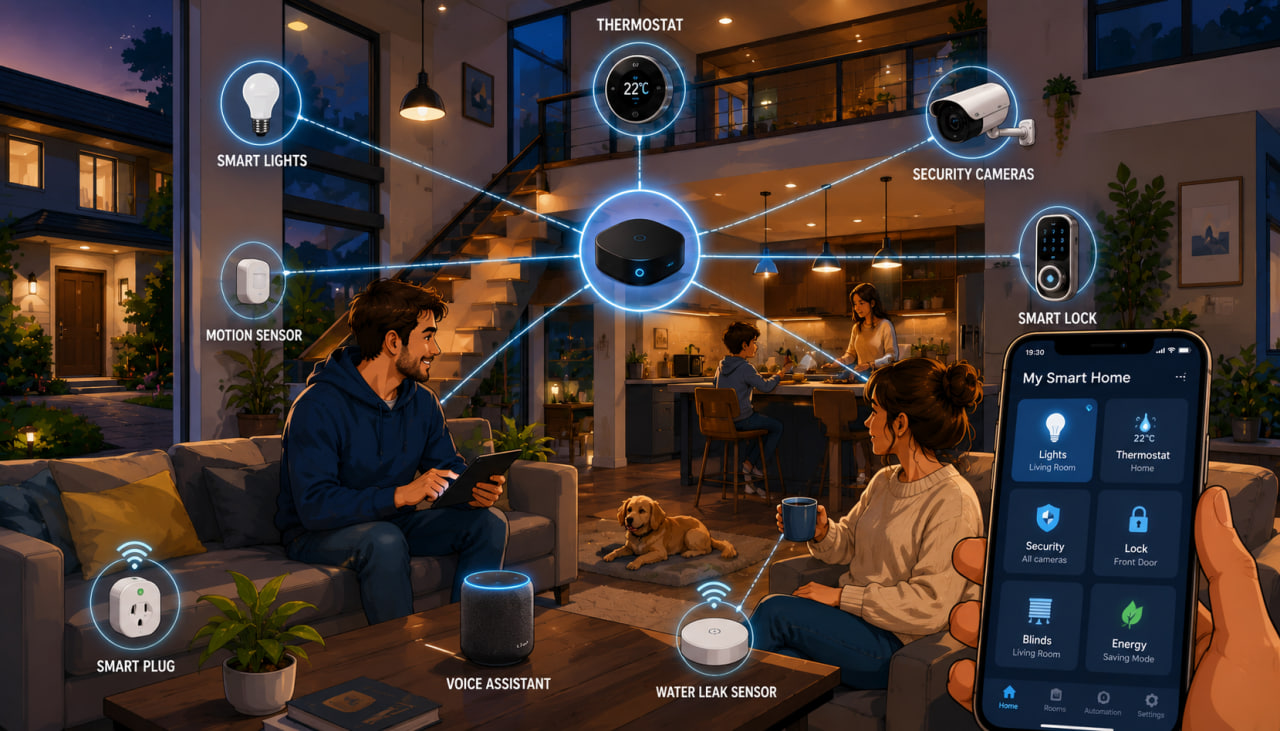
Lights can switch off when rooms become empty. Heating can adjust according to schedules and temperature sensors. A water-leak detector can send an alert before a small problem becomes expensive damage.
Modern low Earth orbit networks have significantly improved satellite broadband performance. However, satellite internet is not automatically the fastest, cheapest, or most reliable option for every household. Its quality depends on the orbit, provider, local capacity, weather, installation, and visibility of the sky.
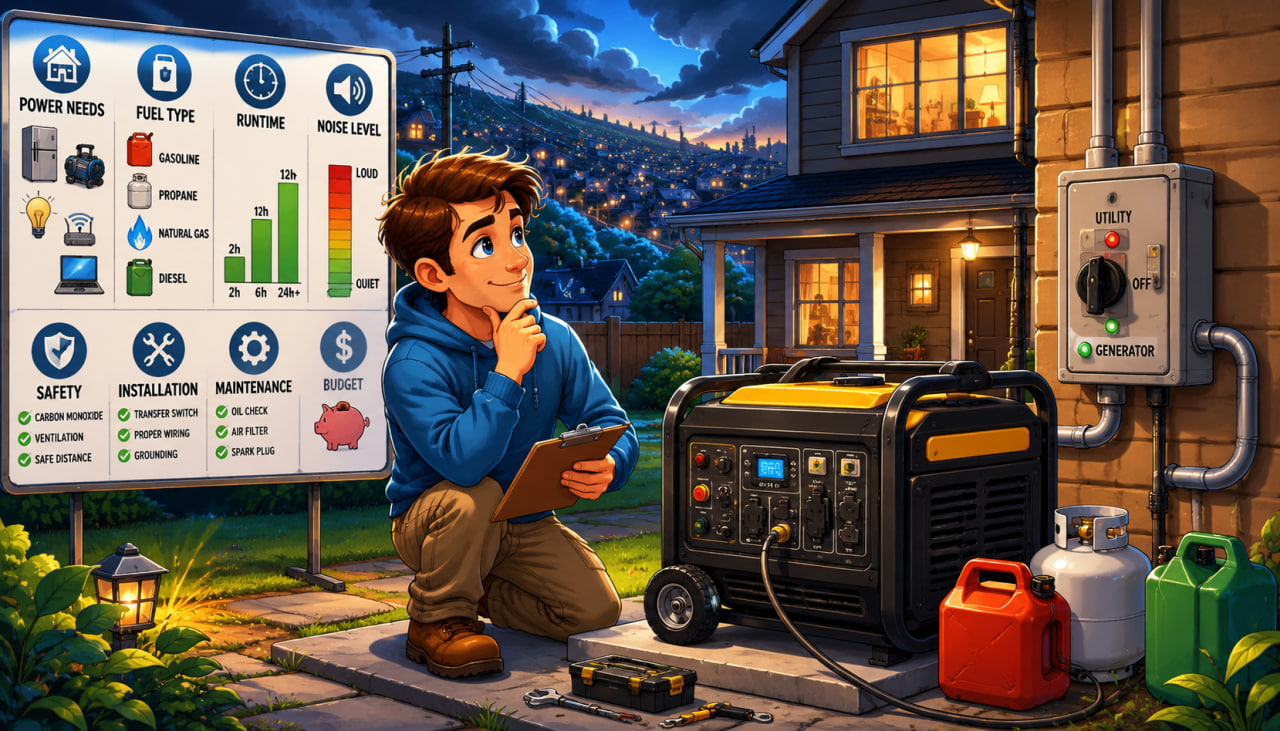
Frequent, prolonged electricity cuts require a different backup-power strategy from occasional short blackouts. A small portable generator may keep a refrigerator and several lights running, but it may be unsuitable for powering an entire home for many hours every day.
Modern kitchens are becoming smarter, faster, and more efficient than ever before. While premium appliances often receive the most attention, many affordable kitchen gadgets can dramatically reduce cooking time, simplify meal preparation, and make everyday tasks much easier. You don't need an expensive smart kitchen to enjoy the benefits of modern technology. Today's budget-friendly appliances are designed to help with chopping, mixing, cooking, cleaning, and food storage while consuming relatively little electricity. Whether you're preparing meals for a family or cooking for yourself, choosing the right appliances can save both time and effort. This guide explores the most useful affordable kitchen appliances, their advantages, and how to choose the ones that provide the greatest value for your money.
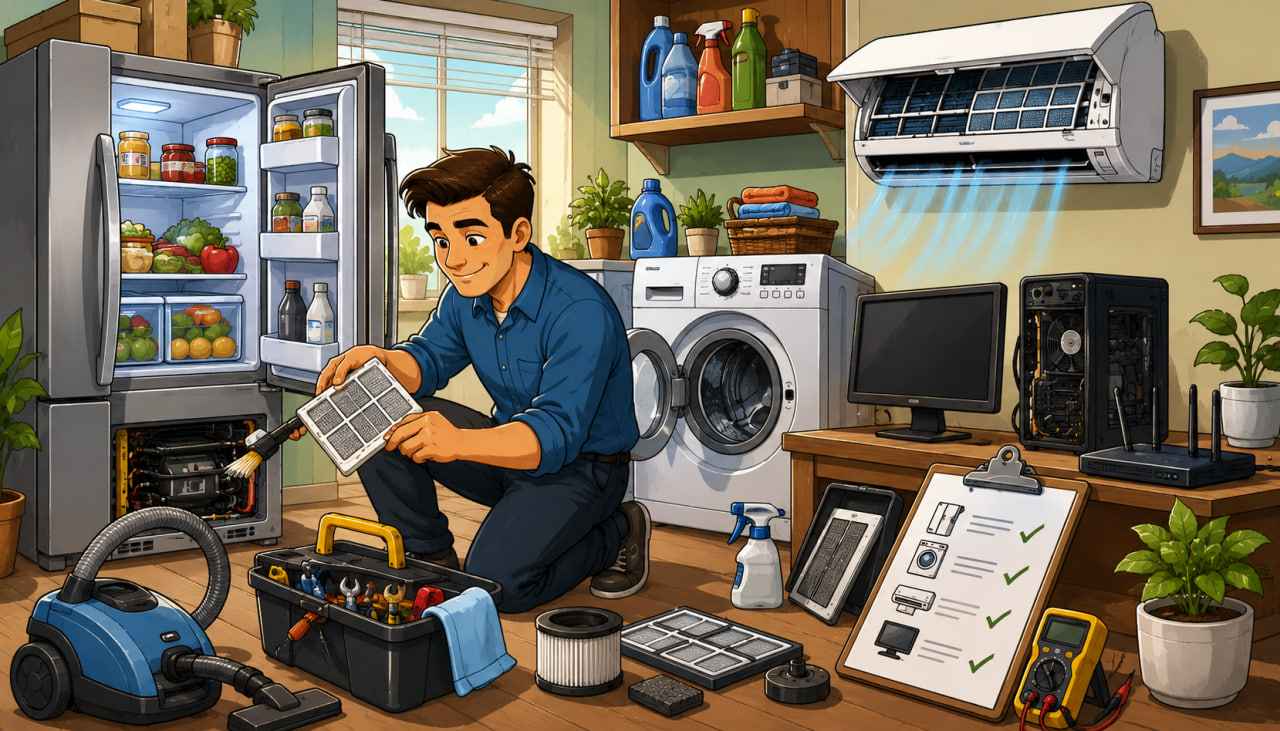
Modern homes depend heavily on appliances and electronic devices. Refrigerators preserve food, washing machines save time, air conditioners improve comfort, and computers support work and communication. Yet many homeowners pay little attention to maintenance until something breaks. Proper care can significantly extend the lifespan of household equipment, reduce repair costs, improve energy efficiency, and prevent unexpected failures. In many cases, simple maintenance habits can add years to the life of an appliance. This practical guide explains how to keep household equipment operating safely and efficiently while avoiding common mistakes that lead to premature breakdowns.
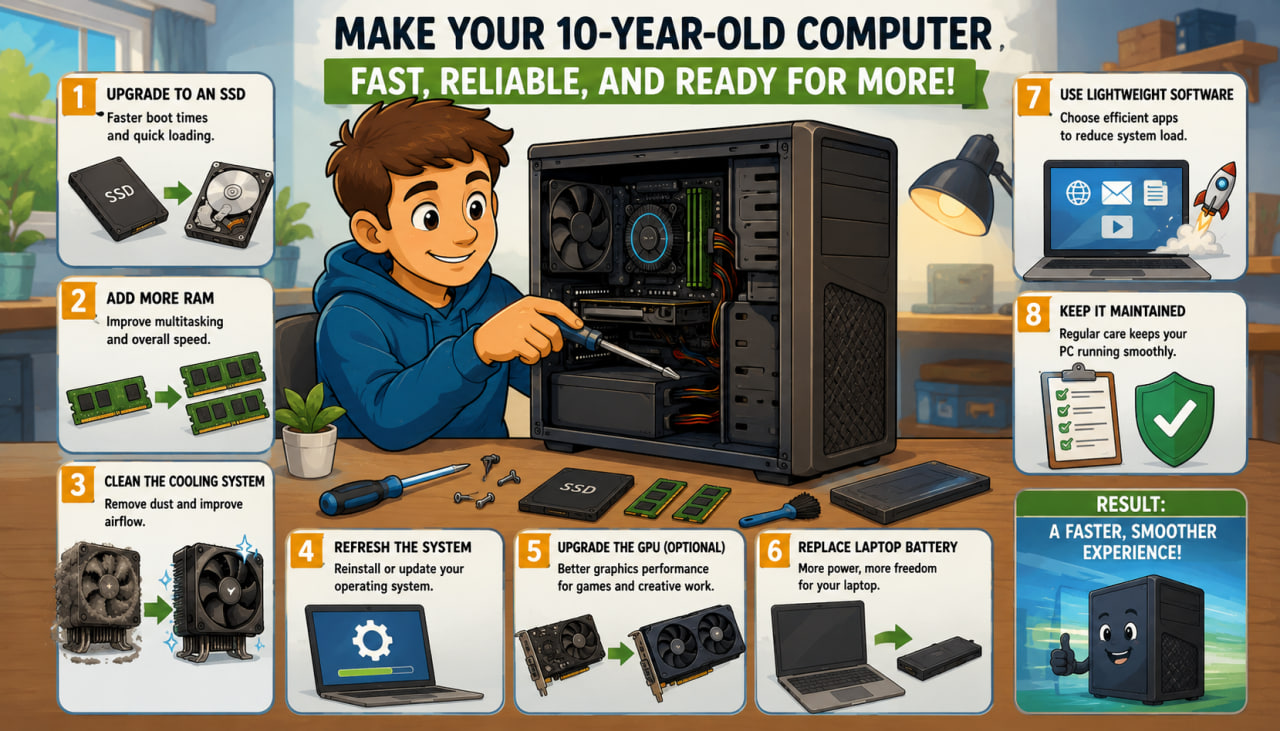
Many people assume that a computer purchased ten years ago is hopelessly outdated and must be replaced. While that can sometimes be true, the reality is often more encouraging. A surprisingly large number of older desktop computers and laptops can still provide excellent performance for everyday tasks if upgraded correctly. Modern operating systems, web browsers, and applications demand more resources than their predecessors, but strategic hardware improvements can dramatically extend the useful life of aging machines. In many cases, a few targeted upgrades can transform a frustratingly slow computer into a responsive and practical device. Before spending money on a completely new system, it is worth understanding what upgrades provide the greatest performance improvements.
Coffee is one of the most popular beverages on Earth. Every day, billions of cups are consumed worldwide, fueling morning routines, social gatherings, and workdays. For many coffee lovers, a coffee machine seems like the logical next step toward enjoying café-quality drinks at home. Yet coffee machines range from simple drip brewers to advanced fully automatic espresso systems costing hundreds or even thousands of dollars. This raises an important question: Does buying a coffee machine actually make sense? The answer depends on drinking habits, budget, convenience preferences, and expectations regarding coffee quality. For some households, a coffee machine becomes one of the most frequently used appliances in the kitchen. For others, it may end up collecting dust on a countertop. Understanding the advantages and disadvantages can help determine whether investing in a coffee machine is worthwhile.
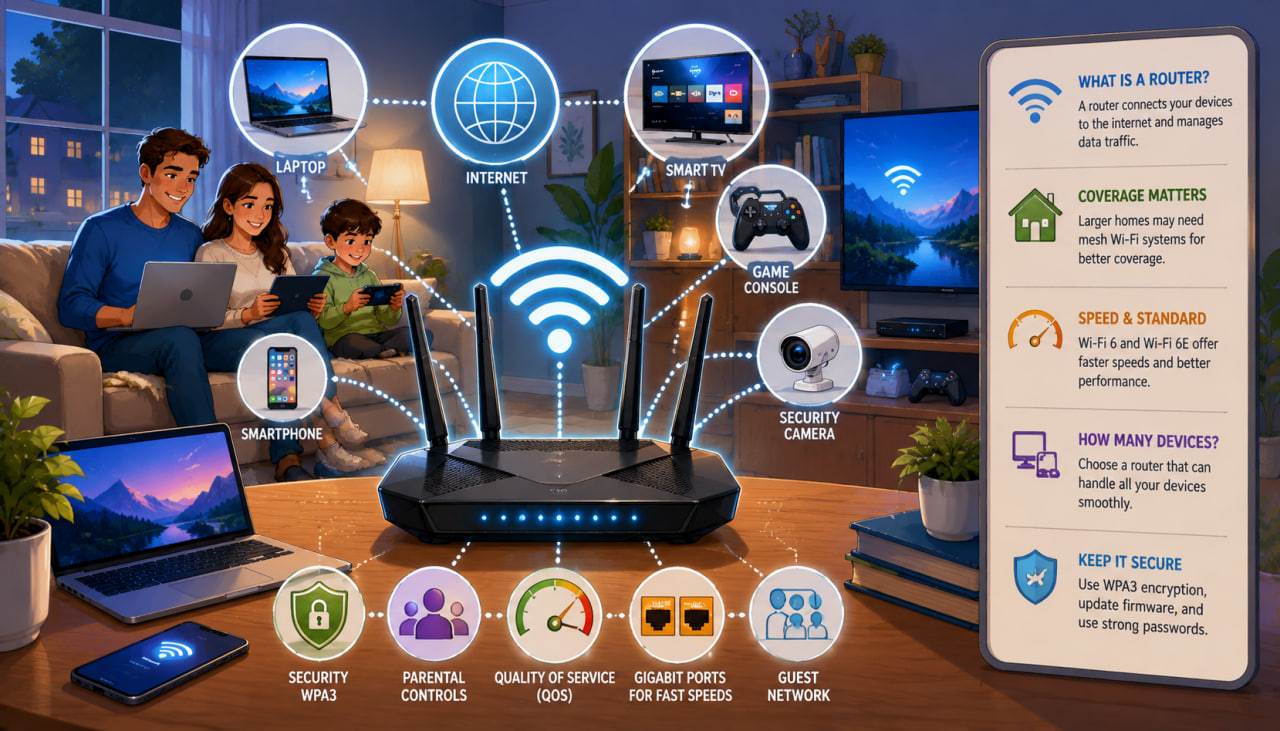
In today's connected world, a router is one of the most important devices in any home or office. Whether you are streaming movies, attending video meetings, playing online games, managing smart-home devices, or simply browsing the internet, your router serves as the central hub that connects everything together. Despite its importance, many people purchase routers without understanding what they do or which features actually matter. Marketing terms, technical specifications, and constantly evolving Wi-Fi standards can make choosing the right router seem confusing. The good news is that understanding a few key concepts can make router selection much easier and help you build a faster, more reliable home network.
Microplastics and nanoplastics have become some of the most intensively studied environmental pollutants of the 21st century. These tiny plastic particles are found in oceans, rivers, soil, food, drinking water, and even the air we breathe. While much attention has focused on their chemical composition and biological effects, scientists are increasingly interested in another important property: electrostatic charge. Many airborne plastic particles naturally acquire electrical charges through friction, sunlight exposure, atmospheric interactions, and industrial processes. Air ionization can significantly alter these charges, influencing how microplastics and nanoplastics move, aggregate, settle, and interact with living organisms. Understanding this relationship is important for environmental science, pollution control, indoor air quality, and future technologies designed to remove plastic particles from the atmosphere.