Smart Technology

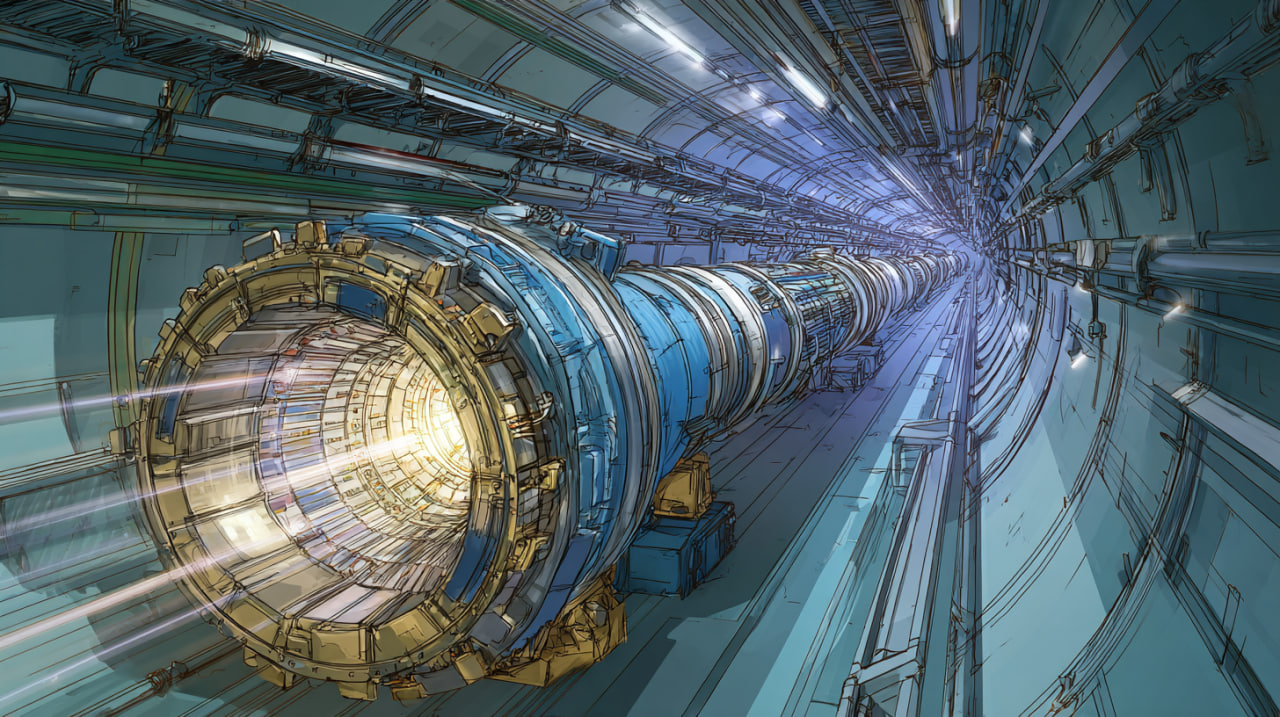
Why We Need Large Hadron Colliders
Hi-Tech Smart Technology New Discoveries

Why We Need Large Hadron Colliders

Large Hadron Colliders (LHCs) are among the most complex and ambitious scientific instruments ever built. Their main purpose is to study the fundamental particles that constitute matter and the forces that govern their interactions. These giant underground machines use superconducting magnets to accelerate particles—usually protons—to near-light speeds and smash them together under controlled conditions. The resulting collisions allow physicists to observe phenomena that existed only moments after the Big Bang. The most famous of these machines is the CERN Large Hadron Collider, located on the border of France and Switzerland.
Quantum vs Classical Computers: When Will the Revolution Happen?
Hi-Tech Smart Technology New Discoveries

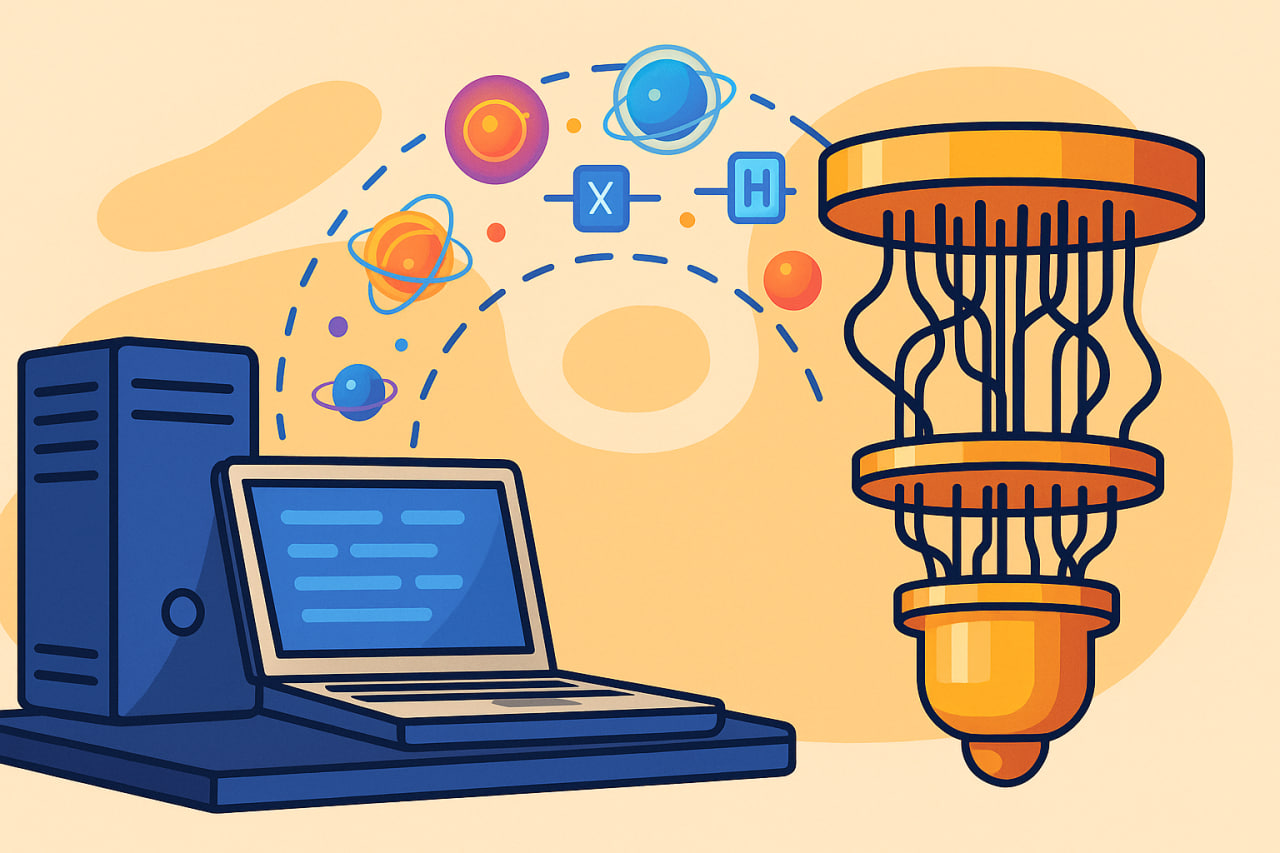
Quantum vs Classical Computers: When Will the Revolution Happen?

Quantum computers represent a fundamentally new paradigm in information processing. Unlike classical computers, which process bits as 0s and 1s, quantum computers operate on qubits, which can exist in multiple states simultaneously. This allows them to perform certain calculations exponentially faster, with wide-reaching implications for cryptography, chemistry, finance, artificial intelligence, and more. However, the technology is still in its early stages, and practical, widespread use remains a matter of ongoing research and engineering breakthroughs.

Smart Outlets, Thermostats, and Home Security: Enhancing Safety and Energy Efficiency
Smart Technology Smart Home

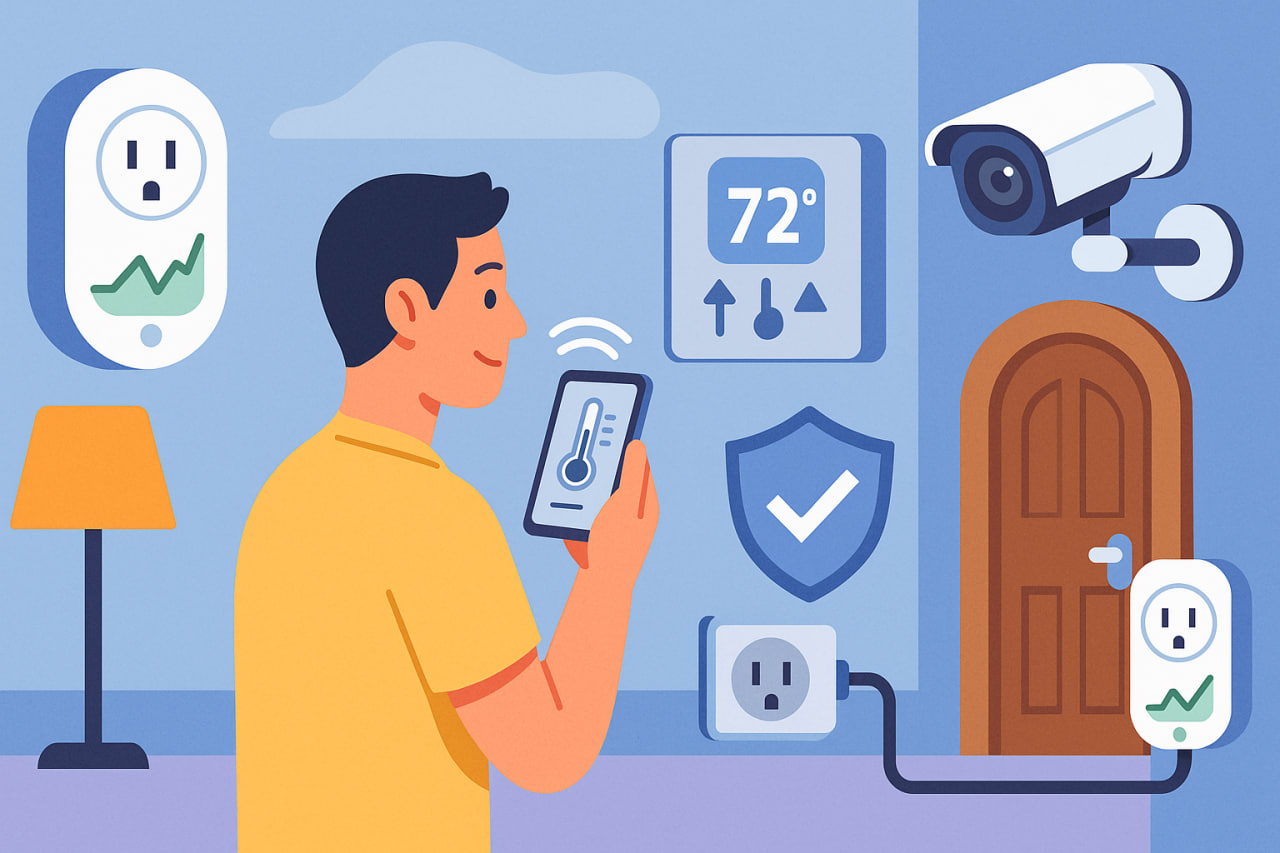
Smart Outlets, Thermostats, and Home Security: Enhancing Safety and Energy Efficiency

The integration of smart home technologies is transforming how people manage energy use, protect their homes, and interact with appliances. Devices like smart plugs, thermostats, and security systems offer real-time control, automation, and energy monitoring. These tools contribute to lower utility bills, improved comfort, and enhanced home protection, making modern homes more responsive, efficient, and secure. As part of the broader Internet of Things (IoT), these devices are increasingly affordable and accessible to everyday users.

Smart Lighting and Energy Efficiency: How Intelligent Systems Help Save Power
Smart Technology Smart Home

Smart Lighting and Energy Efficiency: How Intelligent Systems Help Save Power

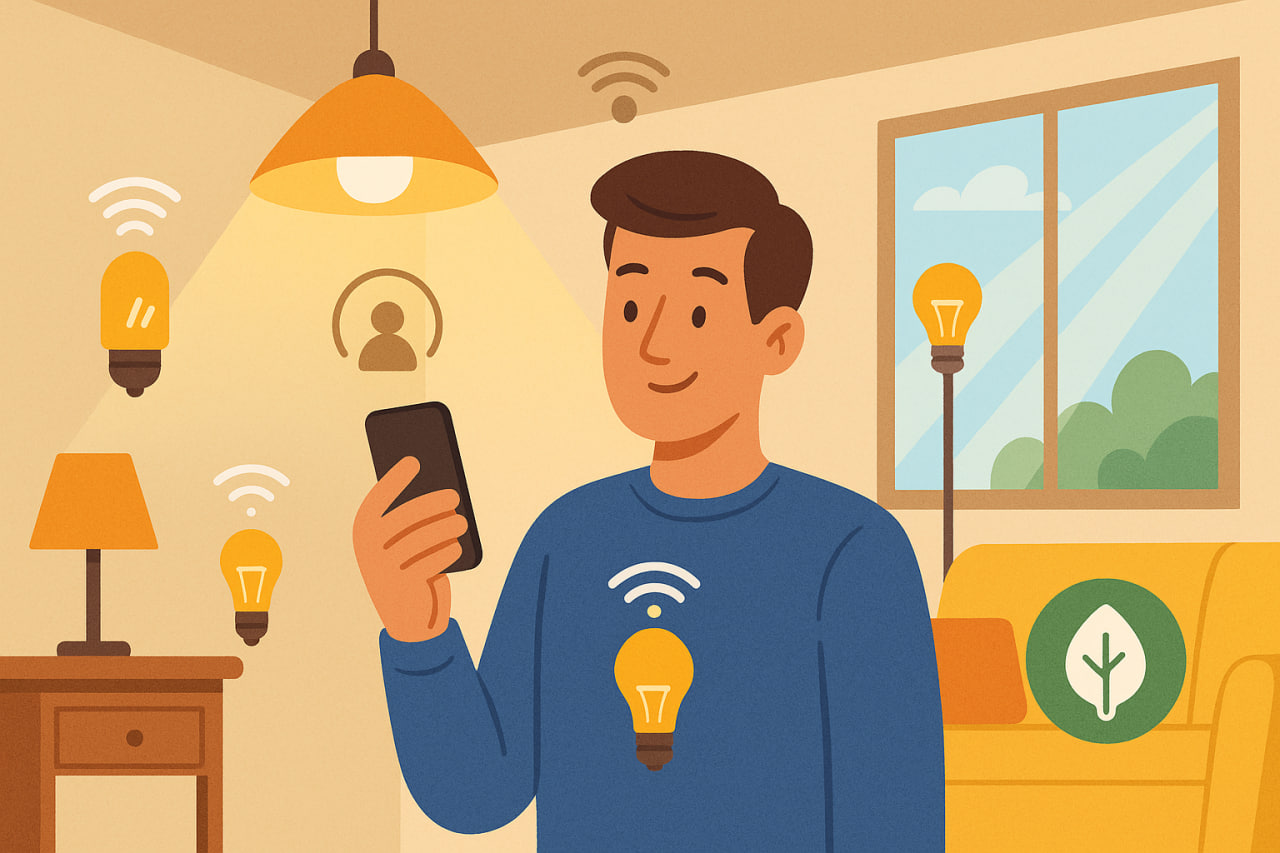
Smart lighting systems are revolutionizing how homes, offices, and cities consume energy. Unlike traditional lighting, which remains static and user-dependent, smart systems adjust automatically to environmental conditions, user behavior, and occupancy. This not only enhances convenience and comfort but also contributes to significant energy savings and carbon emission reduction. By integrating sensors, automation, and remote control, smart lighting plays a key role in building sustainable infrastructure for the future.

How to Build Your Own IoT System from Scratch
Smart Technology Smart Home

How to Build Your Own IoT System from Scratch

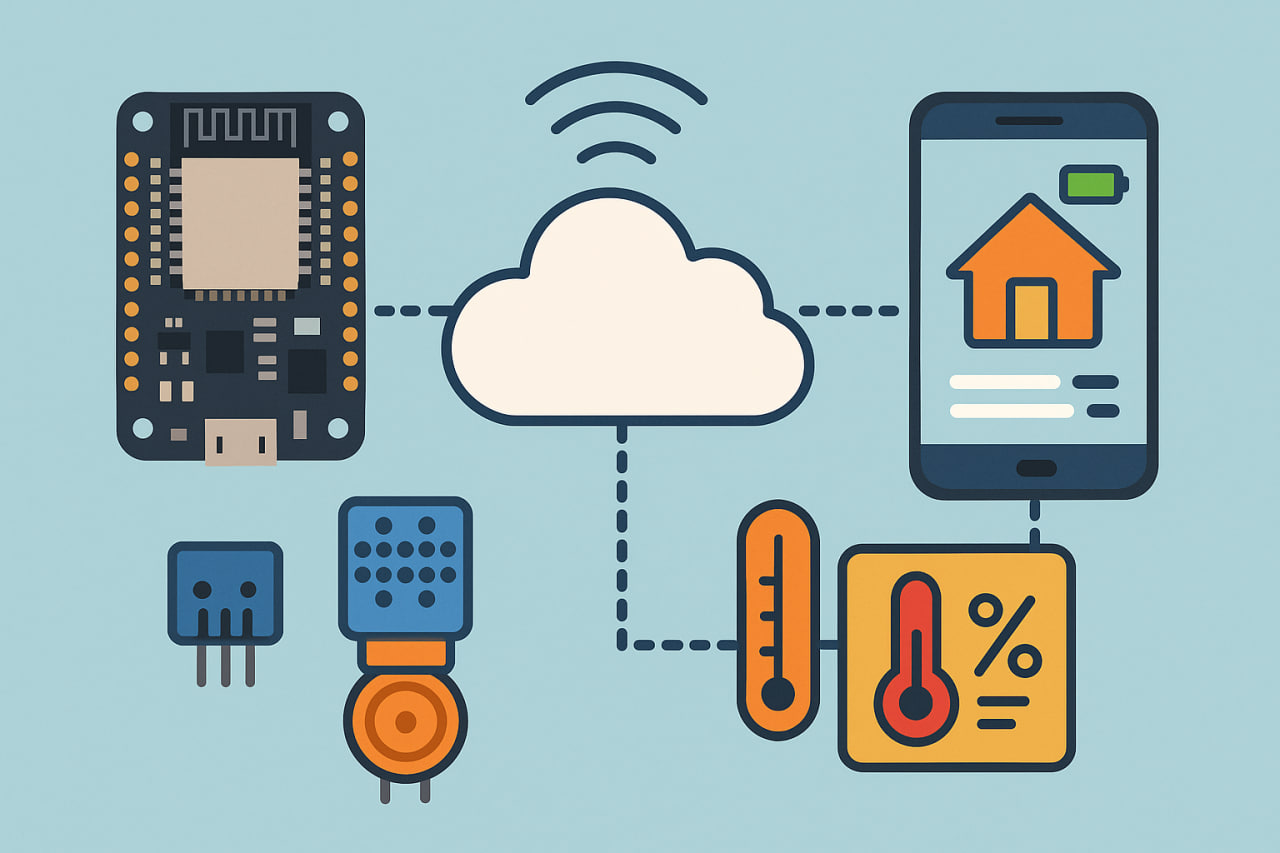
The Internet of Things (IoT) refers to a network of interconnected devices that can collect, exchange, and act upon data. From smart homes to industrial automation, IoT systems are transforming how people interact with the physical world. Building your own IoT system may seem complex, but with proper planning and understanding of its components, anyone with a technical mindset can do it. Whether you’re creating a smart irrigation controller or a home security system, success begins with knowing how the parts fit together.

How GPS Uses Satellites to Pinpoint Your Location
Hi-Tech Smart Technology

How GPS Uses Satellites to Pinpoint Your Location

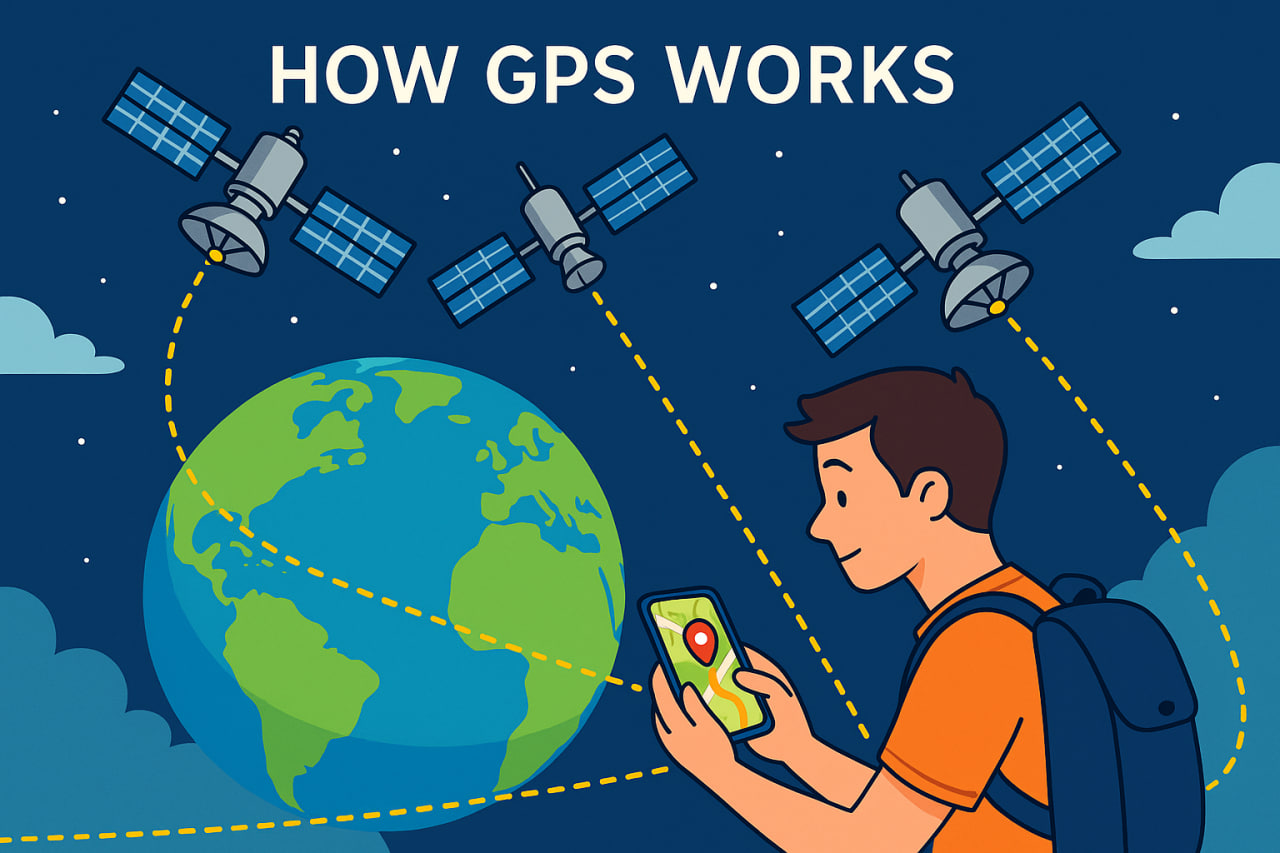
The Global Positioning System (GPS) is a technology used daily in navigation, smartphones, shipping, and aviation. But few people realize how GPS works and how satellites high above Earth make real-time location tracking possible. The system combines physics, engineering, and space infrastructure to determine a receiver’s precise position on the planet.

How the James Webb Space Telescope Works
Cosmic Innovations Hi-Tech Smart Technology

How the James Webb Space Telescope Works

The James Webb Space Telescope (JWST) is the most advanced and powerful space observatory ever launched. Developed by NASA in collaboration with ESA (European Space Agency) and CSA (Canadian Space Agency), it was designed to observe the universe in infrared light, allowing scientists to see deeper into space and further back in time than ever before. Unlike its predecessor, the Hubble Space Telescope, which mainly uses visible and ultraviolet light, JWST operates primarily in the infrared spectrum.

How GPS Works: A Guide to Global Positioning
Hi-Tech Smart Technology

How GPS Works: A Guide to Global Positioning

The Global Positioning System (GPS) has become an essential tool in daily life—guiding travelers, tracking deliveries, syncing time, and even supporting scientific research. But how does this invisible network of satellites know exactly where you are?

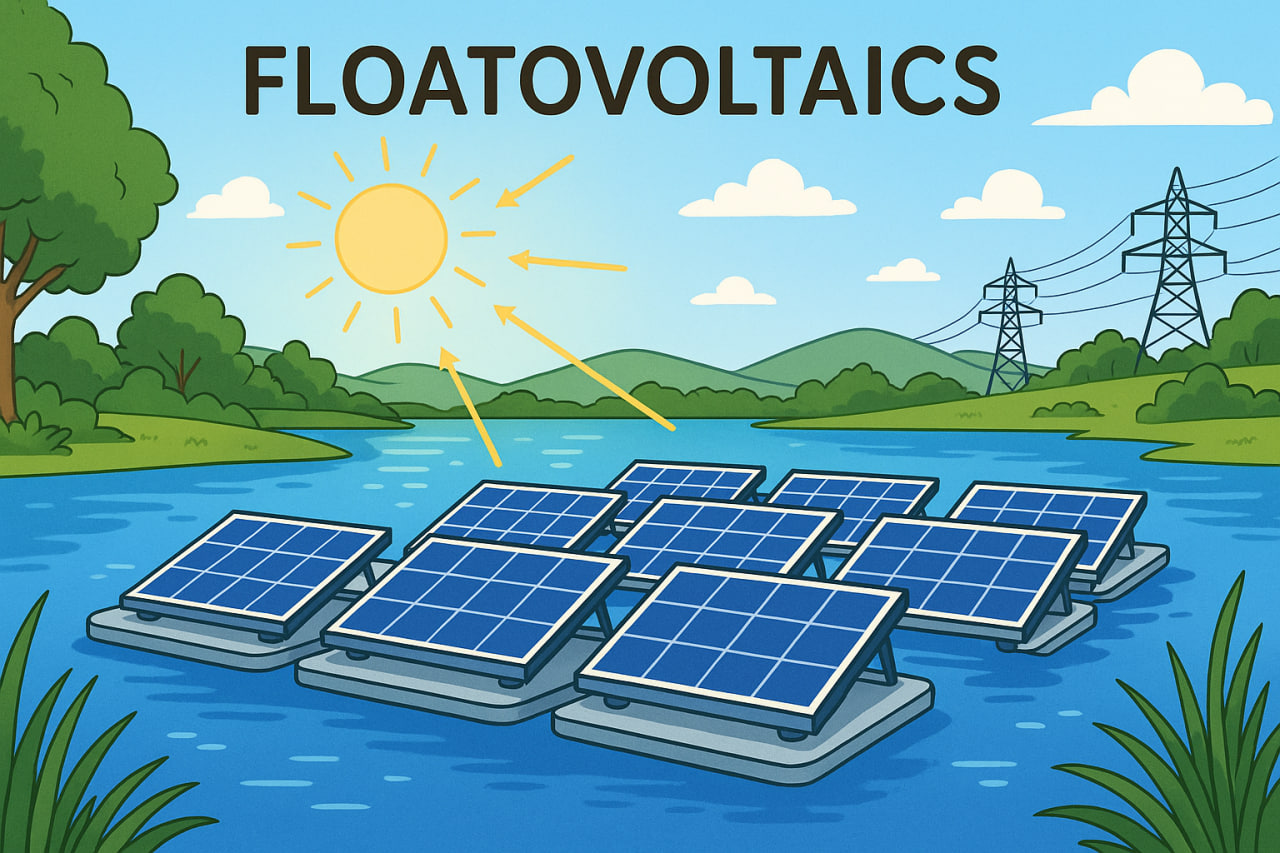
Floatovoltaics: Floating Solar Power and the Future of Clean Energy
Hi-Tech Smart Technology New Discoveries

Floatovoltaics: Floating Solar Power and the Future of Clean Energy

Floatovoltaics—also known as floating solar power systems—represent one of the most promising innovations in the renewable energy sector. By installing solar panels on the surface of water bodies instead of land, this technology helps generate clean electricity while conserving space and reducing water loss. It’s an elegant solution for regions with limited land and high energy demands.