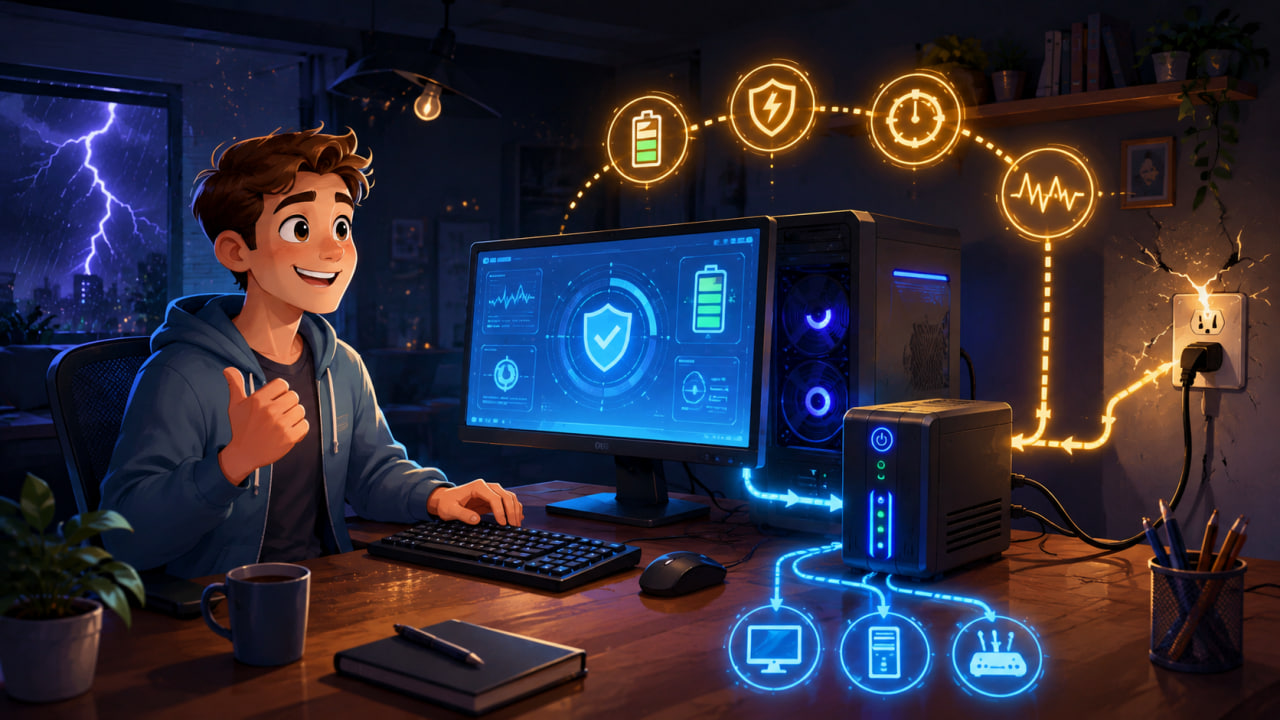
A sudden power cut rarely arrives politely. It happens while you are editing a document, exporting a video, gaming online, updating Windows, working with client files, or writing code.
Choosing an air conditioner for your home looks simple until you start comparing models. Window units, portable ACs, split systems, inverter models, mini-splits, BTU ratings, SEER2, noise levels, installation costs, smart controls, filters, and energy labels can make the decision feel confusing.
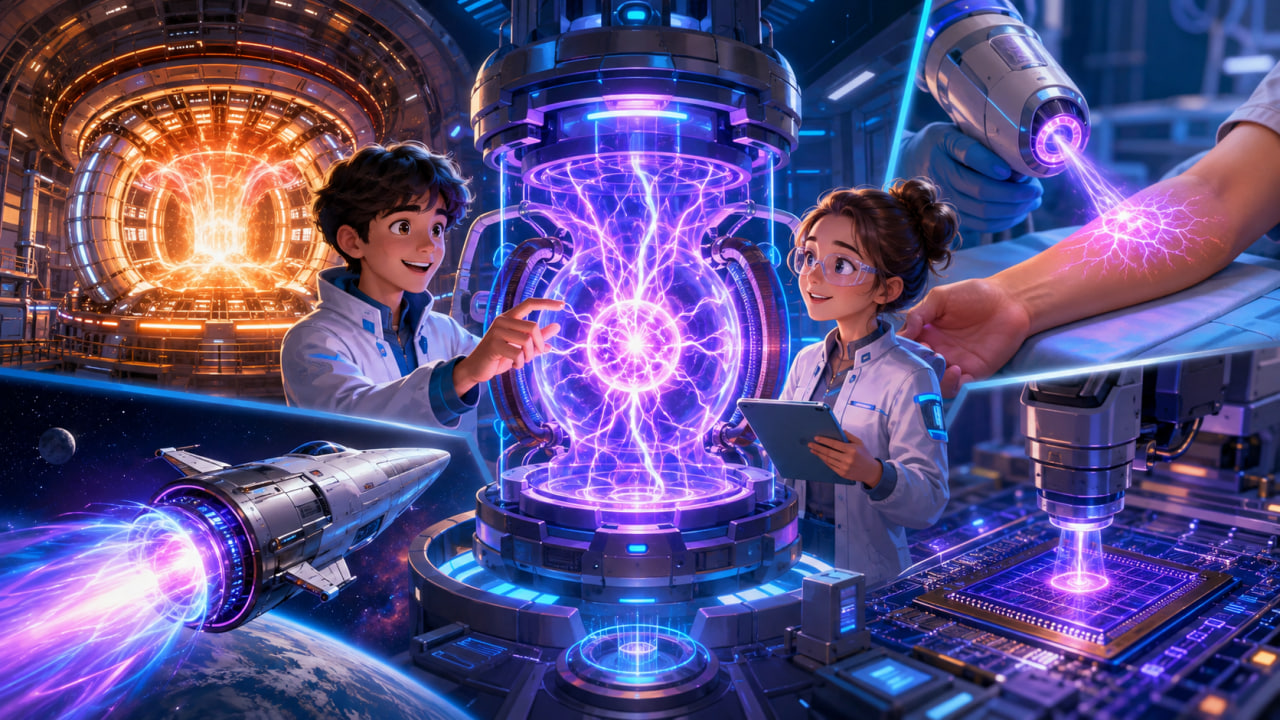
Plasma is often called the fourth state of matter, after solids, liquids, and gases. It may sound exotic, but plasma is everywhere in the universe. Stars are made mostly of plasma. Lightning is plasma. Auroras glow because of plasma. Neon signs, welding arcs, and some advanced medical tools also rely on plasma.
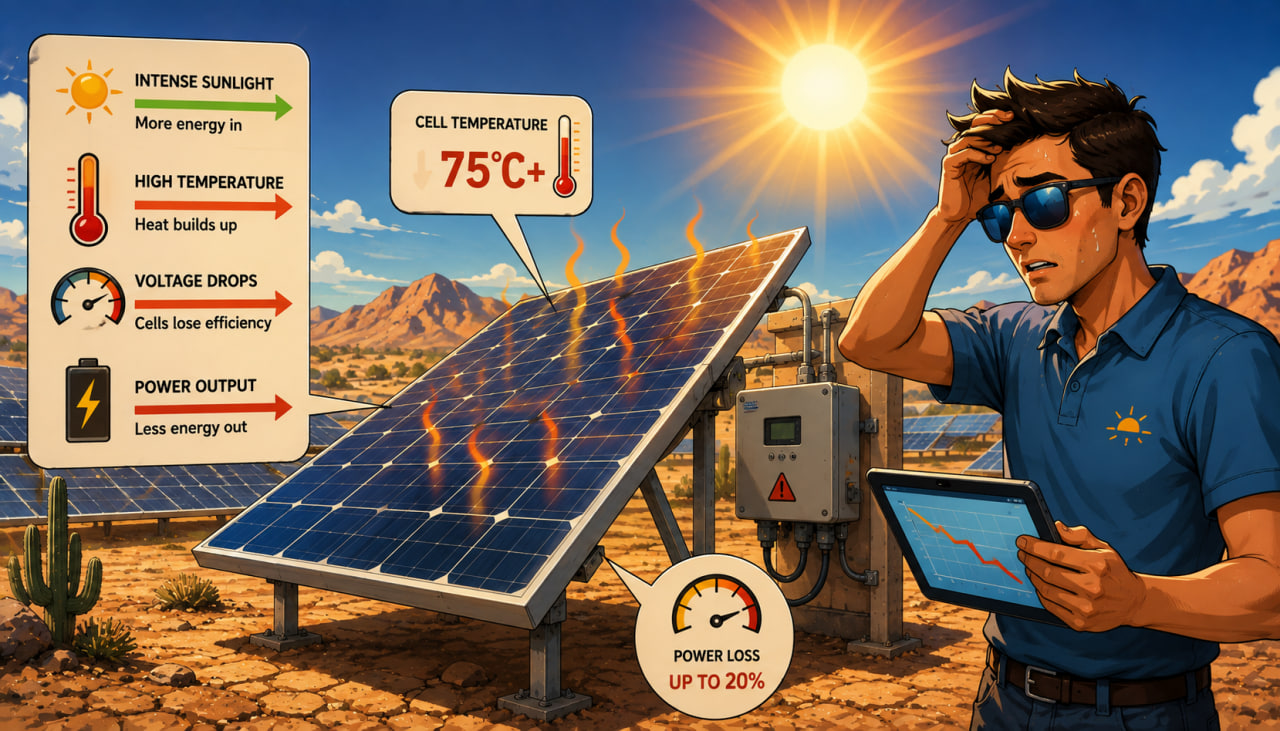
Solar panels seem like they should perform best in extreme heat. After all, they are designed to capture sunlight, and the hottest days are often the sunniest.
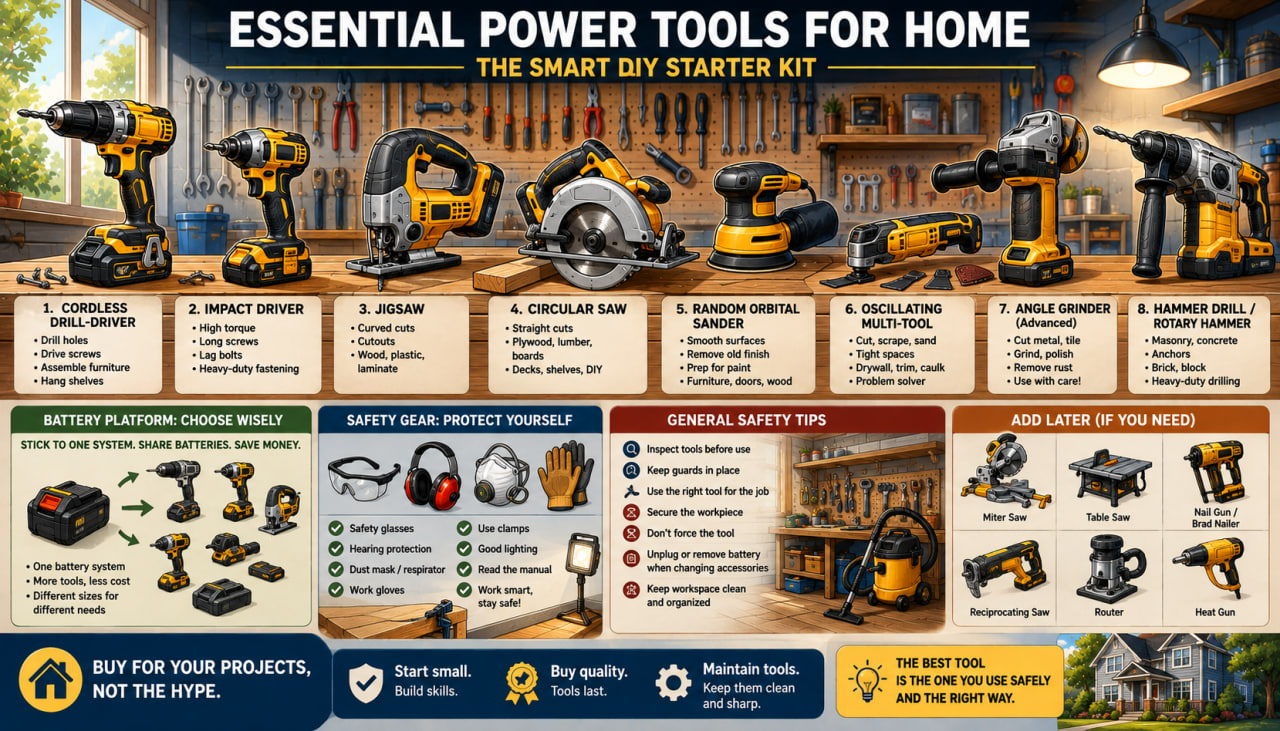
A good home tool kit does not need to look like a professional workshop. Most homeowners do not need every saw, grinder, nailer, and specialty machine on the market. What they need is a practical set of reliable power tools that can handle common repairs, furniture assembly, small renovations, drilling, cutting, sanding, and maintenance. The smartest approach is simple: buy tools based on real tasks, not advertising hype. For most homes, the essential power tool list starts with a cordless drill-driver, then expands depending on whether you do woodworking, repairs, gardening, apartment maintenance, or renovation work.
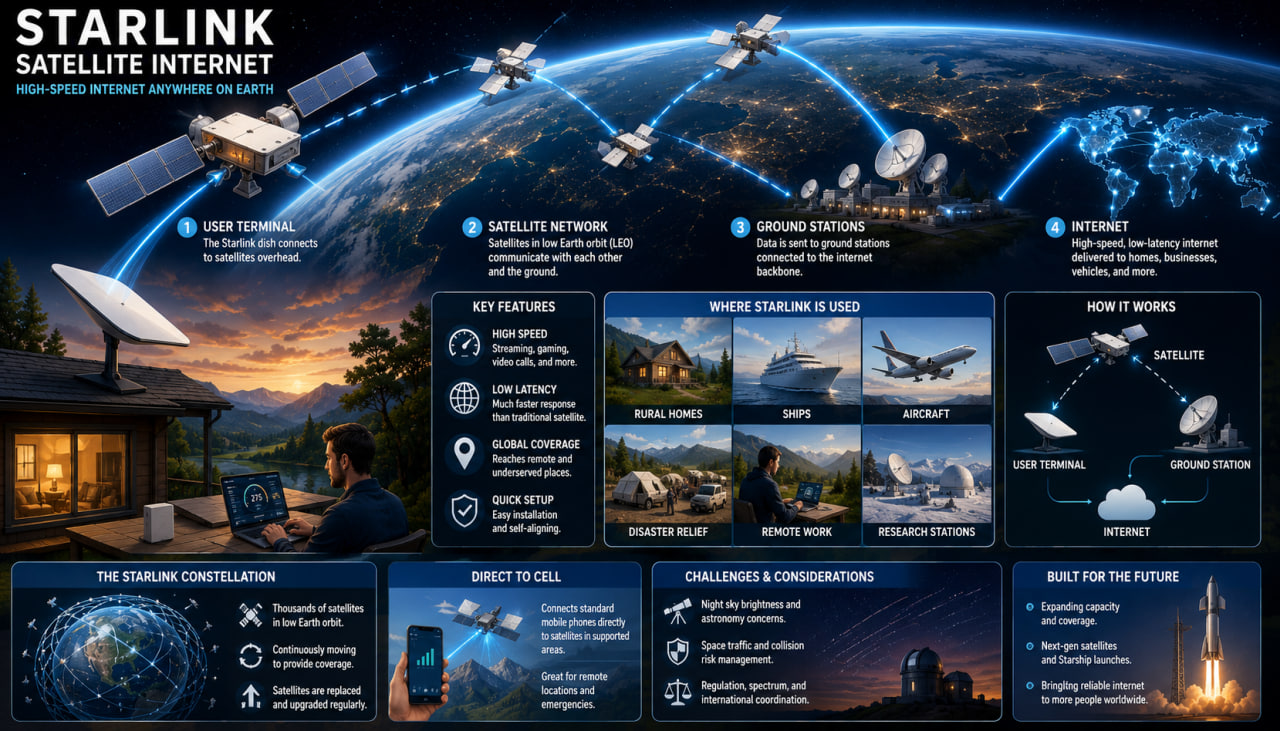
Starlink is SpaceX’s satellite internet network designed to deliver broadband connectivity through thousands of satellites in low Earth orbit. Instead of relying only on ground cables, towers, or traditional geostationary satellites, Starlink sends internet signals between user terminals, satellites, ground stations, and sometimes satellite-to-satellite laser links. The idea is simple but ambitious: bring high-speed, low-latency internet to places where fiber, cable, and mobile networks are unavailable, unreliable, or too expensive to build. Starlink has become especially important for rural homes, ships, aircraft, emergency responders, remote businesses, and regions affected by disasters or conflict. At the same time, it has raised serious questions about astronomy, space traffic, regulation, military use, and the future of the orbital environment.
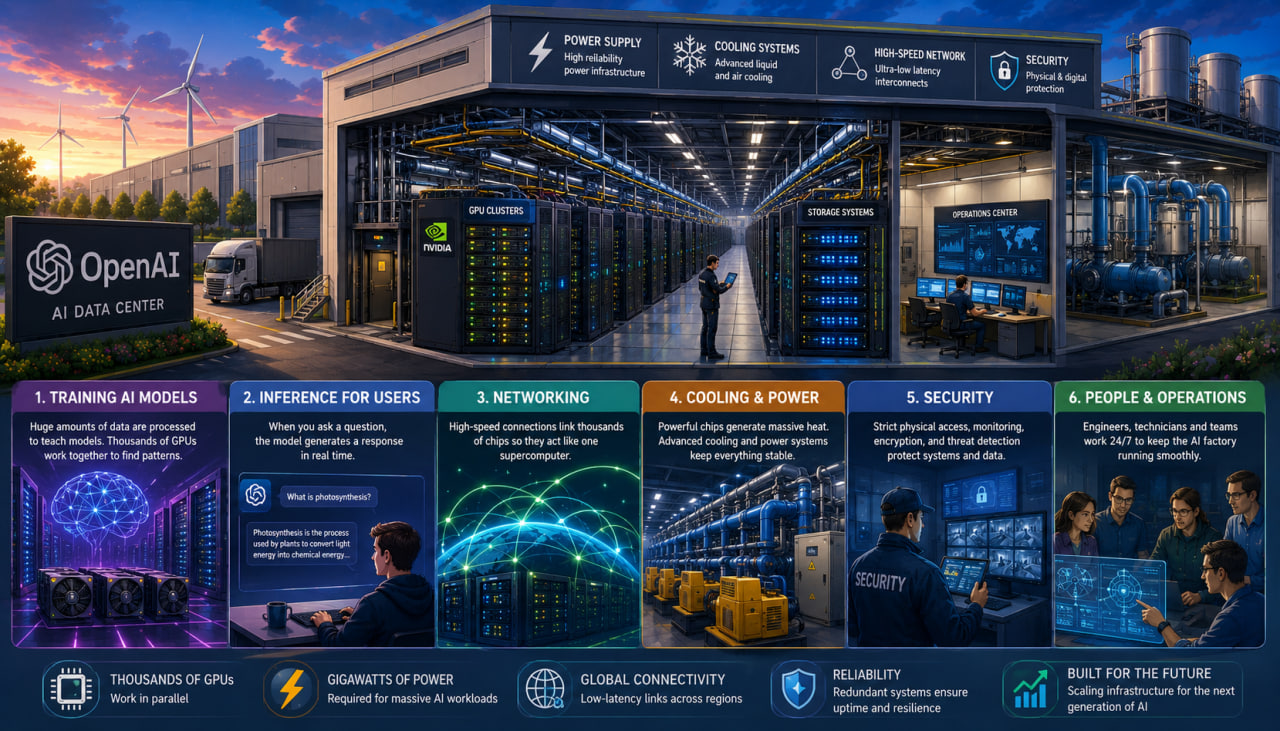
An OpenAI data center is not a single mysterious room full of one giant computer. It is a highly engineered AI computing facility built to run enormous numbers of calculations at extreme speed. It supports the systems behind tools such as ChatGPT, API services, research models, and future AI applications. The exact layout, security details, hardware configuration, and operational procedures of OpenAI-related data centers are not publicly disclosed in full. That is normal for facilities handling advanced computing, sensitive infrastructure, and valuable intellectual property. But based on OpenAI’s public infrastructure announcements, partnership details, and job descriptions, we can describe the big picture accurately: an OpenAI data center is closer to an industrial-scale AI factory than a traditional office server room.
Ironing may look simple, but doing it well requires more than pressing a hot iron over fabric. The right method can make clothes look sharper, last longer, and feel fresher. The wrong method can leave shiny marks, scorch delicate fibers, stretch fabric, or permanently damage a favorite shirt. Whether you are ironing office shirts, cotton dresses, linen pants, school uniforms, tablecloths, or delicate blouses, the key is to understand fabric type, heat level, moisture, pressure, and movement. Good ironing is not about force. It is about control.
Artificial intelligence has rapidly become one of the world's most transformative technologies. From large language models and autonomous vehicles to medical research and financial analytics, AI systems rely on enormous computational power. Behind every AI breakthrough lies a sophisticated network of specialized facilities known as AI data centers. Unlike traditional data centers that primarily host websites, business applications, and cloud storage, AI data centers are designed to train and run massive machine learning models. They combine thousands of high-performance processors, advanced networking, and innovative cooling technologies to deliver unprecedented computing capabilities. As AI adoption accelerates, governments and technology companies are investing hundreds of billions of dollars in expanding AI infrastructure. These facilities are becoming as strategically important as power plants, transportation networks, and telecommunications systems.
Choosing the best AI tool for images and video is no longer about finding “the most powerful model.” In 2026, the smarter question is: which neural network fits your creative workflow, budget, commercial risk, and publishing format?