Tesla&Co

Tesla’s Induction Motor: A Revolutionary Breakthrough in Electrical Engineering
History Tesla&Co Inventions

Tesla’s Induction Motor: A Revolutionary Breakthrough in Electrical Engineering

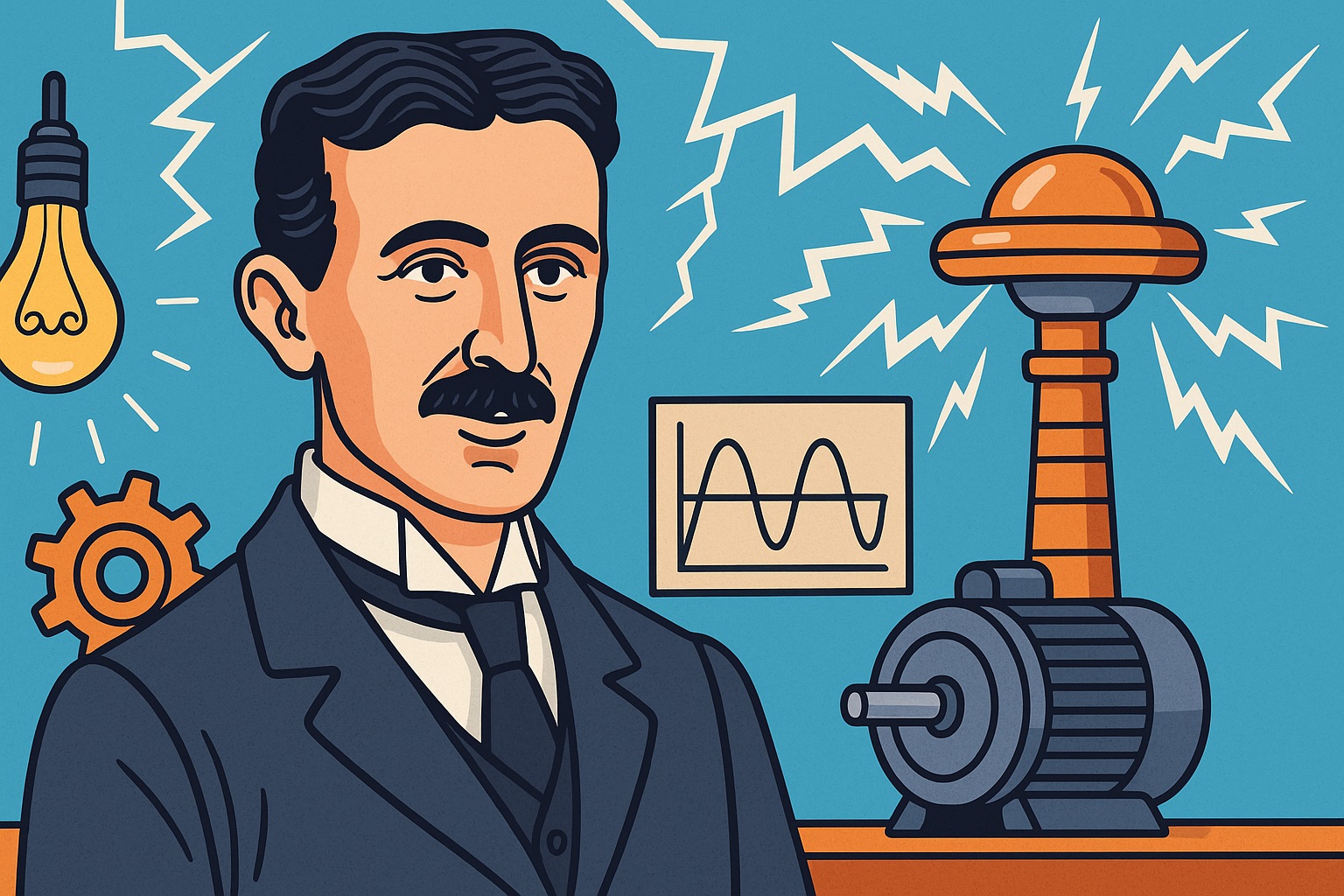
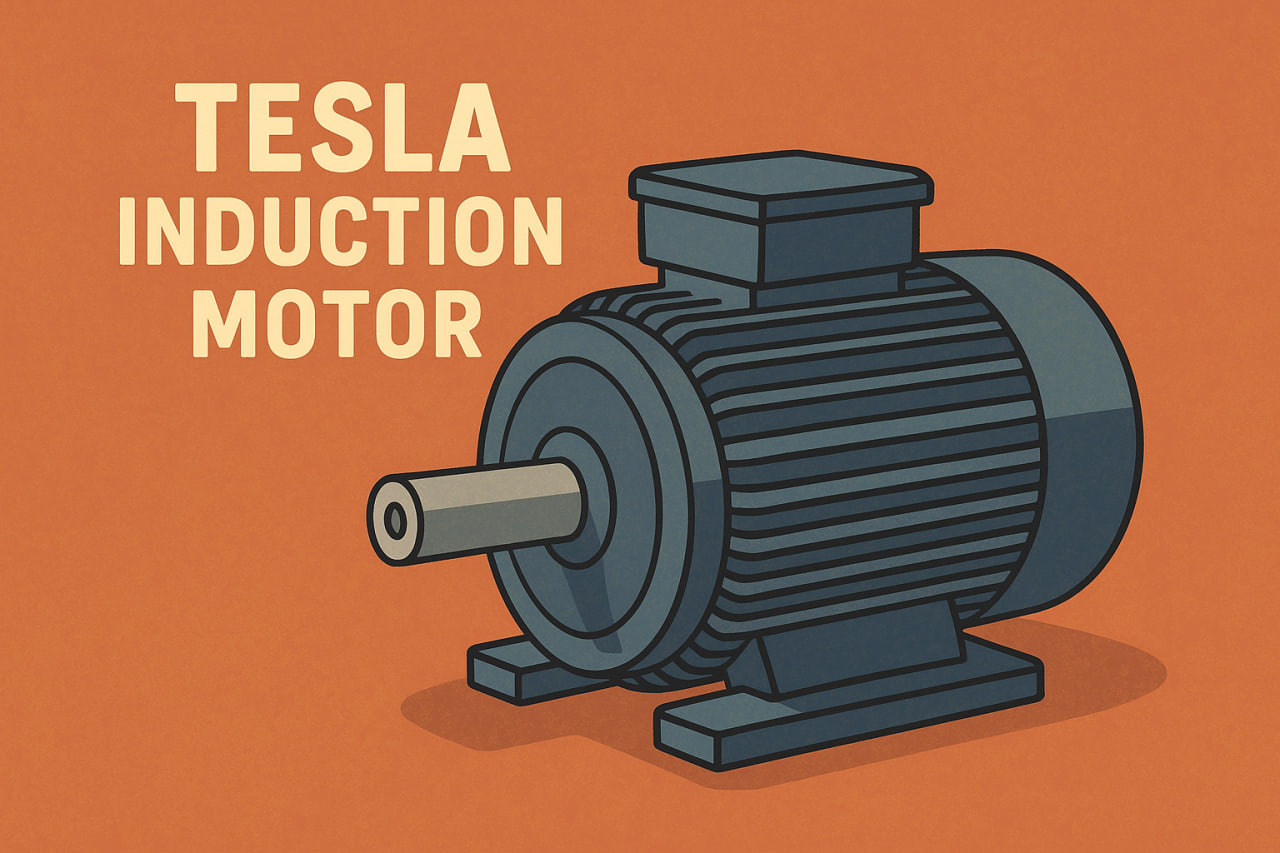
The induction motor invented by Nikola Tesla in 1887 is considered one of the most transformative technologies in the history of engineering. This motor changed the way industries operate by introducing a highly efficient, self-starting machine that runs on alternating current. Before Tesla’s work, electric motors were unreliable, required constant maintenance, and operated poorly under load. Tesla’s induction motor solved these problems by using a rotating magnetic field, a concept that became a cornerstone of modern electromechanical systems. Today, induction motors power everything from household appliances to large industrial machines, showcasing their durability, efficiency, and stability. Engineers often describe Tesla’s invention as the foundation upon which the modern electrical age was built, demonstrating his extraordinary vision and deep understanding of electromagnetic principles.
The Tesla Coil: History, Principles, and Modern Applications
History Tesla&Co Be Smart

The Tesla Coil: History, Principles, and Modern Applications

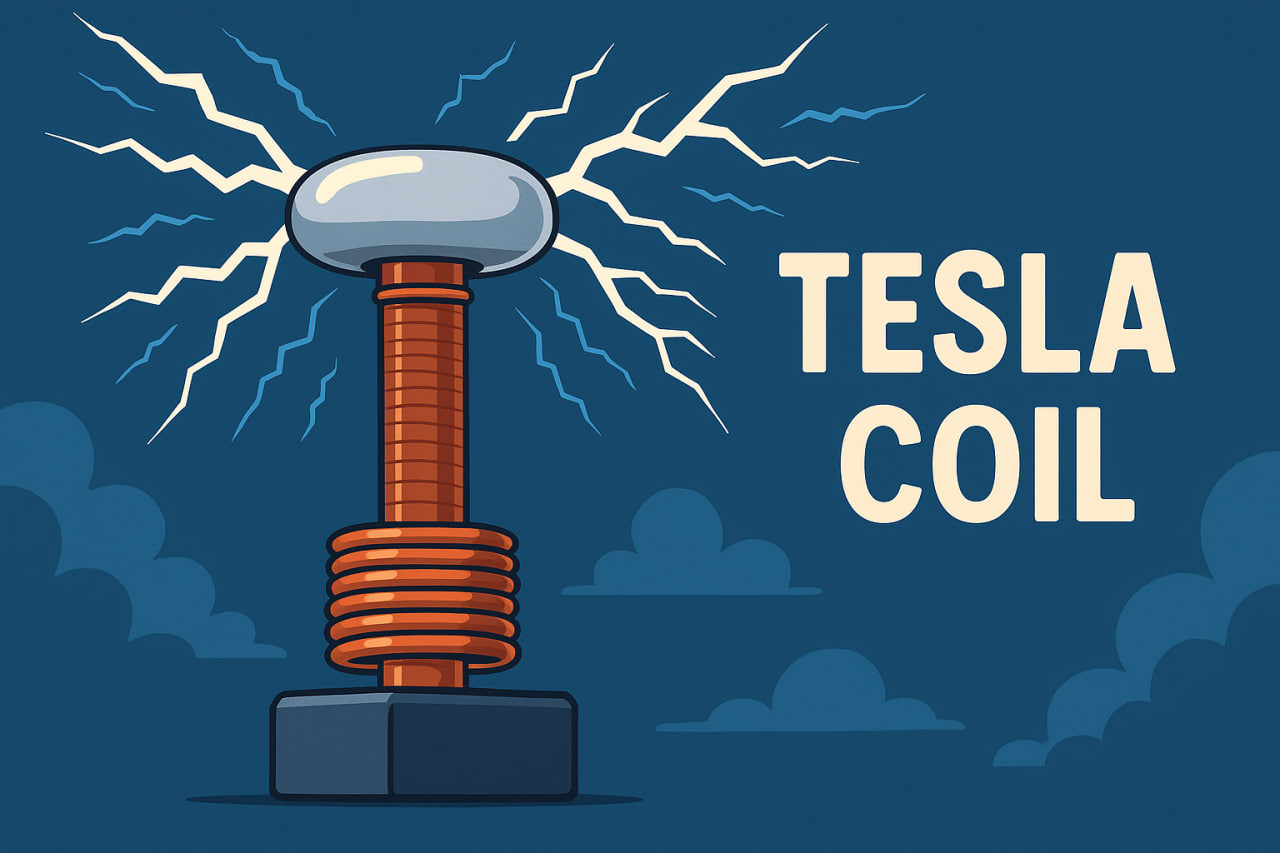
The Tesla Coil is one of the most iconic inventions in the history of electrical engineering, developed by Nikola Tesla in the 1890s as part of his pioneering research into high-frequency and wireless power transmission. This remarkable device produces extremely high voltages, creates spectacular electrical discharges, and demonstrates principles of resonance that were revolutionary for its time. Tesla originally designed the coil as a tool for transmitting electricity wirelessly across long distances, a concept he hoped would one day power homes and industries without traditional wires. Although this grand vision was never fully realized, the Tesla Coil became an essential experimental instrument that advanced the understanding of electromagnetism, radio-frequency engineering, and resonant circuits. Experts emphasize that despite being more than a century old, the Tesla Coil remains an extraordinary example of engineering creativity and scientific intuition.

Nikola Tesla’s Most Famous Inventions and Innovations
History Smart Technology Science

Nikola Tesla’s Most Famous Inventions and Innovations

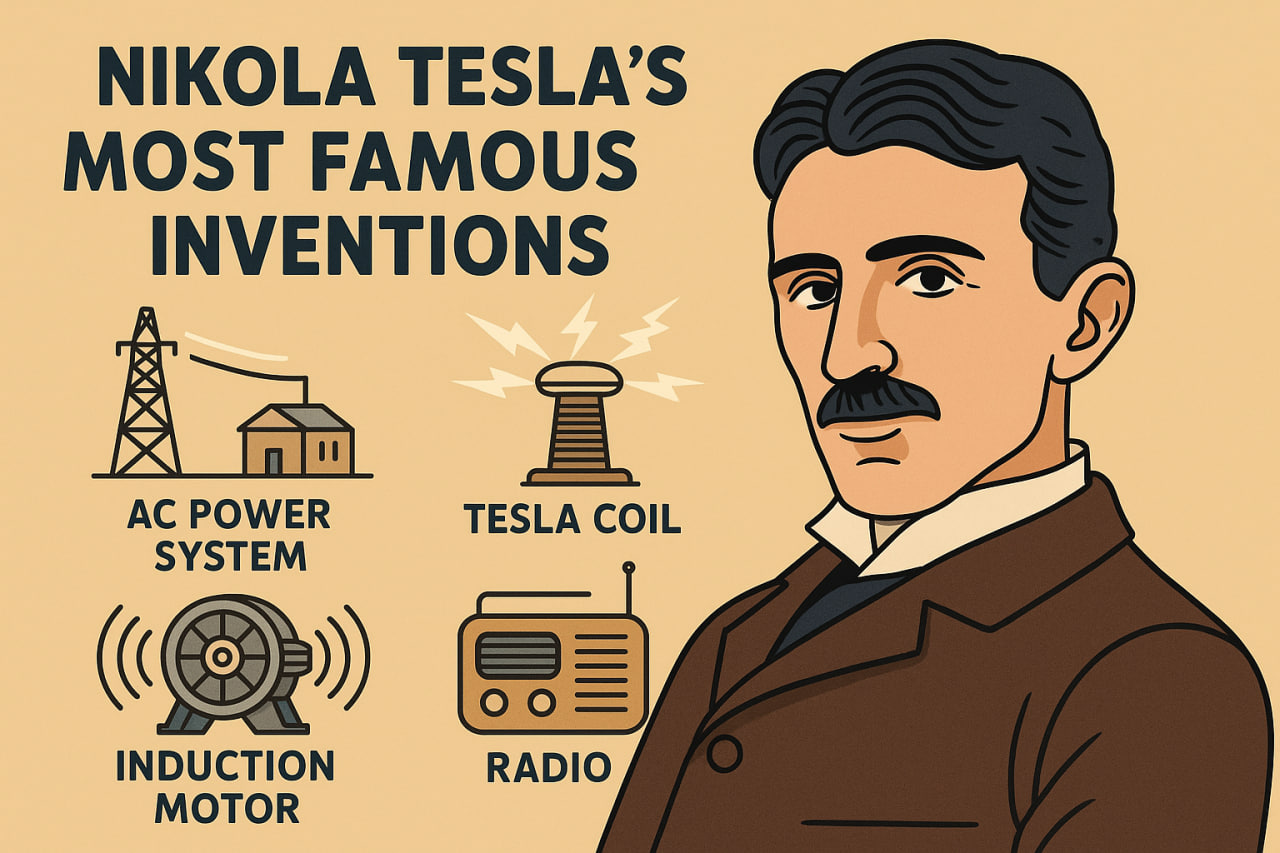
Nikola Tesla is regarded as one of the most influential inventors in history, whose ideas continue to shape modern technology more than a century later. His work laid the foundations for alternating current power distribution, wireless communication, radio systems, high-frequency electronics, and numerous visionary concepts far ahead of their time. Tesla approached science with exceptional imagination, combining deep theoretical knowledge with bold experimentation. Many of his innovations solved fundamental engineering problems that were limiting progress in the late 19th and early 20th centuries. Today, Tesla’s technologies are integrated into global power grids, communication networks, and scientific research facilities. Historians emphasize that Tesla’s legacy represents the bridge between early electrical engineering and the technological world we now inhabit.

Nikola Tesla and Atmospheric Electricity Collectors
History Smart Technology Science

Nikola Tesla and Atmospheric Electricity Collectors

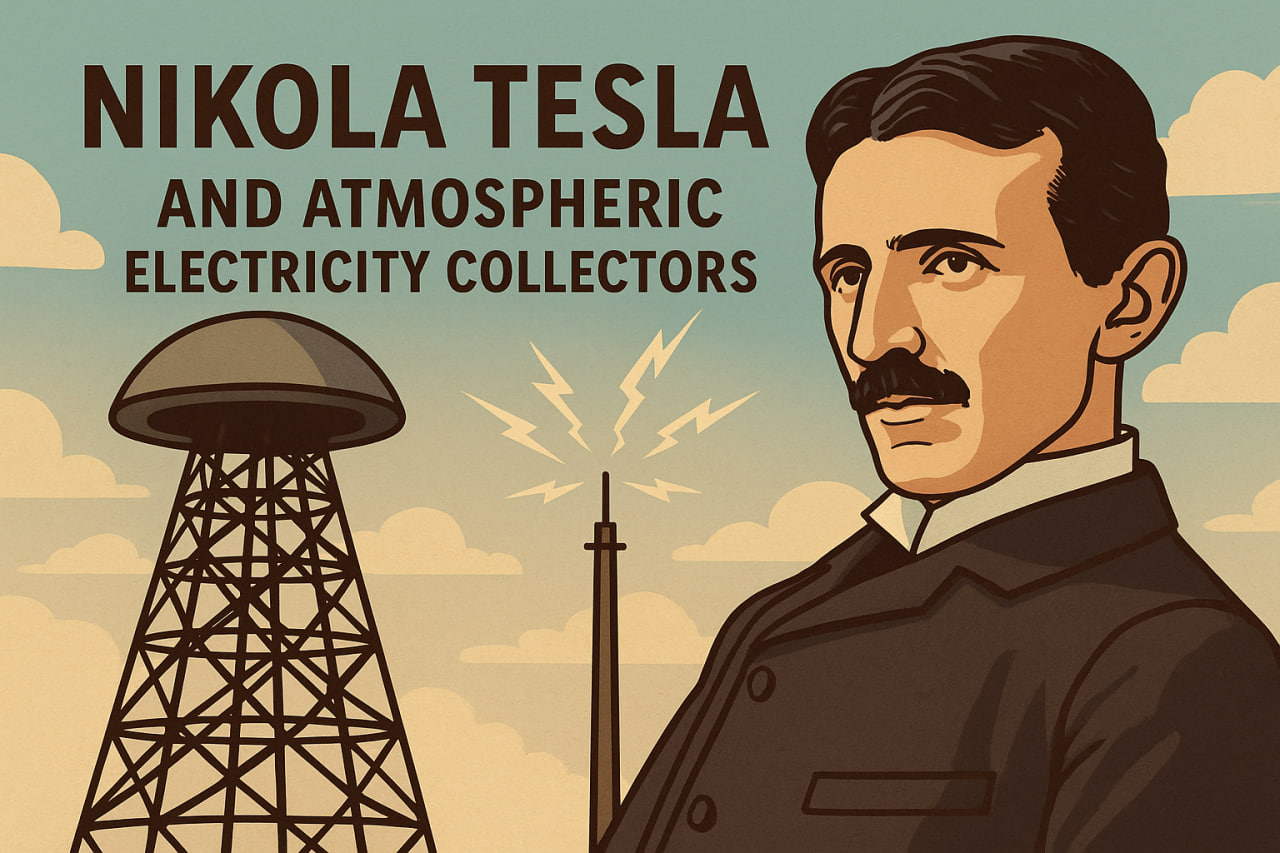
Nikola Tesla’s experiments with atmospheric electricity collectors remain one of the most intriguing chapters in the history of electrical engineering. Tesla believed that Earth’s atmosphere contained vast stores of electrical energy that could be captured and transmitted without traditional fuel sources. Throughout the late 19th and early 20th centuries, he conducted numerous experiments involving high-frequency currents, elevated conductive plates, and resonant transformers designed to tap into natural electrical potentials. Although many of Tesla’s patents and laboratory notes describe his concepts in detail, the full technical feasibility of his atmospheric collectors remains a subject of debate among historians and engineers. Even so, his pioneering research laid foundational ideas for modern wireless energy transfer and environmental energy harvesting. Tesla’s atmospheric electricity concepts continue to inspire scientists, inventors, and enthusiasts exploring alternative methods of clean power generation today.

Nikola Tesla: Biography and Inventions
History Tesla&Co Be Smart

Nikola Tesla: Biography and Inventions

Nikola Tesla was born on July 10, 1856, in Smiljan, a village in the Austrian Empire (modern-day Croatia). From a young age, Tesla showed remarkable memory and imagination, often visualizing complex machines in his mind before building them. He studied engineering at the Technical University in Graz and later attended lectures at the University of Prague, though he never completed a formal degree.

Wardenclyffe Tower: Tesla’s Dream of Wireless Energy
History Smart Technology Science

Wardenclyffe Tower: Tesla’s Dream of Wireless Energy

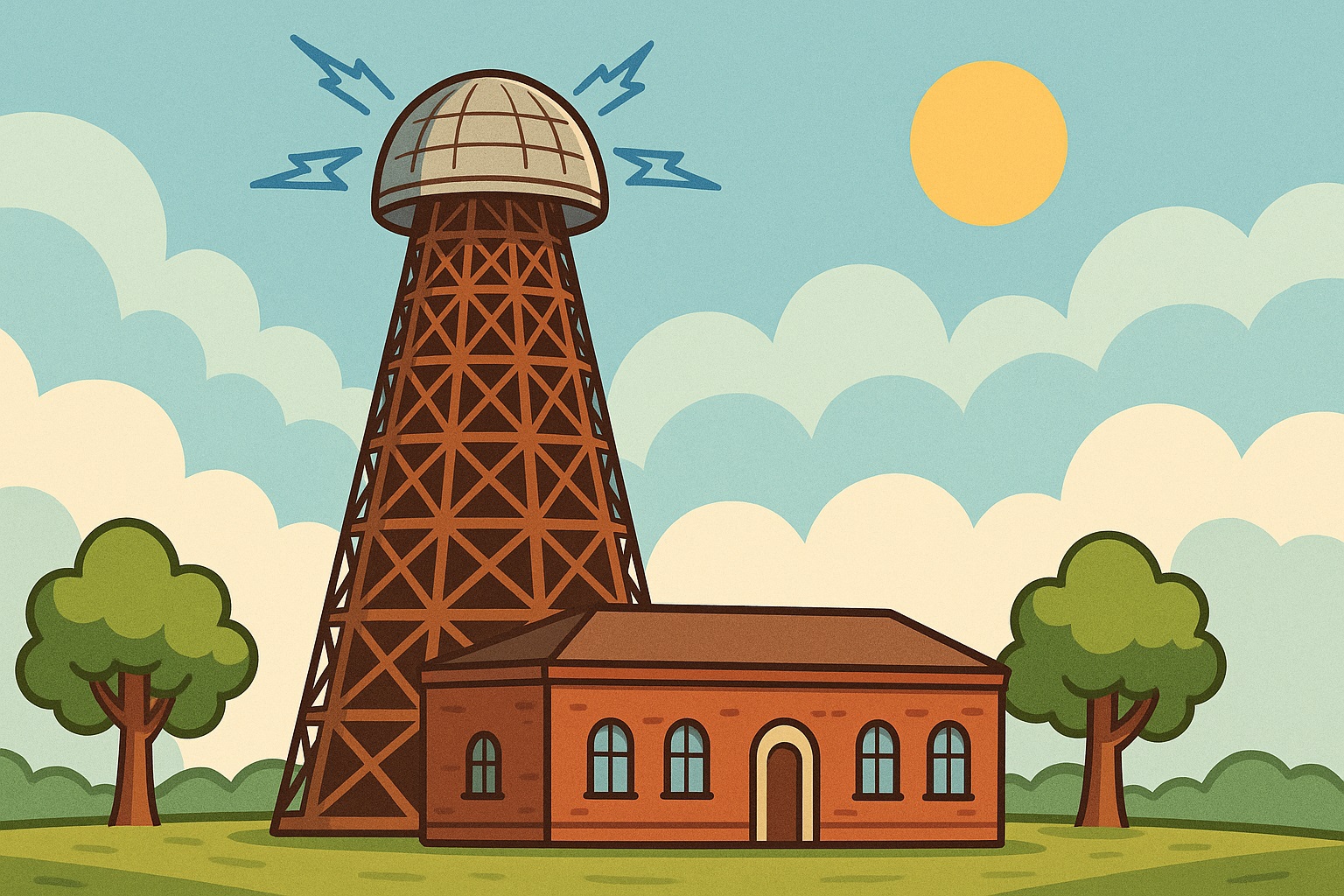
The Wardenclyffe Tower, also known as the Tesla Tower, was one of the most ambitious and visionary projects in scientific history. Designed by Nikola Tesla in the early 20th century, this massive structure was intended to demonstrate the possibility of wireless transmission of energy across great distances. Although the tower was never fully operational, it remains a powerful symbol of Tesla’s genius and his futuristic vision.

Nikola Tesla: The Inventor Who Shaped the Modern World
History Science Tesla&Co

Nikola Tesla: The Inventor Who Shaped the Modern World

Nikola Tesla was a brilliant inventor, physicist, and visionary whose innovations in electricity and engineering transformed the way we live today. Though often overshadowed in his time, Tesla's contributions to science laid the foundation for many modern technologies, including wireless communication, alternating current, and even robotics.