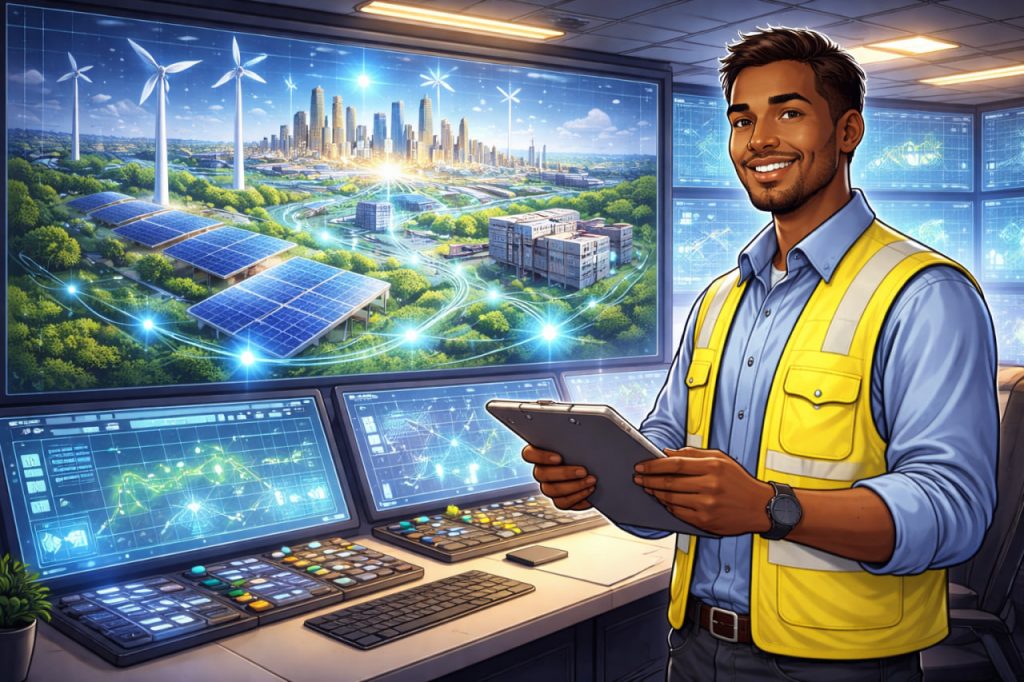
Modern energy systems are undergoing a major transformation as digital technologies reshape the way electricity is generated, distributed, and consumed. One of the most important developments in this transformation is the emergence of smart grids, advanced electricity networks that use digital communication, sensors, and automation to manage energy more efficiently. Traditional power grids were designed for a one-way flow of electricity—from large power plants to homes and businesses. Smart grids, however, enable a two-way exchange of information and energy, allowing producers and consumers to interact dynamically within the system. This technological shift helps improve reliability, reduce energy losses, and integrate renewable energy sources such as solar and wind power into national electricity networks. As energy demand continues to grow, smart grids are becoming a key component of modern infrastructure designed to support a more flexible and sustainable energy system.
How Traditional Power Grids Work
Conventional electricity grids operate through a relatively simple structure. Large power plants generate electricity, which is transmitted through high-voltage lines over long distances to substations and finally distributed to homes and businesses. While this system has powered modern societies for more than a century, it was not designed to handle the complexity of decentralized energy sources or fluctuating demand patterns. In traditional grids, operators often have limited real-time information about consumption levels and grid performance. According to energy systems researcher Dr. Natalia Kovalenko:
“Traditional power grids function reliably, but they lack the digital awareness needed to respond quickly to changing energy conditions.”
As renewable energy production increases and electricity consumption becomes more dynamic, this limitation becomes increasingly significant.
What Makes a Grid “Smart”
A smart grid integrates advanced technologies such as digital sensors, automated control systems, and real-time data analysis into the electrical network. These technologies allow grid operators to monitor energy flows continuously and respond quickly to disruptions or changes in demand. Smart meters installed in homes and businesses can communicate directly with energy providers, providing detailed information about electricity consumption patterns. This data helps utilities optimize energy distribution and reduce unnecessary energy losses. By enabling real-time communication between different parts of the grid, smart networks can automatically balance supply and demand more efficiently.
Integration of Renewable Energy
One of the greatest advantages of smart grids is their ability to support renewable energy integration. Solar panels, wind turbines, and other decentralized energy sources produce electricity at varying levels depending on weather conditions. Smart grid systems can quickly adjust energy distribution to accommodate these fluctuations. For example, when solar power production increases during sunny periods, the grid can redistribute excess electricity to other areas or store it in energy storage systems. Energy technology expert Dr. Marcus Leclerc explains:
“Smart grids act like the nervous system of modern energy networks, constantly sensing and adjusting to maintain balance.”
This capability makes it easier to incorporate large amounts of renewable energy without destabilizing the electrical system.
Energy Storage and Consumer Participation
Smart grids also encourage greater participation from consumers in managing energy use. Homes equipped with solar panels, battery storage systems, or electric vehicles can both consume and supply electricity to the grid. These users are sometimes referred to as “prosumers” because they both produce and consume energy. Smart systems allow households to sell excess electricity back to the grid or store energy for later use. This decentralized model creates a more resilient energy network where power generation is distributed across many smaller sources rather than concentrated in a few large power plants.
Challenges and Future Developments
Despite their advantages, smart grids require significant investment in infrastructure, cybersecurity, and digital management systems. Protecting sensitive energy data and preventing cyber threats are major concerns for utilities implementing these technologies. Additionally, upgrading existing electrical networks to support smart systems can be costly and complex. However, as renewable energy adoption grows and digital technologies continue to advance, smart grids are expected to play an increasingly important role in the future of global energy systems.
Interesting Facts
- Smart grids can detect power outages in real time, allowing faster restoration of electricity.
- Some smart grid systems use artificial intelligence to predict energy demand patterns.
- Smart meters allow households to track hourly electricity consumption.
- Advanced grid technologies can reduce energy transmission losses significantly.
- Smart grids help integrate millions of small renewable energy sources into national power systems.
Glossary
- Smart Grid — an electricity network that uses digital technologies to monitor and manage energy flows efficiently.
- Smart Meter — a device that records electricity usage and communicates this data to energy providers in real time.
- Renewable Energy Integration — the process of incorporating energy from sources such as solar or wind into the power grid.
- Prosumer — a consumer who also produces electricity, often through rooftop solar panels or other technologies.
- Energy Storage — systems such as batteries that store electricity for later use.