
What Is a Singularity?
A singularity is a point in space where the known laws of physics break down. It represents a region where quantities such as density and gravity become infinite, making it impossible for...
Useful articles about our universe and science
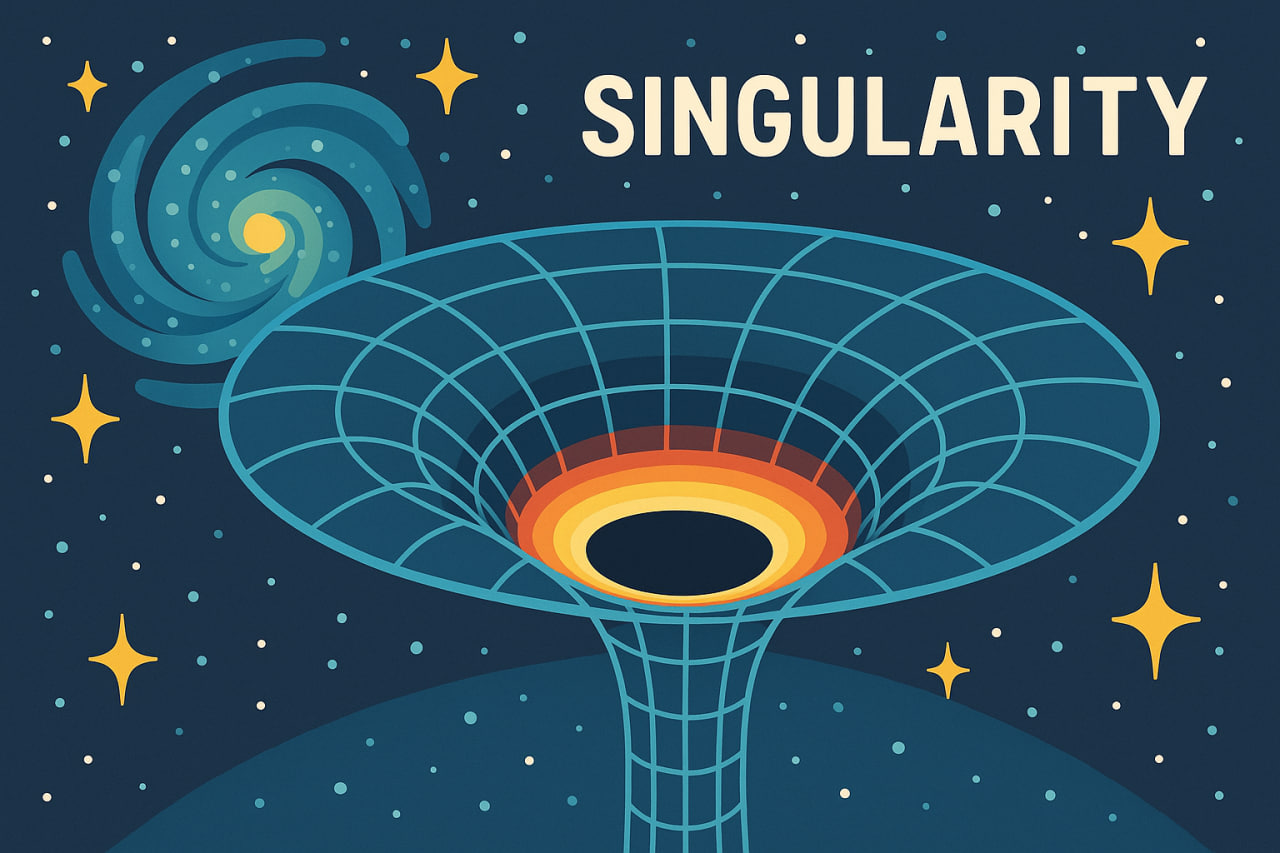
A singularity is a point in space where the known laws of physics break down. It represents a region where quantities such as density and gravity become infinite, making it impossible for...

The idea of stopping time has fascinated humanity for centuries. From myths and literature to science fiction, many stories explore what it would mean if time could come to a halt.
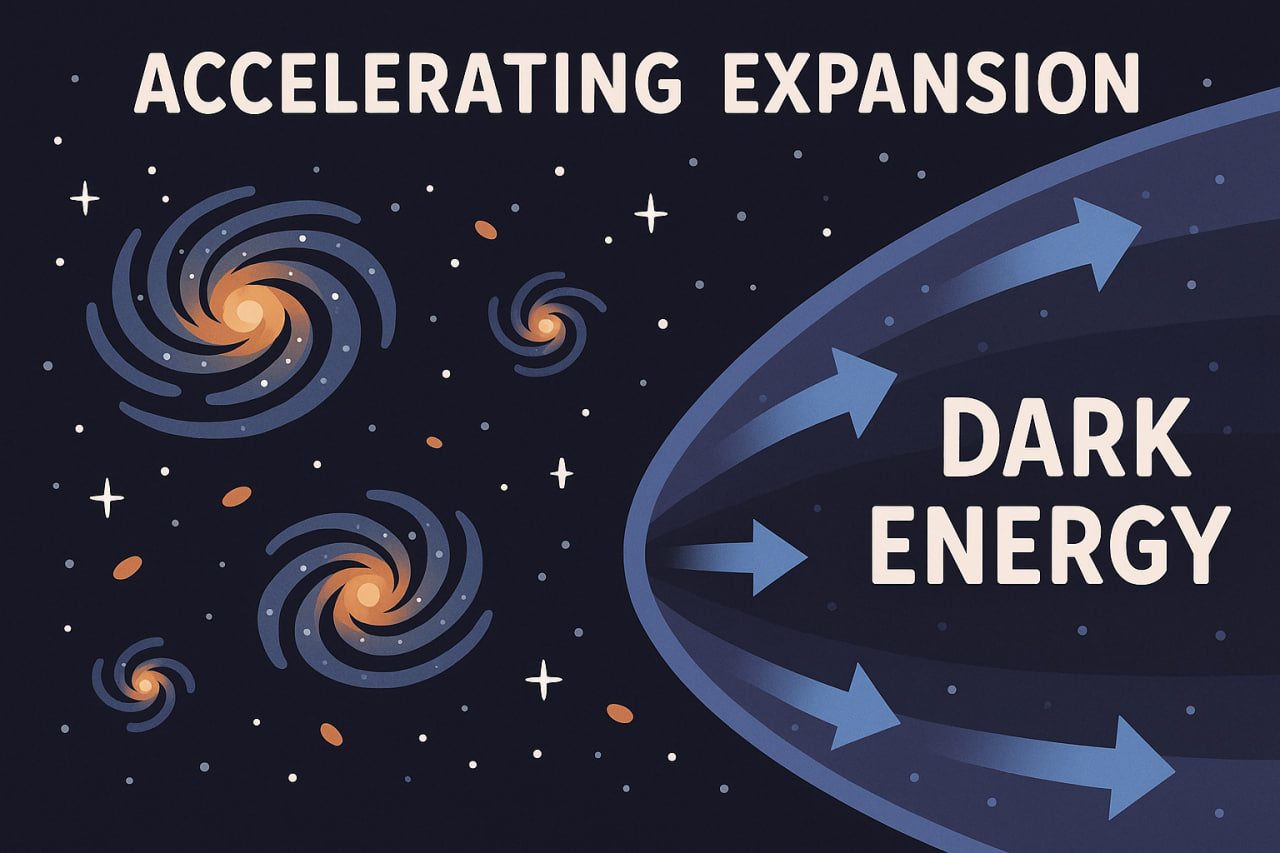
Dark energy is one of the most mysterious concepts in modern cosmology. It refers to an unknown form of energy that is thought to make up about 70% of the universe.
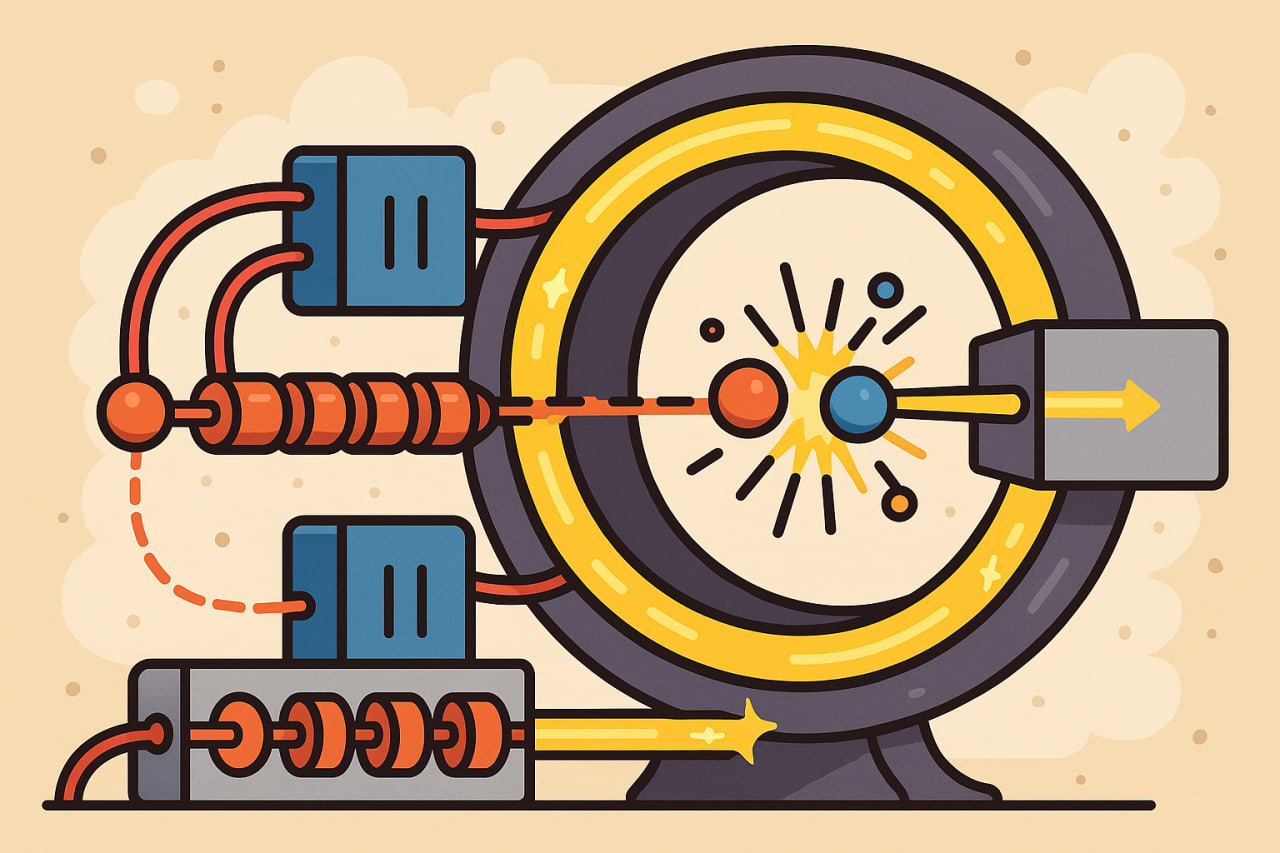
Particle accelerators are powerful machines that use electromagnetic fields to propel charged particles, such as electrons or protons, to extremely high speeds.
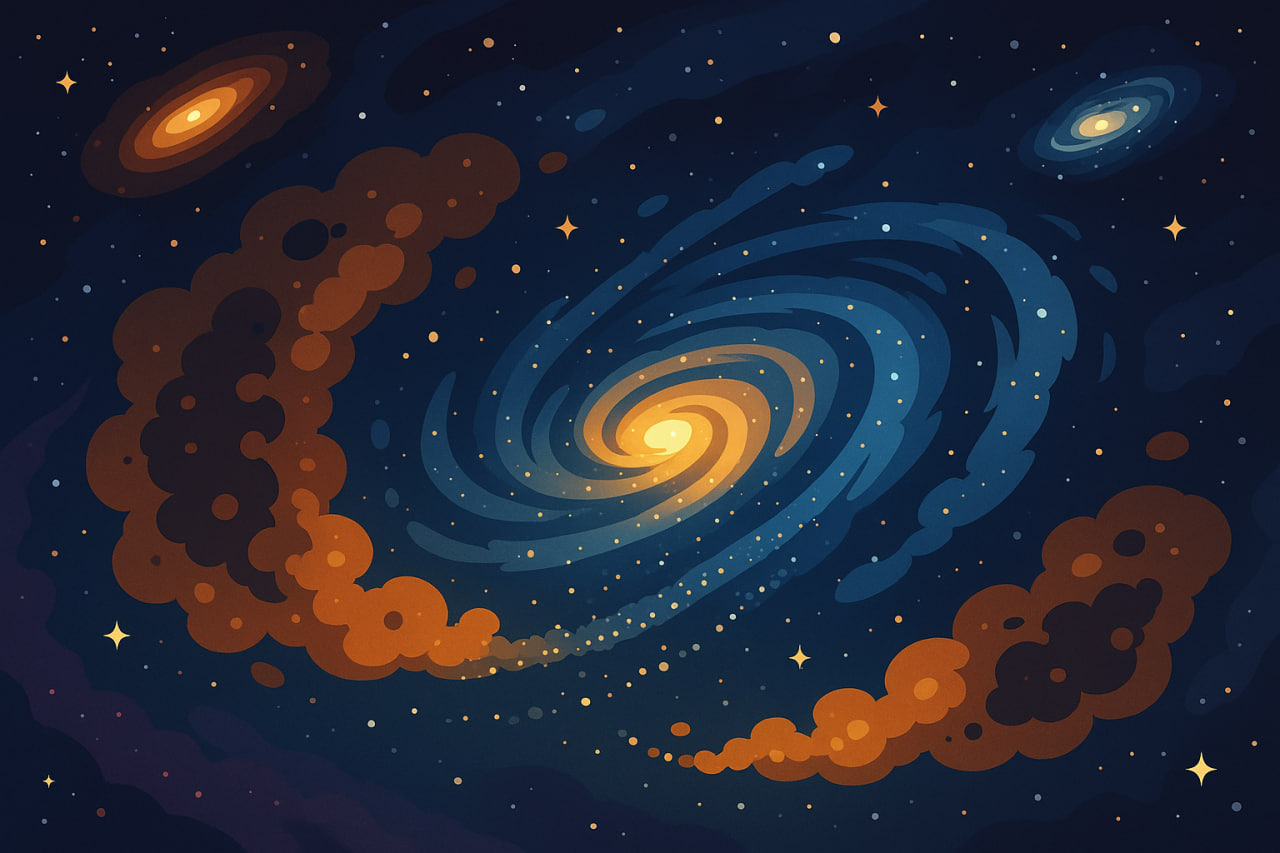
Galaxies are vast collections of stars, gas, dust, and dark matter bound together by gravity.

Open-source refers to software, data, and technologies that are freely available for anyone to use, modify, and distribute.

Digital twins are virtual replicas of physical objects, systems, or processes that allow real-time monitoring, simulation, and optimization.

Sustainable development is the pursuit of progress that meets present needs without compromising the ability of future generations to meet theirs.

Machine learning (ML) is transforming how scientists collect, analyze, and interpret data across all fields of research.

Automated laboratories are transforming scientific research by integrating robotics, artificial intelligence, and advanced data systems to conduct experiments with minimal human intervention.