
How Old Is the Universe?
The age of the universe is one of the most fundamental questions in cosmology. Scientists estimate that the universe is about 13.8 billion years old.
Useful articles about our universe and science
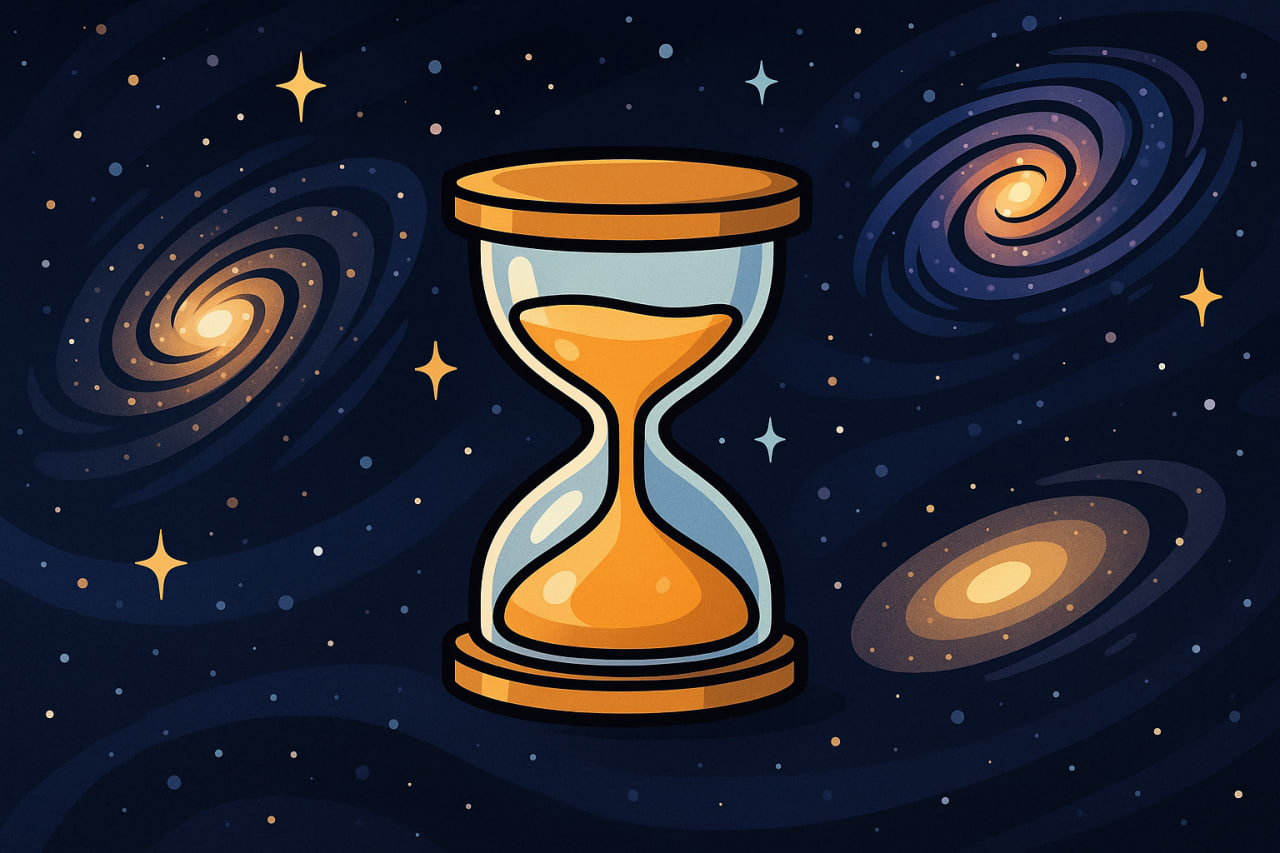
The age of the universe is one of the most fundamental questions in cosmology. Scientists estimate that the universe is about 13.8 billion years old.
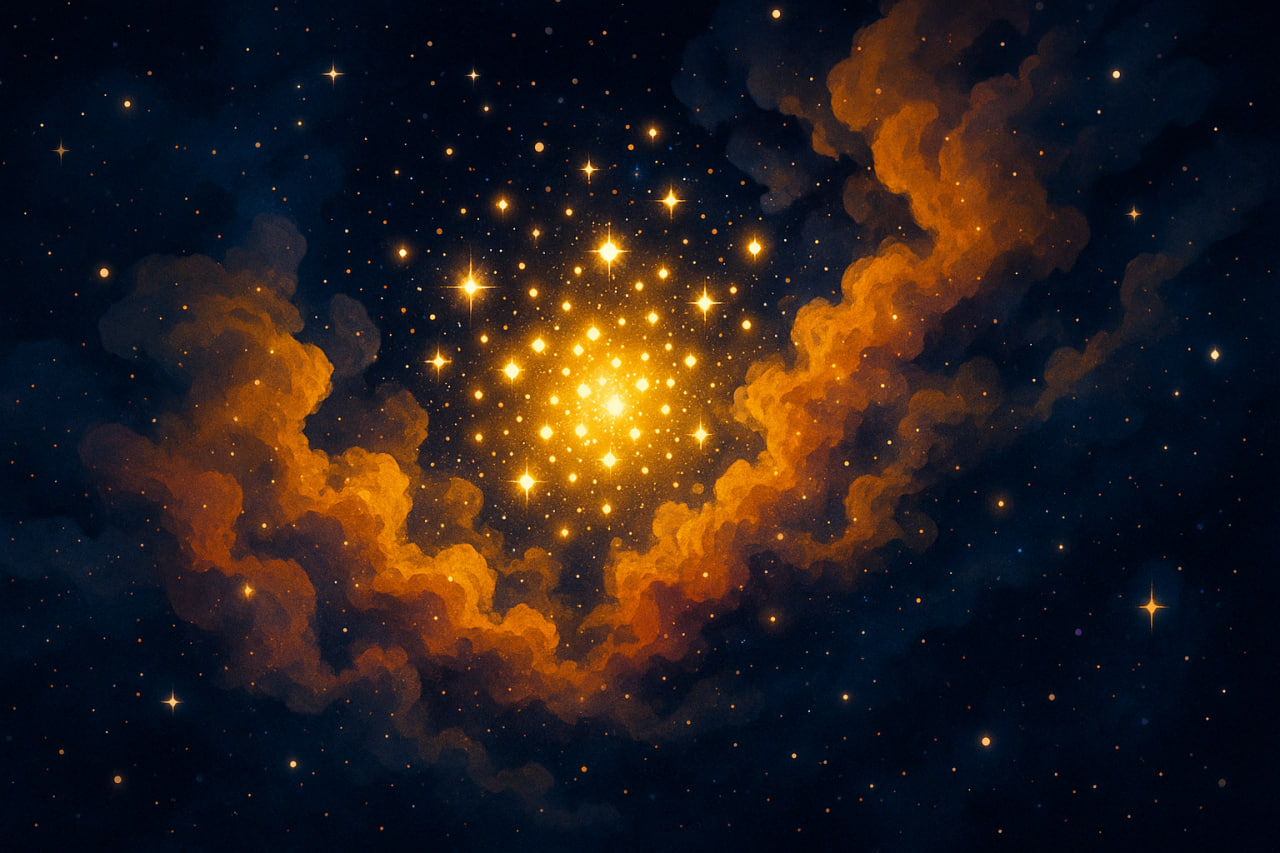
Star clusters are groups of stars bound together by gravity, often born from the same giant cloud of gas and dust. They provide astronomers with important insights into how stars form and evolve.
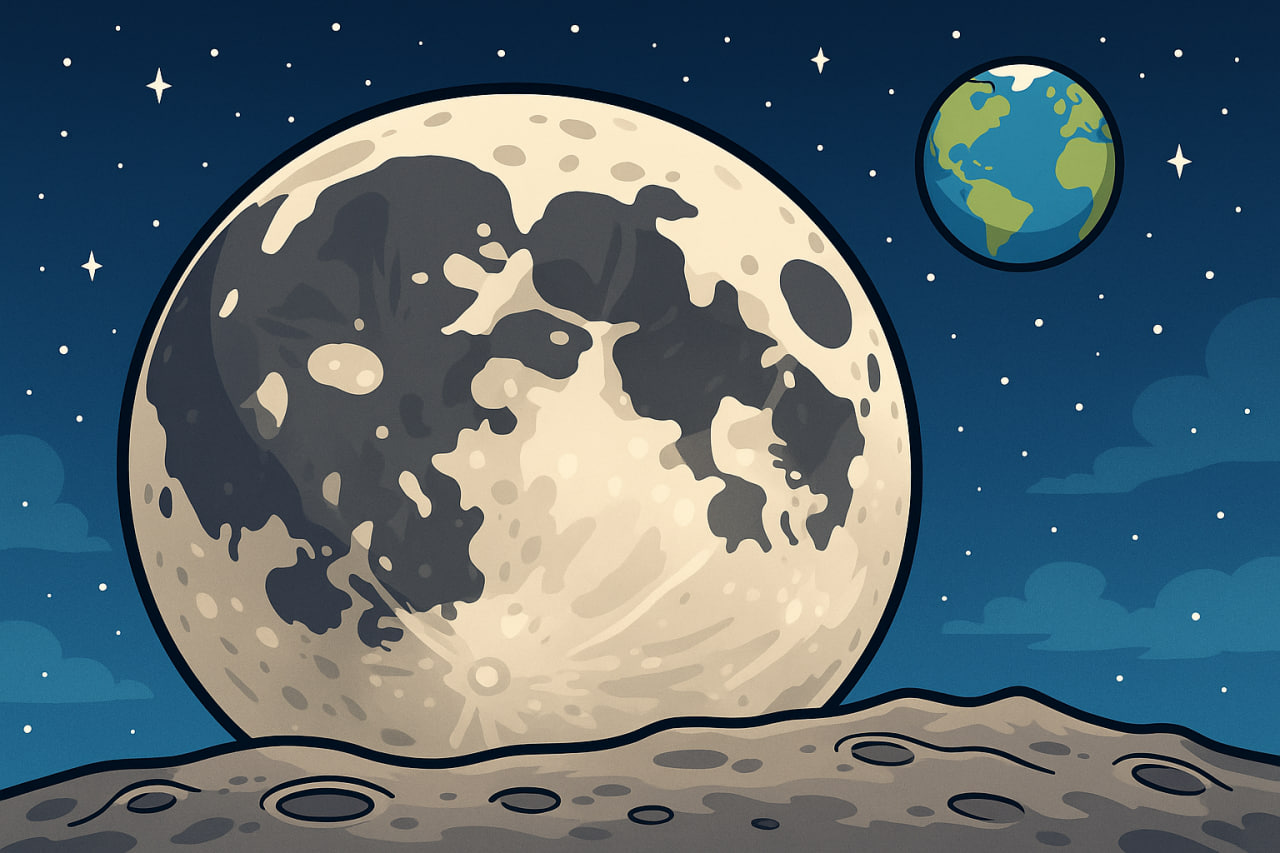
Lunar maria, often called “lunar seas,” are the large, dark plains visible on the surface of the Moon. Despite their name, they are not seas of water but vast areas of solidified lava.
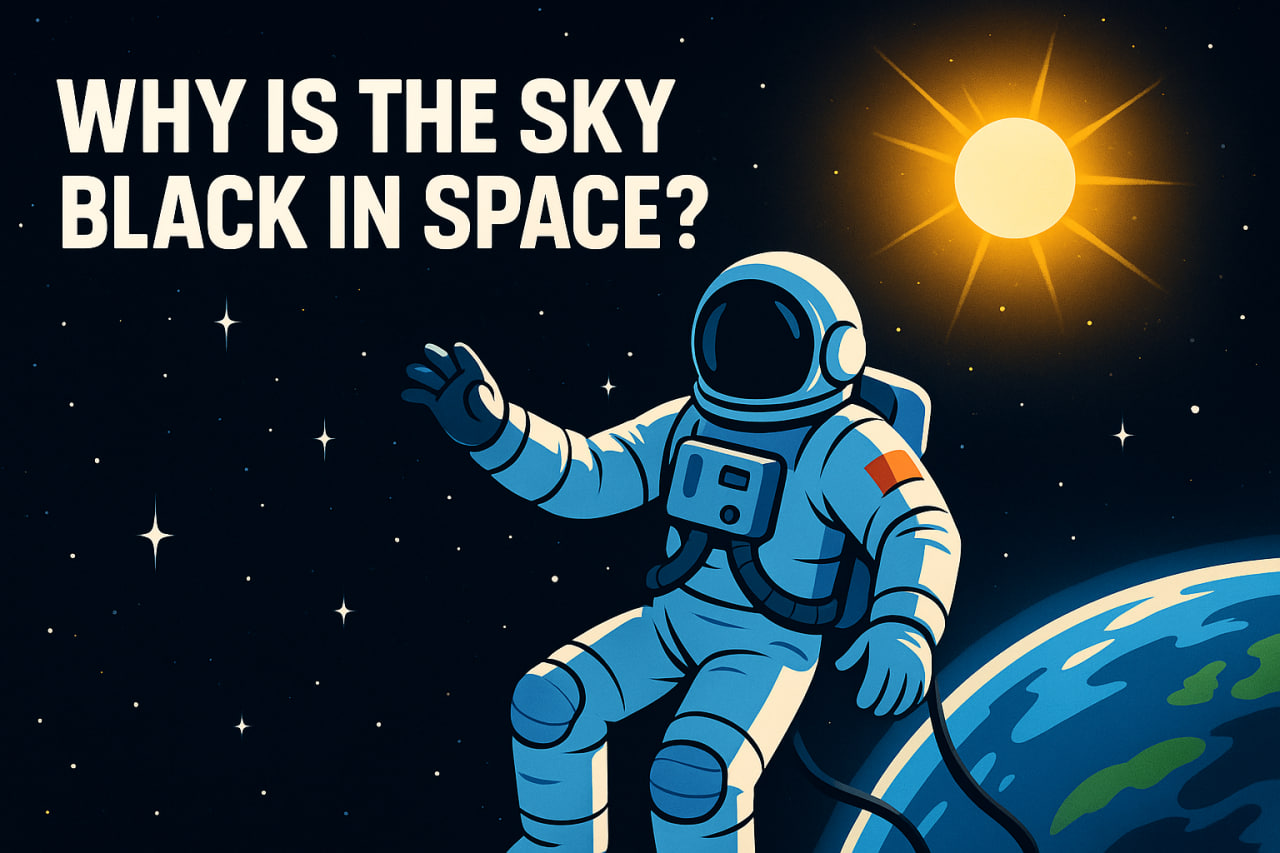
When astronauts look out into space, they see a black sky, even though the Sun is shining brightly. This might seem strange because on Earth, the daytime sky is blue.
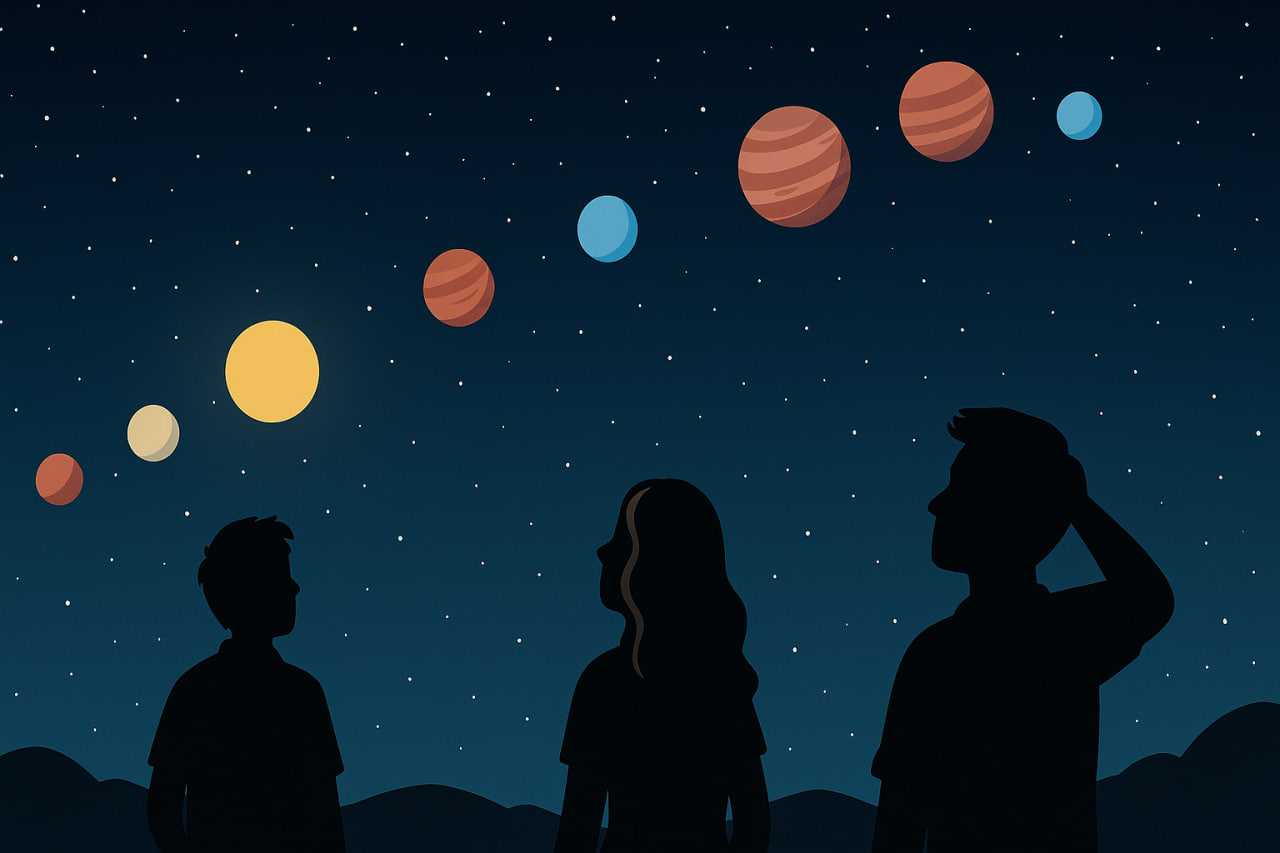
A planetary alignment, often called a planetary parade, is an astronomical event when several planets appear lined up in the sky from Earth’s perspective.
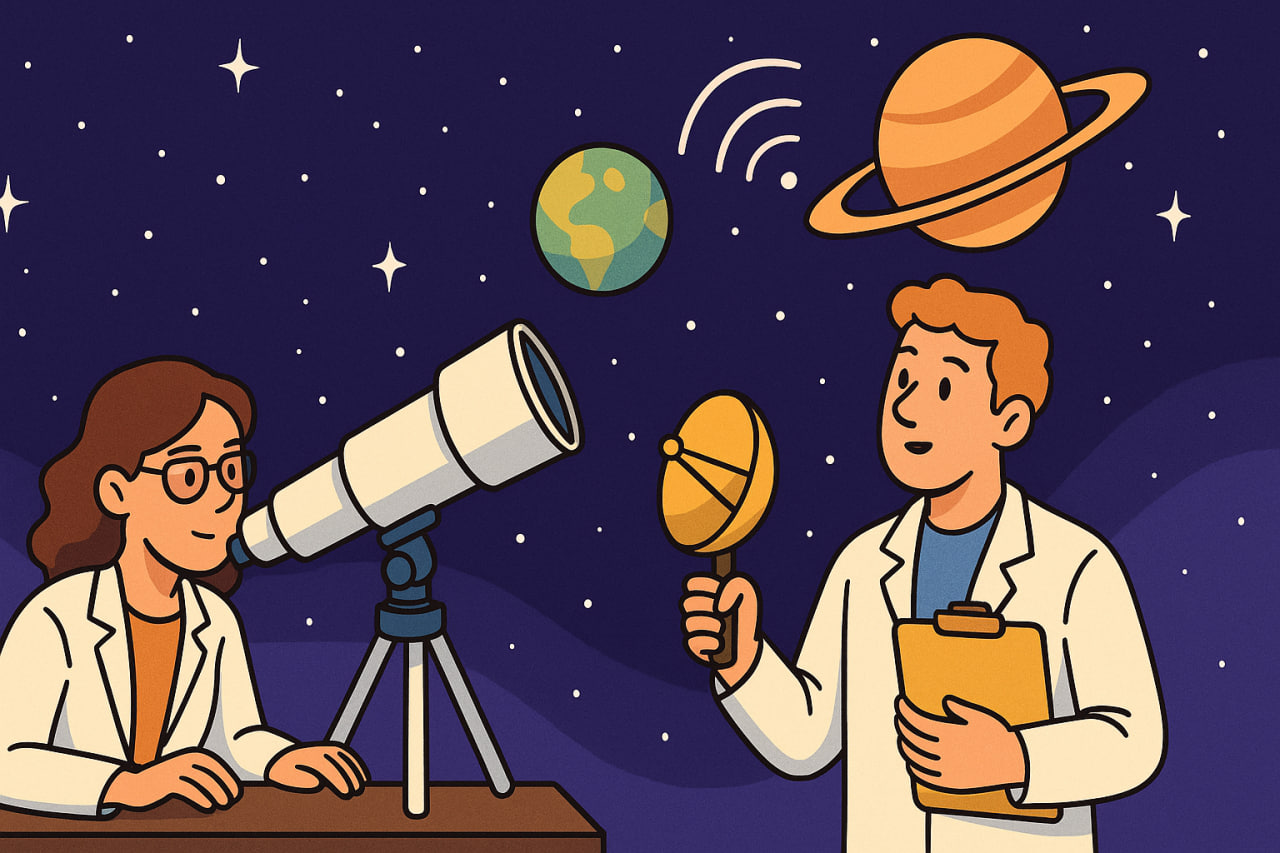
The question of whether life exists beyond Earth is one of humanity’s greatest mysteries. Scientists approach this search using a combination of astronomy, biology, and advanced technology.
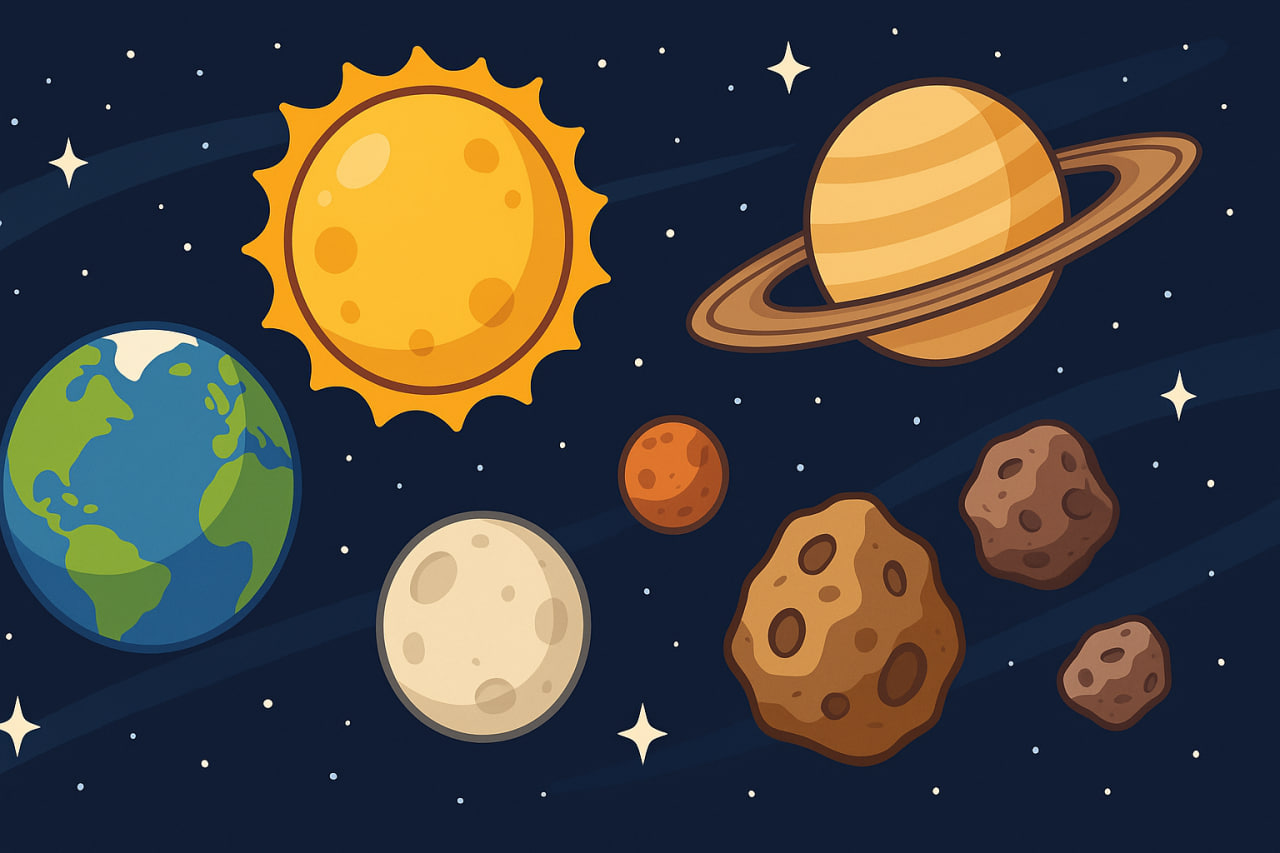
When we observe planets, stars, and many moons, one thing stands out—they are mostly round.
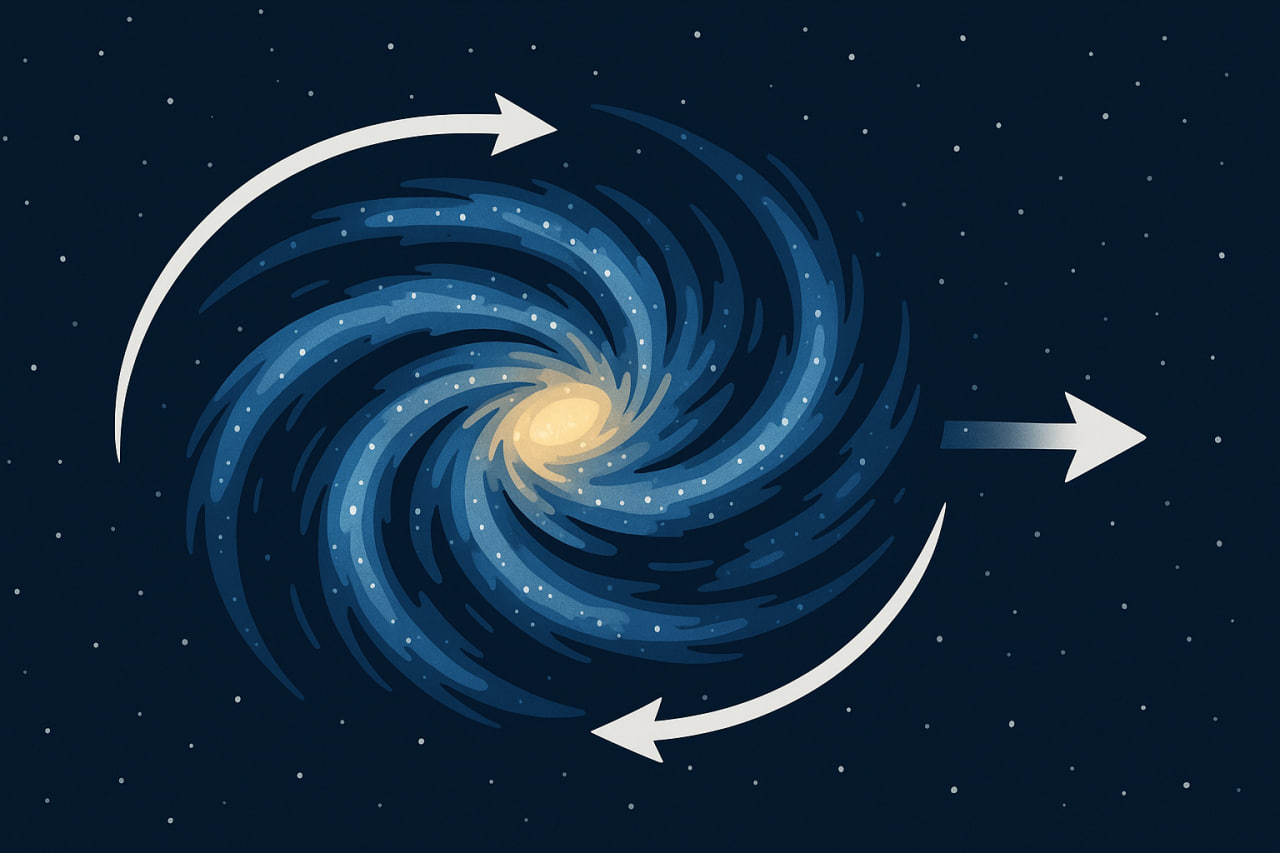
The Milky Way Galaxy is our cosmic home, containing billions of stars, planets, nebulae, and black holes.
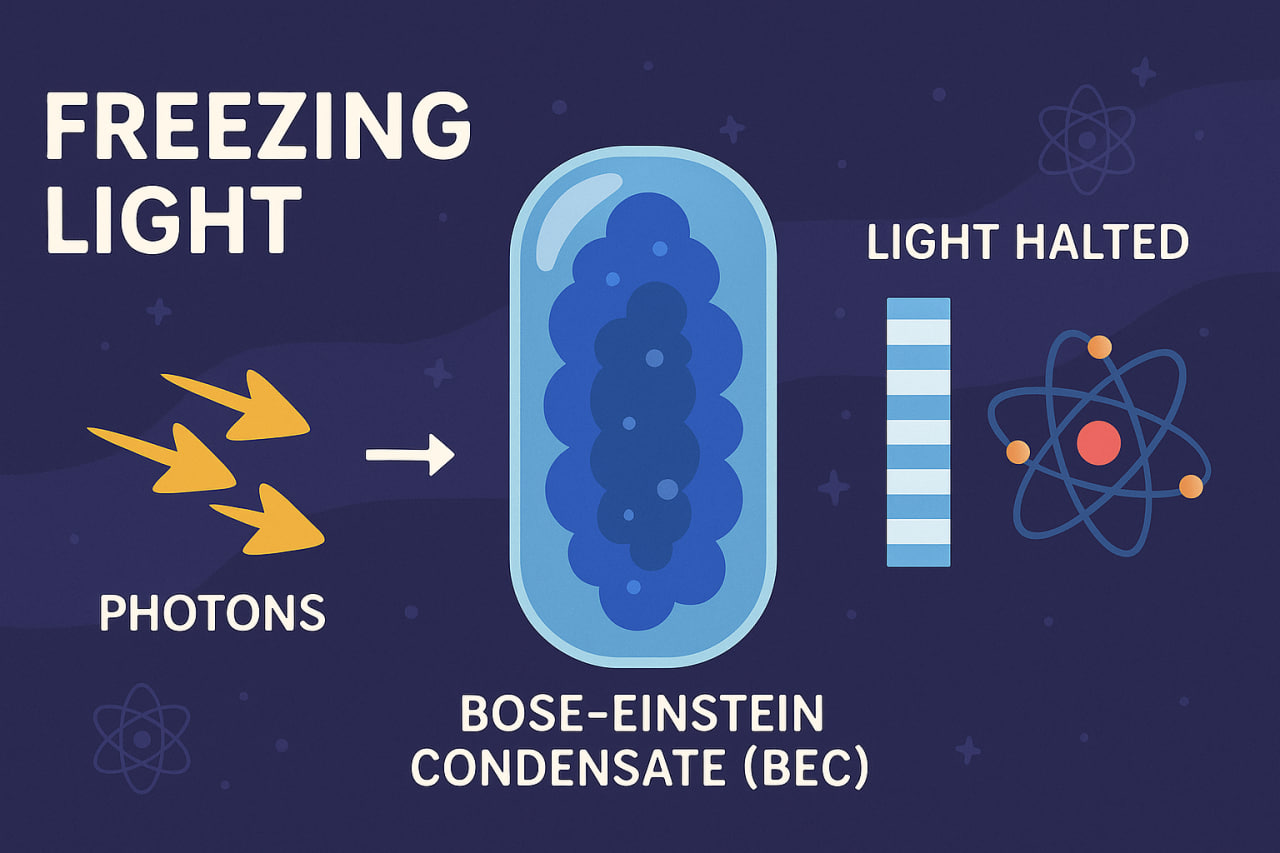
The idea of freezing light may sound like science fiction, but modern physics has shown that it is possible to slow down or even stop light under special conditions.

Glass is one of the most versatile and widely used materials in human history. From windows and bottles to fiber optics and laboratory equipment, glass plays an essential role in everyday...