
What Are Binary Stars and How Do Scientists Discover Them?
A binary star system is made up of two stars that orbit around a common center of mass due to their mutual gravitational pull.
Useful articles about our universe and science
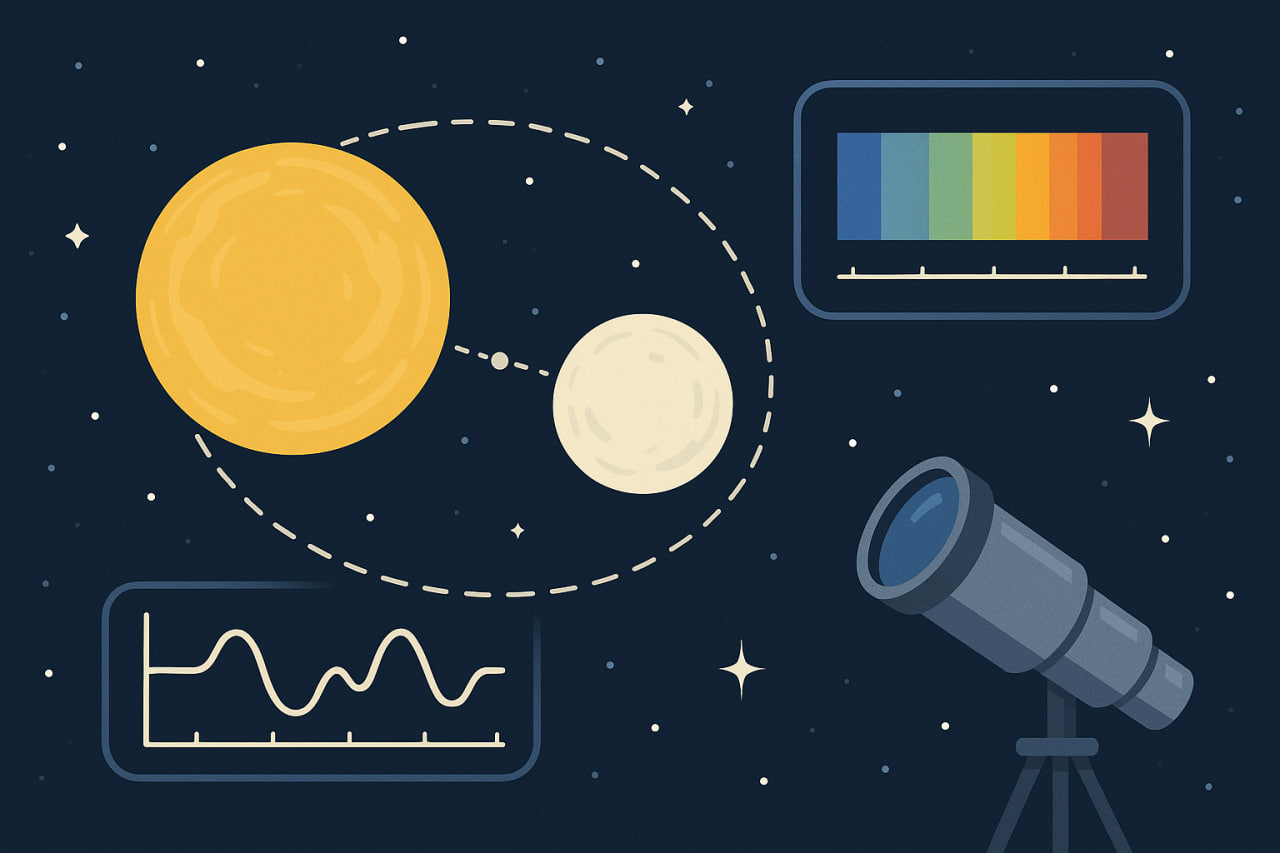
A binary star system is made up of two stars that orbit around a common center of mass due to their mutual gravitational pull.

For many years, scientists believed the Moon was completely dry. However, modern space missions and satellite observations have revealed the presence of water ice in permanently shadowed...
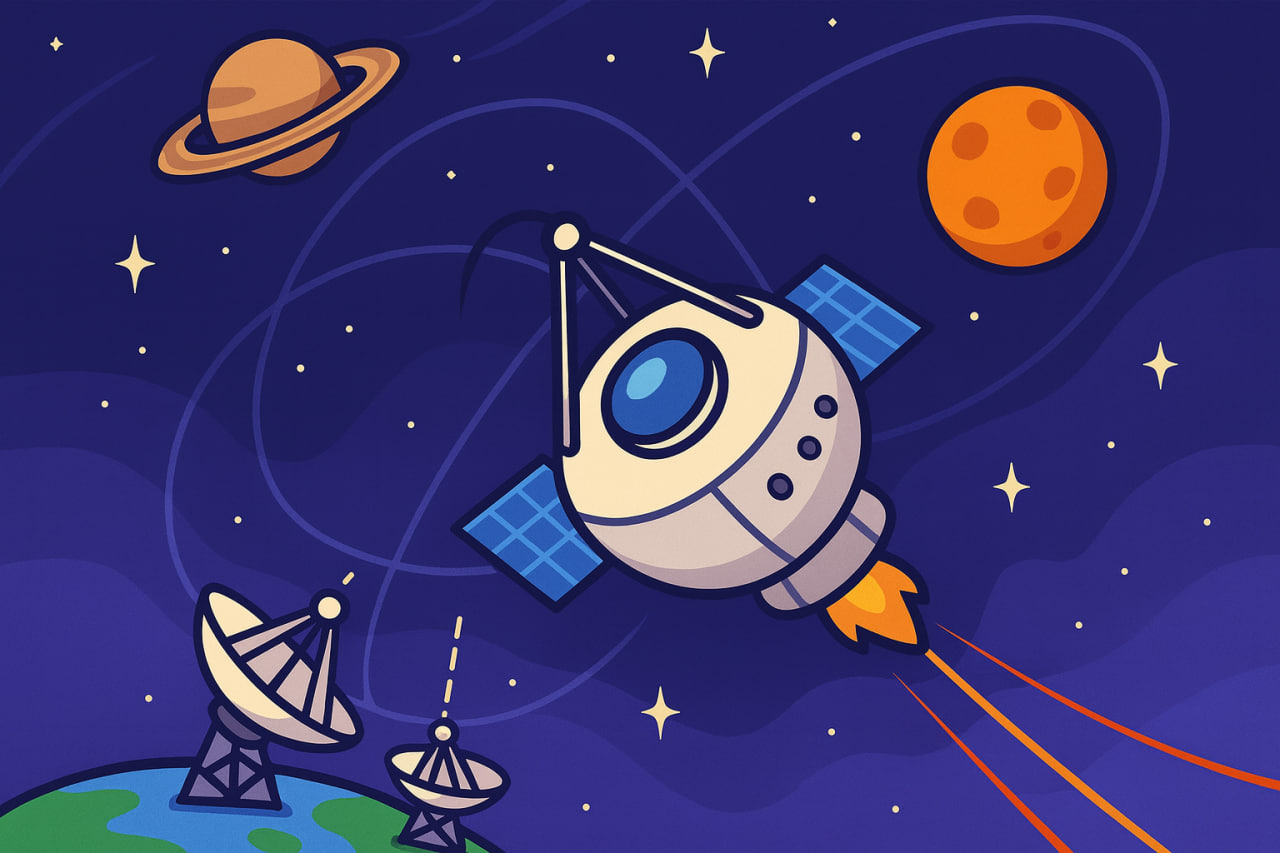
Navigating in space is much more complex than traveling on Earth because there are no roads, signposts, or fixed reference points.
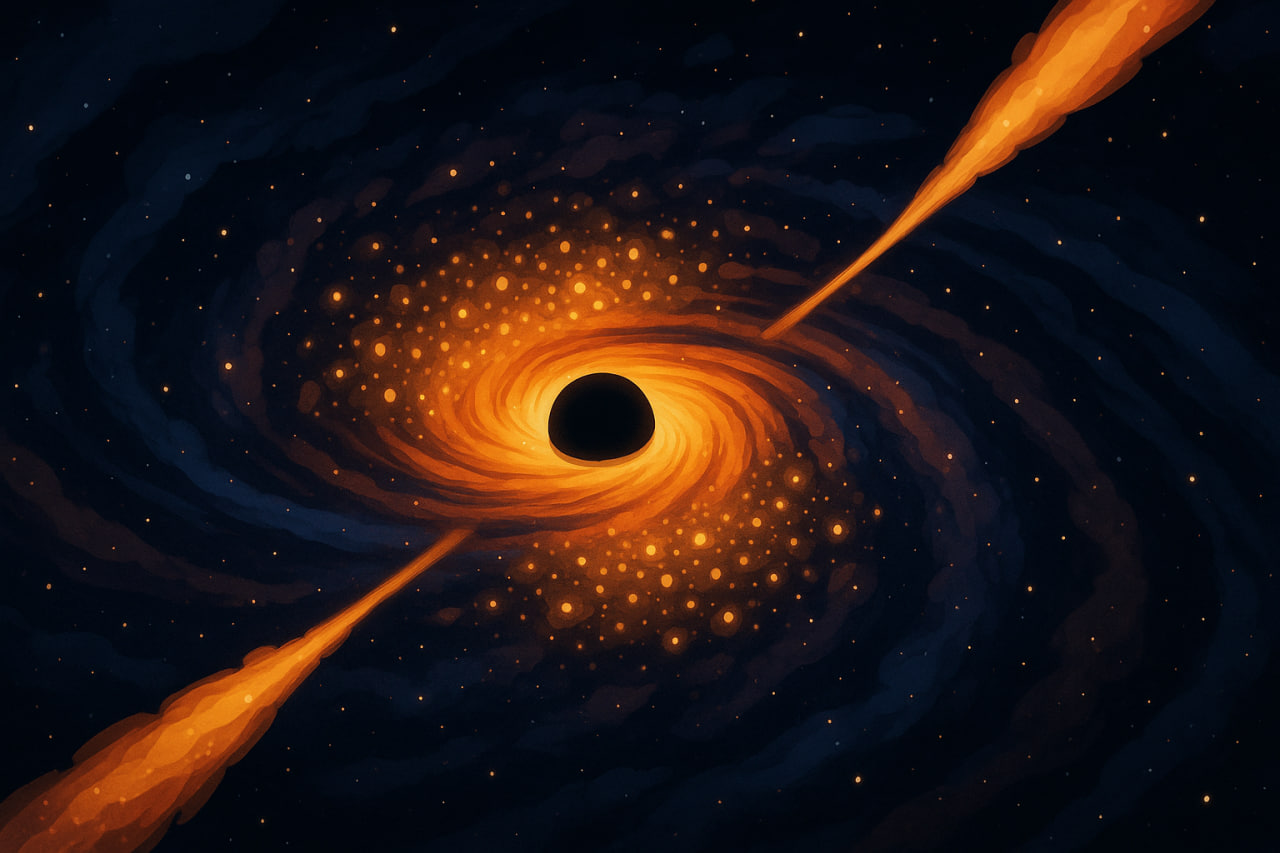
The centers of galaxies are some of the most extreme and fascinating regions in the universe.

When people hear moonwalking, they often think of the famous dance move. But in the world of science and technology, the term is also used to describe innovative footwear designs that help...
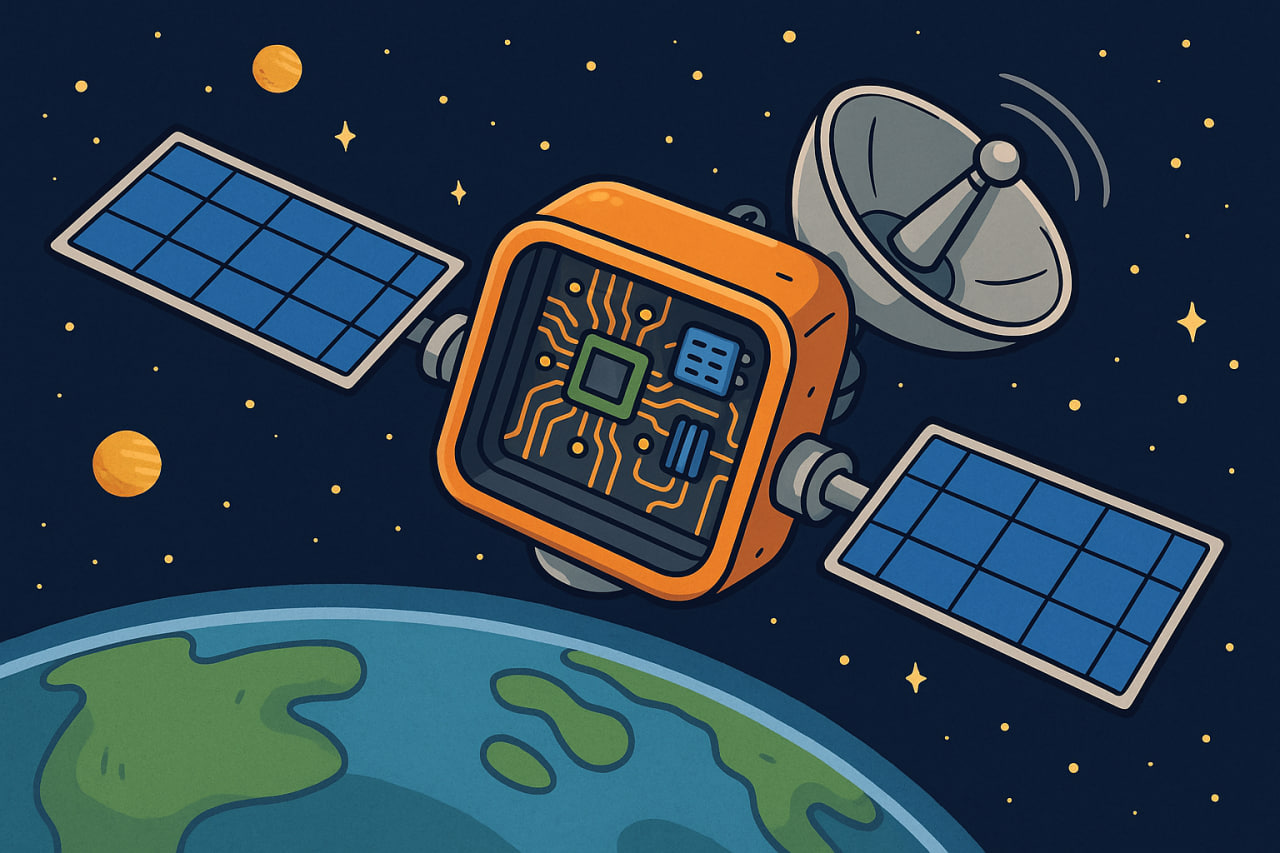
Every modern satellite relies on its onboard computer—also called the OBC (Onboard Computer) or satellite control system—to carry out missions in space.
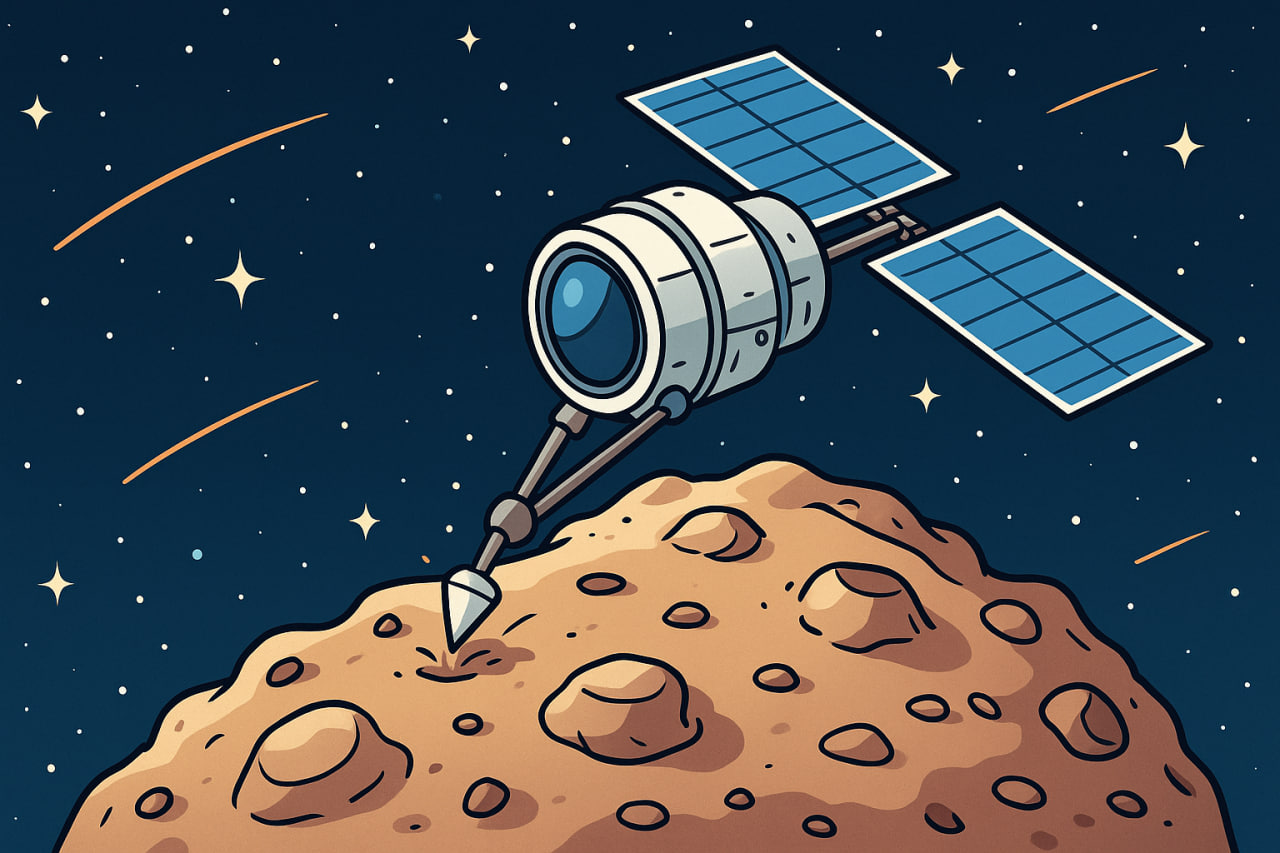
Asteroids are remnants of the early solar system, often called cosmic time capsules. Studying them through scientific missions helps us understand the formation of planets, the origins of...

Space maps are essential tools that help astronomers and scientists navigate and understand the universe.
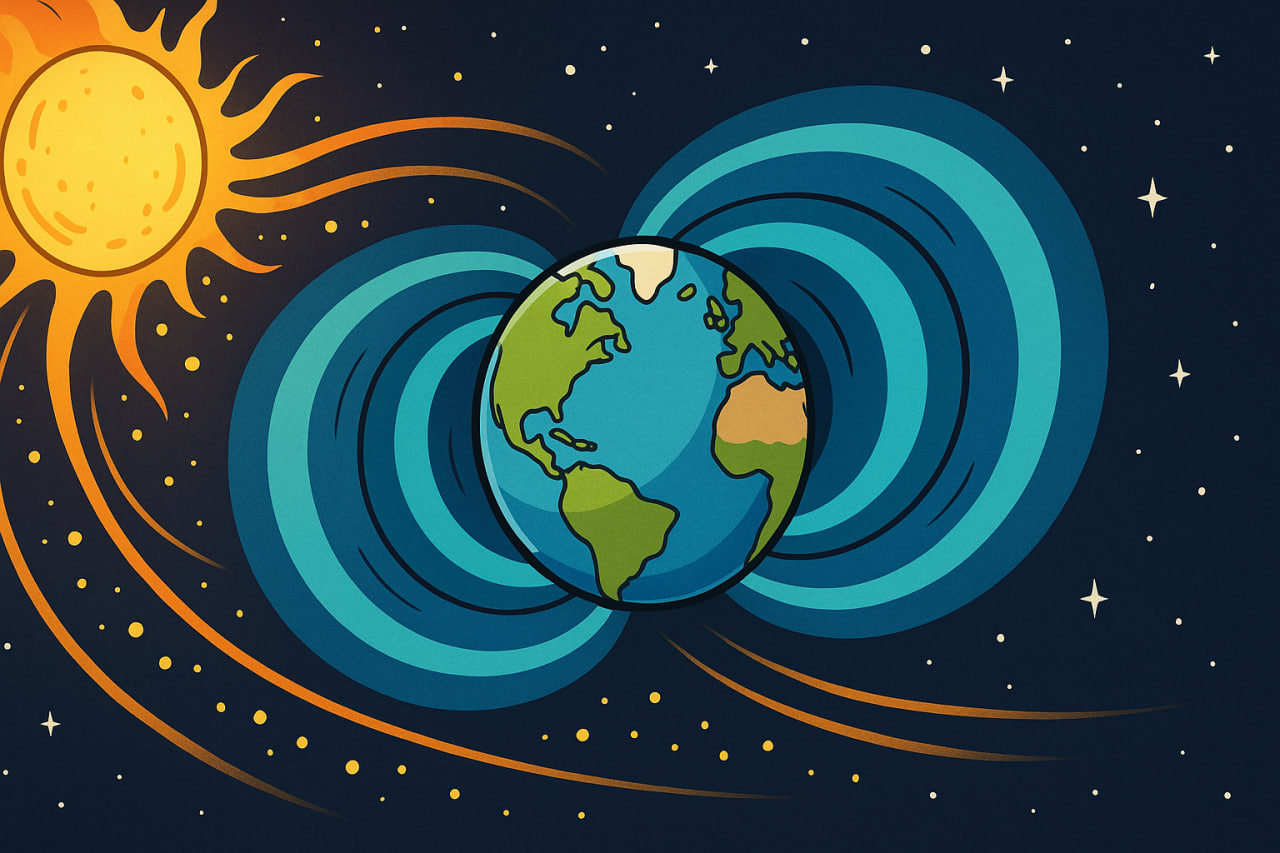
The radiation belts of Earth, also known as the Van Allen belts, are regions around our planet where charged particles from the Sun and cosmic rays are trapped by Earth’s magnetic field.
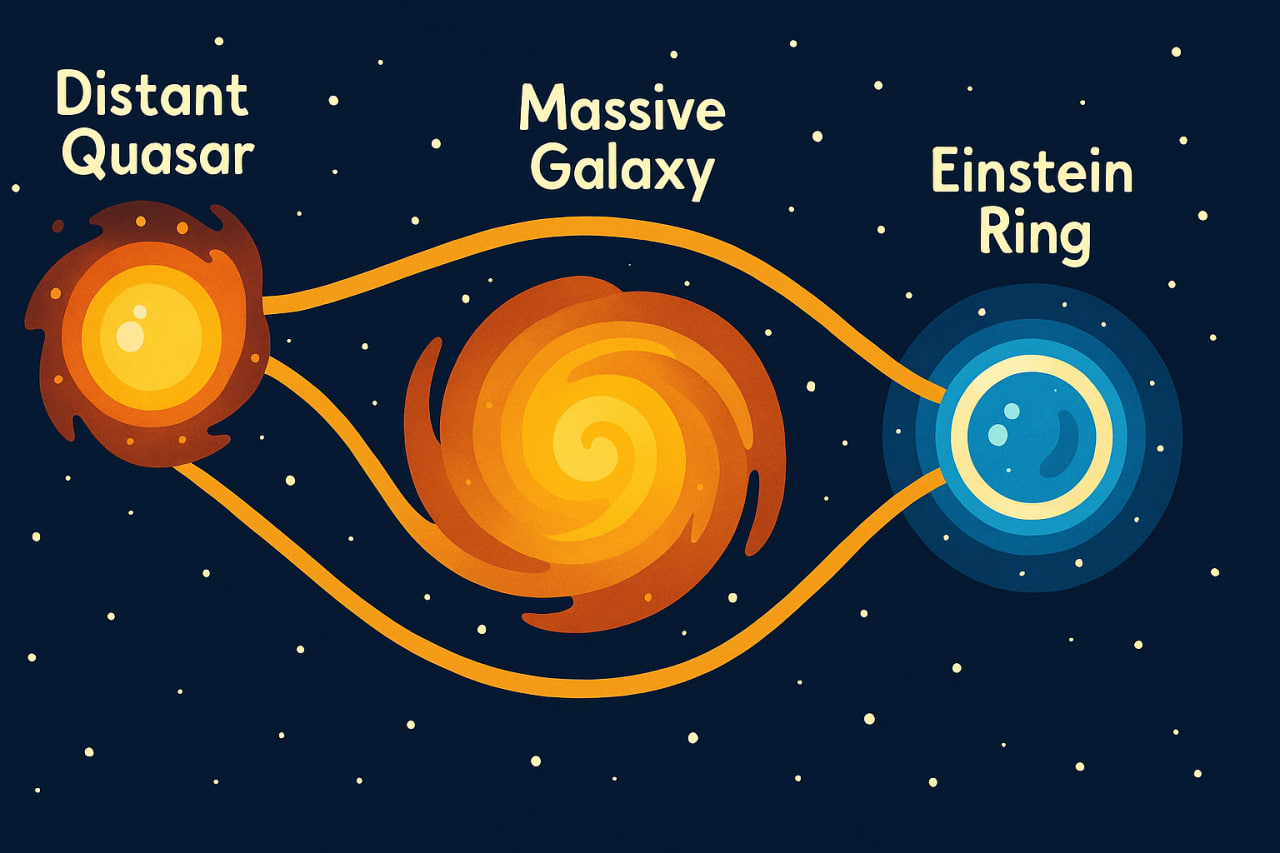
Gravitational lensing is a fascinating effect predicted by Einstein’s theory of general relativity.